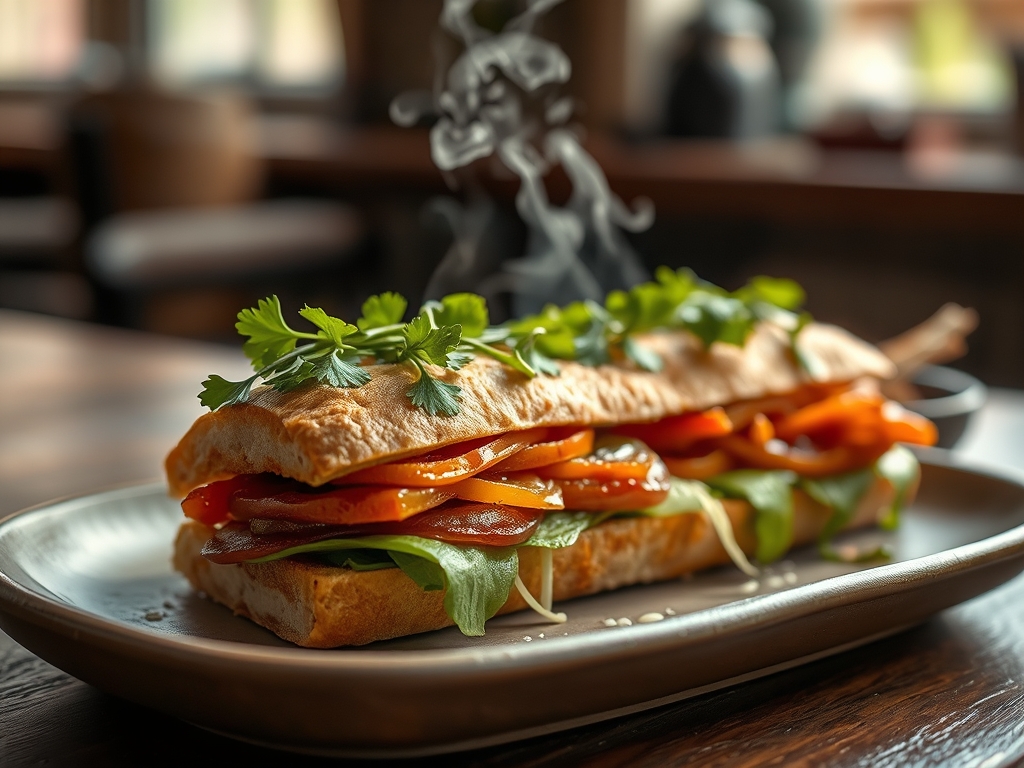
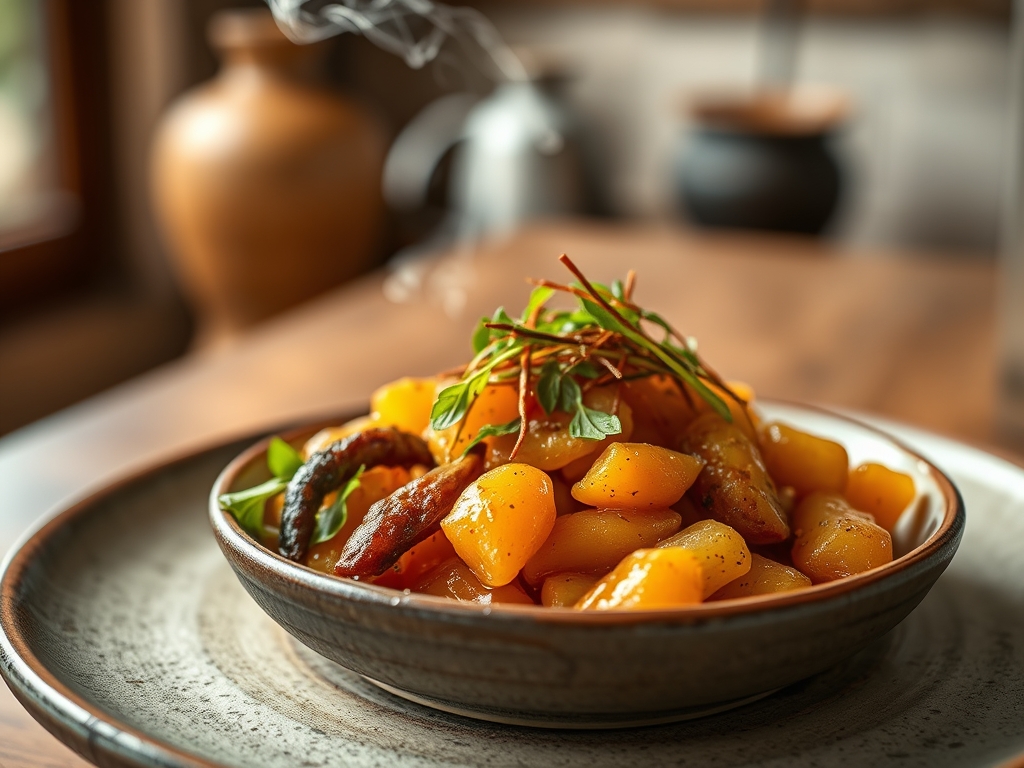
Forget everything you think you know about pasta; we are entering the realm of the chewy, the fiery, and the architectural. We are talking about Korean Tteokbokki, a street food legend that operates less like a snack and more like a high-performance hydraulic system. Imagine a cylinder of rice flour dough, steamed to the point of gelatinization, then plunged into a viscous, crimson sea of fermented chili paste. This is not just dinner; it is a study in structural integrity. The chew is the thing. It is a resistance that fights back against the tooth before yielding into a starchy, satisfying finish. We are taking this traditional infrastructure and applying a gnocchi-style rigor to it. We want the sauce to cling like a second skin, emulsified to a glossy sheen that reflects the kitchen lights. Every bite must deliver a piquant punch that vibrates through the palate, balanced by the savory depth of anchovy stock and the sharp bite of scallions. Prepare your station; we are about to engineer a masterpiece of texture and heat.
THE DATA MATRIX
| Metric | Specification |
|---|---|
| Prep Time | 15 Minutes |
| Execution Time | 20 Minutes |
| Yield | 4 Servings |
| Complexity | 4 / 10 |
| Estimated Cost per Serving | $3.50 USD |
THE GATHERS
Ingredient Protocol:
- 500g / 1.1 lbs Cylindrical Rice Cakes (Tteok)
- 1 Liter / 4.2 Cups Dashi or Anchovy Stock
- 60ml / 4 tbsp Gochujang (Korean Chili Paste)
- 15g / 1 tbsp Gochugaru (Korean Chili Flakes)
- 30ml / 2 tbsp Soy Sauce (Dark or Regular)
- 30g / 2 tbsp Granulated Sugar
- 3 cloves / 15g Fresh Garlic, minced
- 200g / 7 oz Fish Cakes (Eomuk), sliced into triangles
- 3 units / 150g Green Onions, cut into 2-inch lengths
- 5ml / 1 tsp Toasted Sesame Oil
- 2g / 1 tsp Toasted Sesame Seeds
Section A: Ingredient Quality Audit:
The primary failure point in Korean Tteokbokki is the rice cake itself. If you are using refrigerated or frozen cakes, they often suffer from "starch retrogradation," making them brittle and prone to cracking. To fix this, soak them in lukewarm water for at least 20 minutes before cooking. This rehydrates the surface and prevents the core from remaining chalky. Secondly, ensure your Gochujang is fresh. Old paste oxidizes, losing its vibrant red hue and turning a dull, muddy brown. If your sauce looks dark, brighten it with a splash of rice vinegar or a pinch more sugar to balance the bitterness. Finally, do not substitute Gochugaru with standard red pepper flakes; the texture and smokiness are fundamentally different.
THE MASTERCLASS
Step 1: The Liquid Foundation
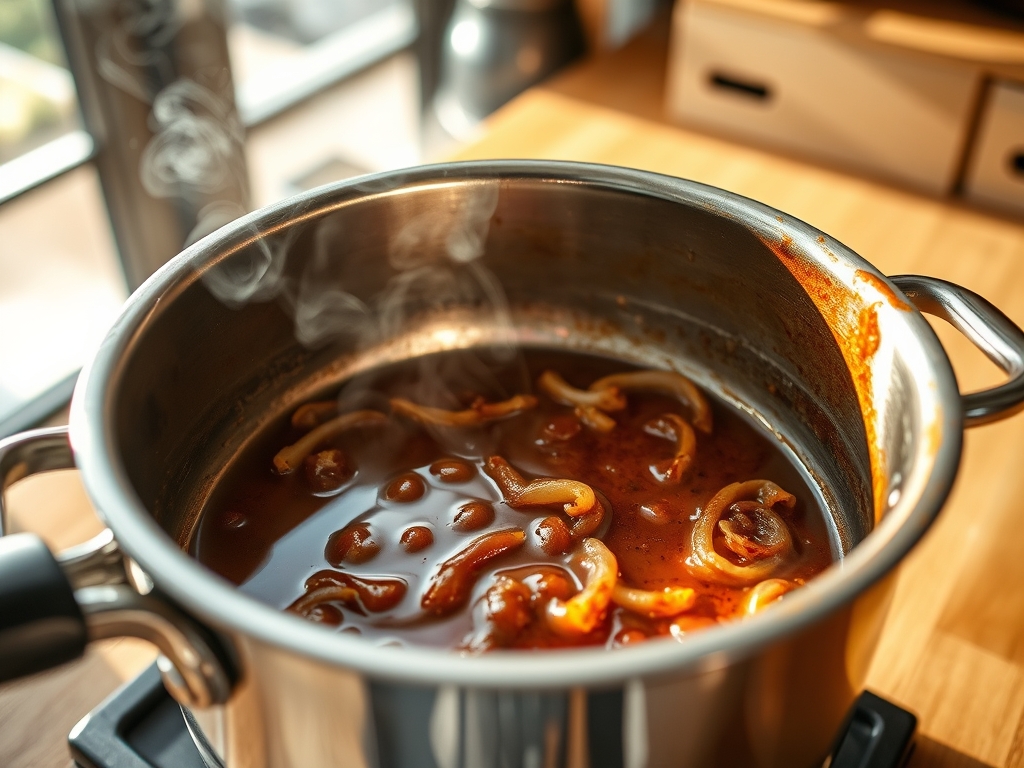
Pour your stock into a wide saucier or a deep skillet. Bring the liquid to a rolling boil over medium-high heat. Using a digital scale to measure your Gochujang ensures consistency; whisk the paste, chili flakes, sugar, and soy sauce into the boiling liquid until fully dissolved.
Pro Tip: Boiling the stock first allows the sugars in the Gochujang to begin the caramelization process early, which deepens the flavor profile through a controlled reduction.
Step 2: The Starch Integration
Add the soaked rice cakes to the bubbling red liquid. Reduce the heat to medium. Use a silicone spatula or a bench scraper to gently move the cakes around, ensuring they do not stick to the bottom of the pan as the starch begins to leach into the sauce.
Pro Tip: The rice cakes release amylopectin as they cook; this is a natural thickener that will transform your thin stock into a viscous glaze without the need for a cornstarch slurry.
Step 3: Protein and Aromatics
Once the rice cakes have softened (about 5 to 8 minutes), add the sliced fish cakes and the minced garlic. The fish cakes act as a savory sponge, soaking up the piquant liquid while contributing their own umami to the sauce.
Pro Tip: Adding garlic at this stage rather than at the beginning preserves its pungent aromatics, preventing the delicate oils from burning in the high-heat reduction.
Step 4: The Final Emulsification
Continue to simmer until the sauce has reduced by half and coats the back of a spoon. Toss in the green onions and stir for 60 seconds until they wilt slightly but retain their vibrant color. Remove from heat and stir in the sesame oil to infuse the dish with a nutty aroma.
Pro Tip: Emulsification is key here. If the sauce looks "broken" or oily, add a tablespoon of hot water and stir vigorously to re-bind the fats and starches into a glossy coating.
Section B: Prep & Timing Fault-Lines:
Timing is the difference between a chewy delight and a gummy disaster. If you overcook the rice cakes, the exterior will lose its structural definition and become "mushy." This usually happens when the heat is too low for too long. Maintain a steady simmer to ensure the sauce reduces at the same rate the cakes soften. If your sauce thickens before the cakes are tender, add more stock 50ml at a time. This prevents the sugars from burning while the starch core of the rice cake reaches the proper temperature.
THE VISUAL SPECTRUM
Section C: Thermal & Visual Troubleshooting:
Referencing the Masterclass photo, your final product should exhibit a high-gloss finish. If the dish looks dull, you likely lacked enough sugar or the reduction did not go far enough to concentrate the syrups. Uneven browning on the fish cakes is usually a sign of overcrowding the pan; ensure you are using a wide enough vessel so every component has contact with the simmering liquid. If the rice cakes appear white or translucent in spots, they are undercooked. The color should be a uniform, deep orange-red from the surface to the center. Use the green onions as your visual "pop"; they should look crisp and bright against the heavy red sauce.
THE DEEP DIVE
Macro Nutrition Profile:
Per serving, this dish is carb-heavy, providing approximately 450-500 calories. It is high in sodium due to the fermented pastes and stock, but it offers a solid hit of protein from the fish cakes (approx. 15g per serving).
Dietary Swaps:
- Vegan: Replace anchovy stock with kombu/mushroom broth and swap fish cakes for fried tofu skins or king oyster mushrooms.
- Keto: This is a high-carb dish by nature, but "Zoodles" or shirataki knots can be used in the sauce, though the viscosity will differ.
- GF: Ensure your Gochujang is labeled gluten-free, as many brands use barley malt.
Meal Prep & Reheating Science:
Rice cakes harden significantly when cooled. To reheat, do not use a microwave alone as it creates hot spots and "rubbery" patches. Instead, place them in a pan with 30ml of water, cover with a lid, and steam on low heat. This reintroduces moisture into the starch matrix, restoring the original "gnocchi" texture.
THE KITCHEN TABLE
Why are my rice cakes so tough?
You likely skipped the soaking phase or didn't simmer them long enough. Starch needs heat and moisture to gelatinize. If they are still hard, add a splash of water, cover the pan, and steam for three minutes.
Can I make this without anchovy stock?
Absolutely. While anchovy stock provides the traditional umami backbone, a high-quality vegetable or chicken stock works well. You can also add a dash of fish sauce or dashi powder to mimic that specific oceanic depth.
How do I make the sauce spicier?
Increase the ratio of Gochugaru (flakes) rather than Gochujang (paste). Adding more paste will make the dish saltier and thicker, whereas the flakes provide a clean, sharp heat that cuts through the density of the rice.
What is the best way to store leftovers?
Store in an airtight container for up to three days. Note that the cakes will absorb more sauce over time. When reheating, you will almost certainly need to add a bit of liquid to loosen the emulsion.