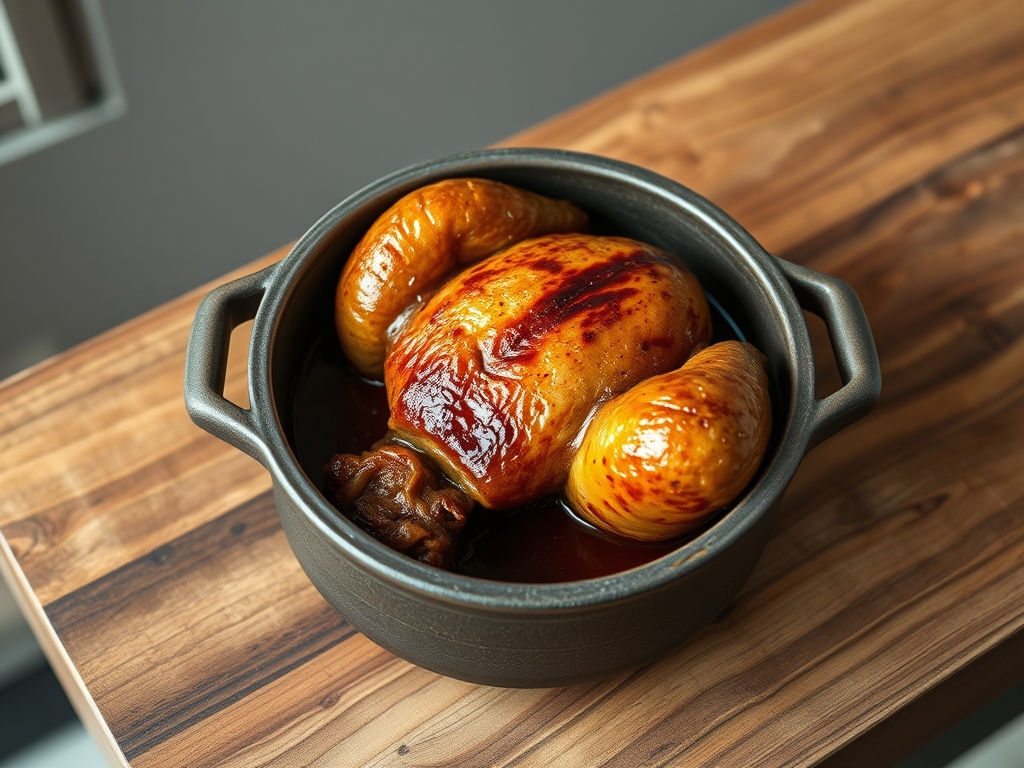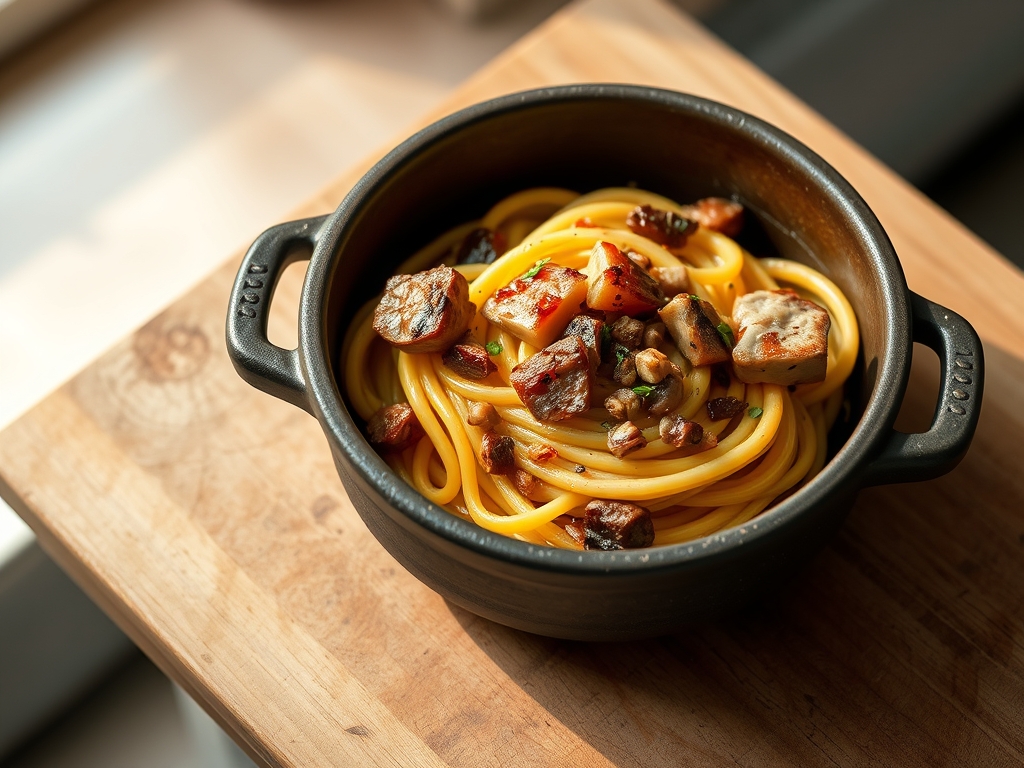
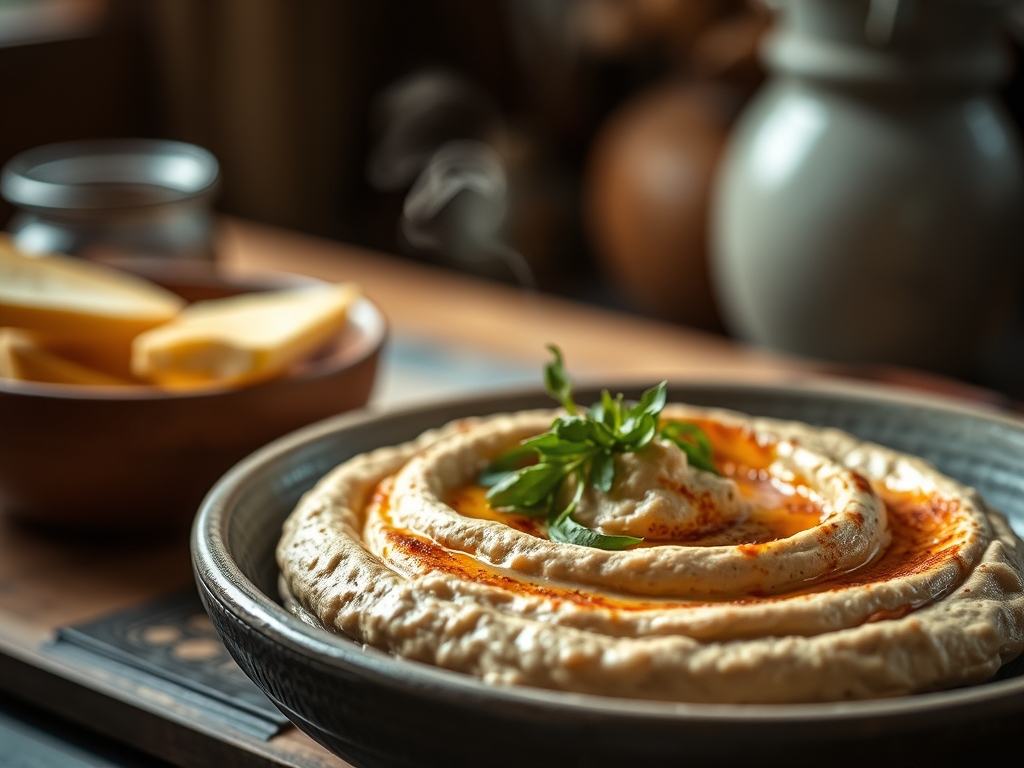
Forget the bland, refrigerated paste found in plastic tubs at your local supermarket; that is a pale imitation of a legacy that spans empires. We are conducting a structural audit of the Byzantine Hummus, a dish that represents the apex of legume engineering and Mediterranean trade routes. Imagine the scent of roasted garlic colliding with the sharp, piquant citrus of sun-ripened lemons. Picture a texture so viscous and silky that it clings to a warm pita like velvet. This is not just a dip; it is a high-performance emulsion designed to fuel scholars and soldiers alike. The Byzantine Hummus requires a radical commitment to mechanical breakdown and thermal precision. We are looking for a specific golden hue, a result of high-quality tahini and the careful management of pH levels. If your current chickpea game feels like eating wet sand, you have failed the audit. It is time to recalibrate your kitchen, sharpen your senses, and master the molecular transformation of the humble garbanzo into a legendary spread.
THE DATA MATRIX
| Metric | Specification |
|---|---|
| Prep Time | 20 Minutes |
| Execution Time | 45 Minutes |
| Yield | 750ml / 3 Cups |
| Complexity (1-10) | 4 |
| Estimated Cost per Serving | $0.85 USD |
THE GATHERS
Ingredient Protocol:
- 500g / 2.5 cups Cooked Chickpeas (Heirloom variety preferred)
- 120ml / 0.5 cup Premium Tahini (Stone-ground)
- 60ml / 4 tbsp Fresh Lemon Juice
- 30ml / 2 tbsp Extra Virgin Olive Oil (Cold-pressed)
- 3 cloves Garlic (Microplaned)
- 5g / 1 tsp Sea Salt
- 2g / 0.5 tsp Cumin (Toasted and ground)
- 60ml / 4 tbsp Ice-Cold Water (For aeration)
Section A: Ingredient Quality Audit:
The most common failure in Byzantine Hummus is the use of oxidized tahini. If your sesame paste tastes bitter or metallic, the entire batch is compromised. Technical Fix: Always stir your tahini vigorously with a bench scraper or whisk to re-incorporate separated oils before measuring. If using canned chickpeas, the skins are often too tough for a smooth emulsion. Technical Fix: Perform a "hot soak" with a pinch of baking soda to increase the pH level; this weakens the pectin in the skins, allowing them to dissolve during the blending phase.
THE MASTERCLASS
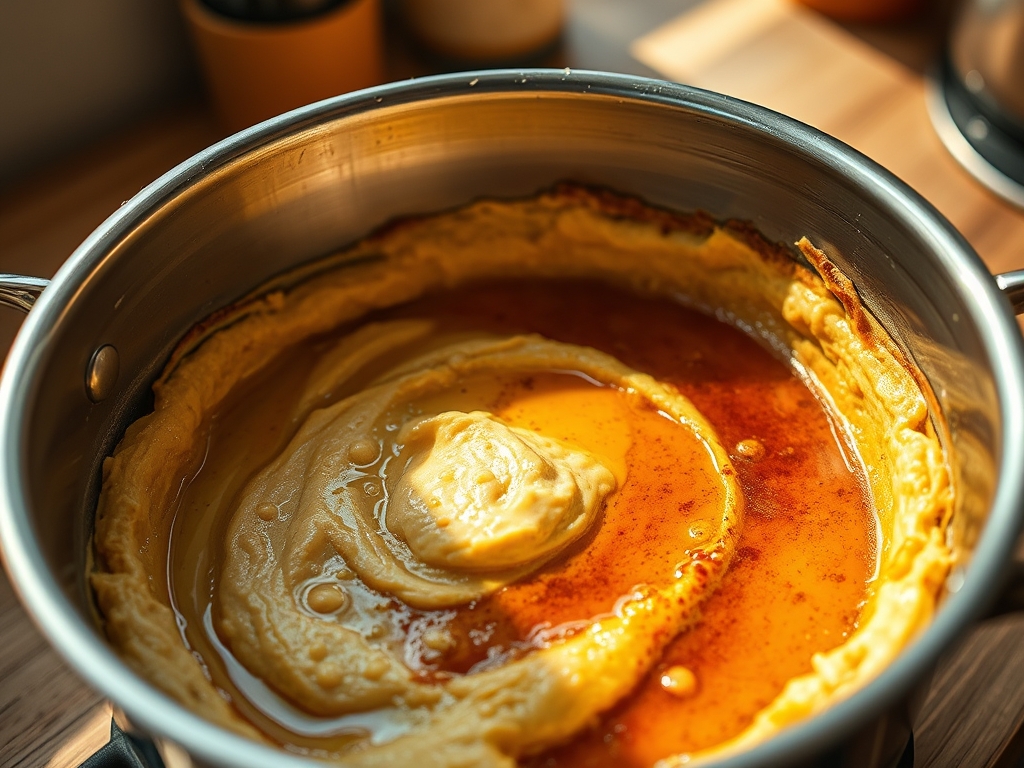
Step-by-Step Execution:
1. The Thermal Softening
Place your cooked chickpeas in a saucier with a splash of water and a pinch of baking soda. Simmer for ten minutes until the beans are almost falling apart. Pro Tip: Softening the legumes beyond the point of "al dente" is essential to achieve a viscous texture. The heat breaks down the cellular walls, ensuring the starch granules are ready to aerate during the high-speed blending process.
2. The Garlic Infusion
While the chickpeas simmer, combine the lemon juice and microplaned garlic in a small bowl. Let it sit for five minutes. Pro Tip: This is a chemical "cook." The citric acid neutralizes the harsh allicin in the garlic, leaving a piquant flavor without the aggressive bite that lingers on the palate. Use a digital scale to ensure the acid-to-garlic ratio is precise.
3. The Tahini Emulsion
In a high-speed blender, combine the tahini, lemon-garlic mixture, olive oil, and spices. Process until the mixture turns pale and thick. Pro Tip: This creates the base emulsion. By processing the fats and acids before adding the solids, you ensure a stable molecular structure that won't "weep" or separate in the refrigerator.
4. The High-Velocity Integration
Drain the hot chickpeas and add them to the blender. Process on high for three minutes. While the motor is running, slowly drizzle in the ice-cold water. Pro Tip: The temperature differential between the hot chickpeas and the ice water creates a "fluffing" effect. This incorporates micro-bubbles into the paste, resulting in a cloud-like consistency that is the hallmark of the Byzantine style.
5. The Final Polish
Taste for seasoning and adjust with a final drop of lemon or salt if necessary. Spread the hummus into a shallow bowl using a bench scraper to create deep grooves for the olive oil to pool. Pro Tip: Presentation is functional. Those grooves increase the surface area for garnishes like sumac or toasted pine nuts to infuse their flavors into the top layer of the puree.
Section B: Prep & Timing Fault-Lines:
Timing is the silent killer of texture. If you blend the chickpeas while they are cold, the starches will remain crystalline, resulting in a grainy mouthfeel. Conversely, if you let the finished hummus sit in the blender for too long without transferring it to a vessel, the residual heat from the motor can over-cook the delicate fats in the tahini. Always move the product to a chilled glass bowl immediately after the final aeration.
THE VISUAL SPECTRUM
Section C: Thermal & Visual Troubleshooting:
The Masterclass photo displays a specific "ivory-gold" hue. If your hummus appears grey or dull, you likely used pre-ground cumin that has oxidized or over-processed the garlic. If the texture looks "broken" or oily, your emulsion has failed due to a lack of moisture. Visual Cue: A perfect Byzantine Hummus should hold a "stiff peak" when lifted with a spoon but still appear glossy. If it looks matte, add a teaspoon of warm water and whisk by hand to restore the sheen. If you see dark flecks, ensure you are using hulled chickpeas; the skins of unhulled beans will never fully pulverize, creating a "dirty" aesthetic.
THE DEEP DIVE
Macro Nutrition Profile:
A standard 100g serving provides approximately 166 calories, 8g of protein, 10g of healthy fats (primarily monounsaturated), and 5g of dietary fiber. It is a nutrient-dense powerhouse with a low glycemic index.
Dietary Swaps:
- Vegan: Naturally compliant. Ensure your tahini is sourced from ethical suppliers.
- Keto: Replace 50% of the chickpeas with steamed cauliflower florets to reduce the net carb count while maintaining the viscous mouthfeel.
- GF: Naturally gluten-free. Serve with cucumber rounds or radish slices instead of pita.
Meal Prep & Reheating Science:
To maintain the molecular structure during storage, press a piece of parchment paper directly onto the surface of the hummus to prevent oxidation. When "reheating," do not use a microwave. Instead, let it reach room temperature naturally and whisk in a tablespoon of warm water to re-activate the emulsion and restore the original silkiness.
THE KITCHEN TABLE
Why is my hummus so thick and heavy?
You likely skipped the ice-water aeration step. The cold water is vital for creating a light, whipped texture. Without it, the starches and fats bind too tightly, resulting in a dense, paste-like consistency.
Can I use bottled lemon juice?
Absolutely not. Bottled juice lacks the volatile oils and bright acidity required to cut through the heavy fats of the tahini. For a truly piquant finish, fresh-squeezed citrus is a non-negotiable requirement of the audit.
Is it necessary to peel every chickpea?
If you use the baking soda "hot soak" method, the skins will break down sufficiently during blending. Manual peeling is an artisanal choice for those seeking 100% molecular smoothness, but it is not strictly required for a high-quality result.
How long does it stay fresh?
The Byzantine Hummus will maintain its structural integrity for up to five days in a sealed container. Beyond that, the garlic flavor begins to turn "sour" as the pH levels shift, compromising the flavor profile.