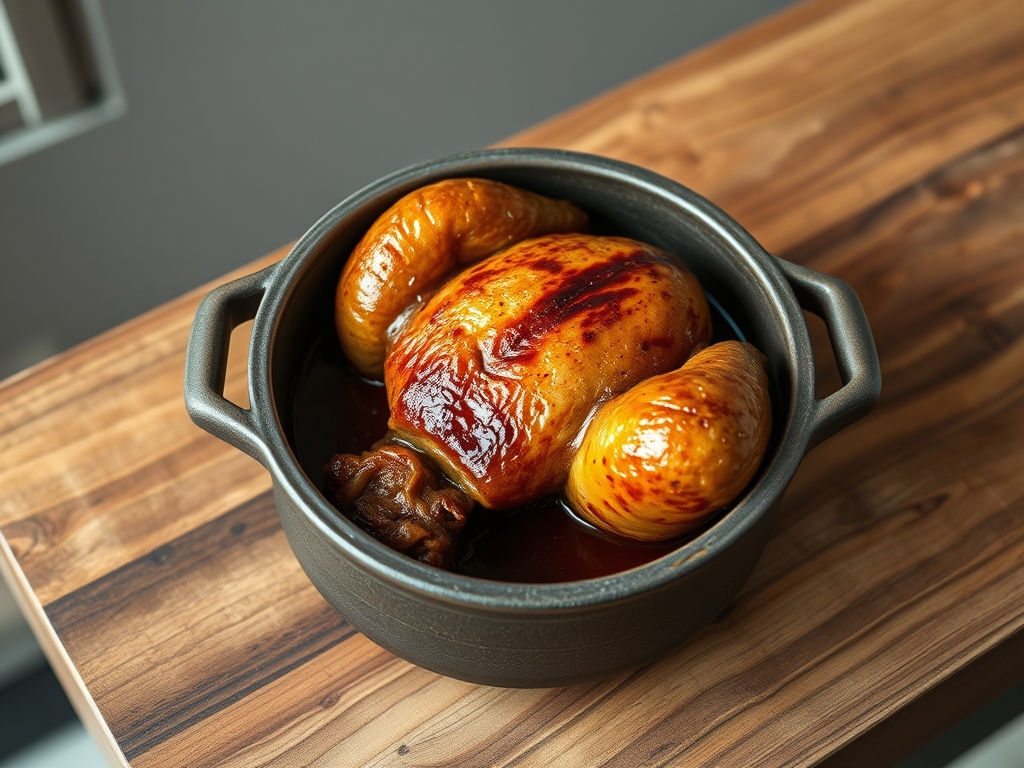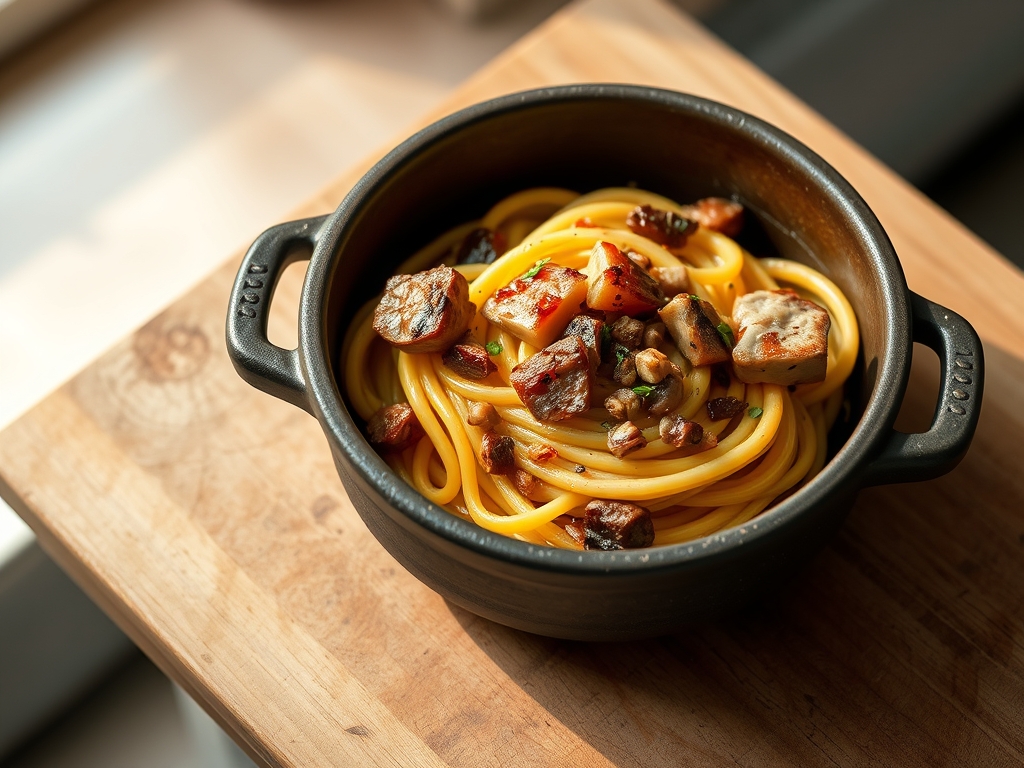
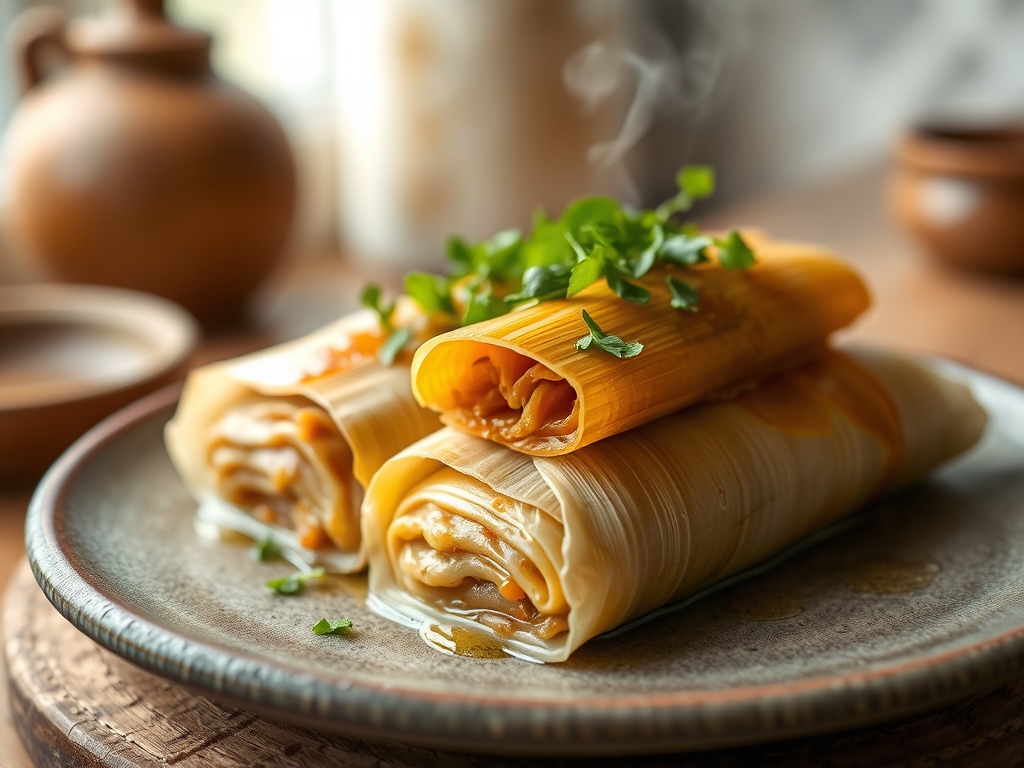
The steam rises from the pot like an ancient vapor rising from a limestone cenote. This is not just dinner; it is a structural engineering marvel wrapped in a biodegradable husk. We are talking about Mayan Tamales. Forget the dense, leaden bricks found in supermarket freezer aisles. A true Mayan tamale is a masterclass in nixtamalization and lipid suspension. It requires a specific, almost religious devotion to the ratio of fat to masa. When you peel back the leaf, you should be greeted by a surface that is supple, slightly shimmering, and infused with the deep, nutty aroma of toasted corn. The texture must be light enough to quiver but structural enough to hold a rich, piquant filling. We are auditing thousands of years of culinary evolution here. Every gram of lard and every degree of steam counts toward the final structural integrity of the dish. Prepare your digital scales and clear your stations. We are about to deconstruct the architectural soul of the Mesoamerican diet.
THE DATA MATRIX
| Metric | Specification |
|---|---|
| Prep Time | 90 Minutes |
| Execution Time | 120 Minutes |
| Yield | 24 Units |
| Complexity | 8 / 10 |
| Estimated Cost per Serving | $1.45 |
THE GATHERS
Ingredient Protocol:
- 1.36kg / 3 lbs Nixtamalized Corn Masa (Freshly ground if possible)
- 450g / 2 cups High-Quality Rendered Lard (Chilled)
- 480ml / 2 cups Concentrated Chicken or Vegetable Stock
- 15g / 1 tbsp Fine Sea Salt
- 10g / 2 tsp Baking Powder (For aeration)
- 1kg / 2.2 lbs Braised Pork Shoulder or Shredded Chicken
- 250ml / 1 cup Recado Rojo (Achiote paste base)
- 24 Large Dried Corn Husks or Banana Leaves (Soaked)
Section A: Ingredient Quality Audit:
The primary failure point in Mayan Tamales is the masa quality. If your masa feels gritty or dry, it has not been hydrated properly during the nixtamalization phase. To fix this, slowly incorporate warm stock while kneading until the dough achieves the consistency of soft buttercream. Another common audit failure is the use of hydrogenated lard. This shelf-stable fat lacks the molecular complexity and flavor profile of home-rendered leaf lard. If you must use store-bought, whisk it vigorously with a splash of cold water to aerate the lipids before folding them into the corn. Finally, ensure your corn husks are supple. Brittle husks lead to steam leaks, which result in a dry, unevenly cooked product. Soak them in 60C / 140F water for at least 30 minutes to ensure maximum flexibility.
THE MASTERCLASS
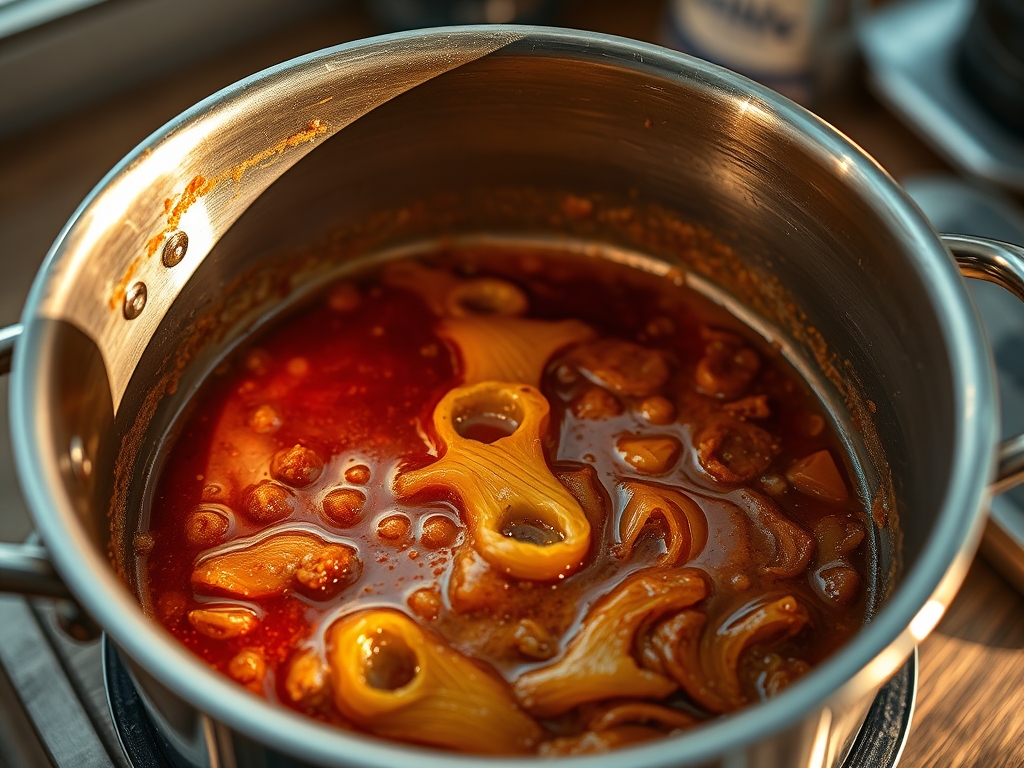
1. The Lipid Aeration Phase
Place your chilled lard and salt in the bowl of a heavy-duty stand mixer. Using the paddle attachment, whip the fat at medium-high speed until it doubles in volume and becomes white and fluffy. This process incorporates micro-bubbles that will expand during steaming.
Pro Tip: This is the "Float Test" preparation. The goal is to create a fat-heavy emulsion that allows a small ball of dough to float in a glass of water. Use a digital scale to ensure your fat-to-masa ratio is exactly 1:3 for the perfect crumb.
2. Masa Integration and Hydration
Slowly add the fresh masa to the whipped lard in small increments. Once combined, gradually pour in the stock. The dough should be viscous and spreadable, similar to thick frosting. Do not overwork the dough once the stock is added to avoid developing unwanted toughness.
Pro Tip: Use a silicone spatula to scrape the sides of the bowl constantly. The science here is simple; you are creating a stable suspension of corn particles within a fat matrix. If the dough is too stiff, the tamale will be dense.
3. Leaf Preparation and Application
Lay a hydrated husk flat on your workstation. Using a bench scraper or a large offset spatula, spread approximately 60g of masa onto the center of the husk, leaving a border at the edges. Ensure the layer is even to guarantee uniform thermal penetration.
Pro Tip: The smooth side of the husk should face up. This prevents the masa from sticking to the ridges of the fiber, ensuring a clean release after the steam cycle is complete.
4. Filling and Structural Enclosure
Place 30g of your seasoned protein and a spoonful of recado rojo in the center of the masa. Fold the sides of the husk inward so the masa completely encases the filling. Fold the narrow bottom of the husk upward to seal the package.
Pro Tip: Precision is key. Use a saucier to keep your filling warm before assembly; this prevents the "cold core" syndrome where the center of the tamale fails to reach the safe internal temperature of 74C / 165F during the steaming process.
5. The Thermal Guarding Cycle
Arrange the tamales vertically in a steamer basket, open end up. Do not pack them too tightly; steam must circulate freely around each unit. Cover with extra husks and a damp cloth, then seal the lid. Steam for 75 to 90 minutes.
Pro Tip: Use a digital probe thermometer to check the water level in the steamer. If the pot runs dry, the bottom tamales will scorch, releasing a bitter carbon flavor that will infuse the entire batch.
Section B: Prep & Timing Fault-Lines:
The most frequent timing error occurs during the "resting" phase. A tamale pulled straight from the steamer will appear undercooked and mushy. It requires a 15-minute rest period to allow the starches to retrogradate and the fats to firm up. If your tamales are still sticking to the husk after this rest, your steam was likely too weak or your masa-to-liquid ratio was too high. Ensure the water is at a rolling boil before timing begins.
THE VISUAL SPECTRUM
Section C: Thermal & Visual Troubleshooting:
Referencing the Masterclass photo, notice the slight golden hue and the clean, defined edges of the masa. If your tamales appear grey or dull, you likely lacked acidity or salt in the dough. If the surface is pockmarked, the steam was too aggressive, causing the fat to "boil" out of the masa rather than melting gently into the corn. A perfect Mayan tamale should have a matte finish with a slight translucency at the edges. If you see liquid "bleeding" from the bottom of the husk, your filling was too watery. Next time, render the filling further or use a thickening agent like a small amount of toasted masa flour to bind the juices.
THE DEEP DIVE
Macro Nutrition Profile:
A single 100g tamale typically contains 250 calories, 15g of fat, 25g of carbohydrates, and 8g of protein. While high in lipids, the nixtamalization process increases the bioavailability of Vitamin B3 (niacin) and calcium, making this a nutritionally significant ancient staple.
Dietary Swaps:
- Vegan: Replace lard with chilled coconut oil or high-quality vegetable shortening. Use mushroom broth and a jackfruit filling.
- Keto: This is difficult given the corn base, but one can increase the protein-to-masa ratio significantly.
- GF: Traditionally gluten-free, but always audit your baking powder and stock for hidden wheat stabilizers.
Meal Prep & Reheating Science:
Tamales are the ultimate meal prep vessel. To reheat, avoid the microwave as it toughens the starches. Instead, re-steam for 10 minutes or sear the masa in a cast-iron skillet with a touch of oil to deglaze any surface sugars and create a crispy exterior. This maintains the molecular moisture trapped within the corn husk.
THE KITCHEN TABLE
Why is my masa crumbly after steaming?
This indicates a lack of fat or insufficient hydration. The masa requires enough lipid content to create a smooth emulsion. Audit your measurements and ensure you are whisking the lard until it is properly aerated.
Can I use oil instead of lard?
You can, but the texture will be denser. Lard is a solid fat at room temperature, which provides the structural "loft" needed for a light tamale. If using oil, the tamales will be much heavier.
How do I know they are finished?
Perform the "Peel Test." Remove one tamale and let it rest for three minutes. If the husk peels away cleanly without leaving masa stuck to the surface, the starches have fully gelatinized and the dish is complete.
Why do my tamales taste bland?
Masa absorbs a tremendous amount of salt during the steaming process. You must season the dough until it tastes slightly "too salty" before steaming; the final product will be perfectly balanced once the flavors meld.