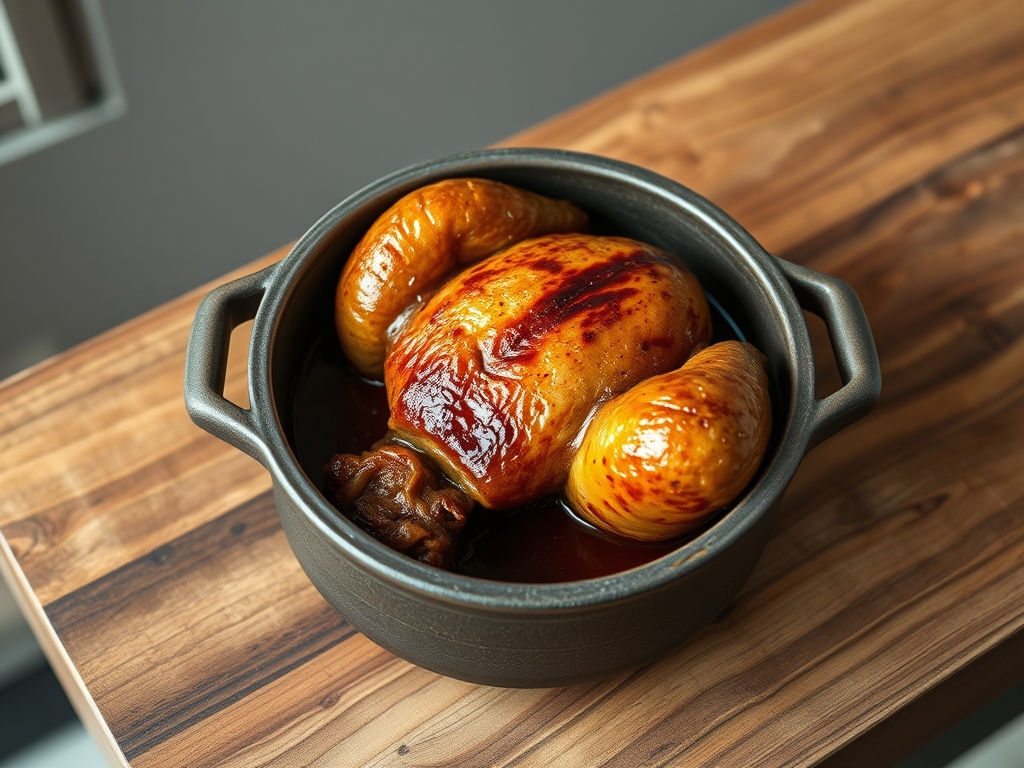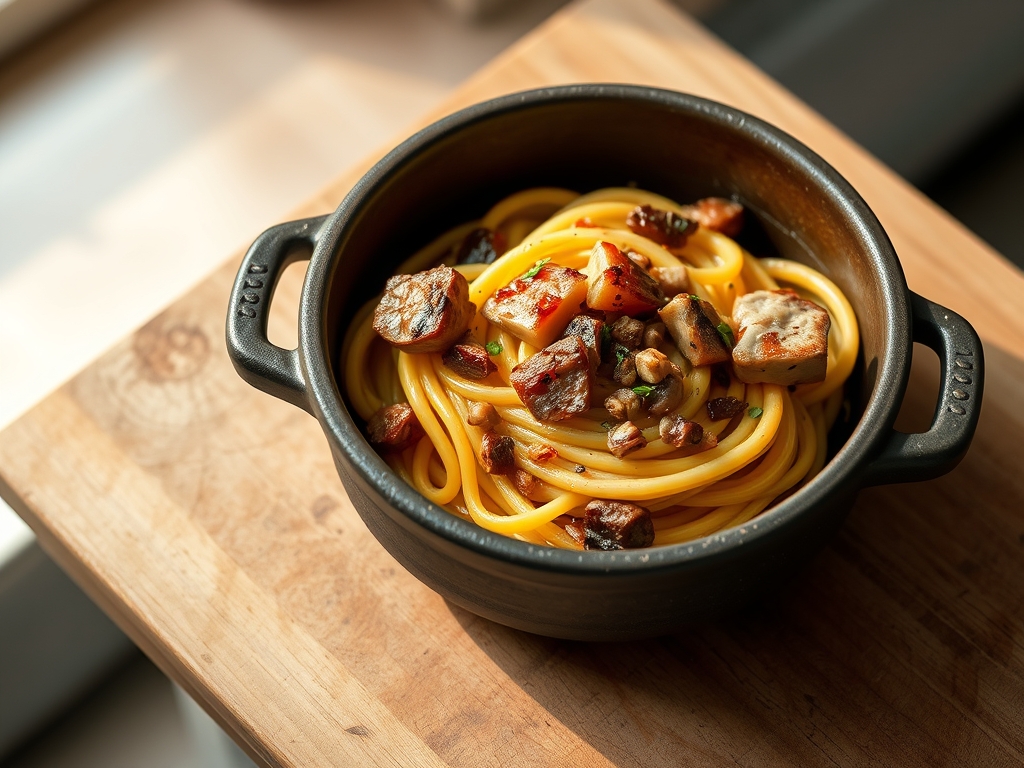
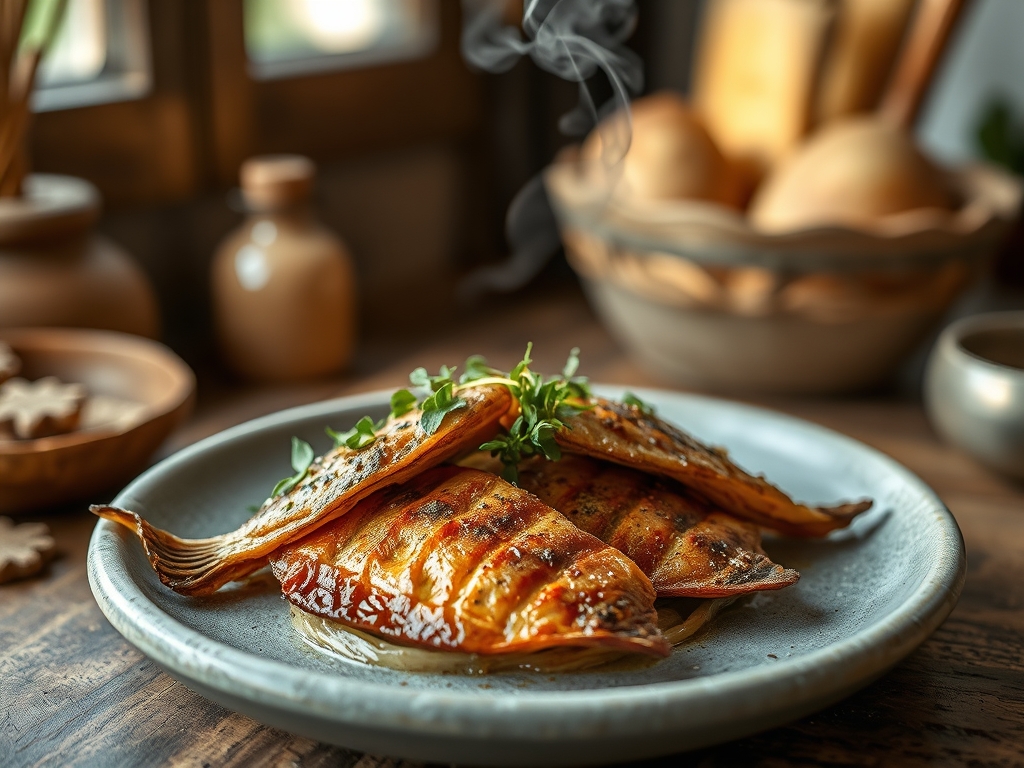
Imagine a slab of protein so structurally sound you could use it to shingle a roof. This is Viking Dried Fish; the original concentrated energy source that fueled trans-Atlantic voyages long before the invention of the refrigerator. When you handle authentic stockfish, you are not just holding food; you are holding a masterpiece of atmospheric moisture control. The wind-swept shores of the Lofoten Islands act as a natural dehydrator, stripping water molecules until the fish is a dense, shelf-stable brick of pure umami. But do not be fooled by its rugged, wood-like exterior. Beneath that desiccated surface lies a complex network of collagen and muscle fibers waiting to be reanimated. To cook this is to perform culinary necromancy. We are talking about taking a product that has been cured by the freezing salt spray of the North Sea and transforming it into a succulent, buttery delicacy. It requires patience, precision, and an understanding of osmotic pressure. Get it right, and you unlock a flavor profile that is deeper and more haunting than any fresh fillet could ever hope to achieve.
THE DATA MATRIX
| Metric | Specification |
|---|---|
| Prep Time | 24 – 48 Hours (Rehydration Phase) |
| Execution Time | 45 Minutes |
| Yield | 4 Servings |
| Complexity (1-10) | 7 (Requires thermal vigilance) |
| Estimated Cost per Serving | $12.50 – $18.00 |
THE GATHERS
Ingredient Protocol:
- 500g / 1.1 lbs Viking Dried Fish (Stockfish), skin-on and bone-in.
- 500ml / 2 cups Whole milk (for the final soak).
- 100g / 7 tbsp Unsalted high-fat butter.
- 300g / 2 cups Yukon Gold potatoes, peeled and cubed.
- 150ml / 0.6 cups Heavy cream.
- 15g / 1 tbsp Roasted garlic paste.
- 5g / 1 tsp White pepper, finely ground.
- 10g / 2 tsp Sea salt (adjust based on residual salinity).
- 30ml / 2 tbsp Extra virgin olive oil.
- 5g / 1 tbsp Fresh chives, finely minced.
Section A: Ingredient Quality Audit:
The primary failure point in this protocol is the age and storage of the Viking Dried Fish. If the fish displays a deep yellow or brownish hue, it has likely undergone lipid oxidation. This results in a rancid, soapy aftertaste that no amount of soaking can fix. Technical Fix: If your fish is overly brittle, increase the rehydration time by 12 hours and add a tablespoon of baking soda to the initial water bath to help soften the stubborn collagen bonds. If the butter lacks a high butterfat content (below 82 percent), the emulsion will break during the poaching phase. Always opt for European-style cultured butter to ensure a viscous and stable sauce.
THE MASTERCLASS
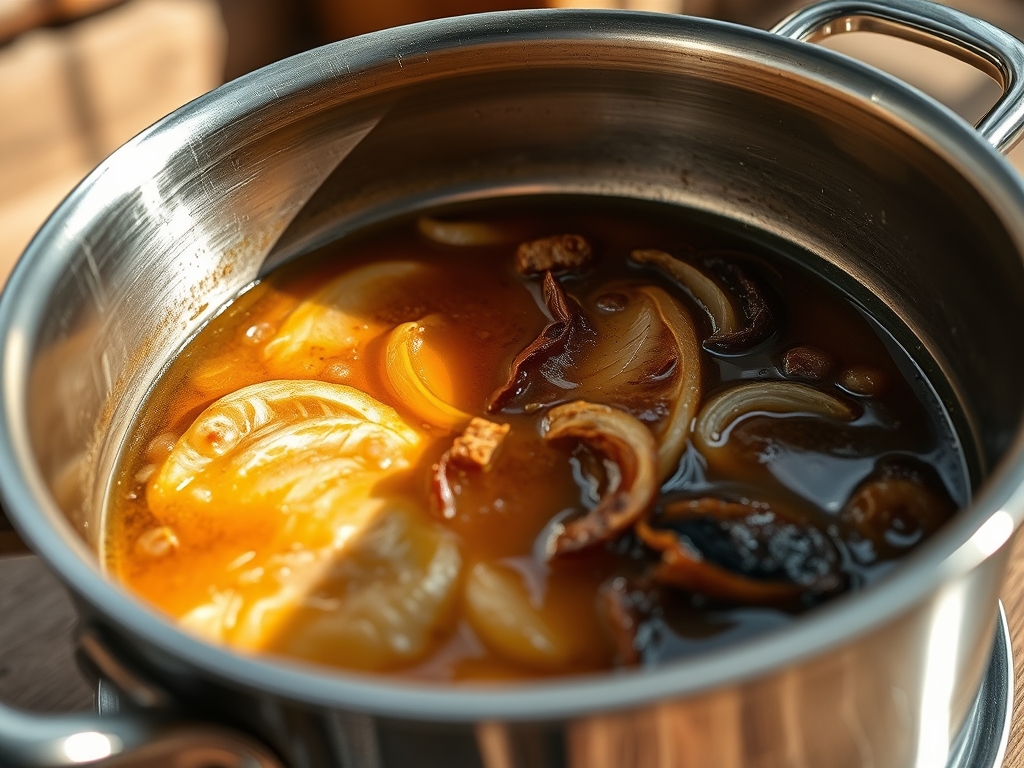
1. The Osmotic Rehydration Sequence
Place the dried fish in a large container and cover with cold, filtered water. Change the water every 8 hours for a minimum of 2 days. For the final 4 hours, submerge the fish in 500ml / 2 cups of whole milk. Use a digital scale to weigh down the fish, ensuring it remains fully submerged.
Pro Tip: The milk soak is not just for flavor; the lactic acid and calcium in the milk help to further break down the tough connective tissues, while the proteins in the milk bind to any remaining "fishy" volatile compounds, neutralizing them.
2. Precision Component Processing
Drain the fish and pat it dry using lint-free towels. Use a sharp bench scraper or a chef's knife to portion the rehydrated fillets into uniform 125g blocks. Meanwhile, boil the Yukon Gold potatoes in salted water until they reach a state of total structural collapse.
Pro Tip: Uniformity is king. If your portions vary in thickness, the thinner sections will overcook and become mushy before the center of the thicker blocks reaches the target internal temperature.
3. The Emulsified Poach
In a heavy-bottomed saucier, combine the heavy cream, roasted garlic, and butter. Bring the mixture to a gentle simmer (approximately 80C / 176F). Carefully lower the fish portions into the liquid. The liquid should barely shimmer; do not allow it to reach a rolling boil.
Pro Tip: Maintaining a low temperature prevents the muscle fibers from tightening too quickly and squeezing out the moisture we spent 48 hours putting back in. This is essentially a butter-poaching technique that ensures a silken mouthfeel.
4. Aerating the Potato Base
Pass the cooked potatoes through a fine-mesh ricer into a warm bowl. Fold in the poaching liquid from the fish one tablespoon at a time. Use a whisk to aerate the mixture until it is light, fluffy, and holds a soft peak.
Pro Tip: Never use a food processor for potatoes. The high-speed blades shear the starch granules, releasing amylose and turning your elegant side dish into a literal bowl of glue.
5. The Final Sear and Deglaze
Heat the olive oil in a stainless steel pan until it reaches the smoke point. Quickly sear the skin side of the fish for 60 seconds to achieve a crisp texture. Remove the fish and deglaze the pan with a splash of white wine or lemon juice to capture the browned bits.
Pro Tip: This final step adds a necessary textural contrast to the soft, poached interior. The Maillard reaction on the skin provides the piquant notes that balance the richness of the cream.
Section B: Prep & Timing Fault-Lines:
The most common human error is rushing the rehydration. If the center of the fish remains hard, the interior will be fibrous and inedible. Use a needle probe or a cake tester to check the resistance in the thickest part of the fillet before cooking. If the poaching liquid breaks (separates into fat and solids), it is usually because the temperature exceeded 90C. To fix a broken sauce, remove from heat immediately and whisk in a teaspoon of cold heavy cream to re-establish the emulsion.
THE VISUAL SPECTRUM
Section C: Thermal & Visual Troubleshooting:
Referencing the Masterclass photo, the fish should exhibit a pearlescent, opaque white color with distinct, large flakes that pull away easily. If the fish appears translucent, it is undercooked. If it looks "shaggy" or falling apart, it has been over-poached. The sear on the skin should be a consistent golden brown, not black. If you see uneven browning, it indicates that the fish was not flat against the pan surface; use a fish spatula to apply light pressure during the first 20 seconds of searing. The potato puree should be glossy and smooth, reflecting the light without any visible lumps or graininess.
THE DEEP DIVE
Macro Nutrition Profile:
Viking Dried Fish is a nutritional powerhouse. Once rehydrated, a 150g serving provides approximately 35g of high-quality protein with less than 1g of fat (prior to poaching). It is exceptionally high in Vitamin B12 and Selenium. The addition of the cream and butter increases the caloric density, making this a balanced, high-satiety meal.
Dietary Swaps:
- Vegan: This is a challenge given the core ingredient. However, for the sides, swap butter for a high-quality cashew cream and use olive oil for the sear.
- Keto: The fish itself is perfect. Replace the potatoes with a cauliflower and turnip puree to keep the net carbs under 10g.
- GF: Naturally gluten-free. Ensure your roasted garlic paste does not contain any hidden thickeners.
Meal Prep & Reheating Science:
To maintain the molecular structure, do not microwave this dish. The high-frequency waves will cause the protein fibers to contract violently, turning the fish rubbery. To reheat, place the fish and sauce in a vacuum-sealed bag and drop it into a 60C / 140F water bath for 15 minutes. This gentle thermal transfer preserves the delicate emulsion and the flake of the fish.
THE KITCHEN TABLE
How do I know if the fish is fully rehydrated?
The fish should be flexible and feel like fresh seafood when squeezed. If you feel any rigid "woodiness" in the center, it needs more time. A fully rehydrated stockfish will double in weight.
Can I skip the milk soak?
You can, but the result will be more "aggressive." The milk soak is a classic technique to mellow the intense, concentrated flavors of the drying process. It produces a cleaner, more sophisticated palate.
Why is my fish so salty?
True Viking stockfish is air-dried without salt, but some modern versions use a light brine. If your fish is too salty, increase the frequency of your water changes during the rehydration phase to leach out the excess sodium.
What is the best tool for the potatoes?
A food mill or a ricer is non-negotiable. These tools break the potato down without overworking the starch. This ensures the puree remains a velvety delivery system for the rich, buttery fish.