Imagine a foodstuff so structurally sound that it defies the very concept of a shelf life. We are talking about the ultimate survivalist monolith; the original high-density energy bar that fueled fur traders and frontiersmen across the frozen tundra. This is Colonial Pemmican. It is not merely a snack; it is a marvel of lipid-based preservation. When you bite into a properly cured piece of pemmican, you are experiencing the intersection of ancient Indigenous wisdom and colonial necessity. The texture is a paradoxical blend of fibrous, lean protein and smooth, rendered tallow that coats the palate in a protective, savory layer. It is earthy, dense, and unapologetically primal. Forget your vacuum-sealed, preservative-laden modern jerky. Colonial Pemmican relies on the chemical stability of saturated fats to lock out oxidation and moisture. This is culinary security in its purest form. It is the taste of a landscape where refrigeration did not exist, yet hunger was the primary motivator for innovation. We are about to engineer a batch of history.
THE DATA MATRIX
| Metric | Specification |
|---|---|
| Prep Time | 120 Minutes |
| Execution Time | 8 Hours (Dehydration) |
| Yield | 1.2 kg / 2.6 lbs |
| Complexity (1-10) | 6 |
| Estimated Cost per Serving | $1.85 |
THE GATHERS
Ingredient Protocol:
- 900g / 2 lbs Lean Beef or Bison (Eye of round or brisket flat)
- 450g / 1 lb High-Quality Beef Suet (Unrendered)
- 250ml / 1 cup Dried Acidic Berries (Saskatoon berries, cranberries, or blueberries)
- 15ml / 1 tbsp Coarse Sea Salt
- 5ml / 1 tsp Cracked Black Peppercorns
Section A: Ingredient Quality Audit:
If your raw protein source contains excessive intramuscular fat (marbling), the preservation process will fail. Intramuscular fat goes rancid much faster than the rendered tallow we will use for the seal. If you find yourself with fatty cuts, use a sharp boning knife to aggressively trim every trace of white gristle and fat from the lean muscle. If your dried berries are too "plump" or moist, they will introduce water activity into the final cake, leading to mold. To fix this, place the berries in a low-heat dehydrator or oven at 50C / 120F for two hours until they are brittle. Use only high-grade suet from the kidney area; standard trim fat lacks the high melting point required for a stable room-temperature set.
THE MASTERCLASS
Step-by-Step Execution:
1. The Desiccation Protocol
Slice your lean protein into ultra-thin strips, no thicker than 3mm. Lay them across wire racks. Using a digital thermometer, ensure your environment stays between 65C and 70C. The goal is to remove all moisture until the meat is brittle enough to snap.
Pro Tip: This is about achieving a specific water activity level. By removing H2O, you prevent microbial proliferation. Use a digital scale to track weight loss; the meat should lose approximately 60 to 70 percent of its original mass.
2. The Pulverization Phase
Once the meat is "snap-dry," transfer it to a heavy-duty food processor or a traditional mortar and pestle. Grind the protein until it reaches a consistency resembling coarse sawdust or wool fibers.
Pro Tip: Do not over-process into a fine dust. You need the fibrous structure to act as a mechanical lattice that will hold the viscous rendered fat in place later. Use a bench scraper to clear the sides of your workspace and ensure every fiber is accounted for.
3. The Lipid Rendering
Place the suet into a heavy-bottomed saucier or cast-iron skillet over the lowest possible heat. Slowly render the fat until it turns into a clear, golden liquid. Strain the liquid through a fine-mesh sieve lined with cheesecloth to remove any "cracklings" or impurities.
Pro Tip: Never let the fat smoke. If it reaches the smoke point, the molecular structure breaks down, creating acrid flavors and reducing the shelf stability. We are looking for pure, clarified tallow that will infuse the meat fibers without scorching them.
4. The Integration Matrix
In a large stainless steel mixing bowl, combine the pulverized meat and the crushed dried berries. Slowly pour the hot, rendered tallow over the dry mixture. Use a sturdy wooden spoon to fold the ingredients together until every fiber is saturated but not swimming in fat.
Pro Tip: The ratio is critical. You want a 1:1 ratio by weight of dried meat to rendered fat. This creates a saturated environment where oxygen cannot reach the protein, effectively "potting" the meat in a lipid tomb.
5. The Compression and Set
Line a shallow pan with parchment paper. Transfer the mixture into the pan and use a bench scraper or a heavy press to flatten it into a dense, uniform slab. Allow it to cool at room temperature before transferring it to a cool, dark place to fully harden.
Pro Tip: Compressing the mixture removes air pockets. Air is the enemy of preservation. By eliminating voids, you ensure the viscous fat creates a total anaerobic seal around the organic matter.
Section B: Prep & Timing Fault-Lines:
The most common failure is the "rush-render." If you heat the tallow too quickly, you introduce scorched carbon notes that ruin the flavor profile. If the meat is not sufficiently dry before the fat is added, internal moisture will cause the batch to sour within days. Always use a digital scale to verify the 1:1 ratio; guessing by eye usually results in a crumbly mess that lacks the structural integrity to be called a "cake."
THE VISUAL SPECTRUM
Section C: Thermal & Visual Troubleshooting:
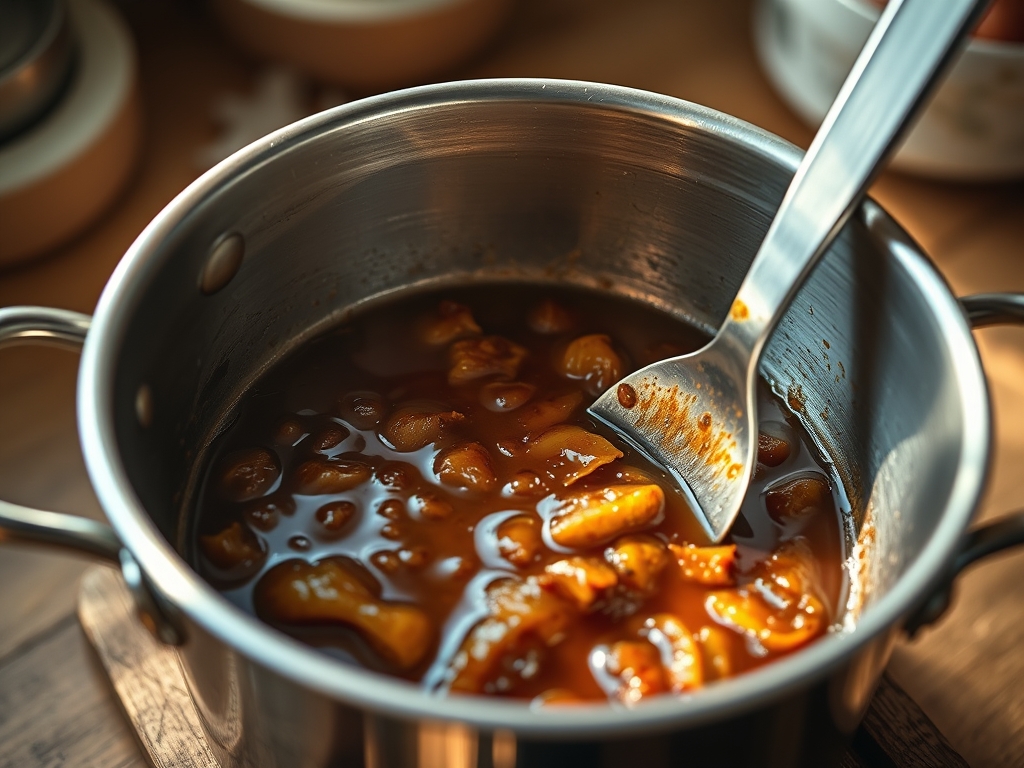
Referencing the Masterclass photo, your Colonial Pemmican should exhibit a deep, mahogany-brown hue with visible flecks of dark purple or red from the berries. If the mixture looks grey or pale, your meat was likely steamed rather than dehydrated, indicating poor airflow. If the fat appears white and waxy on the surface, it has cooled too quickly; a slow, room-temperature set ensures a more uniform, crystalline structure. If you see "weeping" fat at the edges, your ratio was too heavy on the lipids. The final texture should be firm and slightly tacky, resembling a dense fudge rather than a greasy slab.
THE DEEP DIVE
Macro Nutrition Profile:
Colonial Pemmican is a keto powerhouse. A 100g serving typically contains 550 to 600 calories, with roughly 70% of those calories coming from fat and 28% from protein. Carbohydrates are minimal, derived solely from the natural sugars in the dried berries.
Dietary Swaps:
- Vegan: Not traditionally possible while maintaining the name, but a "mock" version can be made using dehydrated mushrooms and coconut oil (though shelf stability at room temp is significantly reduced).
- Keto: Omit the berries entirely for a zero-carb "Warrior" version.
- GF: Naturally gluten-free as it contains no binders or grains.
Meal Prep & Reheating Science:
Pemmican is designed to be eaten cold or at room temperature. However, it can be crumbled into boiling water to create "Rubaboo," a thick, calorie-dense stew. Reheating the cake directly in a pan will cause the tallow to melt, effectively frying the meat fibers and berries in their own preservation medium. This deglazes the pan naturally, creating a piquant and rich gravy base.
THE KITCHEN TABLE
How long does Colonial Pemmican actually last?
When stored in a cool, dark, and dry environment, properly made pemmican can remain edible for decades. The rendered tallow acts as a complete oxygen barrier, preventing the oxidation and spoilage of the dehydrated protein fibers within the cake.
Can I use store-bought jerky instead of drying my own?
No. Store-bought jerky contains humectants like sugar and soy sauce which retain moisture. For true preservation, you need "bone-dry" meat. Commercial jerky will introduce water activity that leads to rapid spoilage when encased in fat.
Why are berries included in the recipe?
Berries provide essential Vitamin C, which prevented scurvy for long-distance travelers. Additionally, the natural acids in berries like cranberries act as a secondary preservative, slightly lowering the pH of the mixture to further inhibit bacterial growth.
What is the best way to store it once made?
Wrap the hardened cakes in wax paper and store them in an airtight container. While refrigeration isn't strictly necessary for safety, it will extend the flavor peak by preventing the fats from absorbing any ambient kitchen odors over time.