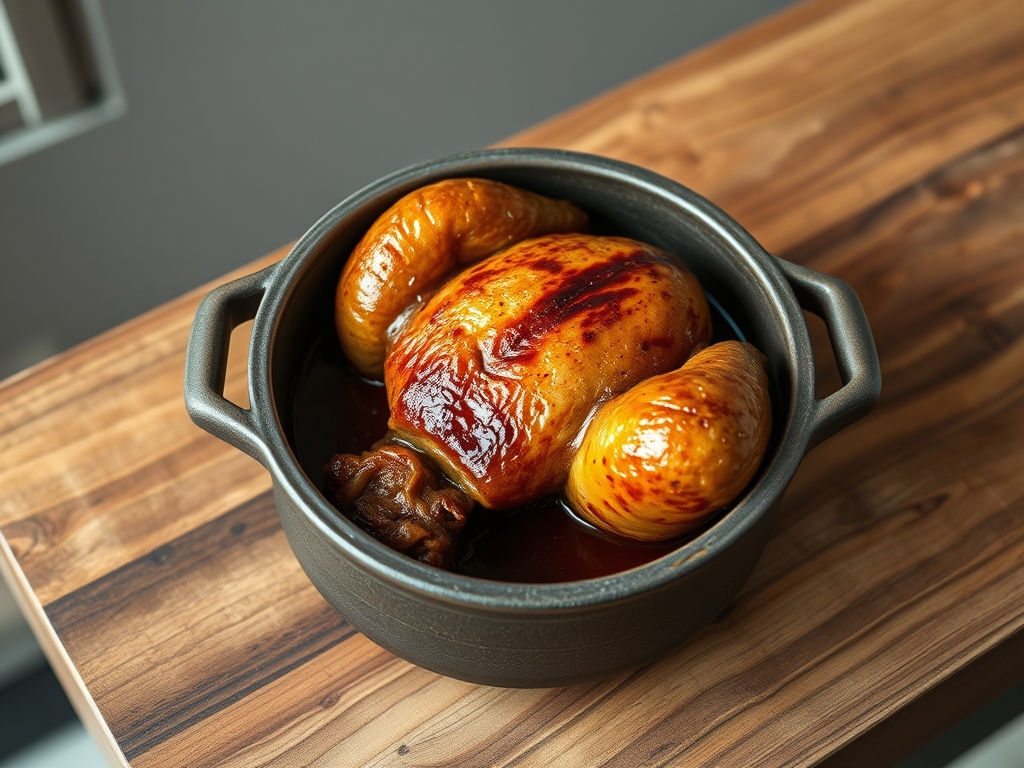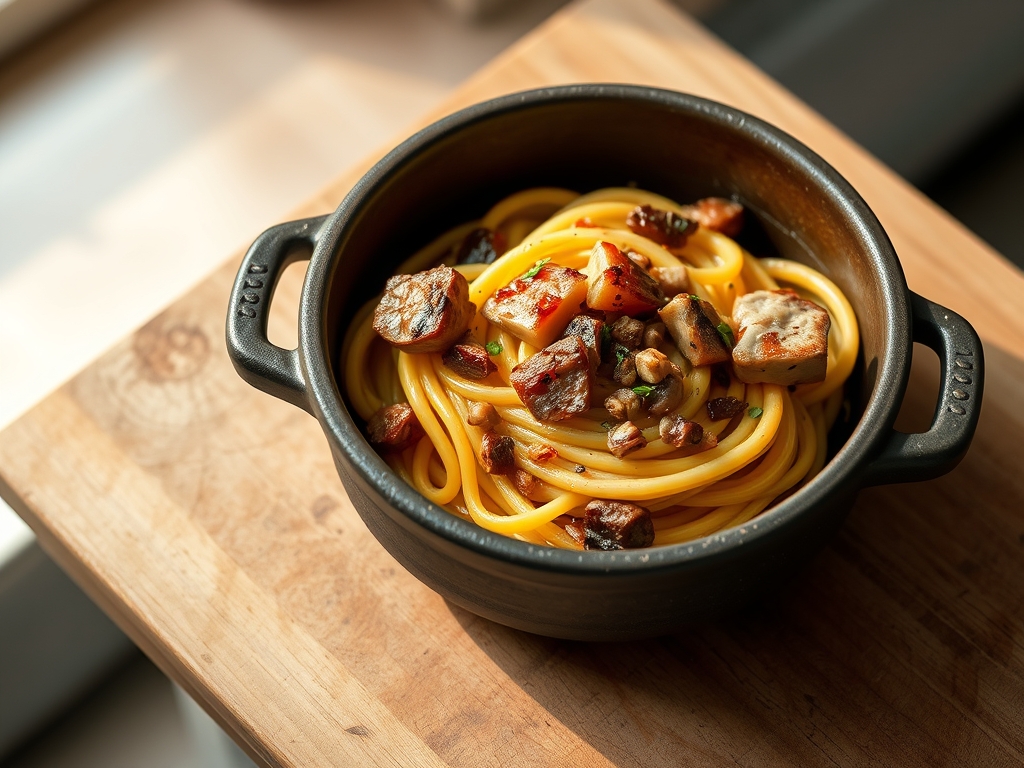
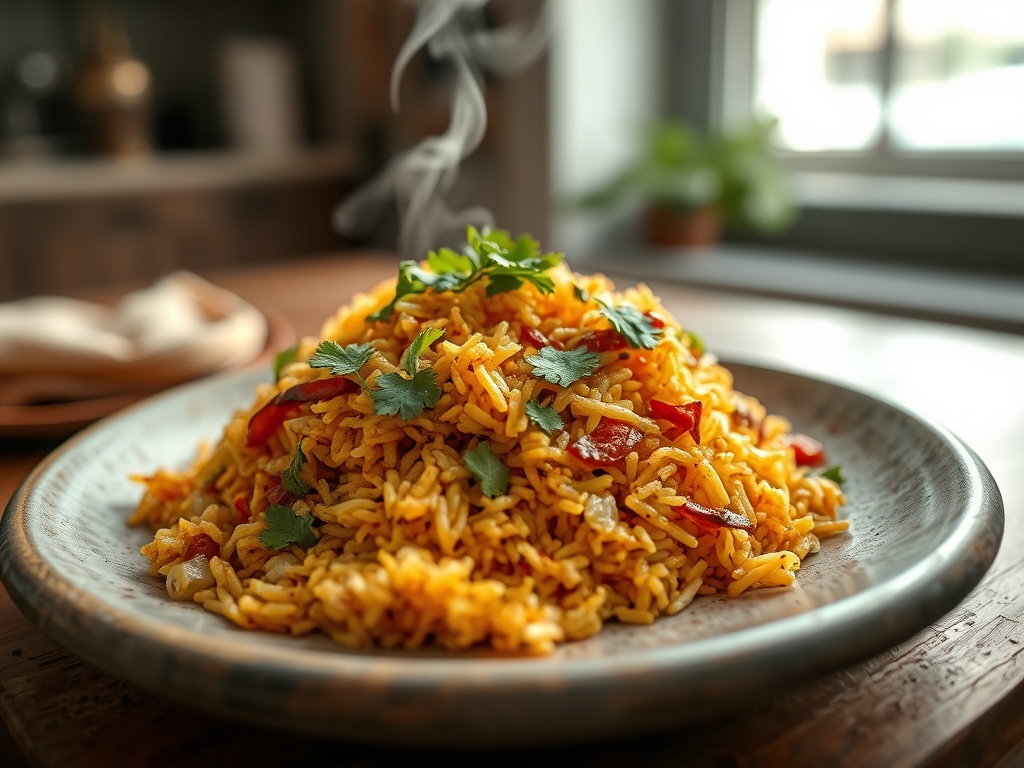
Forget everything you know about casual home cooking; we are entering the realm of high-stakes culinary architecture. We are talking about Mughal Biryani. This is not just a meal; it is a structural masterpiece of layered steam, precise thermal gradients, and the calculated deployment of aromatic compounds. Imagine the scent of aged Basmati rice colliding with the heavy, musk-like perfume of saffron and the sharp, piquant bite of mace. This is a dish that demands respect for the laws of thermodynamics. When you lift the heavy lid of a sealed handi, you are not just releasing steam; you are witnessing the final phase of a complex chemical reaction where fat-soluble flavors have been forced into the very heart of the grain. The meat must be tender enough to yield to a gentle pull, yet resilient enough to hold its form against the weight of the rice. We are building a monument of flavor, and like any great infrastructure project, it requires a blueprint, a rigorous audit of materials, and a fanatical devotion to timing.
THE DATA MATRIX
| Metric | Specification |
|---|---|
| Prep Time | 90 Minutes (Excluding Marination) |
| Execution Time | 60 Minutes |
| Yield | 6 Adult Servings |
| Complexity (1-10) | 9 (High Precision Required) |
| Estimated Cost per Serving | $8.50 – $12.00 (Premium Saffron/Meat) |
THE GATHERS
Ingredient Protocol:
- 1 kg / 2.2 lbs High-Quality Bone-in Goat or Lamb
- 750g / 3.75 cups Aged Long-Grain Basmati Rice
- 250ml / 1 cup Full-Fat Greek Yogurt
- 200g / 1 cup Ghee (Clarified Butter)
- 4 Large Onions (Thinly Sliced for Biryan)
- 50g / 3 tbsp Ginger-Garlic Paste
- 1g / 0.5 tsp Saffron Threads (Steeped in 60ml / 0.25 cup Warm Milk)
- 15ml / 1 tbsp Kewra Water (Pandanus Extract)
- Whole Spices: 4 Green Cardamom, 2 Black Cardamom, 1 Cinnamon Stick, 6 Cloves
- Powdered Spices: 2 tsp Kashmiri Red Chili, 1 tsp Turmeric, 2 tsp Garam Masala
Section A: Ingredient Quality Audit:
If your rice lacks the characteristic "pop" and individual grain separation, your starch content is likely too high. Aerate the grains by rinsing them at least five times until the water runs crystal clear. If your meat feels fibrous or dry, the pH balance of your marinade is off. Ensure you use full-fat yogurt; the lactic acid acts as a gentle denaturant, breaking down tough connective tissues without turning the protein into mush. If your saffron is dull or metallic, it is likely adulterated with safflower. Test it by dropping a strand into warm water; if it bleeds color instantly, it is fake. Real saffron releases its hue slowly, shifting from a pale yellow to a deep, viscous orange-gold.
THE MASTERCLASS
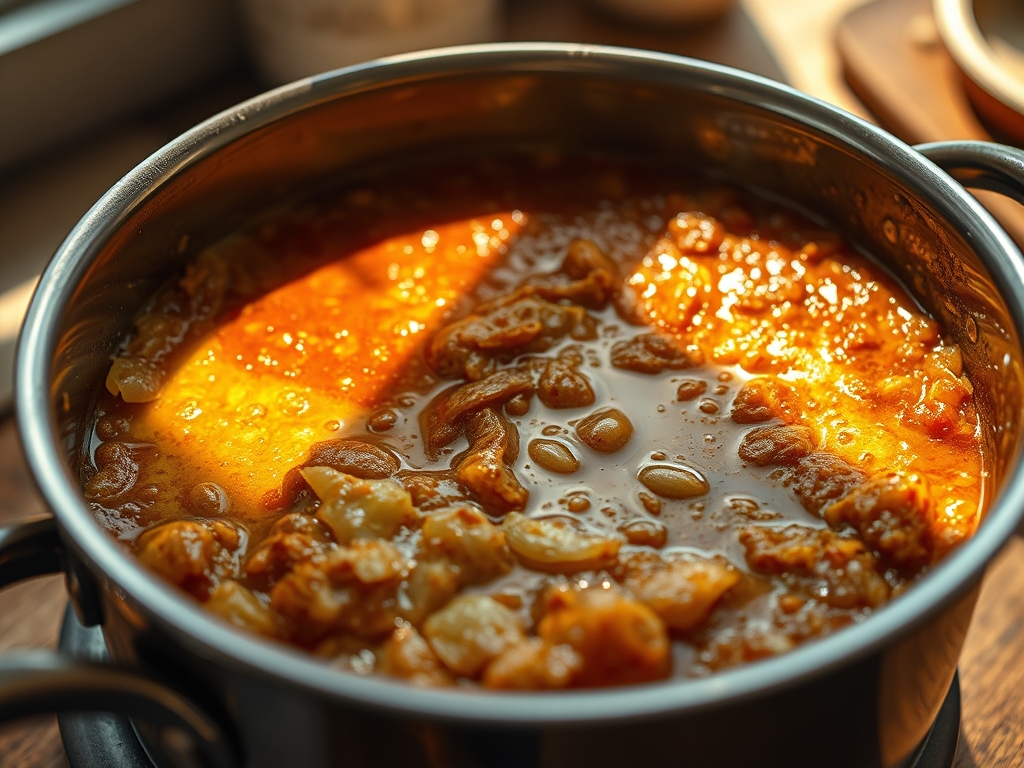
Step-by-Step Execution:
1. The Maillard Foundation
Begin by heating your ghee in a heavy-bottomed saucier or Dutch oven. Add the sliced onions and fry until they reach a deep, uniform mahogany. This is the "Biryan." Remove half for garnishing and leave the rest. Add the meat and sear on high heat to render the fat and initiate the Maillard reaction.
Pro Tip: Use a digital scale to ensure your onion-to-meat ratio is precise. Over-browning the onions leads to a bitter aftertaste that no amount of sugar can fix. The goal is caramelization, not carbonization.
2. The Proteolysis Phase
Whisk the yogurt, ginger-garlic paste, and powdered spices together before adding them to the meat. Lower the heat and allow the meat to braise in its own juices. This is where we infuse the core protein with fat-soluble aromatics. Cover and cook until the meat is 80% tender.
Pro Tip: Use a bench scraper to keep your workstation clean while prepping the aromatics. Maintaining a clean "mise en place" prevents cross-contamination of delicate spice profiles.
3. The Starch Hydration
In a separate large pot, boil water with whole spices and salt. Add the soaked rice. This is the most critical stage. You must parboil the rice until it is exactly 70% cooked. The grain should break when pressed but still have a firm, "al dente" core.
Pro Tip: The water should be as salty as the sea. Because the rice spends so little time in the water, it needs a high osmotic pressure to absorb seasoning into its internal structure.
4. The Structural Layering
Drain the rice and immediately begin layering. Start with a base of meat and its viscous gravy. Top with a thick layer of rice, followed by a drizzle of saffron milk, ghee, and the reserved fried onions. Repeat the layers. Seal the pot with a tight lid or a dough seal (Dum).
Pro Tip: Use a thermocouple probe if possible to monitor the internal steam temperature. You want the "Dum" environment to reach at least 90 degrees Celsius to ensure the final hydration of the rice grains.
5. The Thermal Equilibrium
Place the pot on a heavy "tava" or griddle over low heat. This prevents the bottom layer from scorching while allowing the steam to circulate through the vertical columns of rice. Let it rest for 20 minutes after turning off the heat to allow the moisture to redistribute.
Pro Tip: Do not open the lid prematurely. Every time you "peek," you lose the pressurized steam required to finish the top layer of rice, leading to uneven textures.
Section B: Prep & Timing Fault-Lines:
The biggest failure in Mughal Biryani is the "mush factor." This occurs when the rice is overcooked during the boiling phase or when too much liquid is left in the meat gravy. If you realize your rice is over-hydrated, spread it out on a flat tray and use a fan to quickly evaporate surface moisture before layering. If your meat is taking too long to tenderize, do not increase the heat; instead, add a small amount of raw papaya paste to accelerate the enzymatic breakdown of the muscle fibers.
THE VISUAL SPECTRUM
Section C: Thermal & Visual Troubleshooting:
Referencing the Masterclass photo, notice the distinct color separation. You should see three distinct shades: pure white, pale yellow, and deep saffron orange. If your biryani looks monochromatic, you stirred it too early. Never stir; use a flat spatula to "lift" the rice from the sides. If the meat looks grey rather than a rich brown, you failed to deglaze the pan properly during the initial searing phase. To fix a dull appearance, a final flash-fry of raisins and cashews in ghee can be added as a topical garnish to provide a high-gloss finish.
THE DEEP DIVE
Macro Nutrition Profile:
A standard serving contains approximately 650-800 calories. It is high in complex carbohydrates and protein, with a significant fat content derived from ghee and meat marrow. The glycemic index is moderated by the inclusion of fiber from the onions and the fermentation-derived acids in the yogurt.
Dietary Swaps:
- Vegan: Substitute meat with jackfruit or king oyster mushrooms; use coconut yogurt and avocado oil instead of ghee.
- Keto: Replace rice with riced cauliflower (though the "Dum" technique must be shortened to 5 minutes to prevent total disintegration).
- GF: Naturally gluten-free, provided your compounded asafoetida (if used) does not contain wheat flour.
Meal Prep & Reheating Science:
To maintain molecular structure, reheat in a steamer rather than a microwave. Microwaves vibrate water molecules aggressively, which can rupture the starch cell walls and make the rice gummy. A gentle steam bath re-hydrates the grains without compromising their structural integrity.
THE KITCHEN TABLE
Why is my rice breaking into small pieces?
You likely over-soaked the rice or stirred it too vigorously while boiling. Aged Basmati is fragile; handle it like fine crystal. Always use a wide pot to give the grains room to expand without colliding.
Can I use chicken instead of goat?
Yes, but chicken has less connective tissue and a lower thermal mass. Reduce the meat cooking time by 40% to prevent the protein from becoming stringy and dry during the final "Dum" steaming phase.
My Biryani smells "burnt" at the bottom. Help!
The bottom layer (the "Tah") is scorched. Do not stir the pot. Transfer the top 90% of the rice to a new vessel immediately. The scorched portion is lost, but the rest can be saved if moved quickly.
How do I get that restaurant-style aroma?
The secret is the "Attar" or edible perfume. A single drop of rose water or kewra water added during the layering stage creates a volatile aromatic cloud that defines the traditional Mughal sensory experience.