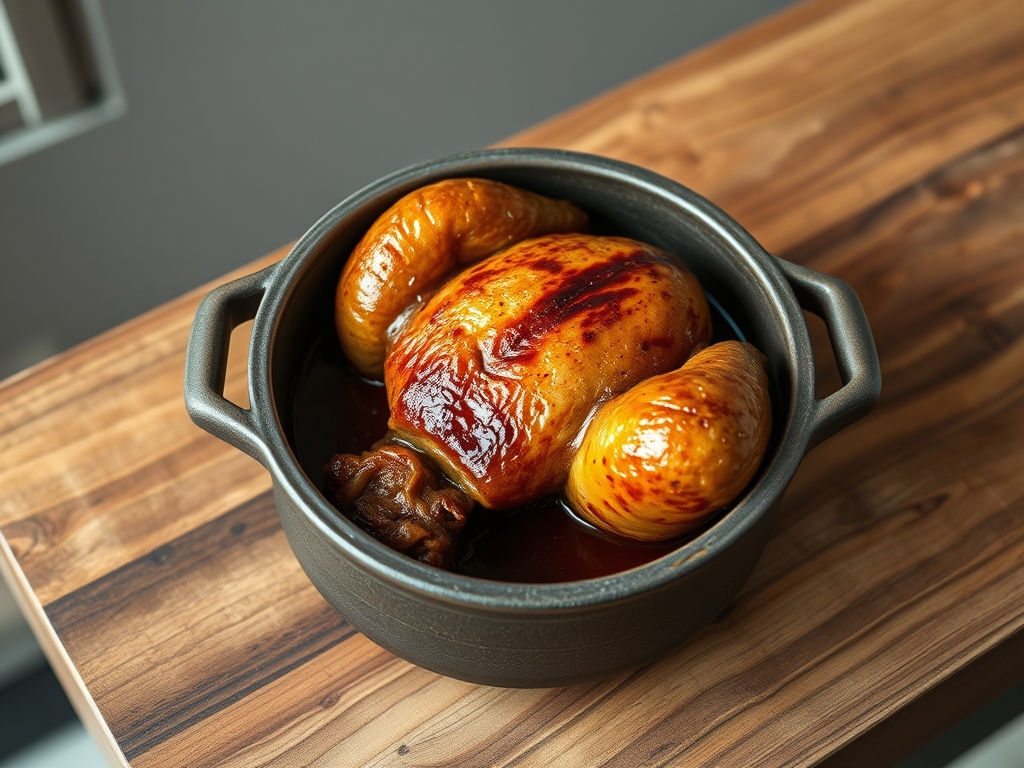
Forget the romantic notions of a Tuscan grandmother stirring a pot by candlelight. We are here to discuss the high stakes engineering of collagen denaturation and the systemic extraction of lipids from a femur. We are talking about Italian Osso Buco; a dish that is less of a recipe and more of a structural integrity test for your cookware. If you execute this correctly, you are not just making dinner. You are managing a multi-hour thermal transition that turns tough connective tissue into a viscous, velvet masterpiece. The goal is simple: total marrow surrender. You want that center bone to offer up its fatty treasures while the surrounding veal shank maintains its structural dignity until the exact moment it meets the fork. This is a game of heat management, acid balance, and patience. We are looking for a deep, mahogany crust and a sauce so rich it threatens to coat your teeth in pure umami. Strap in, check your calibration, and prepare for a masterclass in braising infrastructure.
THE DATA MATRIX
| Metric | Specification |
|---|---|
| Prep Time | 45 Minutes |
| Execution Time | 3.5 Hours |
| Yield | 4 Servings |
| Complexity | 7/10 |
| Estimated Cost per Serving | $18.50 – $24.00 |
THE GATHERS
Ingredient Protocol:
- 4 Center-cut Veal Shanks (approx. 1.2kg / 2.6 lbs)
- 60ml / 4 tbsp All-purpose flour (for dredging)
- 45ml / 3 tbsp High-smoke point oil or Grapeseed oil
- 30g / 2 tbsp Unsalted butter
- 150g / 1 cup Yellow onion, finely diced
- 100g / 0.75 cup Carrots, small dice
- 100g / 0.75 cup Celery, small dice
- 30g / 2 tbsp Tomato paste (double concentrated)
- 250ml / 1 cup Dry white wine (Pinot Grigio or Gavi)
- 500ml / 2 cups Veal or beef bone stock (highly gelatinous)
- 2 Bay leaves and 3 sprigs of fresh Thyme
- For Gremolata: 1 bunch Flat-leaf parsley, 2 Garlic cloves, 1 Lemon (zested)
Section A: Ingredient Quality Audit:
The primary failure point in Italian Osso Buco is the shank selection. If the butcher provides end-cuts, the bone-to-meat ratio is skewed and the marrow cavity is too small. Demand center-cuts. If your veal is pale and watery, it likely has high moisture retention from poor processing; pat it dry with surgical precision or the Maillard reaction will fail. If your stock is store-bought and thin, it lacks the necessary protein structure to create a viscous sauce. The technical fix: whisk in 5g of unflavored gelatin per 250ml of stock to simulate the mouthfeel of a professional-grade reduction. Finally, ensure your wine is crisp and acidic. A flabby, oaky Chardonnay will ruin the piquant balance of the braise.
THE MASTERCLASS
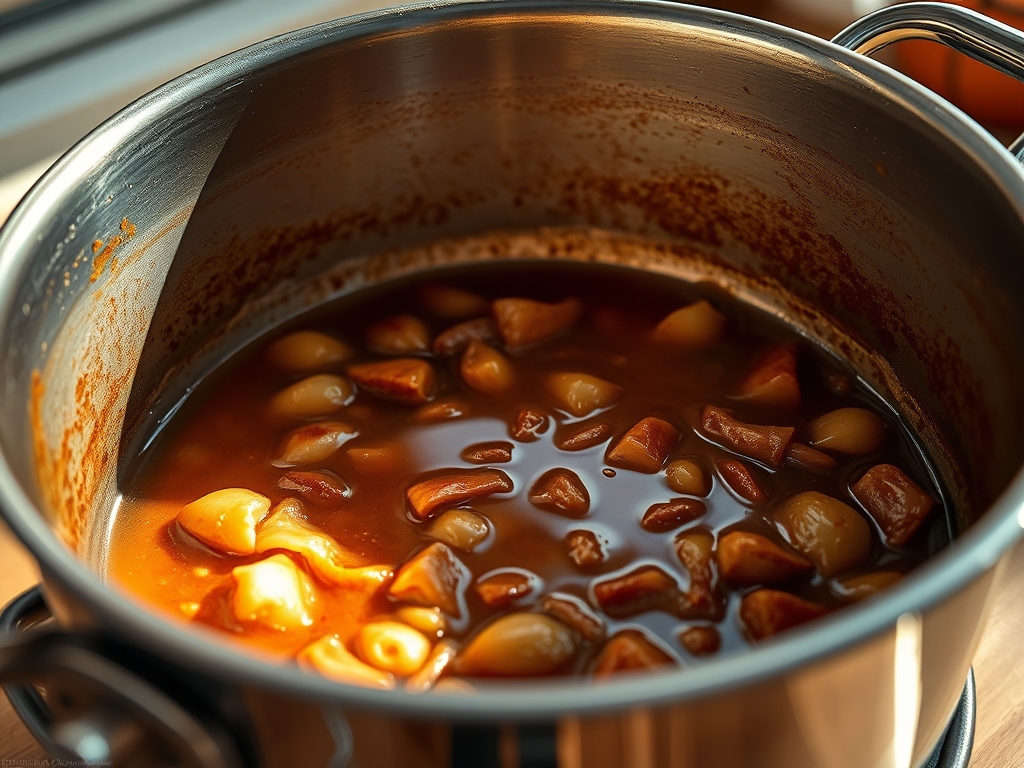
1. Structural Reinforcement and Seasoning
Secure each shank with butcher's twine around the circumference. This prevents the meat from detaching from the bone as the collagen melts. Season aggressively with kosher salt and black pepper using a digital scale to ensure a 1.5 percent salt-to-weight ratio. Dredge lightly in flour, shaking off every milligram of excess.
Pro Tip: The flour coating is not just for browning; it acts as a primary thickener for the sauce. Use a bench scraper to clean your workstation immediately after dredging to prevent gluten-paste buildup.
2. The Maillard Initiation
Heat your oil in a heavy-bottomed Dutch oven or a wide saucier until it reaches 190C (375F). Sear the shanks until a deep, recursive crust forms on all sides. Do not crowd the pan. If the temperature drops, you are boiling meat, not searing it. Remove the shanks and set them aside on a wire rack.
Pro Tip: This browning creates melanoidins, which provide the foundational flavor profile. Use an infrared thermometer to verify surface tension heat before adding the meat to ensure instant protein sequestration.
3. Aromatics and the Fond Extraction
Reduce heat to medium. Add butter, then the mirepoix (onions, carrots, celery). Sauté until the onions are translucent and the moisture has evaporated. Add the tomato paste and cook for 3 minutes until it turns a rusty brick color. This is "pincé," which removes the raw metallic taste of the paste.
Pro Tip: Use a flat-edged wooden spatula to scrape the bottom of the pan. The "fond" (the brown bits) contains concentrated flavor that must be integrated into the vegetable base.
4. Deglaze and Liquid Integration
Pour in the white wine to deglaze the pan. Increase the heat and reduce the liquid by half. This burns off the harsh ethanol while concentrating the tartaric acid. Add the stock and herbs, then return the shanks to the vessel. The liquid should reach halfway up the sides of the meat.
Pro Tip: Never submerge the meat entirely. A braise is a combination of simmering and steaming. Total immersion results in "pot roast" texture rather than the refined silkiness of a true Italian Osso Buco.
5. The Thermal Descent
Cover with a tight-fitting lid and place in a 150C (300F) oven. Low and slow is the mandate. Check the shanks every hour. The process is complete when the meat offers zero resistance to a probe but has not yet collapsed into a pile of shredded fibers. This usually occurs at the 2.5 to 3-hour mark.
Pro Tip: Use a digital probe thermometer to monitor the internal temperature of the braising liquid. It should hover consistently between 88C and 95C (190F-203F) for optimal collagen conversion.
Section B: Prep & Timing Fault-Lines:
The most common human error is the "rushed boil." If you increase the heat to finish faster, the muscle fibers will contract and squeeze out all moisture, resulting in dry, stringy meat despite being surrounded by liquid. If your timing is off and the guests are late, do not keep the pot on the heat. Remove the shanks from the liquid to prevent overcooking and keep them warm in a separate covered dish; reduce the sauce independently to maintain control over the viscosity.
THE VISUAL SPECTRUM
Section C: Thermal & Visual Troubleshooting:
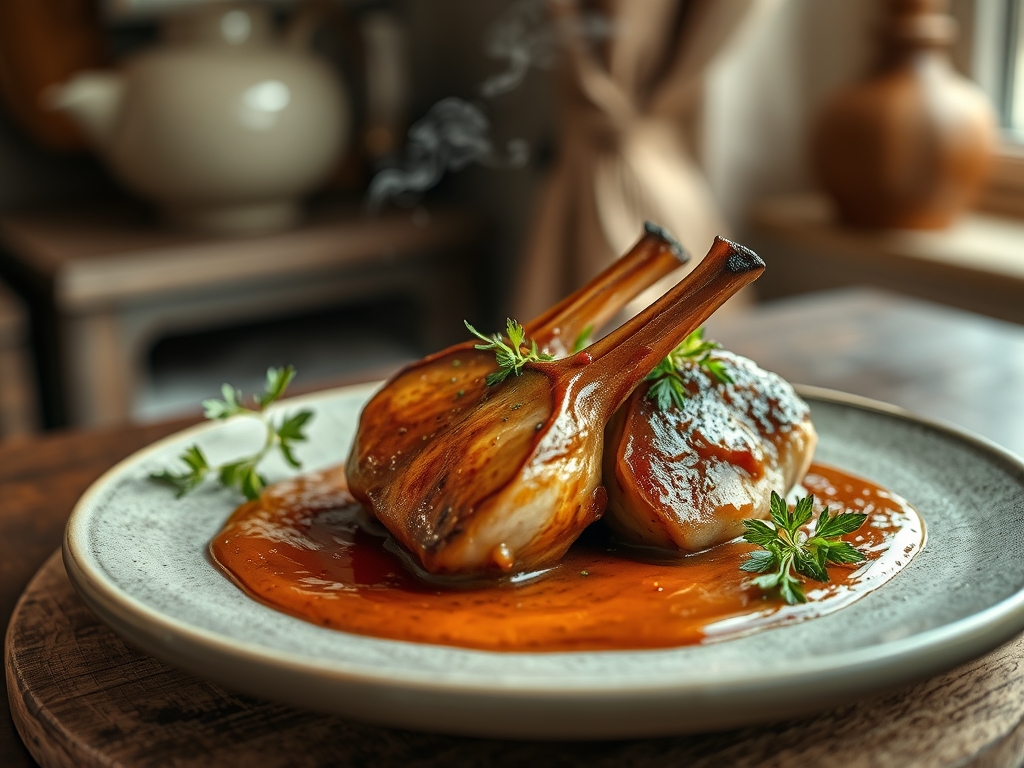
Referencing the Masterclass photo, your final product should exhibit a vibrant, glossy sheen. If the sauce looks dull or "flat," the emulsion has likely broken or the pH is too high. A splash of fresh lemon juice or a teaspoon of cold butter whisked in at the end (monter au beurre) will restore the luster. If the shanks look grey rather than mahogany, your initial sear was insufficient. If the vegetables have vanished, they were cut too small or over-processed; next time, ensure a consistent 5mm dice. The gremolata (parsley, garlic, lemon zest) must be added at the literal second of service to provide a neon-green visual contrast against the deep browns of the veal.
THE DEEP DIVE
Macro Nutrition Profile:
Per serving, expect approximately 450 calories; 35g Protein, 28g Fat, and 12g Carbohydrates. The high gelatin content provides significant amino acids like glycine and proline, which are essential for connective tissue health in the consumer.
Dietary Swaps:
- Vegan: Replace veal with thick-cut cauliflower steaks or king oyster mushrooms. Use vegetable demi-glace and coconut aminos for umami depth.
- Keto: Eliminate the flour dredge and the carrots. Use xanthan gum (0.5 tsp) to thicken the sauce if necessary.
- GF: Swap all-purpose flour for rice flour or potato starch to achieve the same Maillard effect.
Meal Prep & Reheating Science:
Italian Osso Buco is molecularly superior on day two. As it cools, the gelatin sets into a semi-solid matrix that traps aromatics. To reheat, do not use a microwave; the uneven radiation will toughen the proteins. Instead, warm it gently in a covered pan with a splash of water or stock to aerate the sauce and restore its fluid dynamics.
THE KITCHEN TABLE
Why is my marrow gone?
You likely over-braised or used a high-pressure environment. If the marrow liquefies completely and escapes into the sauce, the temperature was too high. Keep the braise at a gentle simmer to preserve the structural integrity of the lipids.
Can I use red wine instead?
While technically possible, red wine contains tannins that can become bitter and overpowering during a long reduction. White wine provides the necessary acidity to cut through the heavy fat of the veal without clashing with the delicate meat flavor.
What is the best vessel for this?
A heavy enameled cast iron Dutch oven is the gold standard. It provides superior heat retention and even distribution, preventing "hot spots" that could scorch the bottom of your sauce during the three-hour thermal cycle.
How do I fix a salty sauce?
If the reduction becomes too salty, do not add water, which ruins the body. Instead, add a peeled, halved potato for the last 20 minutes to absorb excess sodium, or balance the salt with a touch of honey or balsamic vinegar.