The air in a high-performance kitchen does not just carry scent; it carries a topographical map of flavor. When you introduce Ethiopian Berbere into a hot pan, you are not merely cooking. You are initiating a violent, beautiful chemical sequence that bridges the gap between the Horn of Africa and your palate. The aroma is immediate and aggressive. It is a piquant cloud of sun-dried chiles, ginger, and the medicinal hum of korarima. This is the backbone of the Ethiopian flavor profile; a complex, multi-dimensional spice blend that demands respect and precision. To the uninitiated, it is heat. To the auditor, it is a masterclass in the synergy of capsicum and aromatic resins. We are looking for a specific depth of color, a deep, bruised crimson that suggests a long, slow toast and a perfect ratio of sweet to savory notes. If your kitchen does not smell like a tectonic shift of earth and fire within thirty seconds, your calibration is off. Let us fix that immediately.
THE DATA MATRIX
| Metric | Specification |
|---|---|
| Prep Time | 20 Minutes |
| Execution Time | 45 Minutes |
| Yield | 500g / 2 Cups |
| Complexity | 7/10 |
| Estimated Cost per Serving | $0.45 USD |
THE GATHERS
Ingredient Protocol:
- 150g / 1.5 cups Dried New Mexico or Guajillo chiles (de-seeded)
- 25g / 0.25 cups Dried de Arbol chiles (for high-octane heat)
- 10g / 2 tbsp Whole black peppercorns
- 5g / 1 tbsp Whole allspice berries
- 3g / 1 tsp Whole cloves
- 15g / 3 tbsp Ground ginger
- 10g / 2 tbsp Ground cinnamon
- 8g / 1.5 tbsp Ground coriander
- 12g / 2.5 tbsp Salt (Kosher or sea salt)
- 5g / 1 tsp Ground fenugreek seeds
- 4g / 1 tsp Ground nutmeg
- 4g / 1 tsp Ground cardamom (preferably korarima if available)
Section A: Ingredient Quality Audit:
The most common failure in Ethiopian Berbere production is the use of oxidized, pre-ground spices. If your cumin smells like dust rather than musk, your final product will lack the necessary resonance. Technical Fix: Always source whole seeds and pods. If your dried chiles are brittle and snap like glass, they have lost their essential oils. You want chiles that are pliable, resembling fruit leather. If you find yourself with sub-par chiles, flash-hydrate them in 80C water for three minutes before draining and drying them in a low-moisture environment to restore a fraction of their volatile compounds. Furthermore, ensure your fenugreek is not bitter. If it tastes like burnt maple, it was over-toasted at the source.
THE MASTERCLASS
1. The Desiccated Toasting Phase
Place your whole chiles, peppercorns, allspice, and cloves into a heavy-bottomed saucier or cast-iron skillet. Set the heat to medium-low. You are looking to infuse the air with the first wave of capsaicin without scorching the delicate skins of the peppers. Use a bench scraper or wooden spatula to keep the spices in constant motion.
Pro Tip: This stage utilizes dry heat to trigger the Maillard reaction within the spice seeds, converting simple sugars into complex, savory flavor molecules. Use an infrared thermometer to ensure the pan surface stays between 150C and 165C to avoid acridity.
2. Precision Milling
Transfer the toasted whole spices to a high-speed spice grinder or a heavy-duty blender. Pulse until the mixture reaches a fine, uniform powder. Use a digital scale to verify the weight of your milled product before adding the pre-ground ingredients like ginger and cinnamon.
Pro Tip: Milling creates friction, which generates heat. Work in short bursts to prevent the spice oils from reaching their smoke point inside the grinder, which would result in a dull, muted flavor profile.
3. The Aromatic Integration
Add the ground ginger, cinnamon, coriander, salt, fenugreek, nutmeg, and cardamom to the milled chile base. Return the entire mixture to the saucier on the lowest possible heat setting for exactly two minutes. This is not for cooking, but for molecular bonding.
Pro Tip: This "tempering" phase allows the different densities of the spices to settle and ensures the salt acts as a desiccant, pulling any remaining moisture from the ground ginger and cinnamon to prevent clumping during storage.
4. Aeration and Cooling
Spread the finished Ethiopian Berbere onto a stainless steel baking sheet in a thin, even layer. Allow it to aerate and cool to room temperature before transferring it to an airtight glass container.
Pro Tip: Never bottle hot spices. Residual thermal energy will create condensation inside the jar, leading to mold growth and the degradation of the piquant compounds that give the blend its signature kick.
Section B: Prep & Timing Fault-Lines:
Timing is the silent killer of spice blends. If you toast your spices for 120 seconds too long, the fenugreek will turn the entire batch into a bitter, inedible mess. Technical Fix: Use a digital timer. If you smell smoke, you have already lost the battle. If the color shifts from vibrant red to a dark, muddy brown, the sugars have carbonized. Temperature control is equally vital. If your kitchen is over 25C, the volatile oils in the cardamom and cloves will evaporate before they ever hit the jar. Work in a cool, well-ventilated space.
THE VISUAL SPECTRUM
Section C: Thermal & Visual Troubleshooting:
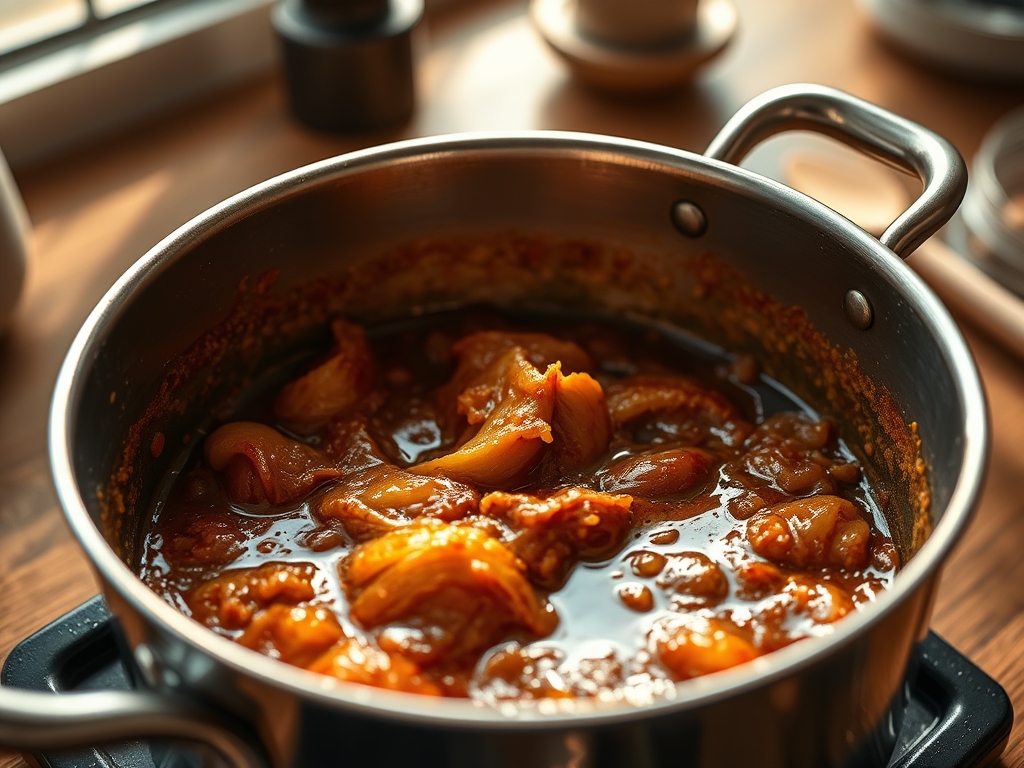
Referencing the Masterclass photo, your Berbere should exhibit a rich, saturated terracotta hue. If your blend looks pale or orange, you have likely over-indexed on coriander or used low-quality, dusty chiles. If the texture appears clumpy rather than free-flowing, your salt ratio is off or you bottled the mixture while it was still emitting thermal energy.
Uneven Browning: This occurs when the pan is crowded. Ensure spices are in a single layer to allow for even heat distribution.
Dull Colors: This is a sign of oxidation. If your spices look like they belong in a museum rather than a kitchen, they are too old. Freshly ground spices should have a slight "sheen" from the released oils.
Incorrect Texture: If the grind is too coarse, it will not infuse properly into stews like Doro Wat. It should be fine enough to pass through a fine-mesh sieve.
THE DEEP DIVE
Macro Nutrition Profile
Per 10g serving:
- Calories: 35
- Fats: 1.2g (primarily unsaturated oils from seeds)
- Carbohydrates: 6g (fiber-heavy)
- Protein: 1.1g
- Sodium: 480mg (adjustable based on salt protocol)
Dietary Swaps
- Vegan/Keto/GF: This blend is naturally compliant with all three. To enhance a Keto profile, toast the spices in a teaspoon of clarified butter (Ghee/Niter Kibbeh) before grinding to increase healthy fat delivery.
- Nightshade-Free: For those avoiding chiles, a blend of toasted beet powder, black pepper, and extra ginger can mimic the visual and some of the thermal properties, though the "heat" will be fundamentally different.
Meal Prep & Reheating Science
Berbere is a stable compound, but its molecular structure is sensitive to light and oxygen. Store in cobalt or amber glass to block UV rays. When reheating dishes containing Berbere, avoid the microwave. The uneven electromagnetic waves can cause "hot spots" where the spice oils scorch, changing the flavor from piquant to metallic. Reheat slowly on a stovetop, adding a splash of water or broth to deglaze the pan and re-emulsify the spice oils into the sauce.
THE KITCHEN TABLE
How long does Berbere stay potent?
In an airtight container away from light, it maintains peak integrity for three months. After that, the volatile oils begin to dissipate; the heat remains, but the floral and citrus notes will vanish into the ether.
Can I use fresh ginger instead of ground?
Not for the dry spice blend. Fresh ginger introduces moisture which triggers spoilage. If you want the zing of fresh ginger, add it directly to the saucier during the final cooking stage of your specific dish.
Why is my Berbere so much hotter than the store-bought version?
Commercial blends often use fillers like extra salt or low-grade paprika to bulk the volume. Your audit-grade version uses pure capsicum sources. To reduce heat, swap the de Arbol chiles for more mild Guajillos.
What is the best way to clean my grinder afterward?
Grind a quarter cup of dry white rice. The rice starch will absorb the residual oils and capsaicin, preventing your next batch of coffee or vanilla sugar from tasting like a volcanic eruption.