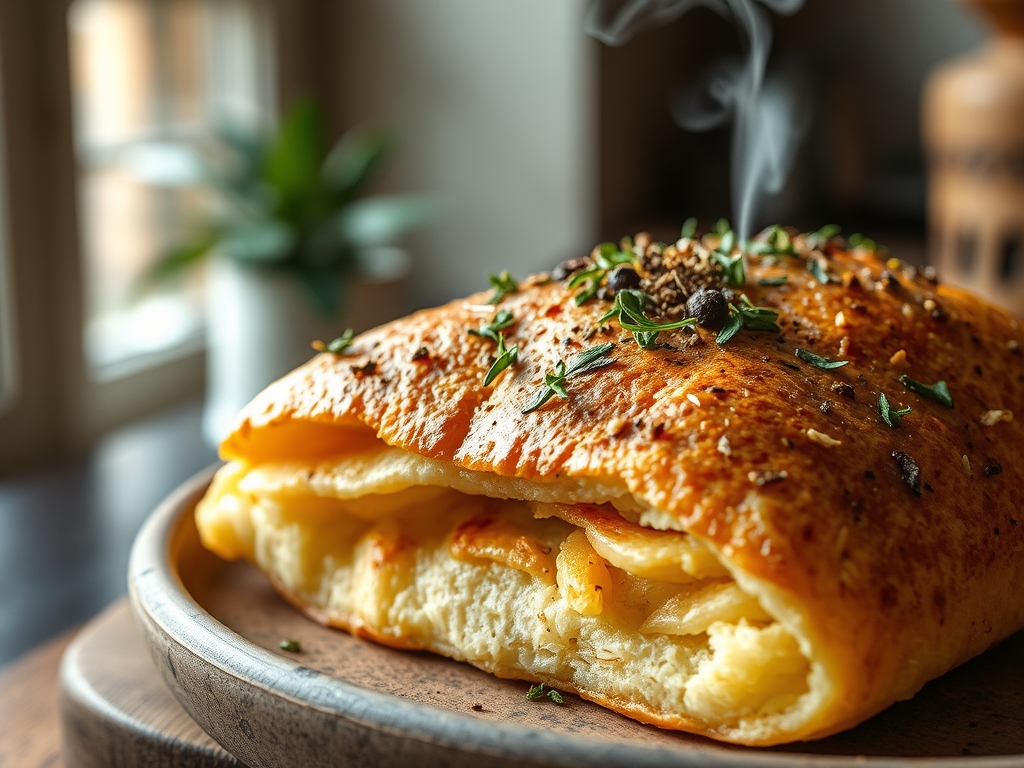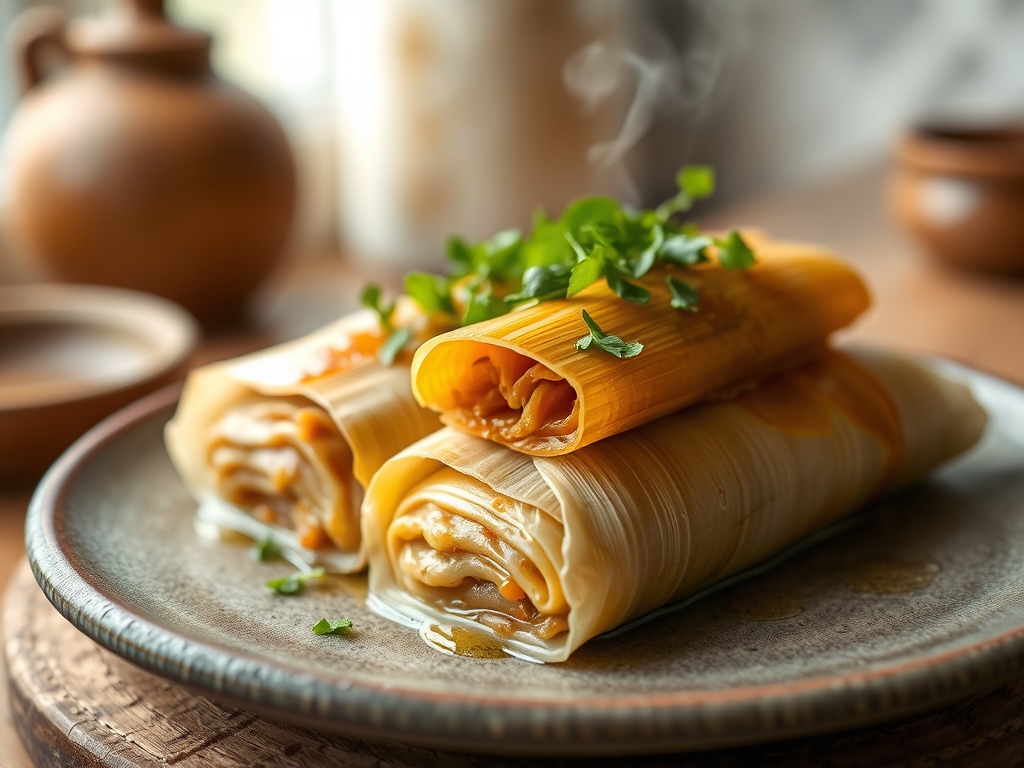
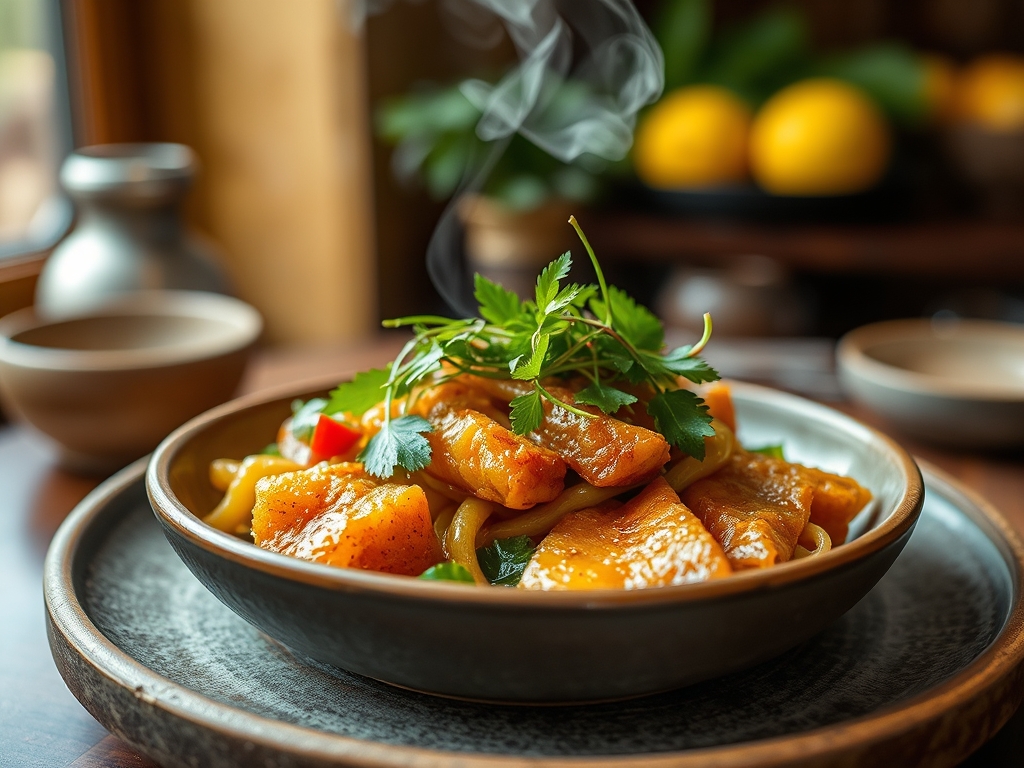
The sizzle of a cast-iron skillet hitting a tabletop burner is the opening chord of a culinary symphony that defines the streets of Hanoi. We are not just talking about a meal; we are discussing Vietnamese Cha Ca, a dish so legendary it has an entire street named in its honor. Imagine firm nuggets of white fish, stained a vibrant neon gold by fresh turmeric and marinated in a pungent, fermented slurry of galangal and shrimp paste. As the fish hits the shimmering oil, the air fills with a piquant cloud of aromatics that demands immediate attention. This is a high-octane sensory experience where the infrastructure of the dish relies on the frantic, tableside addition of massive quantities of fresh dill and scallions. The greens wilt in seconds, absorbing the rendered fats and turmeric oils to create a forest-green nest for the protein. It is a masterclass in texture and temperature contrast, served alongside cool rice vermicelli, crunchy roasted peanuts, and a fermented pineapple dipping sauce that cuts through the richness like a laser.
THE DATA MATRIX
| Metric | Specification |
|---|---|
| Prep Time | 45 Minutes (plus 2-hour marinade) |
| Execution Time | 15 Minutes |
| Yield | 4 Servings |
| Complexity | 7 / 10 |
| Estimated Cost per Serving | $8.50 – $12.00 USD |
THE GATHERS
Ingredient Protocol:
- Protein: 800g / 1.75 lbs Firm White Fish (Snakehead, Catfish, or Halibut), cubed.
- The Gold: 50g / 3.5 tbsp Fresh Turmeric Root, finely grated.
- The Pungent Base: 30g / 2 tbsp Galangal, minced into a fine paste.
- The Ferment: 15ml / 1 tbsp Mam Nem (Fermented Shrimp Paste).
- The Acid: 30ml / 2 tbsp Fresh Lime Juice.
- The Fat: 60ml / 4 tbsp Neutral Oil or Rendered Pork Fat.
- The Forest: 200g / 4 cups Fresh Dill, roughly chopped (stems included).
- The Allium: 150g / 2 cups Scallions, cut into 3-inch batons.
- The Base: 400g / 14 oz Dried Rice Vermicelli, rehydrated.
- The Crunch: 50g / 0.5 cup Roasted Peanuts, crushed.
Section A: Ingredient Quality Audit:
The most common failure point in Vietnamese Cha Ca is the selection of fish. If you choose a delicate flake fish like Cod, it will disintegrate into a mushy slurry the moment it hits the pan. You require a dense muscular structure to withstand the high-heat sear. If your fish feels soft, brine it in a 5% salt solution for 20 minutes to tighten the protein fibers before marinating. Another audit risk is "dead" turmeric. If your turmeric powder is dull brown rather than vibrant orange, the dish will look muddy. Technical fix: Bloom the spices in warm oil for 30 seconds before adding to the marinade to reactivate the fat-soluble curcumin.
THE MASTERCLASS
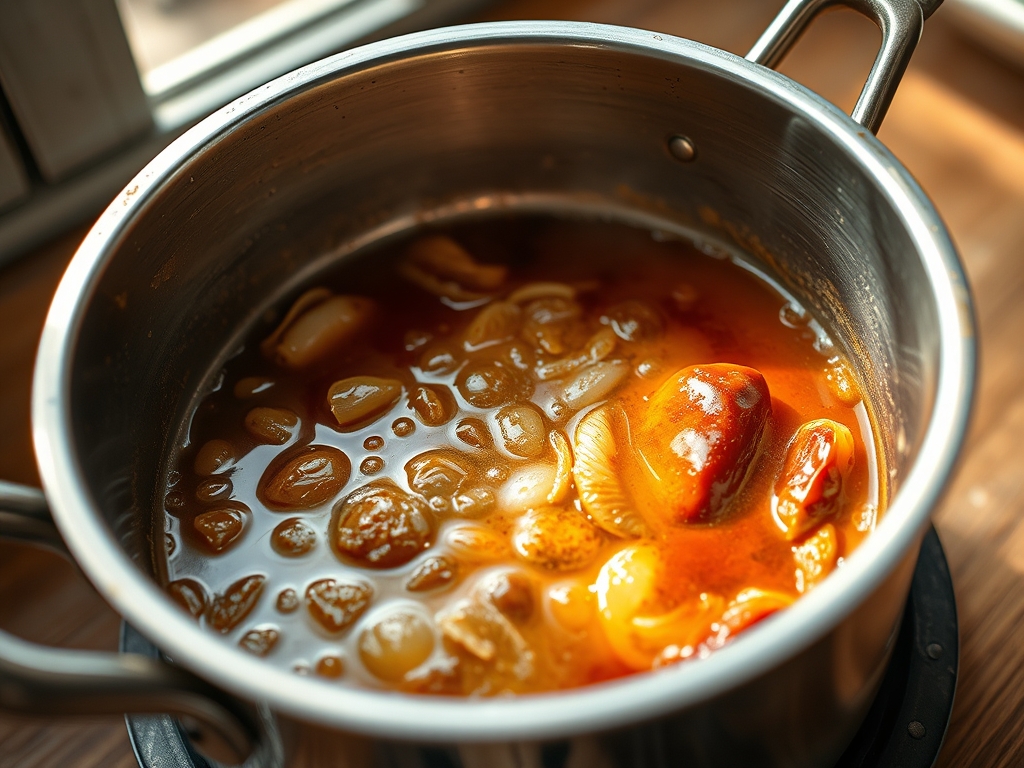
Step-by-Step Execution:
1. The Molecular Marinade
Combine the grated turmeric, galangal, shrimp paste, and lime juice in a small bowl. Use a digital scale to ensure the shrimp paste does not overwhelm the delicate aromatics. Massage this mixture into the fish cubes until every surface is coated in a viscous, golden film.
Pro Tip: The lime juice acts as a denaturant; it begins to "cook" the exterior of the fish. Do not exceed a 4-hour marinade time or the texture will become chalky as the acid breaks down the connective tissues.
2. The Initial Sear
Heat a heavy-bottomed saucier or cast-iron skillet over medium-high heat. Add the pork fat or oil. Once the oil begins to shimmer (approximately 190C / 375F), add the fish in a single layer. Do not crowd the pan; use a bench scraper to move the fish gently if they stick.
Pro Tip: This stage is about the Maillard reaction. You want a crust to form on the turmeric-stained exterior to seal in moisture before the final tableside assembly.
3. The Dill Inundation
Once the fish is 80% cooked and golden-brown, drop the heat to medium. Dump the entire mountain of dill and scallions directly on top of the fish. The volume of greens should look excessive; they will reduce by 75% within sixty seconds.
Pro Tip: The dill acts as a thermal insulator. It traps the steam rising from the fish, finishing the internal cook while the leaves infuse the oil with their essential anisey oils.
4. The Emulsified Sauce (Mam Tom)
In a separate small bowl, whisk the shrimp paste with sugar, lime juice, and a splash of hot oil from the pan. Use a small whisk to aerate the mixture until it becomes frothy and lightens in color.
Pro Tip: The frothing process mellows the aggressive salinity of the fermented paste, creating a sophisticated, savory dip that complements the earthy turmeric.
Section B: Prep & Timing Fault-Lines:
The primary human error in this workflow is "The Cold Noodle Crisis." If the rice vermicelli is not prepped and room temperature before the fish hits the pan, the dish fails. The fish must be eaten at its thermal peak. If your timing is off, keep the noodles in a warm water bath and drain them using a perforated spider just before serving. Another fault-line is temperature drop. If you add too many cold greens at once to a thin pan, the temperature will plummet, causing the fish to boil in its own juices rather than sear. Use cast iron for its superior thermal mass.
THE VISUAL SPECTRUM
Section C: Thermal & Visual Troubleshooting:
Referencing the Masterclass photo, the fish should exhibit a "charred gold" hue. If your fish looks pale or yellow-grey, your pan temperature was too low, preventing the caramelization of the sugars in the galangal. If the dill turns dark brown or black, you have overcooked the aromatics; they should remain a vibrant, oily emerald. Visual cues for perfect execution include a glistening sheen on the scallions and a slight "bounce" to the fish when pressed with a finger. If the oil in the pan looks "broken" or curdled, it is likely due to excess moisture from the fish. Pat the protein bone-dry with paper towels before the marinade stage to ensure a clean, viscous oil finish.
THE DEEP DIVE
- Macro Nutrition Profile: This dish is a high-protein, moderate-fat powerhouse. A standard serving contains approximately 35g Protein, 18g Fat (mostly unsaturated if using vegetable oil), and 45g Carbohydrates from the rice noodles. It is exceptionally high in Manganese and Vitamin K due to the massive dill volume.
- Dietary Swaps:
- Vegan: Substitute the fish for extra-firm pressed tofu or king oyster mushroom scallops. Use a fermented bean paste (Miso) instead of shrimp paste.
- Keto: Replace rice vermicelli with shirataki noodles or a bed of sautéed bean sprouts.
- GF: The dish is naturally gluten-free; however, always audit your shrimp paste labels for hidden wheat thickeners.
- Meal Prep & Reheating Science: Fish is notoriously difficult to reheat without losing its molecular structure. To preserve the integrity of Cha Ca, store the fish and greens separately from the noodles. Reheat the fish in a dry pan over medium heat to recrisp the exterior; never use a microwave, which will turn the fish rubbery and the dill into a soggy mess.
THE KITCHEN TABLE
Why does my shrimp paste smell so aggressive?
Fermented shrimp paste is naturally pungent due to the breakdown of proteins into amino acids. When whisked with lime juice and sugar, the volatile aromatic compounds are neutralized, resulting in a savory, umami-rich profile rather than a fishy one.
Can I use dried dill instead of fresh?
Absolutely not. The infrastructure of Vietnamese Cha Ca relies on the physical bulk and moisture content of fresh dill to create the "nest" for the fish. Dried dill lacks the volume and will simply burn in the hot oil.
What is the best substitute for galangal?
While ginger is a relative, it lacks the piney, citrusy notes of galangal. If you cannot find fresh galangal, use a 50/50 mix of fresh ginger and a squeeze of extra lime zest to mimic the sharp, woody complexity.
Why is my fish sticking to the cast iron?
This usually indicates the pan was not sufficiently preheated or the fish was moved too early. Wait for the protein to naturally release from the surface through the formation of a seared crust before attempting to flip or toss.