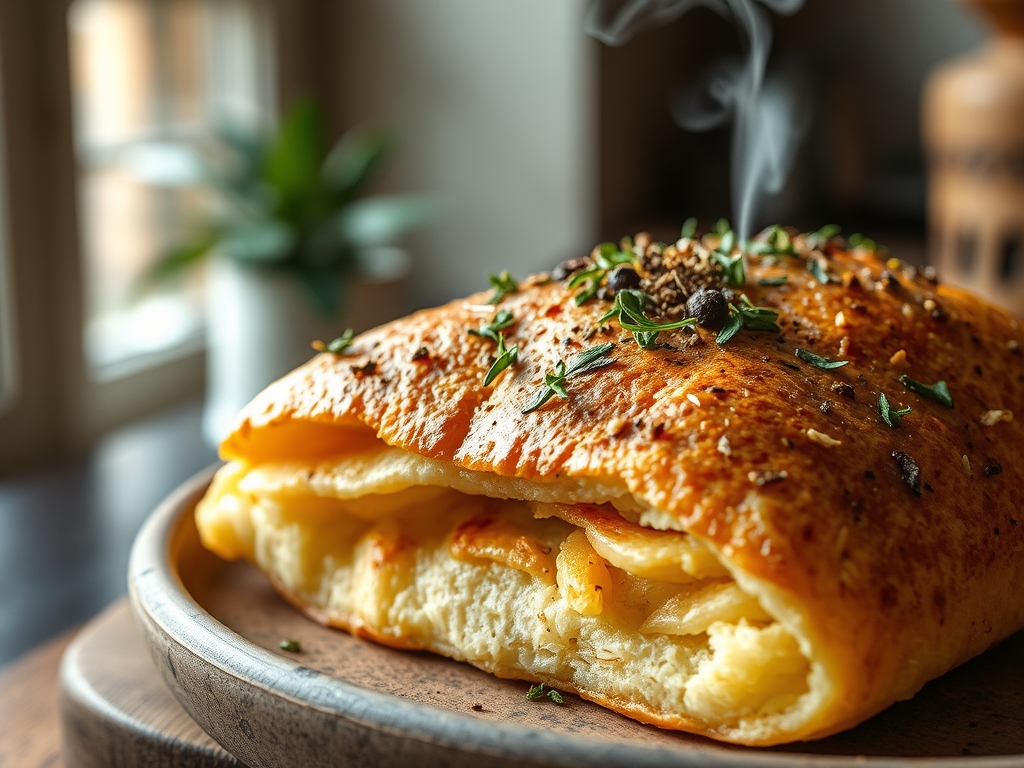
Forget your standard sponge cake or the dry, fruit-studded bricks masquerading as festive treats in grocery store aisles. We are entering the realm of the Italian Sourdough Panettone; a towering monument to biological patience and structural engineering. This is not mere baking. It is a three-day siege against gravity and gluten. Imagine a crumb so aerate and gossamer that it tears like silk, releasing a viscous perfume of cultured butter, citrus zest, and cold-fermented honey. To achieve this, you must treat your starter like a high-performance athlete. We are leveraging a stiff pasta madre to drive a massive rise through heavy inclusions of fat and sugar. The goal is a golden, dome-shaped cathedral of dough that defies the laws of physics. If your kitchen feels more like a laboratory than a pantry, you are doing it right. We are here to audit every gram, every degree, and every second of the fermentation window to ensure your final product is nothing short of legendary.
THE DATA MATRIX
| Metric | Specification |
|---|---|
| Prep Time | 72 Hours (Including Starter Prep) |
| Execution Time | 12 Hours (Active Work) |
| Yield | 2 Large Loaves (1kg each) |
| Complexity (1-10) | 10 |
| Estimated Cost per Serving | $4.50 |
THE GATHERS
Ingredient Protocol:
The First Impasto (The Foundation):
- 150g / 0.6 cup Mature Sourdough Starter (Pasta Madre)
- 400g / 3.2 cups High-Protein Bread Flour (14% protein minimum)
- 200g / 0.8 cup Room Temperature Water
- 120g / 0.5 cup Granulated Sugar
- 150g / 0.6 cup Unsalted European Butter (High fat content)
- 100g / 0.4 cup Egg Yolks (Approximately 5-6 yolks)
The Second Impasto (The Enrichment):
- 100g / 0.8 cup High-Protein Bread Flour
- 130g / 0.5 cup Granulated Sugar
- 150g / 0.6 cup Unsalted European Butter
- 100g / 0.4 cup Egg Yolks
- 5g / 1 tsp Fine Sea Salt
- 1 Vanilla Bean (Scraped)
- 250g / 1.5 cups Sultanas (Soaked in rum)
- 150g / 1 cup Candied Orange Peel (Diced)
Section A: Ingredient Quality Audit:
The most common failure point in an Italian Sourdough Panettone is the use of weak flour. If your flour lacks the "W" rating (strength) of 350 or higher, the gluten will collapse under the weight of the lipids. Technical Fix: If you cannot source Italian Tipo 00 Panettone flour, reinforce your bread flour with 2% vital wheat gluten. Another audit risk is the butter. Standard American butter contains too much water. Technical Fix: Use European-style cultured butter to ensure the emulsion stays stable during the long mixing process. Finally, if your sourdough starter is too acidic, it will degrade the gluten. Technical Fix: Perform three "refreshments" at 4-hour intervals at 28 degrees Celsius before starting the first dough.
THE MASTERCLASS
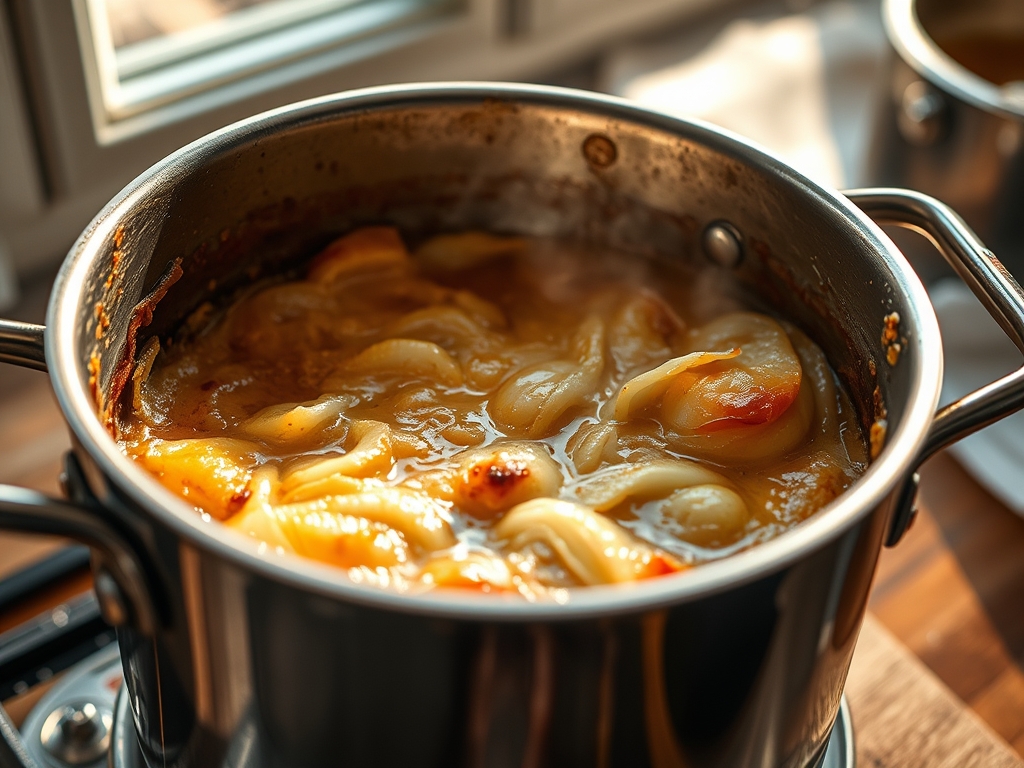
Step-by-Step Execution:
1. The Triple Refreshment Protocol
Before the first dough, you must aerate and invigorate your pasta madre. Feed the starter three times in twelve hours, keeping it in a warm environment. Use a digital scale for every gram. A weak starter will result in a dense, piquant brick rather than a cloud.
Pro Tip: Use a pH meter to ensure your starter sits between 3.9 and 4.2. This acidity level ensures the yeast is dominant over the lactobacilli, providing the necessary lift without excessive sourness.
2. The First Impasto Development
Combine the flour, water, and sugar in your stand mixer. Once a shaggy mass forms, add the starter. Slowly incorporate the butter and yolks in stages. Use a bench scraper to clean the sides of the bowl. The dough must be glossy and fully detached from the bowl.
Pro Tip: The friction of the mixer can overheat the dough. Aim for a final dough temperature of 26 degrees Celsius. If it climbs higher, the fat will render and break the gluten network.
3. The Triple Volume Fermentation
Place the first dough in a translucent container and mark the level. It must triple in volume. This usually takes 10 to 12 hours at a steady 25 degrees Celsius. Do not rush this. The flavor is being built through enzymatic activity.
Pro Tip: Use a proofer box or an oven with the light on to maintain a constant temperature. Fluctuations here will lead to unpredictable fermentation windows.
4. The Second Impasto Enrichment
Deflate the tripled dough and return it to the mixer. Add the remaining flour and salt. Once the gluten is re-established, slowly add the sugar, then the yolks, then the butter and vanilla. Finally, fold in the fruit. The dough should be incredibly viscous and elastic.
Pro Tip: Perform a "windowpane test" before adding the fruit. You should be able to stretch the dough so thin you can see through it without it tearing.
5. Shaping and the Final Proof
Divide the dough and round it on a wooden surface. Let it rest for 30 minutes, then round again. Place into paper Panettone molds. Let them rise until the dough reaches the rim of the mold, which can take 6 to 8 hours.
Pro Tip: Use your bench scraper to create tension on the surface of the dough. This tension is what allows the dome to expand upward rather than outward.
6. The Scored Bake and Inversion
Score a cross on the top and place a knob of butter in the center. Bake at 170 degrees Celsius until the internal temperature reaches 92 degrees Celsius. Immediately upon removal, pierce the base with Panettone skewers and hang them upside down for 12 hours.
Pro Tip: Hanging the bread is non-negotiable. Because the structure is so delicate and rich, it will collapse under its own weight if cooled upright.
Section B: Prep & Timing Fault-Lines:
The primary human error is the "Early Exit" during mixing. If you add the butter before the gluten is fully developed, the fat will coat the flour particles and prevent gluten strands from bonding. This results in a cake-like texture rather than the long, stringy crumb characteristic of a true Panettone. Another fault-line is temperature control during the final proof. If the room is too cold, the yeast will go dormant while the bacteria continue to produce acid; leading to a sour, heavy loaf. Use a digital probe thermometer to audit your dough temperature every hour.
THE VISUAL SPECTRUM
Section C: Thermal & Visual Troubleshooting:
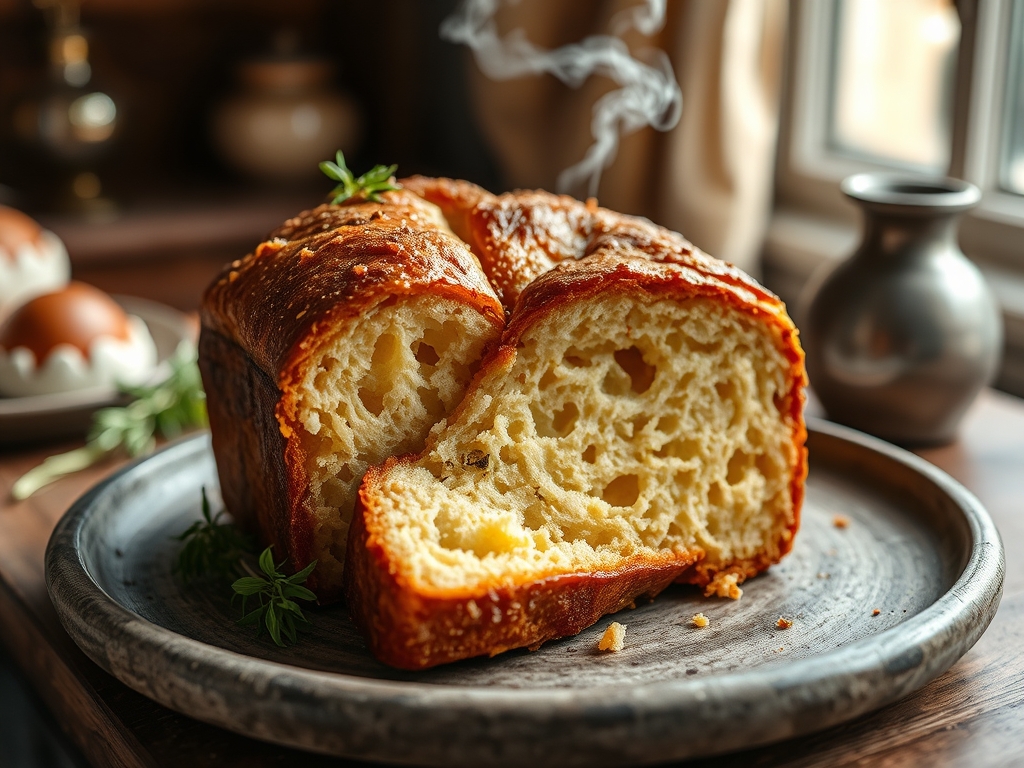
Look at the Masterclass photo above. Notice the deep mahogany crust and the "burst" at the top where the scoring occurred. If your crust is pale, you likely over-proofed the dough; the yeast consumed all the residual sugars, leaving nothing for the Maillard reaction. If the interior is yellow but lacks those large, irregular holes (alveoli), your hydration was likely too low or your mixing was insufficient. A dull, matte finish on the crust suggests a lack of steam in the initial baking phase. To fix this, place a small saucier with boiling water at the bottom of the oven during the first 15 minutes of the bake to infuse the air with moisture.
THE DEEP DIVE
Macro Nutrition Profile:
This is an enriched bread, meaning it is high in carbohydrates and fats. A 100g serving typically contains 380 calories, 18g of fat, 45g of carbohydrates, and 7g of protein. However, the long fermentation process significantly reduces the glycemic index and breaks down gluten proteins, making it easier on the digestive system than standard bread.
Dietary Swaps:
- Vegan: Replace butter with a high-quality vegan block butter (not oil) and use aquafaba in place of egg yolks. Note that the rise will be less dramatic.
- Keto/GF: Truly authentic Panettone relies on gluten for its structure. A GF version requires high amounts of xanthan gum and psyllium husk, resulting in a significantly different texture.
Meal Prep & Reheating Science:
Panettone is one of the few breads that improves with age. The high fat and sugar content act as natural preservatives. Store in a sealed plastic bag for up to three weeks. To reheat, avoid the microwave, which turns the starches rubbery. Instead, use a low oven (150C) for five minutes to gently soften the fats and infuse the crumb with warmth.
THE KITCHEN TABLE
Why must I hang the Panettone upside down?
The high concentration of butter and egg yolks creates a structure that is extremely fragile while hot. Hanging it prevents the internal crumb from collapsing under its own weight, ensuring that signature airy, vertical texture remains intact.
Can I use a regular sourdough starter?
Technically yes, but a "Pasta Madre" (stiff starter) is preferred. The lower hydration of a stiff starter favors yeast growth over lactic acid bacteria, providing more lift and a sweeter, less tangy flavor profile.
What if my dough never triples in size?
Your starter was likely not active enough or your kitchen is too cold. If it has been 12 hours and you see no movement, move the dough to a warmer spot (28C). Never bake a dough that has not tripled.
Why did my fruit sink to the bottom?
This is a sign of weak gluten. If the dough cannot support the weight of the inclusions, they will migrate downward. Ensure you reach a full windowpane before adding your fruits and nuts.