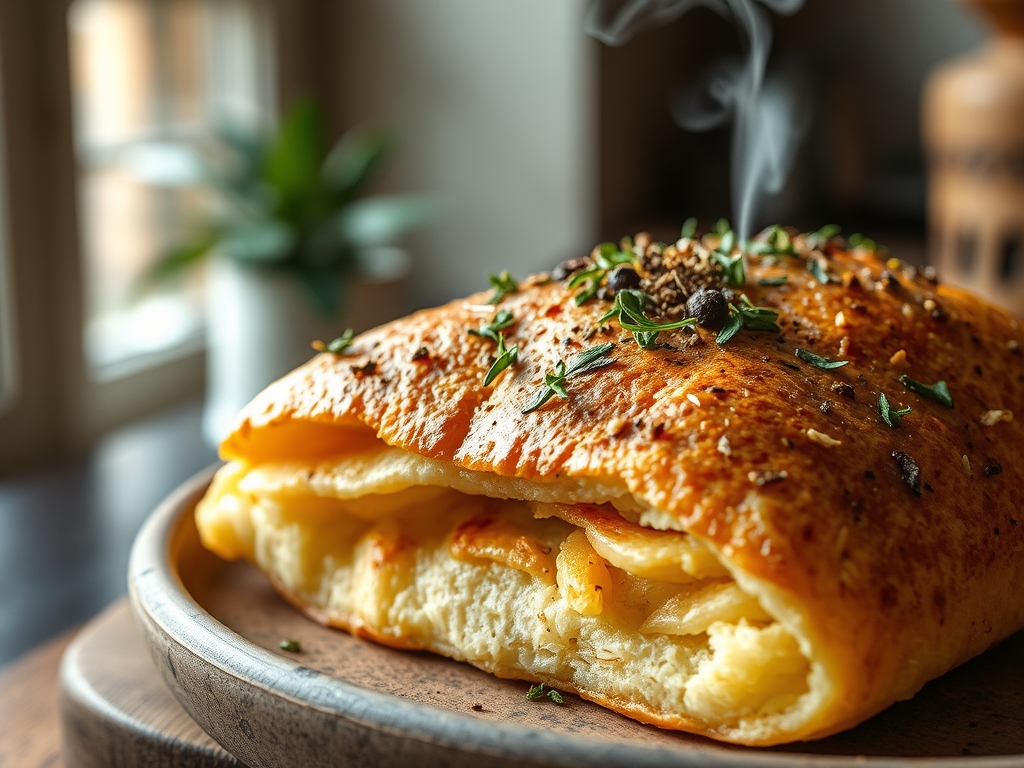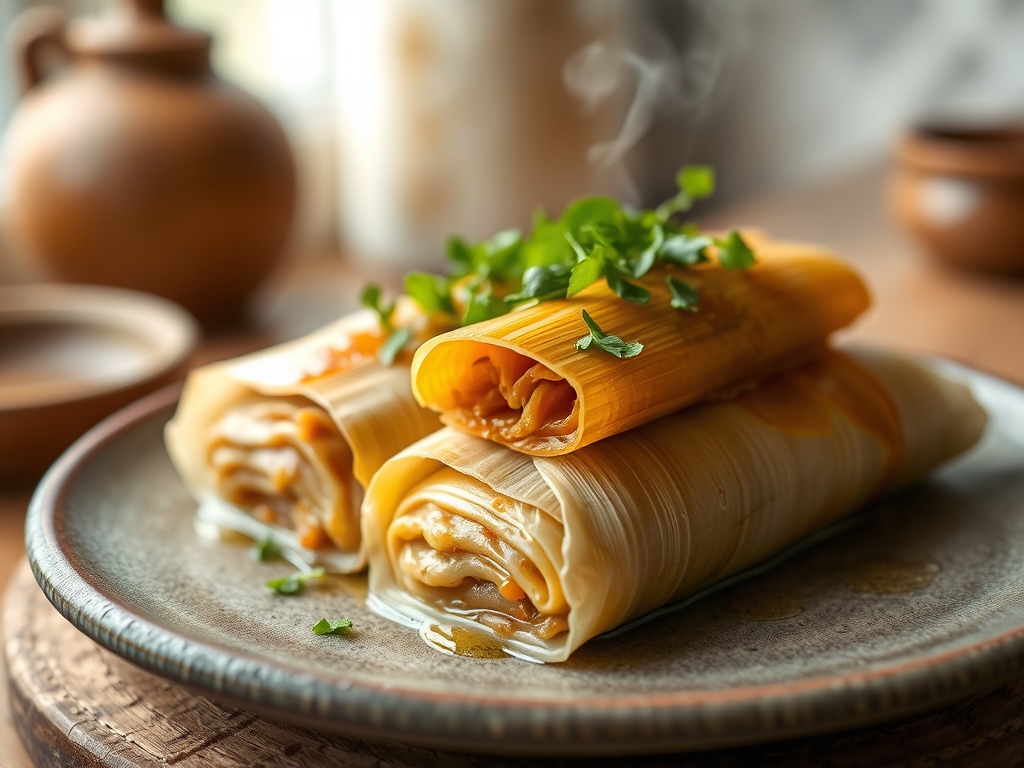
The scent of Chinese Five Spice is not merely an aroma; it is a full scale sensory takeover that demands immediate submission. Imagine a high velocity collision between the cooling numbness of Szechuan peppercorns and the aggressive, woody warmth of star anise. This is the architectural foundation of flavor. When you crack open a fresh jar or, better yet, toast the whole spices yourself, you are initiating a complex chemical dialogue between cinnamaldehyde and anethole. The air in your kitchen thickens as these volatile oils infuse the atmosphere; it is a piquant haze that promises depth, heat, and a structural complexity that lesser seasonings simply cannot replicate. We are not just cooking here; we are balancing a five point elemental scale of sweet, sour, bitter, salty, and umami. This blend is the bridge between the fat rendered from a pork belly and the sharp acidity of a rice vinegar glaze. It is the secret code of the professional line; a precision tool used to turn standard proteins into masterpieces of culinary engineering.
THE DATA MATRIX
| Metric | Specification |
|---|---|
| Prep Time | 15 Minutes |
| Execution Time | 45 Minutes |
| Yield | 4 Servings |
| Complexity (1-10) | 6 |
| Estimated Cost per Serving | $4.50 |
THE GATHERS
Ingredient Protocol:
- 800g / 1.75 lbs Pork Belly (Skin-on)
- 15ml / 1 tbsp Chinese Five Spice Powder
- 60ml / 0.25 cup Light Soy Sauce
- 30ml / 2 tbsp Shaoxing Rice Wine
- 20g / 0.7 oz Fresh Ginger (Smashed)
- 30g / 1 oz Rock Sugar (Crushed)
- 500ml / 2 cups Chicken Bone Broth
- 10ml / 2 tsp Neutral Oil (High Smoke Point)
Section A: Ingredient Quality Audit:
If your Chinese Five Spice smells like dusty hay rather than a punch to the sinuses, your essential oils have oxidized. To fix this, briefly toast the stale powder in a dry saucier over medium heat for 30 seconds to wake up the remaining aromatic compounds. If your pork belly lacks clear fat striations, the final texture will be dry rather than viscous and melting. Always source "center-cut" belly to ensure an even ratio of lean muscle to subcutaneous fat. If you cannot find rock sugar, use granulated sugar but reduce the quantity by twenty percent; rock sugar provides a specific glossy sheen and a mellow sweetness that prevents the salt from becoming overbearing.
THE MASTERCLASS
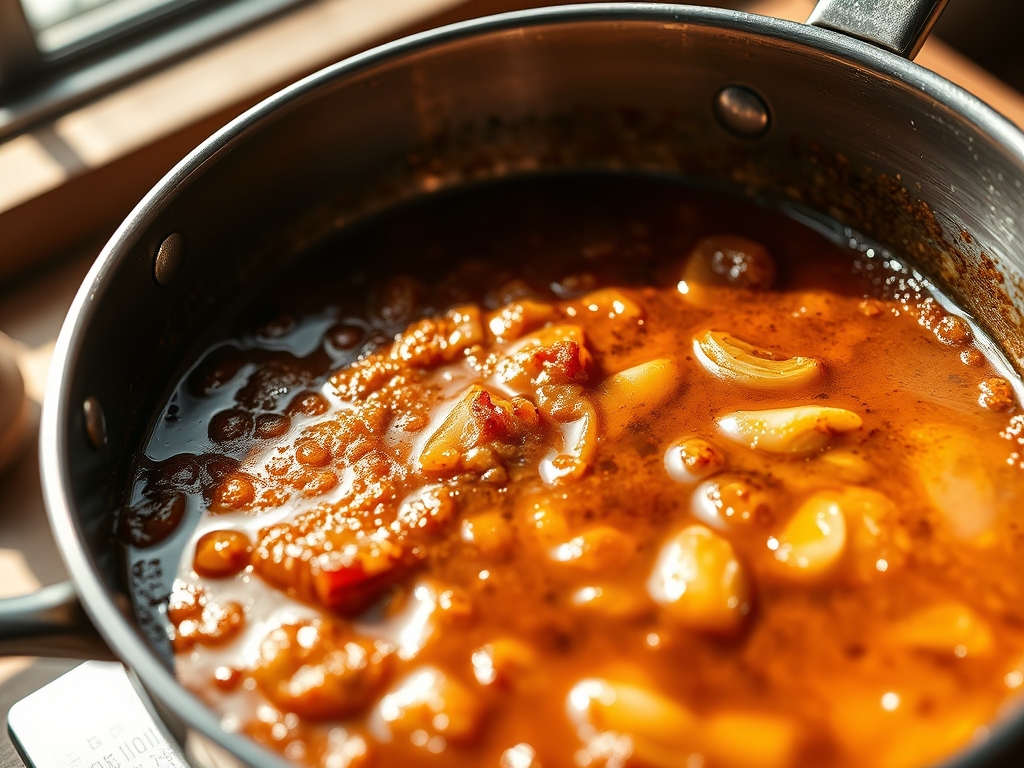
Step 1: The Maillard Initiation
Place your pork belly on a clean surface and use a bench scraper to remove any excess moisture from the skin. Score the skin in a crosshatch pattern, being careful not to cut into the meat. Heat your oil in a heavy bottomed pan until it begins to shimmer. Sear the pork skin side down until it reaches a deep, golden mahogany.
Pro Tip: This stage utilizes the Maillard reaction to create hundreds of new flavor compounds. Using a digital scale to weigh down the pork ensures maximum surface contact with the pan, resulting in an even, crispy texture rather than localized burning.
Step 2: Aromatic Infusion
Remove the pork and discard all but one tablespoon of the rendered fat. Add the ginger and the Chinese Five Spice to the pan. Stir rapidly for 45 seconds until the spices become fragrant and the oils begin to aerate the room.
Pro Tip: Spices are fat soluble. By toasting them in the rendered pork fat, you are extracting the maximum amount of flavor from the cloves and fennel seeds, ensuring the spice profile permeates the entire dish rather than sitting on the surface.
Step 3: The Deglaze and Braise
Return the pork to the pan. Pour in the Shaoxing wine to deglaze the bottom, scraping up any caramelized bits with a wooden spoon. Add the soy sauce, bone broth, and rock sugar. Bring to a boil, then reduce to a low simmer. Cover and cook for 40 minutes.
Pro Tip: Use a saucier with rounded bottom edges for this step. The geometry of the pan encourages natural convection, which keeps the liquid moving and prevents the sugar from scorching at the edges during the long reduction process.
Section B: Prep & Timing Fault-Lines:
The most common failure in this protocol is "Thermal Shock." If you add ice cold broth to a searing hot pan, the muscle fibers in the pork will contract violently, resulting in a rubbery texture. Always ensure your liquids are at room temperature or pre-heated. Furthermore, if your simmer is too aggressive, the fat will emulsify into the sauce, making it cloudy rather than clear and glossy. Maintain a "lazy bubble" throughout the braise to preserve the molecular integrity of the sauce.
THE VISUAL SPECTRUM
Section C: Thermal & Visual Troubleshooting:
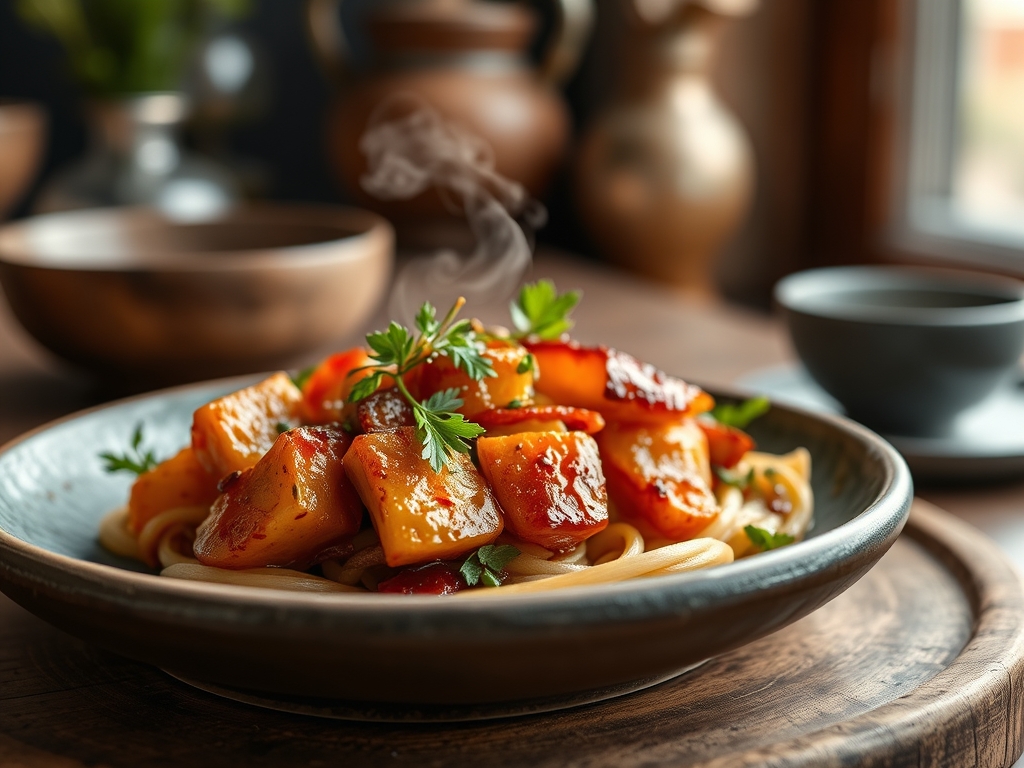
Referencing the Masterclass photo, the ideal result is a "Lacquer Finish." If your dish looks dull or grey, you have not reduced the liquid enough to concentrate the sugars and gelatin. Increase the heat for the final five minutes to thicken the sauce into a viscous glaze. If the pork skin looks flabby, it likely spent too much time submerged; keep the skin side just above the liquid line during the braising phase. The deep reddish brown hue in the photo comes from the interaction between the soy sauce and the star anise; if your color is too light, add a teaspoon of dark soy sauce to adjust the pigment without significantly altering the salt levels.
THE DEEP DIVE
Macro Nutrition Profile:
This dish is high in protein and lipids. A standard serving contains approximately 450 calories, 35g of fat, 28g of protein, and 8g of carbohydrates. The Chinese Five Spice adds negligible calories but provides a massive antioxidant boost from the cloves and cinnamon.
Dietary Swaps:
- Vegan: Replace pork belly with thick slabs of king oyster mushrooms or extra firm pressed tofu. Use mushroom bouillon instead of chicken broth.
- Keto: Substitute the rock sugar with an erythritol based sweetener and ensure the soy sauce is replaced with liquid aminos.
- GF: Use Tamari in place of standard soy sauce and ensure the Shaoxing wine is certified gluten free or substitute with dry sherry.
Meal Prep & Reheating Science:
To maintain the molecular structure when reheating, avoid the microwave. The high frequency waves cause the fat to separate and the skin to become leathery. Instead, reheat gently in a small saucepan with a splash of water to re hydrate the glaze. This preserves the viscous mouthfeel and prevents the aromatics from turning bitter.
THE KITCHEN TABLE
Why is my sauce bitter?
You likely scorched the spices during the infusion phase. Chinese Five Spice contains star anise and cloves, which turn acrid if exposed to high heat for too long. Always add liquids immediately once the spices become fragrant.
Can I use ground spices instead of whole?
Yes, but the potency is higher. If a recipe calls for whole star anise and you use ground Five Spice, start with half the amount. Ground spices have more surface area and release flavor much faster.
What if my pork is still tough?
Connective tissue requires time and heat to transform into gelatin. If the meat is tough, it simply needs more time at a low simmer. Do not rush the process by increasing the heat; patience is a technical requirement.
Why did my glaze separate?
This happens when the fat to liquid ratio is off or the reduction happened too quickly. Whisk in a teaspoon of warm water to re emulsify the sauce and bring it back to a smooth, glossy consistency.