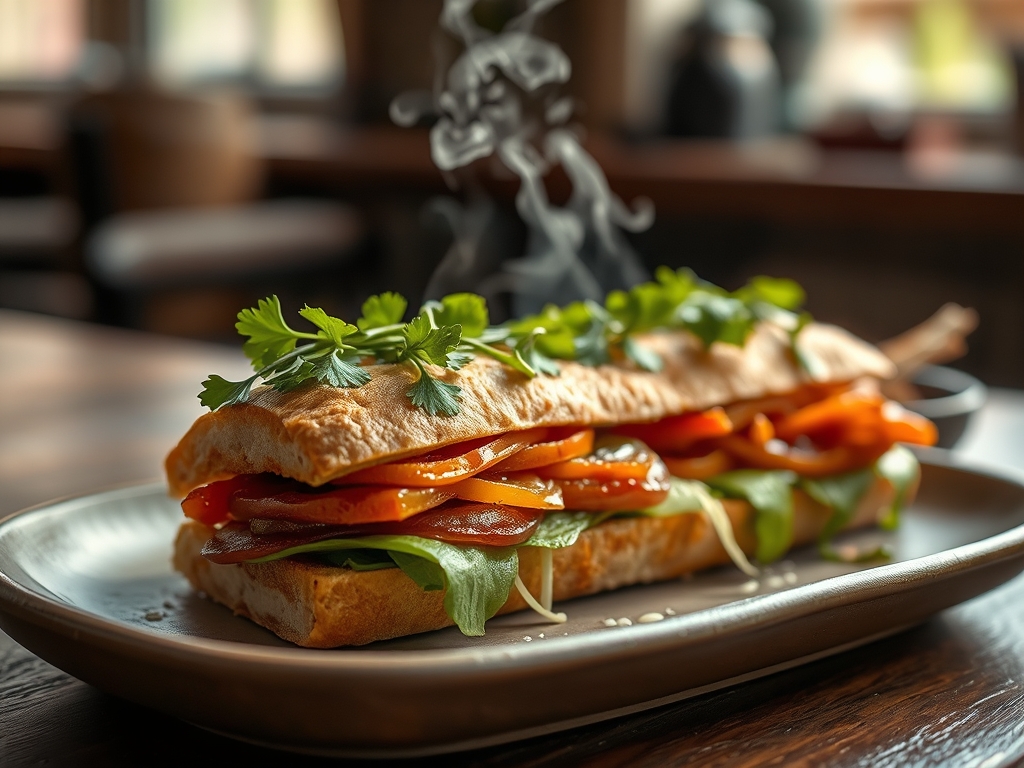
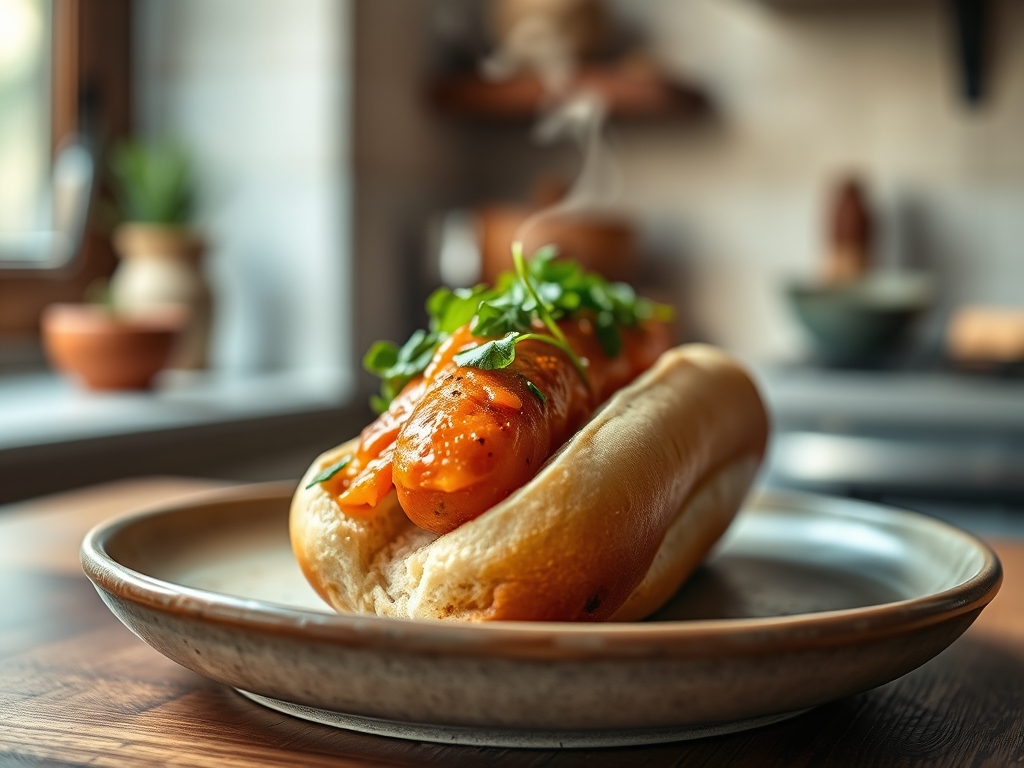
Forget the backyard charcoal flaring and the lukewarm water of the street cart vendor; we are here to discuss the structural integrity of the American Hot Dog. This is not merely a snack. It is a masterpiece of meat science and hydraulic engineering. When you bite into a properly executed link, you should experience a distinct, audible snap as the natural casing yields to internal pressure. This is followed immediately by the release of a luscious, savory emulsion. We are dealing with a complex suspension of fats and proteins held together by the sheer force of thermal kinetics. To achieve the perfect American Hot Dog, one must master the art of the cold-bind. You are the architect of a protein matrix. You are the commander of the Maillard reaction. Every variable matters, from the specific gravity of the mustard to the moisture content of the bun. We are moving beyond the realm of simple grilling and into the territory of high-performance culinary infrastructure. Let us begin the audit.
THE DATA MATRIX
| Variable | Specification |
|---|---|
| Prep Time | 25 Minutes |
| Execution Time | 15 Minutes |
| Yield | 8 Precision Units |
| Complexity (1-10) | 4 (Technical Emulsion Focus) |
| Estimated Cost per Serving | $1.75 USD |
THE GATHERS
Ingredient Protocol:
- 8 High-Quality All-Beef Franks (Natural Casing Preferred)
- 8 Brioche or Potato Buns
- 50g / 3.5 tbsp Unsalted Butter (High Fat Content)
- 120ml / 0.5 cup Yellow Mustard (Vinegar-Forward)
- 100g / 0.7 cup Sweet Pickle Relish (Finely Minced)
- 1 Large White Onion (Small Dice)
- 15g / 1 tbsp Celery Salt
- 60ml / 4 tbsp Beef Tallow or Neutral Oil
Section A: Ingredient Quality Audit:
The primary failure point in the American Hot Dog is the "weeping" link. If your protein source exudes excess water upon heating, your emulsion is unstable. This is often caused by low-quality fillers in supermarket brands. The fix is to source links with a high protein-to-fat ratio and minimal soy extenders. Furthermore, if your buns are dry, they will crumble under the weight of the condiments. To salvage sub-par bread, use a steam-injection method or a brief pass over a water bath to rehydrate the starch molecules before toasting.
THE MASTERCLASS
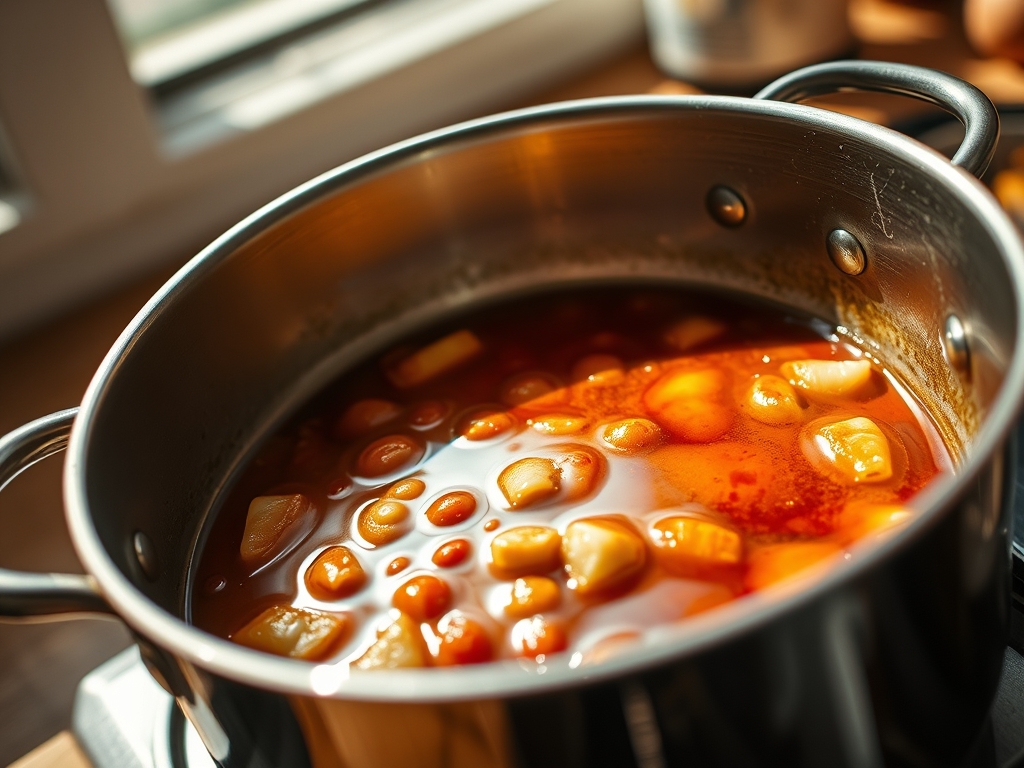
1. The Thermal Initialization
Place a heavy-bottomed stainless steel skillet or a cast-iron griddle over medium heat. Add your beef tallow or oil. You are looking for a shimmering surface but no smoke.
Pro Tip: Use an infrared thermometer to ensure the surface temperature is exactly 350 degrees Fahrenheit. This allows the casing to render its internal fats without scorching the exterior. A consistent thermal floor prevents the "bursting" effect seen in amateur cooking.
2. The Link Deployment
Place the franks onto the heated surface. Use a bench scraper or heavy tongs to rotate them every 90 seconds. You are seeking a uniform, mahogany-hued exterior.
Pro Tip: The snap of the American Hot Dog is a result of the casing shrinking against the expanding meat emulsion. By rotating frequently, you ensure the heat penetrates evenly to the core without creating "hot spots" that cause the casing to fracture prematurely.
3. The Bun Infrastructure
While the meat undergoes the Maillard reaction, split your buns and apply a generous layer of high-fat butter to the interior faces. Place them face-down on a secondary pan or a cleared section of the griddle.
Pro Tip: Toasting the bun creates a hydrophobic barrier. This prevents the juices from the meat and the moisture from the mustard from migrating into the bread fibers, which would otherwise result in structural collapse.
4. The Emulsion Assembly
Apply the yellow mustard in a precise longitudinal line. Follow with the relish and the diced onions. Ensure the onions are uniform to provide a consistent piquant crunch in every bite.
Pro Tip: Use a digital scale to measure your toppings if you are aiming for commercial-grade consistency. The ratio of acid (mustard/relish) to fat (meat/butter) must be balanced to cleanse the palate between bites.
5. The Finishing Stratum
Dust the entire assembly with a light coating of celery salt. This provides the essential herbal note that defines the classic profile.
Pro Tip: Celery salt acts as a flavor enhancer, much like MSG. It bridges the gap between the savory beef and the sweet relish. Use a fine-mesh shaker to aerate the salt for even distribution.
Section B: Prep & Timing Fault-Lines:
The most common human error is the "Cold Core" syndrome. If you cook the exterior too fast, the center remains refrigerated. Always temper your links at room temperature for 15 minutes before they hit the heat. If you lose track of time and the buns become overly crispy, wrap them in a damp paper towel for ten seconds to restore flexibility.
THE VISUAL SPECTRUM
Section C: Thermal & Visual Troubleshooting:
Referencing the Masterclass photo above, notice the deep, even coloration of the link. If your hot dog looks pale or "grey," you have failed to achieve sufficient caramelization. This is usually due to overcrowding the pan, which drops the temperature and causes the meat to steam rather than sear. If the bun looks burnt rather than golden, your butter has reached its smoke point too early. To fix a dull appearance, lightly brush the finished link with a tiny amount of warm beef tallow to infuse it with a professional sheen. Texture should be firm; if the link feels "mushy," the internal emulsion has broken, and the fat has separated from the protein.
THE DEEP DIVE
Macro Nutrition Profile:
A standard high-performance American Hot Dog contains approximately 290 to 350 calories. This breaks down into 15g of protein, 24g of fats, and 30g of carbohydrates. The sodium content is high, serving as both a preservative and a primary flavor driver.
Dietary Swaps:
- Vegan: Utilize a pea-protein or seitan-based link. Use vegan butter and ensure the bun is free of honey or dairy.
- Keto: Eliminate the bun entirely. Wrap the link in a leaf of butter lettuce or serve over a bed of kraut.
- GF: Use a certified gluten-free bun or a corn-based wrap. Check the link labels for hidden wheat fillers.
Meal Prep & Reheating Science:
To maintain molecular structure during reheating, avoid the microwave. The rapid agitation of water molecules turns the bun into rubber. Instead, use a toaster oven at 300 degrees Fahrenheit or deglaze a pan with a tablespoon of water and steam the link and bun together under a lid for two minutes.
THE KITCHEN TABLE
Why does my hot dog casing always split?
Thermal shock is the culprit. If you move a link from a cold fridge to a searing pan, the internal gases expand too rapidly. Let the meat temper at room temperature first and use moderate, consistent heat.
Can I boil the links instead of pan-frying?
Boiling is a "wet" heat method that prevents the Maillard reaction. While it ensures an even internal temperature, you lose the "snap" and the deep savory notes. If you must boil, finish them in a pan to sear.
What is the best way to cut the onions?
Aim for a 3mm "brunoise" or small dice. Large chunks of onion are physically unstable and will fall out of the bun. Small, uniform pieces provide better surface area coverage for flavor distribution.
How do I keep the buns from getting soggy?
The "Butter Barrier" is your best defense. Toasting the interior of the bun with fat creates a seal that prevents liquid infiltration. Always place your "wet" condiments like mustard on the meat, not the bread.