Listen up, kitchen commandos. If you think a Turkish Doner Kebab is just a spinning cone of mystery meat, you are failing the audit before the gas is even hissed into the burners. We are talking about the apex of vertical rotisserie engineering. This is a high-stakes thermal dance where gravity and infrared heat collide to create the perfect topographical map of protein. Imagine the scent of rendering lamb fat hitting red-hot ceramic bricks; it is a primal, olfactory siren song that demands precision. The exterior must achieve a shatter-crisp Maillard crust while the interior remains a succulent, moisture-locked reservoir of spice. We are not just cooking; we are managing a vertical ecosystem of fat-basting and thermal layering. If your shave is too thick, you lose the texture. If your stack is too loose, the structural integrity collapses into a heap of culinary disappointment. We are here to calibrate your technique until every slice is a translucent ribbon of seasoned perfection. Strap in; it is time to map the heat.
THE DATA MATRIX
| Metric | Specification |
|---|---|
| Prep Time | 24 Hours (Marination + Compression) |
| Execution Time | 45 to 90 Minutes (Continuous Shaving) |
| Yield | 10 to 12 Servings |
| Complexity | 8 / 10 |
| Estimated Cost per Serving | $4.50 to $6.00 |
THE GATHERS
Ingredient Protocol:
- 2 kg / 4.4 lbs Boneless Lamb Shoulder (Thinly sliced)
- 500g / 1.1 lbs Ground Beef (20% fat content for binding)
- 250ml / 1 cup Full-fat Greek Yogurt
- 60ml / 4 tbsp Extra Virgin Olive Oil
- 45g / 3 tbsp Tomato Paste (Triple concentrated)
- 6 Garlic Cloves (Microplaned into a paste)
- 15g / 1 tbsp Aleppo Pepper
- 10g / 2 tsp Ground Cumin
- 10g / 2 tsp Dried Oregano
- 20g / 1.5 tbsp Sea Salt
- 5g / 1 tsp Freshly Cracked Black Pepper
Section B: Ingredient Quality Audit:
If your lamb shoulder is too lean, the final product will be a desiccated tragedy. The fat is the thermal conductor here. If you find yourself with lean cuts, you must infuse the mixture with additional chilled suet or high-quality butter to ensure the meat does not seize. If your yogurt is watery, it will compromise the protein structure. Strain it through cheesecloth for two hours to ensure a viscous marinade that clings to the meat fibers rather than sliding off into the drip tray. If the spices lack a piquant punch, toast them in a dry pan for 60 seconds before grinding to wake up the volatile oils.
THE MASTERCLASS
1. The Protein Architecture
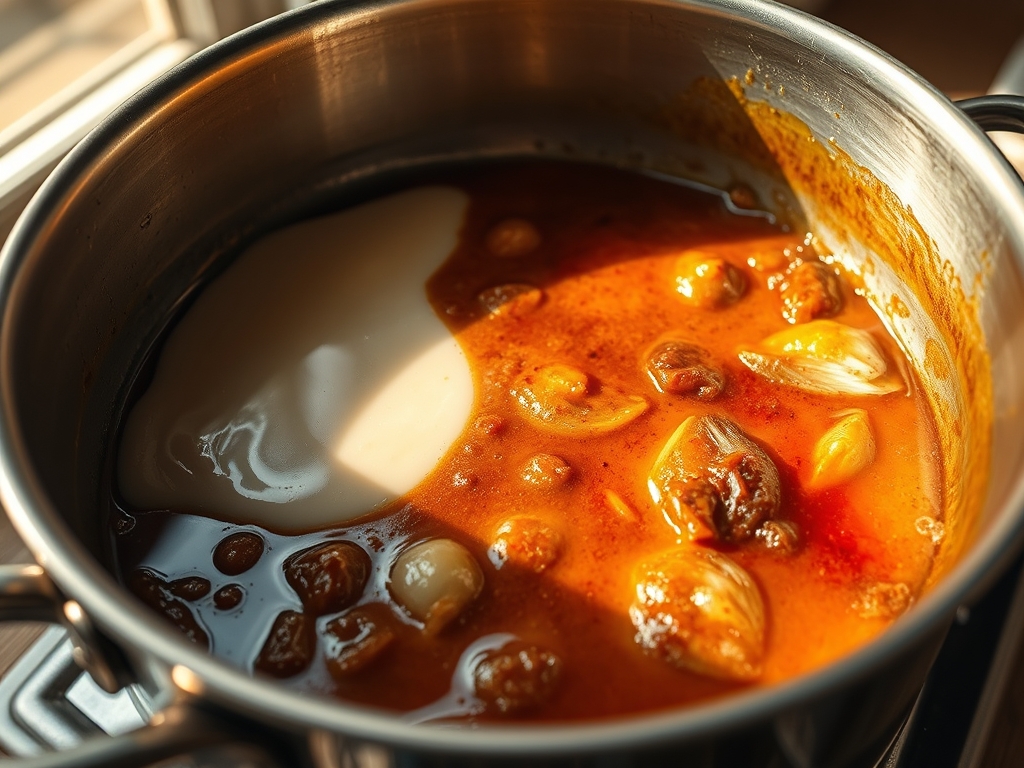
The foundation of a Turkish Doner Kebab is the alternating layers of whole muscle and forced meat. Use a digital scale to ensure your lamb slices are uniform in weight. Lay the lamb flat on a clean workstation and use a bench scraper to spread a thin layer of the seasoned ground beef mixture between each slice. This acts as the "mortar" in your meat tower.
Pro Tip: The ground meat serves as an emulsified binder. The salt in the mixture breaks down myosin in the beef, creating a tacky texture that fuses the lamb layers together during the vertical compression phase.
2. The Compression Phase
Once stacked, wrap the entire meat cylinder tightly in multiple layers of heavy-duty plastic wrap. You are looking to create a dense, air-free log. Place this in the refrigerator for at least 12 hours. This is not just for flavor; it is for structural engineering.
Pro Tip: Cold compression allows the proteins to cross-link. If you skip this, the meat will "shred" rather than "shave" when it hits the heat, destroying the visual and textural integrity of the kebab.
3. Vertical Thermal Calibration
Mount your meat cylinder onto the rotisserie spit. Position the heating elements so they are approximately 4 inches from the surface. Start the rotation and ignite the burners. You are looking for the fat to begin to render and baste the exterior of the cone.
Pro Tip: Use an infrared thermometer to monitor the surface temperature. You want the exterior to hit 165F (74C) rapidly to trigger the Maillard reaction while the internal core remains cool enough to prevent premature moisture loss.
4. The Precision Shave
As the exterior turns a deep mahogany, use a professional electric kebab slicer or a razor-sharp long-blade knife to shave the meat in thin, vertical strokes. The goal is to catch the meat in a warm collection pan where it can continue to infuse in its own juices.
Pro Tip: Always shave from the bottom up if using a knife to maintain the cone shape. Keeping the blade at a 15-degree angle ensures you only take the caramelized outer layer, leaving the under-layer to begin its own browning cycle.
Section B: Prep & Timing Fault-Lines:
The most common failure is "The Sag." This happens when the meat is not chilled properly before mounting, causing the bottom of the cone to bulge and cook unevenly. If the rotisserie is turning too slowly, the fat will drip off rather than basting the meat; calibrate your motor to at least 2 RPM. If you lose heat mid-cook, do not panic. Increase the flame and use a saucier to catch dripping fat and manually baste the meat to jump-start the browning process again.
THE VISUAL SPECTRUM
Section C: Thermal & Visual Troubleshooting:
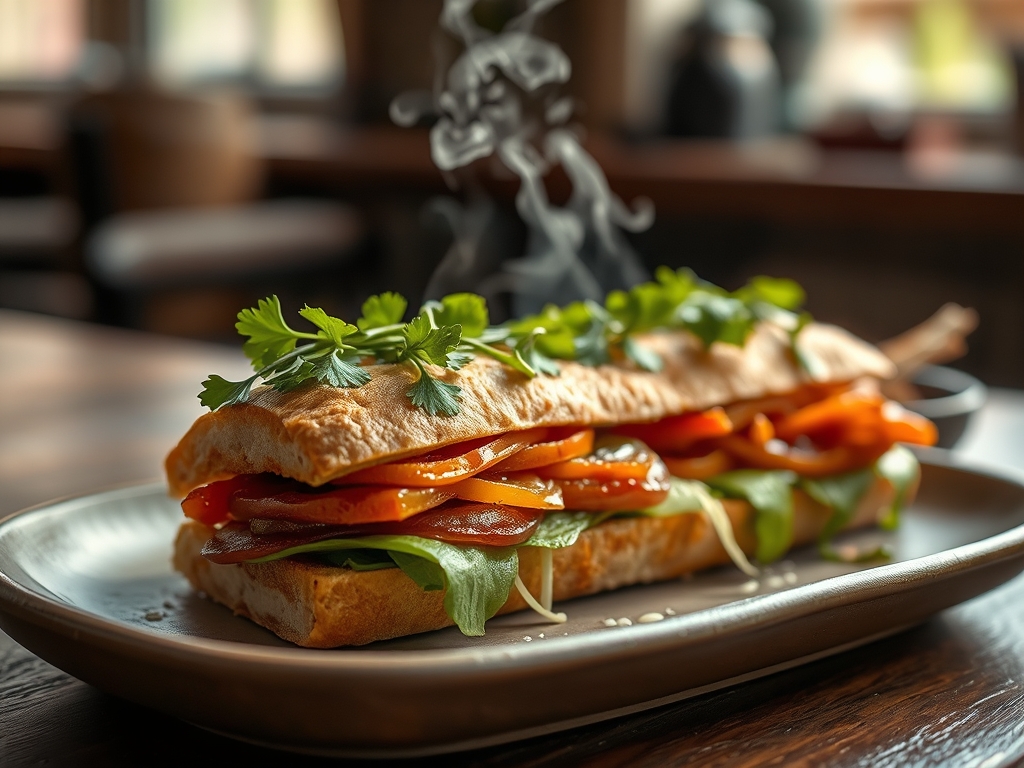
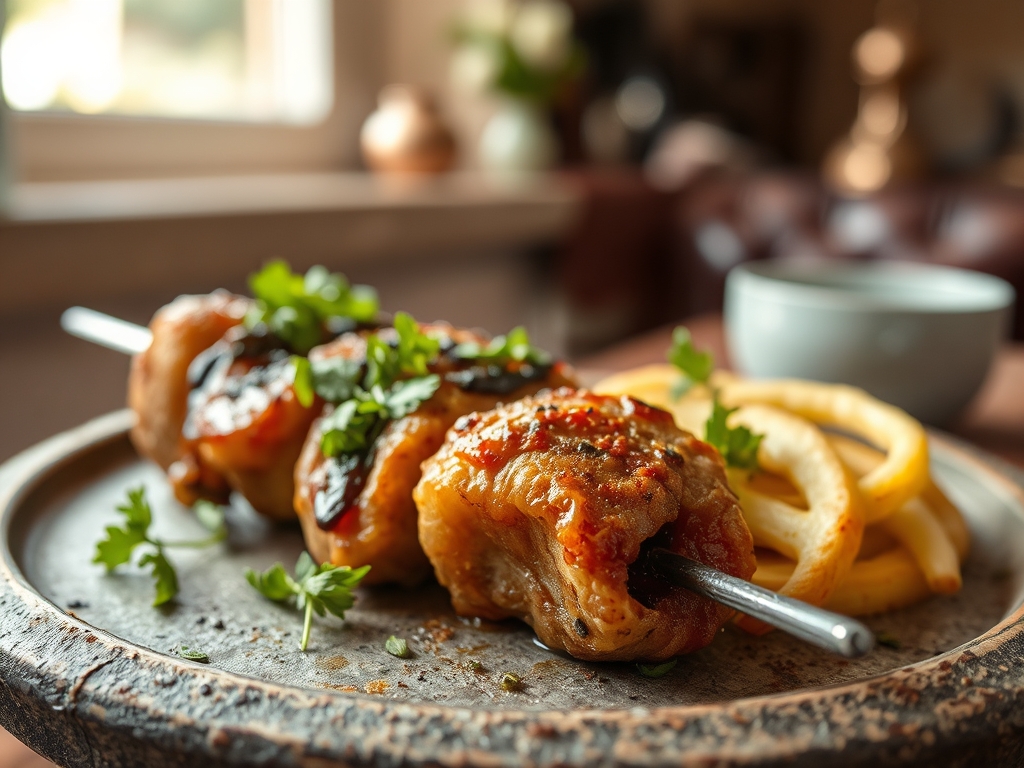
Referencing the Masterclass photo, notice the "Glazed Terrain." The meat should not look dry; it should have a glistening, almost metallic sheen from the rendered fat. If your kebab looks dull or grey, your heat is too low or your marinade lacked enough sugar/acid to caramelize. If you see "Voids" (holes in the meat slices), your compression was insufficient. To fix uneven browning, use a kitchen torch to deglaze the pale spots or adjust the distance of individual heating panels. The final texture should be "Crisp-Tender," a dual-state where the edges are brittle but the center of the shave is soft.
THE DEEP DIVE
Macro Nutrition Profile:
A standard 200g serving of Turkish Doner Kebab (meat only) delivers approximately 450 calories. You are looking at 35g of Protein, 32g of Fat (mostly monounsaturated if using high-quality lamb), and 2g of Carbohydrates. It is a high-density fuel source designed for sustained energy.
Dietary Swaps:
- Vegan: Replace lamb/beef with a blend of seitan and oyster mushrooms. Use a soy-based yogurt and liquid smoke to mimic the rendered fat profile.
- Keto: This dish is naturally keto-friendly. Serve over a bed of shredded cabbage rather than pita.
- GF: Ensure your spice blend does not contain anti-caking agents that use wheat starch.
Meal Prep & Reheating Science:
To reheat without turning the meat into rubber, you must avoid the microwave. The high-frequency waves agitate water molecules too quickly, collapsing the protein structure. Instead, use a heavy cast-iron skillet. Add a teaspoon of tallow or oil, get it screaming hot, and flash-sear the meat for 45 seconds. This restores the crisp exterior while the fast heat transfer prevents the interior from overcooking.
THE KITCHEN TABLE
Why is my meat falling off the spit?
This is a structural failure. Your layers were either too thick or not compressed tightly enough. The ground beef "binder" must be cold when applied to create the necessary protein bond. Ensure the spit spikes are firmly seated.
Can I make this in a standard oven?
Technically yes, but you lose the vertical basting effect. Use a vertical roasting rack and rotate the pan every 15 minutes. It won't be a true Doner, but it will satisfy the craving for caramelized protein.
How do I get that specific "red" color?
That comes from the combination of tomato paste and Aleppo pepper in the marinade. The acidity in the tomato paste also helps tenderize the tougher fibers of the lamb shoulder during the 24-hour marination period.
What is the best way to serve the shavings?
Speed is essential. Serve immediately on warm flatbread. The residual heat in the meat will slightly soften the bread, while a cold garlic yogurt sauce provides the necessary temperature contrast to highlight the spicy, rendered lamb fat.