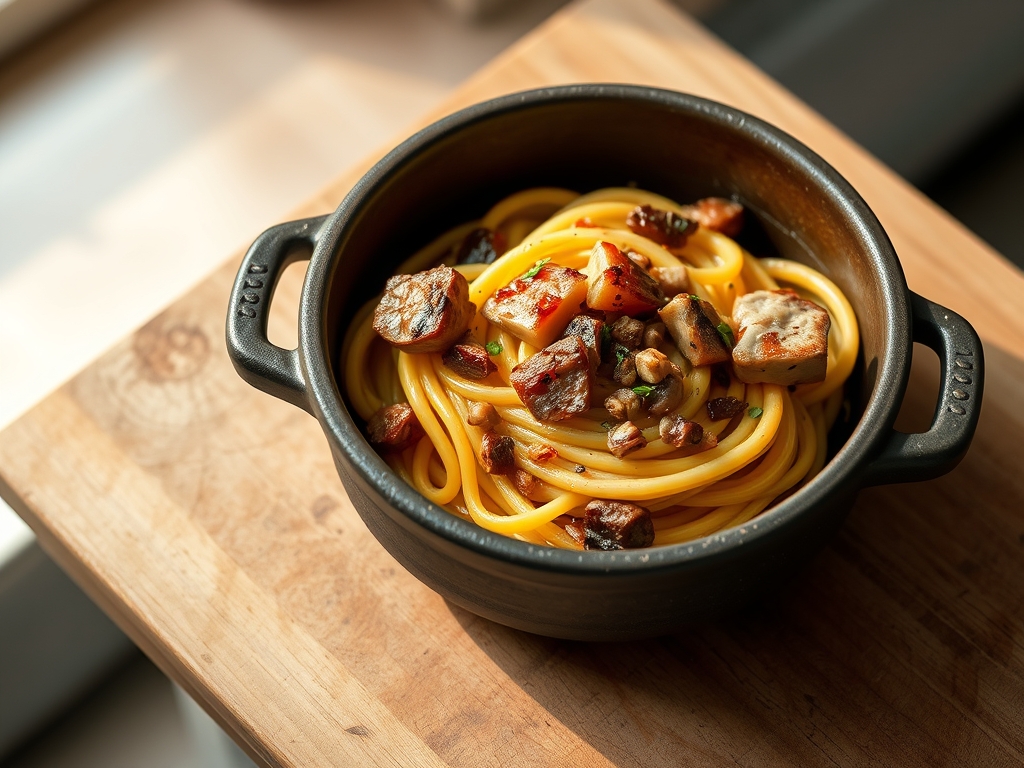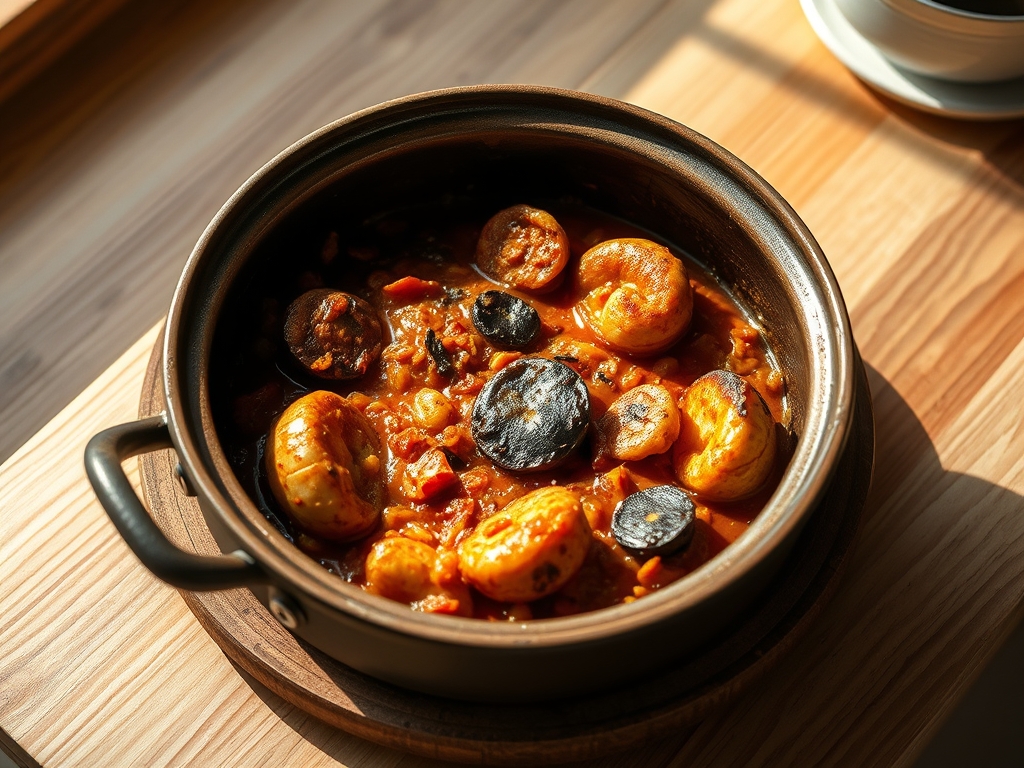
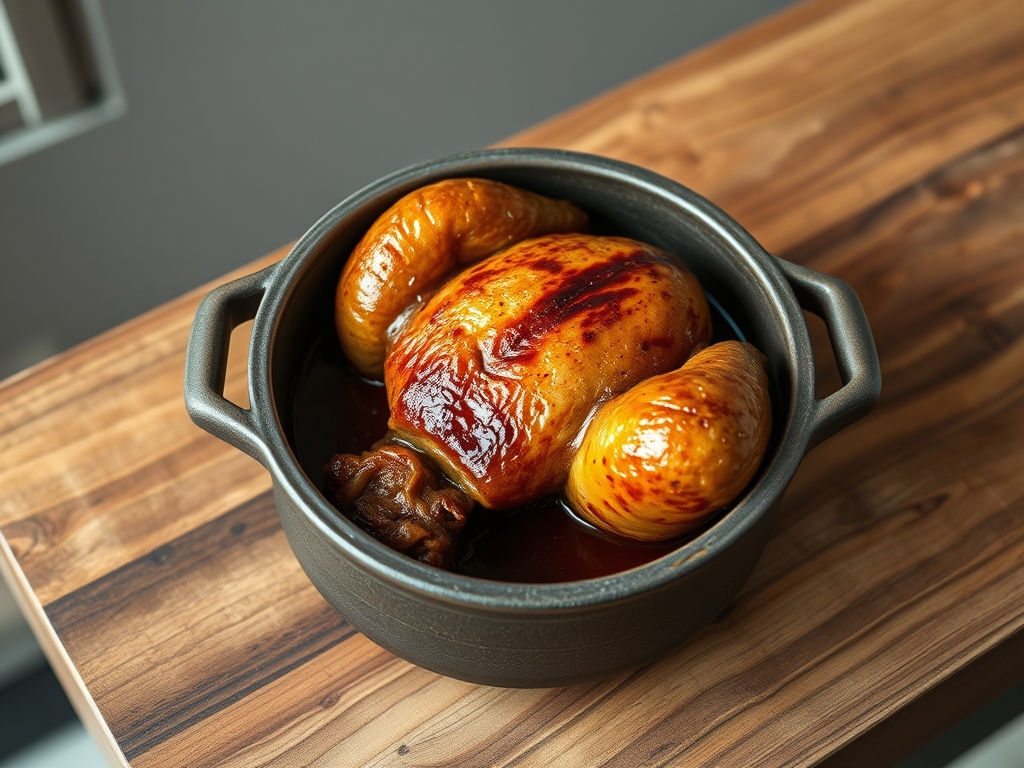
Listen up, kitchen operatives. We are not here to play house; we are here to engineer a masterpiece of Gallic structural integrity. French Coq au Vin is not merely a chicken stew. It is a high-stakes kinetic operation where collagen transforms into silk and harsh acids are tamed by the slow, rhythmic application of thermal energy. Imagine the scent of rendering lardons hitting a hot saucier; it is a primal, salty siren call that signals the beginning of a complex molecular transition. We are talking about deep, obsidian-hued sauces that cling to the back of a spoon with the perfect viscosity. We are talking about bird quarters so tender they practically surrender at the mere suggestion of a fork. If your kitchen currently smells like vinegar and disappointment, you have failed the initial audit. But do not despair. We are going to recalibrate your process, optimize your Maillard reactions, and ensure your red wine infrastructure is robust enough to support a culinary legacy. Prepare for a total system overhaul.
THE DATA MATRIX
| Metric | Specification |
|---|---|
| Prep Time | 45 Minutes |
| Execution Time | 2.5 Hours |
| Yield | 4 to 6 Servings |
| Complexity | 7 / 10 |
| Estimated Cost per Serving | $6.50 – $8.00 |
THE GATHERS
Ingredient Protocol:
- 1.8 kg / 4 lbs Whole chicken, broken down into 8 pieces.
- 225g / 8 oz Thick-cut slab bacon (lardons).
- 750ml / 1 bottle Dry red wine (Burgundy or Pinot Noir).
- 500ml / 2 cups High-gelatin chicken stock.
- 60ml / 4 tbsp Cognac or Brandy.
- 50g / 3.5 tbsp Unsalted butter.
- 30g / 2 tbsp All-purpose flour (for the beurre manie).
- 450g / 1 lb Pearl onions, peeled.
- 450g / 1 lb Cremini mushrooms, quartered.
- 3 Large carrots, cut into 1-inch bias rounds.
- 4 Cloves garlic, smashed and minced.
- 15g / 1 tbsp Tomato paste.
- 1 Bouquet garni (thyme, bay leaf, parsley stems).
Section A: Ingredient Quality Audit:
If your chicken is "woody" or pale, you are starting with a deficit. Industrial poultry lacks the connective tissue required for a truly viscous braise. The fix: Source a heritage bird or air-dried chicken. If your wine is a "cooking wine" laden with salt, abort the mission immediately. Use a wine you would actually drink; the acidity must be balanced, not abrasive. If your mushrooms are slimy, they will ruin the texture of the finished sauce. Wipe them with a damp cloth instead of washing them to prevent waterlogging.
THE MASTERCLASS
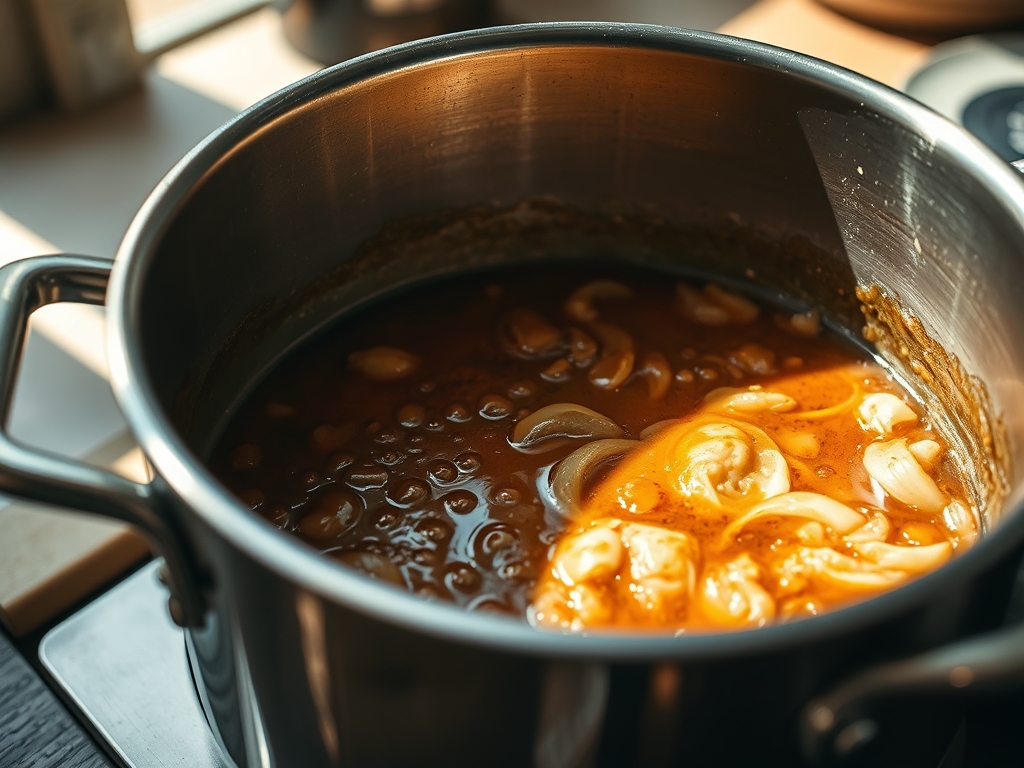
1. The Lardon Render
Start by cold-starting your bacon in a heavy-bottomed Dutch oven. This allows the fat to render slowly without scorching the proteins. Use a bench scraper to move the crisp lardons to a paper towel once they reach a golden-brown state.
Pro Tip: This rendered fat is your primary heat transfer medium. The smoke point of bacon fat is lower than vegetable oil, so monitor your flame to avoid acridity.
2. The Maillard Optimization
Season the chicken aggressively with kosher salt. Sear the pieces in the bacon fat until the skin is deeply bronzed. Do not crowd the pan; work in batches to prevent steaming.
Pro Tip: Use a digital scale to ensure even seasoning. Browning creates the flavor base for the entire dish through the Maillard reaction, which transforms simple sugars and amino acids into complex aromatic compounds.
3. The Deglaze and Infuse
Remove the chicken. Sauté the carrots and pearl onions until caramelized. Add tomato paste and garlic, cooking for 60 seconds. Pour in the Cognac and deglaze the pan, scraping up every brown bit (the fond).
Pro Tip: A flat-edged wooden spatula or a saucier whisk is essential here to ensure no flavor-packed solids are left bonded to the bottom of the vessel.
4. The Red Wine Submersion
Return the chicken and lardons to the pot. Pour in the entire bottle of wine and the chicken stock. Add the bouquet garni. Bring to a simmer, then cover and move to a 300F (150C) oven.
Pro Tip: Low and slow is the mandate. High heat toughens the muscle fibers. The oven provides 360-degree thermal saturation, which is superior to the directional heat of a stovetop.
5. The Mushroom Sauté
While the bird braises, sauté your mushrooms in a separate pan with butter until they are piquant and golden. Do not add them to the pot yet; they need to maintain their structural integrity.
Pro Tip: Sautéing mushrooms separately prevents them from becoming rubbery sponges. It allows for better moisture control and flavor concentration.
6. The Final Emulsification
Once the chicken is tender, remove it. Strain the liquid if you want a refined finish. Whisk in a beurre manie (equal parts flour and butter) to thicken the sauce until it is glossy and rich.
Pro Tip: This is where you aerate the sauce slightly with a whisk to incorporate the fats. The result should be a velvet-like coating that clings to the meat.
Section B: Prep & Timing Fault-Lines:
The biggest failure in French Coq au Vin is the "Boil of Death." If your braising liquid is boiling rapidly, the chicken will be dry and stringy despite being submerged in liquid. Maintain a gentle "smile" on the surface of the liquid. Another fault-line is under-reducing the sauce. If it looks like purple soup, you have failed the viscosity check. Reduce the liquid by a third after removing the chicken to concentrate the flavors.
THE VISUAL SPECTRUM
Section C: Thermal & Visual Troubleshooting:
Look at the Masterclass photo above. Notice the deep, mahogany hue of the sauce. If your sauce is bright purple, the wine has not oxidized and reduced sufficiently. If the skin of the chicken is flabby, you skipped the high-heat sear or submerged the skin entirely during the braise. For the best visual result, keep the skin just above the liquid line during the final stages of cooking. If the vegetables are mushy, they were cut too small or added too early. The carrots should hold their shape but yield to a spoon.
THE DEEP DIVE
Macro Nutrition Profile:
A standard serving of French Coq au Vin contains approximately 450-550 calories. It is high in protein (35g) and moderate in fats (25g), with carbohydrates primarily coming from the root vegetables and the flour used in the thickening process.
Dietary Swaps:
- Vegan: Use "hen of the woods" mushrooms or seitan, substitute bacon with smoked paprika and sun-dried tomatoes, and use a rich vegetable demi-glace.
- Keto: Omit the flour and carrots. Thicken the sauce by reducing it further or using a touch of xanthan gum.
- GF: Use a cornstarch slurry or a gluten-free flour blend for the beurre manie.
Meal Prep & Reheating Science:
This dish is actually superior on day two. As the mixture cools, the flavors continue to infuse and the gelatin in the sauce sets. To reheat, do so gently on the stovetop over low heat. Adding a splash of stock or wine will help re-emulsify the sauce without breaking the molecular bonds of the fats.
THE KITCHEN TABLE
Why is my sauce too acidic?
You likely used a wine with high residual sugar or didn't cook it down enough. Balance the acidity with a pinch of sugar or a knob of cold butter at the very end to mellow the sharp notes.
Can I use white wine instead?
That would be Coq au Vin Blanc. It is a legitimate variation, usually featuring cream and tarragon. However, it lacks the deep, tannic structure of the traditional red wine version.
Why did my chicken turn purple?
This is a natural reaction to the anthocyanins in red wine. To minimize this, ensure you sear the chicken thoroughly first. The crust acts as a partial barrier to the pigment penetration.
Is Cognac strictly necessary?
It adds a layer of complexity and helps in the deglazing process. If you must omit it, use a high-quality brandy or simply increase the amount of red wine used to scrape the fond.