Listen closely because the air in the kitchen is about to change. We are not just cooking; we are conducting a high-stakes engineering project where the primary materials are short-grain starch and liquid gold. The authentic Spanish Paella is a masterclass in thermal dynamics and the delicate art of the Maillard reaction. Imagine the scent of woodsmoke mingling with the floral, medicinal punch of saffron as it begins to infuse into a rich, viscous broth. This is a dish defined by its structural integrity. It requires a fearless approach to high heat and an obsessive devotion to the bottom-most layer of the pan. We are chasing the socarrat; that toasted, caramelized crust that serves as the foundation of Valencian identity. If you are looking for a soggy, over-stirred rice pilaf, you are in the wrong workshop. Here, we respect the grain, we honor the shellfish, and we manipulate heat with the precision of a diamond cutter. Prepare your senses for a symphony of crackling rice and piquant aromatics.
THE DATA MATRIX
| Metric | Specification |
|---|---|
| Prep Time | 40 Minutes |
| Execution Time | 45 Minutes |
| Yield | 4 Standard Servings |
| Complexity (1-10) | 8 (Requires Heat Management) |
| Estimated Cost per Serving | $12.50 – $18.00 (Market Dependent) |
THE GATHERS
Ingredient Protocol:
- 400g / 2 cups Bomba or Calasparra Rice (Short-grain is non-negotiable)
- 1 liter / 4.2 cups High-Quality Seafood Stock (Rich in collagen)
- 0.5g / 1/2 tsp Saffron Threads (Toasted and crushed)
- 120ml / 0.5 cup Extra Virgin Olive Oil (High polyphenols preferred)
- 500g / 1.1 lbs Large Shrimp or Prawns (Head-on for maximum flavor)
- 300g / 0.6 lbs Cleaned Squid or Cuttlefish (Diced into 1cm cubes)
- 200g / 0.7 cups Grated Tomato (Freshly rasped, seeds discarded)
- 15g / 1 tbsp Smoked Pimenton de la Vera (Sweet variety)
- 4 cloves Garlic (Microplaned into a paste)
- 100g / 0.5 cup Flat Green Beans (Sliced into 2-inch pieces)
- To taste Fine Sea Salt (Measured via digital scale)
Section A: Ingredient Quality Audit:
The most common failure point in a Spanish Paella is the rice selection. If you substitute Arborio for Bomba, the high starch release will create a gummy, risotto-like texture instead of the distinct, individual grains required for this architecture. To fix this, ensure you never wash the rice; we need the surface starch to stay put for the frying phase. If your saffron smells like hay instead of floral honey, it is oxidized. Revive it by lightly toasting the threads in a dry pan for ten seconds before grinding them into a powder. Lastly, if your stock lacks body, whisk in a teaspoon of unflavored gelatin. This mimics the mouthfeel of a traditional long-boiled crustacean stock, ensuring the liquid is sufficiently viscous to coat every grain.
THE MASTERCLASS
Step-by-Step Execution:
1. The Foundation Sear
Heat your olive oil in a 15-inch carbon steel paella pan until it shimmers. Add the prawns and sear for 60 seconds per side until the shells are vibrant orange and slightly charred. Remove and set aside. Pro Tip: This step performs a vital lipid infusion; the oil absorbs the astaxanthin from the shells, which provides a deep orange hue and umami base for the entire dish. Use a bench scraper to keep the center of the pan clear of debris.
2. The Sofrito Architecture
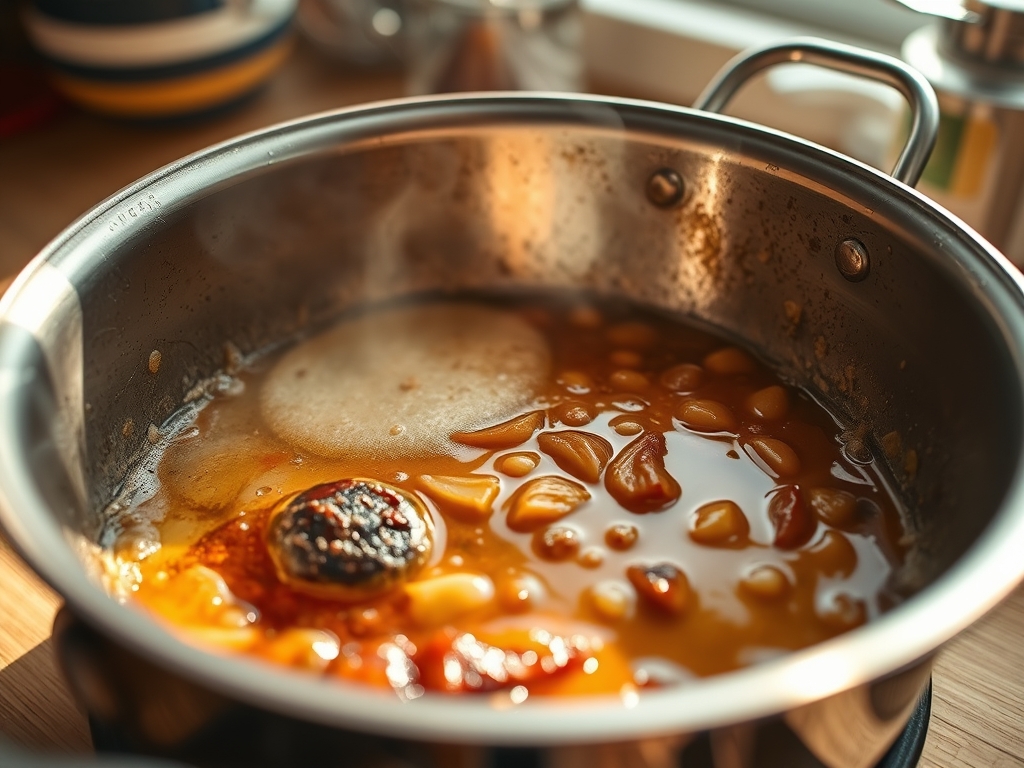
Add the squid and green beans to the residual oil. Sauté until the squid begins to render its moisture and turn opaque. Incorporate the grated tomato, garlic, and pimenton. Stir constantly for 5 to 7 minutes until the water evaporates and the mixture becomes a dark, concentrated paste. Pro Tip: This is the "Sofregit" phase where the sugars in the tomato undergo caramelization. Use a saucier or a flat-edged wooden spatula to scrape the bottom, ensuring no sugars burn before the rice is added.
3. The Pearl Phase
Pour the dry rice into the pan and stir vigorously for 2 minutes. Every grain must be coated in the red oil and toasted until the edges appear translucent. Pro Tip: Toasting the rice creates a protective layer that slows down the absorption of liquid, preventing the grain from bursting. A digital scale is essential here to ensure your rice-to-liquid ratio remains at exactly 1:2.5 or 1:3 depending on your altitude.
4. The Saffron Infusion
Pour the boiling stock and crushed saffron over the rice. Increase the heat to maximum. Use your spatula to distribute the rice evenly across the pan. This is the last time you will touch the rice. Pro Tip: The high heat creates "convection currents" within the pan, moving the saffron and pimenton particles through the rice. Professional chefs use a high-BTU outdoor burner to ensure the heat is distributed across the entire diameter of the pan.
5. The Socarrat Countdown
After 10 minutes of vigorous boiling, reduce the heat to medium-low. Allow the liquid to simmer until it is fully absorbed. In the final 2 minutes, increase the heat to high. Listen for a crackling, popping sound. Pro Tip: This sound indicates the moisture is gone and the rice is frying in the oil at the bottom. This creates the socarrat. Use a thin offset spatula to gently check the edge; you are looking for a dark brown, not black, crust.
Section B: Prep & Timing Fault-Lines:
The most dangerous timing error is adding cold stock to hot rice. This thermal shock causes the rice grains to fracture, releasing internal starches and ruining the texture. Always keep your stock at a low simmer in a separate pot before adding it. If you find the rice is still crunchy but the liquid is gone, do not stir. Instead, cover the pan with a damp kitchen towel or aluminum foil for five minutes. The residual steam will finish the hydration process without compromising the crust you worked so hard to build.
THE VISUAL SPECTRUM
Section C: Thermal & Visual Troubleshooting:
Referencing the Masterclass photo, your Spanish Paella should exhibit a "matte" finish on the top of the rice grains, contrasted by the "glossy" sheen of the seafood. If your rice looks dull or grey, you likely under-toasted your pimenton or used low-quality saffron. If the browning is uneven, it indicates your pan is larger than your heat source. To fix this, rotate the pan 90 degrees every three minutes during the simmering phase. The prawns should look plump and moist; if they appear shriveled, they were overcooked during the initial sear. Next time, remove them the second they turn opaque and only re-introduce them for the final 120 seconds of steaming.
THE DEEP DIVE
Macro Nutrition Profile:
A standard serving of this seafood-heavy rice provides approximately 550 calories. It is high in complex carbohydrates for sustained energy and rich in lean protein from the squid and prawns. The olive oil provides healthy monounsaturated fats, while the saffron offers potent antioxidant properties.
Dietary Swaps:
- Vegan: Replace seafood stock with a roasted mushroom and seaweed dashi. Swap prawns for marinated artichoke hearts and oyster mushrooms.
- Keto: This is a grain-centric dish, making it difficult to adapt. However, cauliflower rice can be used if the liquid is reduced by 80% and the "rice" is only sautéed briefly to avoid mushiness.
- Gluten-Free: Traditional paella is naturally gluten-free; just ensure your pimenton and stock are certified.
Meal Prep & Reheating Science:
Rice undergoes starch retrogradation when cooled, making it firm. To reheat, avoid the microwave, which creates rubbery seafood. Instead, place the rice in a non-stick skillet with two tablespoons of water. Cover and heat on medium; the steam will re-hydrate the grains while the pan restores some of the bottom crispness.
THE KITCHEN TABLE
Why is my rice mushy?
You likely stirred the rice after adding the liquid. Stirring breaks the grains and releases amylopectin, creating a creamy texture. In paella, we want the starch to stay locked inside the grain. Set it and forget it.
Can I use a regular frying pan?
A stainless steel skillet works, but avoid non-stick. The socarrat requires a surface that the rice can actually "grip" and caramelize against. Carbon steel or cast iron are the gold standards for heat retention and crust formation.
What is the best way to clean the pan?
If you achieved a perfect socarrat, the pan will have stuck-on bits. Soak it in warm water for an hour, then use a plastic scraper. Avoid harsh soaps on carbon steel to maintain the seasoning of the metal.
Is the saffron really necessary?
Saffron is the chemical bridge between the sea and the earth. Without it, the dish lacks its signature golden hue and complex, hay-like aroma. There is no substitute that provides the same molecular profile.