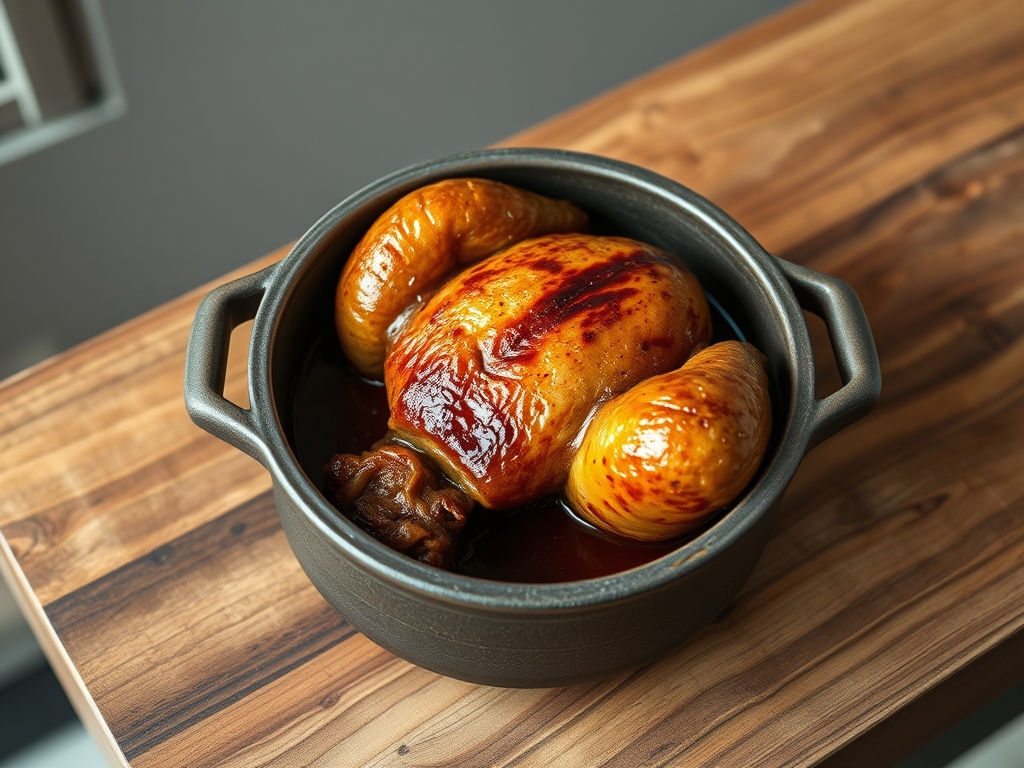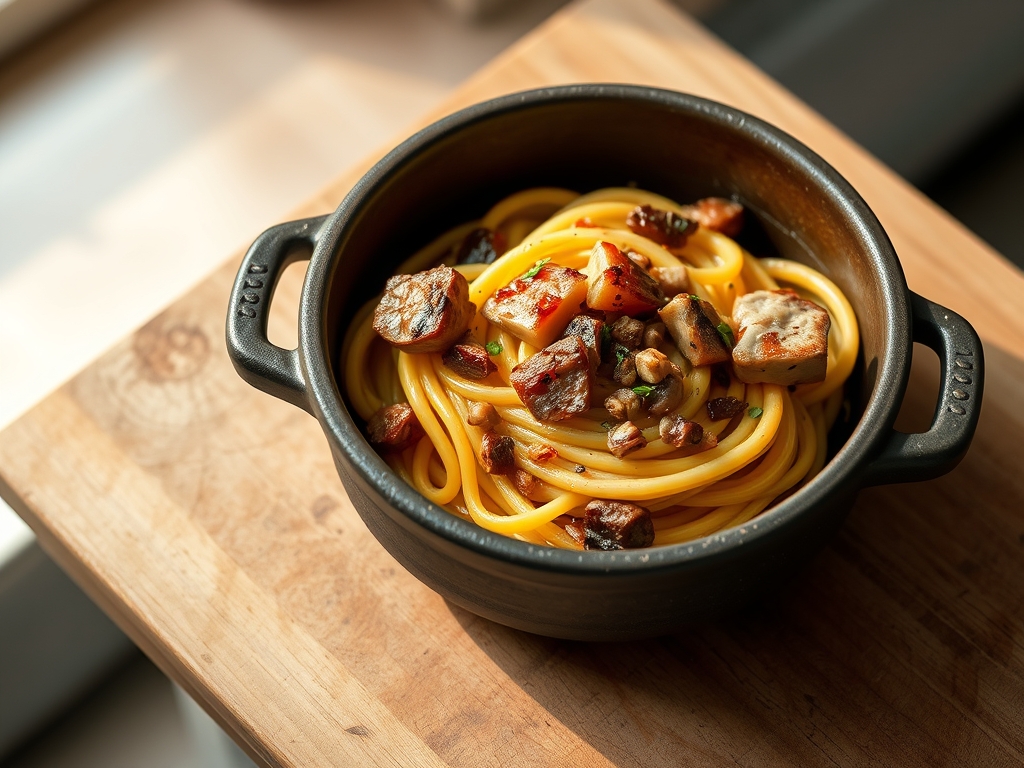
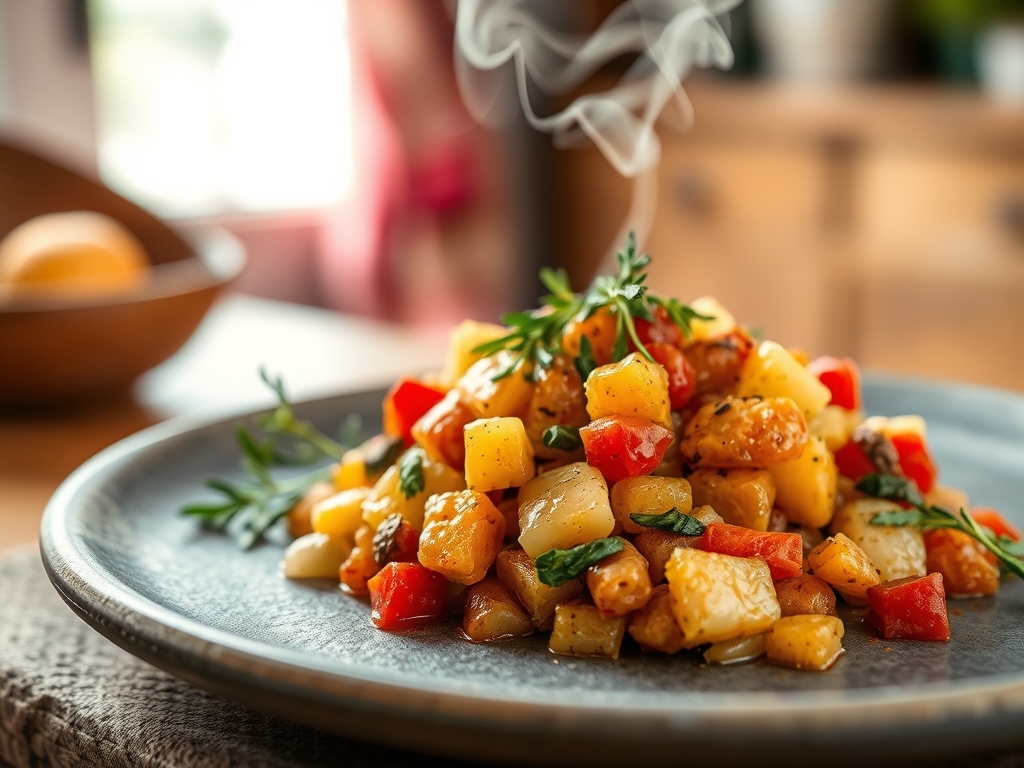
Forget the flavorless, canned slurry that haunted school cafeterias of the past. Real Native American Succotash is a masterclass in agricultural engineering; it is a high-octane synergy of the Three Sisters that fuels the body and the soul. Imagine the sharp snap of fresh sweet corn kernels meeting the creamy, buttery interior of a perfectly simmered lima bean. Picture the vibrant orange flesh of winter squash melting into a savory broth that has been enriched by rendered fat and aromatic herbs. This is not just a side dish; it is a structural marvel of culinary history. We are talking about a dish that defined survival and celebration for centuries. It relies on the chemical interplay of starch, sugar, and amino acids to create a nutritional profile that is as complete as any modern supplement. When you deglaze the pan and the steam carries that piquant aroma of earth and sun, you are witnessing a legacy of flavor. We are here to audit your kitchen infrastructure and ensure your execution of this legendary staple is nothing short of flawless.
THE DATA MATRIX
| Metric | Specification |
|---|---|
| Prep Time | 25 minutes |
| Execution Time | 35 minutes |
| Yield | 6-8 Servings |
| Complexity (1-10) | 4 |
| Estimated Cost per Serving | $1.45 |
THE GATHERS
Ingredient Protocol:
- 500g / 3 cups Fresh sweet corn kernels (approx. 4 ears)
- 450g / 2.5 cups Shelled lima beans or shell beans (fresh or frozen)
- 400g / 2 cups Butternut squash, diced into 1cm cubes
- 115g / 0.5 cup Salt pork or thick-cut bacon, diced
- 120ml / 0.5 cup Heavy cream or sunflower milk
- 30g / 2 tbsp Unsalted butter or rendered duck fat
- 1 Large yellow onion, finely minced
- 1 Red bell pepper, small dice
- 15g / 1 tbsp Fresh thyme, minced
- 5g / 1 tsp Smoked paprika
- Sea salt and cracked black pepper to taste
Section A: Ingredient Quality Audit:
If your corn is starchy and lacks that essential pop, it is likely past its prime. The sugars have converted to complex carbohydrates. To fix this, add a pinch of granulated sugar during the simmer phase to mimic the missing sweetness. If your lima beans are dry or "mealy," they require a longer hydration period. Ensure you are using a digital scale to measure your squash cubes; if they are uneven, they will not cook at the same rate, leading to a structural collapse where some pieces are mush and others are raw. Always opt for fresh herbs over dried. Dried thyme can often taste like dusty hay if it has sat in your pantry for more than six months.
THE MASTERCLASS
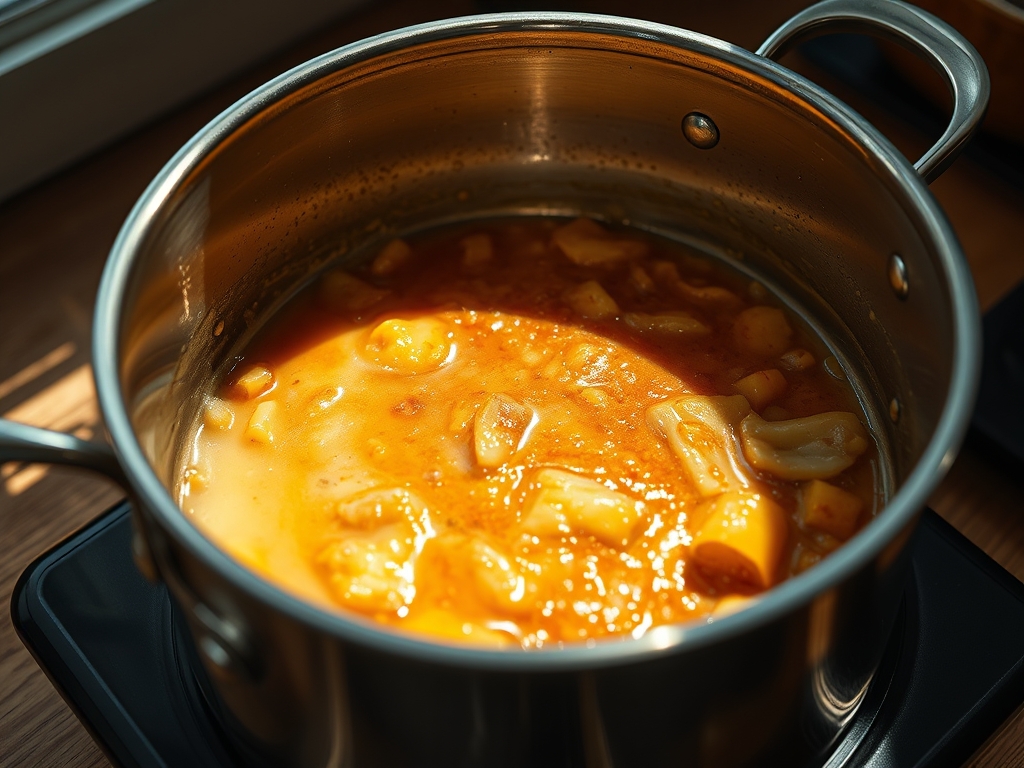
1. Rendering the Foundation
Begin by placing your diced salt pork or bacon into a cold saucier. Turn the heat to medium. This allows the fat to render slowly without scorching the proteins. Use a bench scraper to move your aromatics from the cutting board to the pan once the fat is translucent and the bits are crispy.
Pro Tip: Starting in a cold pan ensures maximum fat extraction. This fat serves as the primary lipid carrier for the fat-soluble compounds in the paprika and thyme, ensuring the flavor is distributed evenly throughout the matrix.
2. Sautéing the Aromatics
Add the onion and red bell pepper to the rendered fat. Sauté until the onions are translucent and have begun to infuse the oil with their sulfuric sweetness. Do not let them brown; we are looking for a soft, foundational texture rather than the bitter notes of a hard sear.
Pro Tip: Use a high-quality silicone spatula to scrape the bottom of the pan. This prevents the "fond" from burning, which would otherwise muddle the bright colors of the vegetables.
3. Integrating the Sisters
Incorporate the lima beans and the diced squash. Add just enough water or light vegetable stock to reach halfway up the vegetables. Cover and simmer for 10 to 12 minutes. The goal is to soften the cellulose structures of the beans and squash without compromising their individual integrity.
Pro Tip: This is where thermal mass matters. A heavy-bottomed pan distributes heat evenly, preventing "hot spots" that can cause the squash to disintegrate while the beans remain hard.
4. The Corn and Cream Phase
Add the fresh corn kernels and the heavy cream (or sunflower milk). The corn requires very little time to reach peak texture. Simmer uncovered for another 5 to 7 minutes until the liquid has reduced and become viscous, coating the vegetables in a luxurious glaze.
Pro Tip: The natural starches released by the corn act as a thickening agent. As the liquid reduces, the sauce becomes an emulsion of fat and starch, creating a velvety mouthfeel without the need for a flour-based roux.
5. Final Seasoning and Aeration
Turn off the heat. Stir in the butter and fresh thyme. Use a gentle folding motion to aerate the mixture, which helps the flavors bloom. Season aggressively with salt and pepper, tasting as you go to ensure the balance of sweet, salty, and savory is optimized.
Pro Tip: Adding the butter at the very end (a technique known as monter au beurre) creates a glossy finish and a fresh dairy note that would be lost if boiled.
Section B: Prep & Timing Fault-Lines:
The most common failure in Native American Succotash is "The Mush Factor." This happens when the squash is added too early or cut too small. If you find your timing is off and the beans are still tough while the squash is melting, remove the squash with a slotted spoon and set it aside. Continue simmering the beans until they reach the desired tenderness, then reintegrate. Another fault-line is temperature control; boiling the cream too vigorously can cause it to break, resulting in a grainy, oily sauce rather than a smooth emulsion.
THE VISUAL SPECTRUM
Section C: Thermal & Visual Troubleshooting:
Look closely at the Masterclass photo. You should see distinct boundaries between the yellow corn, green beans, and orange squash. If your dish looks like a monochromatic brown sludge, you have over-caramelized your onions or used too much heat during the reduction. To fix dull colors, add a splash of lemon juice or apple cider vinegar at the end; the acid brightens the pigments and cuts through the heavy fats. If the sauce looks thin, increase the heat for sixty seconds while stirring constantly to accelerate evaporation. The final product should look vibrant and "tight," with the sauce clinging to the vegetables rather than pooling at the bottom of the bowl.
THE DEEP DIVE
Macro Nutrition Profile:
This dish is a nutritional powerhouse. A single serving provides roughly 12g of protein, 8g of fiber, and a significant dose of Vitamin A and C. The combination of corn and beans creates a complete protein profile, containing all nine essential amino acids.
Dietary Swaps:
- Vegan: Replace salt pork with smoked olive oil and use sunflower milk or coconut cream instead of dairy.
- Keto: This dish is naturally high in carbs; however, you can tilt the ratio by doubling the squash (fiber-heavy) and reducing the corn.
- GF: Naturally gluten-free. Ensure your smoked paprika is certified GF to avoid cross-contamination.
Meal Prep & Reheating Science:
Succotash actually improves after 24 hours as the flavors continue to infuse. When reheating, do not use a microwave; it creates localized steam pockets that turn the beans rubbery. Instead, use a small skillet over low heat with a tablespoon of water to restore the moisture and maintain the molecular structure of the emulsion.
THE KITCHEN TABLE
Why are my lima beans still crunchy?
Starch retrogradation or old beans are the usual suspects. If using dried beans, ensure a 12-hour soak. If fresh beans stay hard, add a pinch of baking soda to the simmering liquid to break down the pectin.
Can I use frozen vegetables?
Absolutely. High-quality frozen vegetables are flash-frozen at peak ripeness. Just skip the initial water simmer and add them directly to the sautéed aromatics, as they require less time to reach the desired texture.
What is the best squash variety?
Butternut is the gold standard for its structural integrity. However, Kabocha or Hubbard squash provide a deeper, nuttier flavor profile. Avoid summer squashes like zucchini, as they contain too much water and will turn to mush.
How do I get more "smoke" without bacon?
Utilize a high-quality smoked sea salt or a dash of liquid smoke. You can also char the corn kernels over an open flame before cutting them off the cob to introduce a charred, campfire essence to the dish.