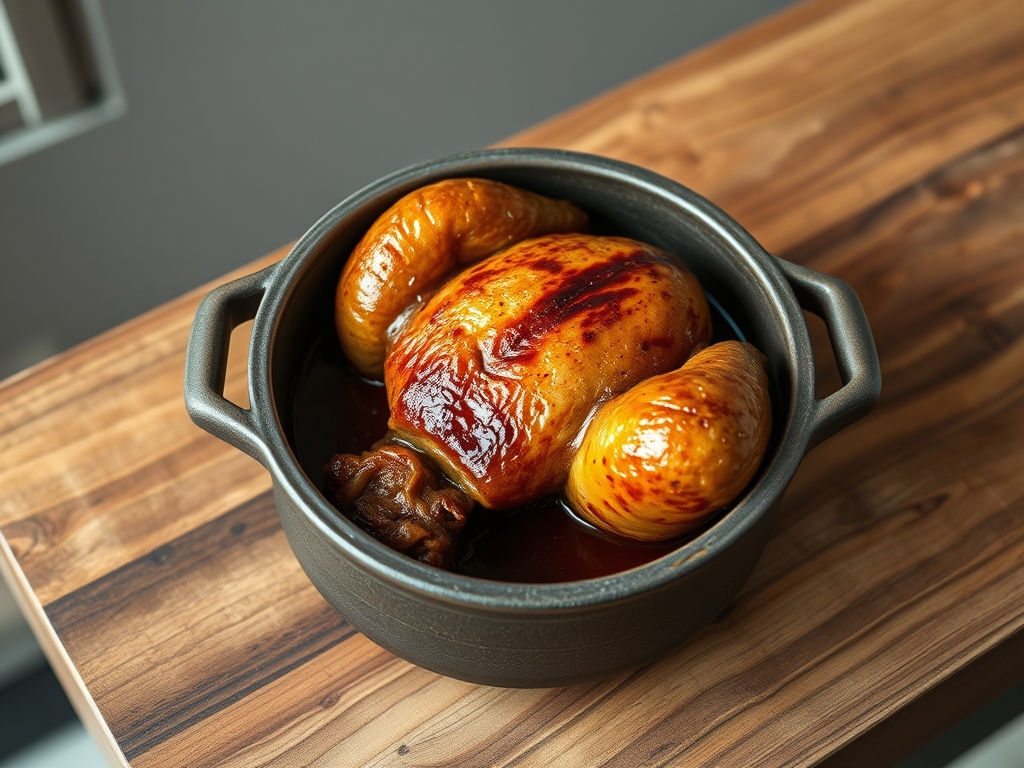
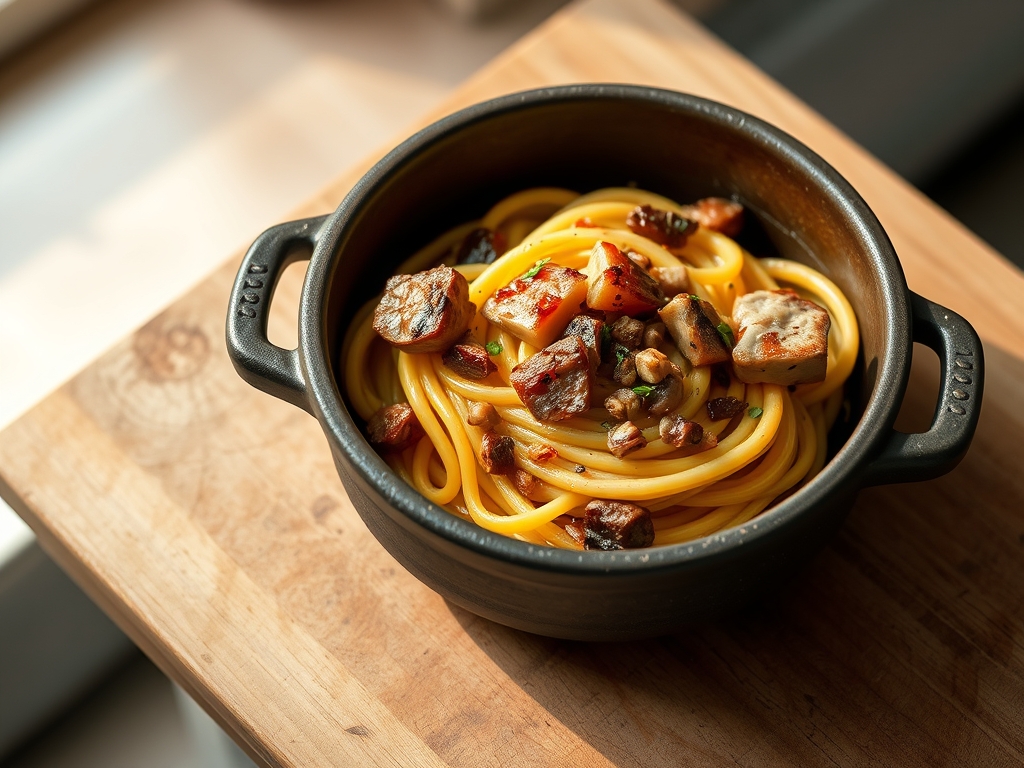
Listen to the sound of the pan. It is not a sizzle; it is a rhythmic, percussive crackle of guanciale fat rendering into a liquid gold state. This is the foundation of a true Italian Carbonara. We are not making a breakfast scramble, nor are we drowning pasta in a heavy cream shroud. We are conducting a high stakes symphony of lipid emulsification and protein coagulation. The air in the kitchen should be heavy with the piquant scent of aged Pecorino Romano and the sharp, floral bite of freshly cracked Tellicherry peppercorns. When the starch-heavy pasta water meets the rendered pork fat and the tempered egg yolks, a molecular transformation occurs. The result is a glossy, viscous veil that clings to every strand of al dente pasta with surgical precision. If your sauce is weeping water or clumping into sulfurous curds, your infrastructure has failed. It is time to audit your technique and reclaim the glory of this Roman masterpiece through the lens of pure culinary science.
THE DATA MATRIX
| Metric | Specification |
|---|---|
| Prep Time | 15 Minutes |
| Execution Time | 12 Minutes |
| Yield | 4 Servings |
| Complexity | 7/10 |
| Estimated Cost per Serving | $4.50 – $6.00 |
THE GATHERS
Ingredient Protocol:
- 400g / 14 oz Spaghetti or Rigatoni (Bronze-die extruded)
- 200g / 7 oz Guanciale (Cured pork cheek), sliced into batons
- 4 Large Egg Yolks + 1 Whole Egg (Room temperature)
- 75g / 2.5 oz Pecorino Romano, finely grated
- 25g / 0.8 oz Parmigiano Reggiano, finely grated
- 10g / 2 tsp Coarsely ground black pepper
- 5g / 1 tsp Sea salt (For pasta water only)
Section A: Ingredient Quality Audit:
Sub-par raw materials will compromise the structural integrity of your Italian Carbonara. If you use pre-grated cheese, the anti-caking agents (like cellulose) will prevent a smooth melt; the result will be a grainy, gritty texture. Fix this by using a microplane to grate your cheese into a cloud-like consistency just before use. If your guanciale is overly lean, you will lack the necessary lipids to form a stable emulsion. In this case, supplement the pan with 15ml of high-quality extra virgin olive oil to ensure the fat-to-protein ratio remains balanced. Finally, ensure your eggs are pasture-raised. The higher lecithin content in deep orange yolks acts as a superior natural emulsifier, creating a more resilient and vibrant sauce.
THE MASTERCLASS
Step 1: The Lipid Extraction
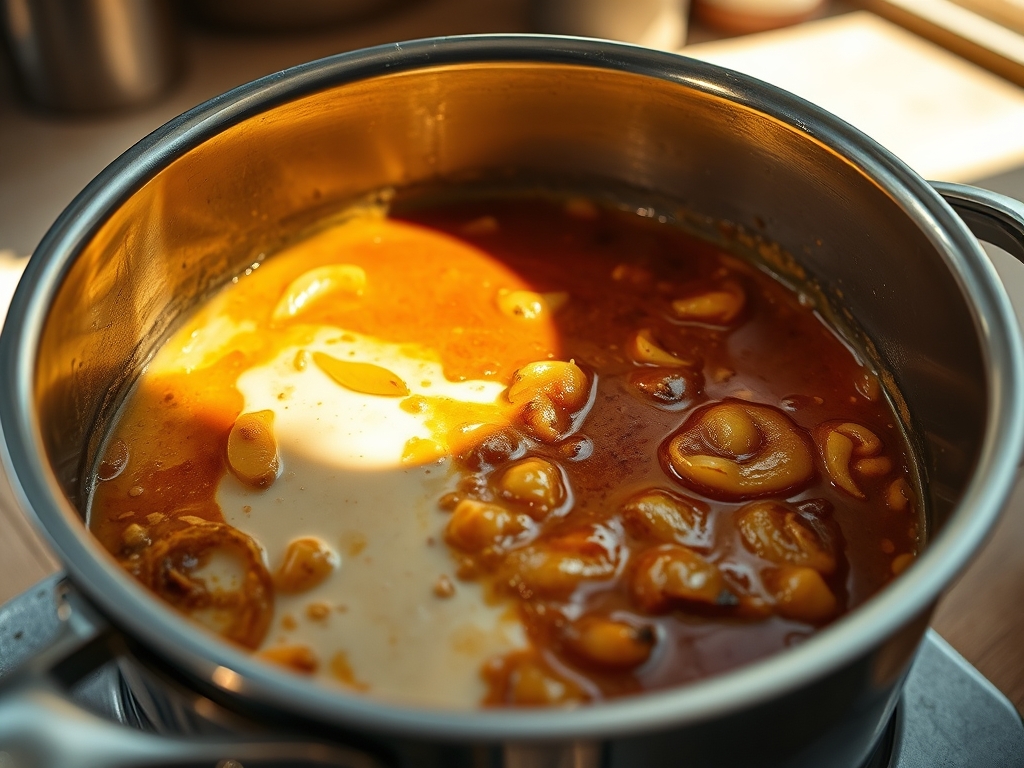
Place your guanciale batons into a cold saucier or heavy-bottomed skillet. Set the heat to medium-low. This gradual temperature increase allows the fat to render slowly without scorching the exterior of the meat. Use a bench scraper to move the pieces occasionally, ensuring even browning until the pork is golden and crisp.
Pro Tip: Starting with a cold pan is the secret to maximum fat extraction. This liquid fat is the "glue" for your emulsion. If the pan is too hot, the proteins seize, locking the fat inside the tissue instead of releasing it into the pan.
Step 2: The Tempering Matrix
While the pork renders, whisk your egg yolks, whole egg, and grated cheeses in a stainless steel mixing bowl. Add the black pepper. Use a digital scale to ensure your cheese-to-egg ratio is exact. The mixture should be a thick, pale yellow paste.
Pro Tip: This paste is a concentrated suspension. By mixing the cheese and eggs before they hit the heat, you create a protective buffer for the egg proteins, which raises their coagulation temperature and prevents scrambling.
Step 3: The Starch Infusion
Boil your pasta in a large pot of water salted to 0.5% salinity. Do not use the standard "salty as the sea" rule; the Pecorino is already high in sodium. Drain the pasta two minutes before the package's "al dente" time, reserving 250ml of the cloudy, starch-rich pasta water.
Pro Tip: The starch in the water acts as a stabilizer. It physically gets between the fat droplets and the water, preventing them from separating. This is the "bridge" that creates a viscous sauce rather than a greasy mess.
Step 4: The Emulsification Event
Transfer the hot pasta directly into the saucier with the rendered fat. Toss vigorously over medium heat to coat. Remove the pan from the heat entirely. This is the "kill zone" for the sauce. Pour in the egg and cheese mixture along with a splash of the reserved pasta water. Use tongs to whisk the pasta in a circular motion, creating mechanical shear.
Pro Tip: Mechanical energy is just as important as thermal energy. The rapid movement helps to aerate the sauce and distribute the lipids evenly across the surface area of the pasta.
Section B: Prep & Timing Fault-Lines:
The primary cause of failure in Italian Carbonara is thermal mismanagement. If the pasta is too hot when the eggs are added, the proteins denature instantly, resulting in "scrambled egg" pasta. Conversely, if the pasta is too cool, the cheese will not melt, leaving you with a raw egg soup. The sweet spot for emulsification is between 62C and 65C (144F to 149F). Use an infrared thermometer if you are unsure. If the sauce is too thick, add pasta water one tablespoon at a time. If it is too thin, continue whisking off the heat; the residual heat of the pasta will eventually tighten the proteins.
THE VISUAL SPECTRUM
Section C: Thermal & Visual Troubleshooting:
Observe the Masterclass photo. The sauce should possess a high-gloss sheen, reflecting light without looking oily. If your dish looks dull or matte, you likely lacked enough pasta water or fat to complete the emulsion. If you see white specks, those are coagulated egg whites; next time, ensure your whole egg is fully integrated into the yolks before adding to the pan. The guanciale should show a deep mahogany Maillard reaction, providing a structural contrast to the creamy sauce. If the pork looks grey, you crowded the pan, causing the meat to steam rather than fry. To fix a broken, oily sauce, add a teaspoon of hot pasta water and whisk violently to re-incorporate the fats.
THE DEEP DIVE
Macro Nutrition Profile
A standard serving of Italian Carbonara is calorically dense, providing approximately 650 calories. It is high in protein (approx 30g) due to the eggs and cured pork, and high in fats (approx 35g). The carbohydrate count sits around 55g. While high in sodium, it provides significant amounts of Vitamin A and Calcium from the high-quality dairy and egg components.
Dietary Swaps
- Vegan: Replace guanciale with smoked king oyster mushrooms (sautéed in liquid smoke and soy). Use a "cream" made of blended soaked cashews, nutritional yeast, and black salt (kala namak) for the sulfurous egg flavor.
- Keto: Substitute pasta with shirataki noodles or zucchini ribbons. Increase the guanciale portion to boost the fat-to-carb ratio.
- Gluten-Free: Use high-quality corn or brown rice-based pasta. Ensure the pasta water is supplemented with a teaspoon of cornstarch to mimic the missing wheat starch necessary for the emulsion.
Meal Prep & Reheating Science
Carbonara is notoriously difficult to reheat because the emulsion is fragile. To maintain molecular structure, do not use a microwave; the localized high heat will scramble the eggs. Instead, place the leftovers in a pan with a tablespoon of water or milk over very low heat. Stir constantly to gently re-liquefy the fats and starches without breaking the protein bonds.
THE KITCHEN TABLE
Why is my Carbonara sauce always clumping?
Clumping is usually caused by adding eggs to a pan that is still on the burner. The direct heat exceeds the 65C threshold, causing the proteins to tighten into solids. Always emulsify off the heat using residual pasta warmth.
Can I use bacon instead of guanciale?
You can, but the flavor profile changes. Bacon is smoked, whereas guanciale is cured with herbs and pepper. If using bacon, choose a thick-cut, unsmoked variety to keep the flavor profile closer to the Roman original.
Do I really need the pasta water?
Yes. Pasta water contains the starch required to bind the fat from the pork to the liquid in the eggs. Without it, the fat will simply slide off the pasta and pool at the bottom of the bowl.
Is it safe to eat the "raw" eggs?
The eggs are not raw; they are tempered. The residual heat of the pasta (around 70C-80C) is sufficient to pasteurize the eggs while you whisk, making the sauce safe to consume while maintaining its creamy, non-solid state.