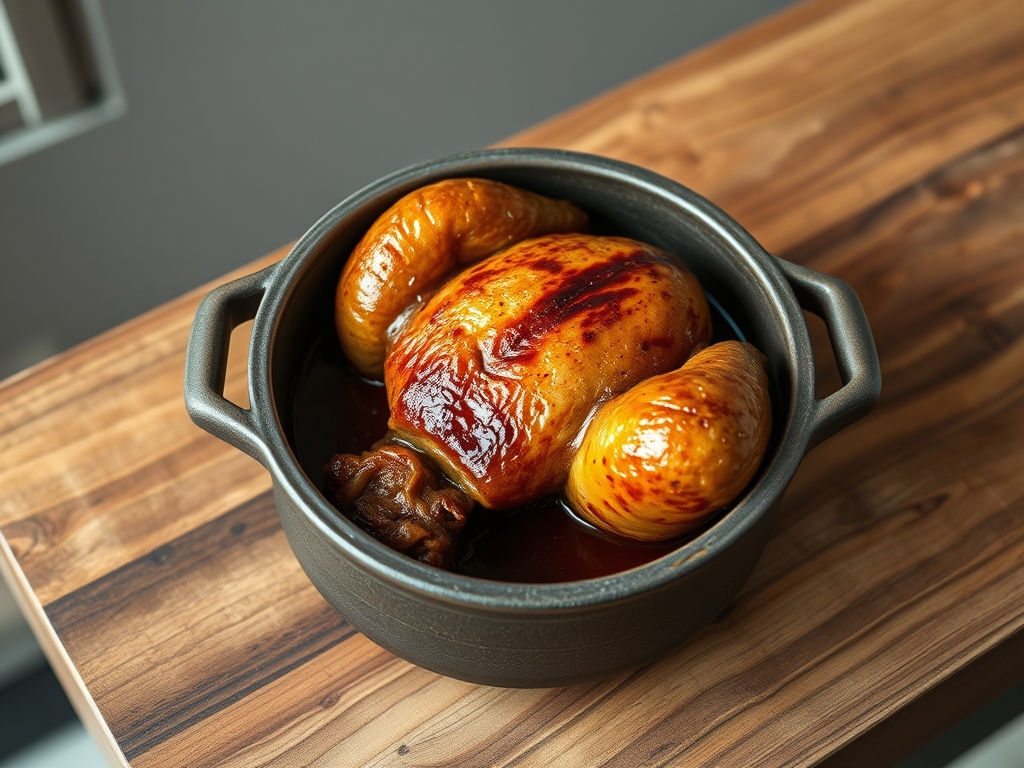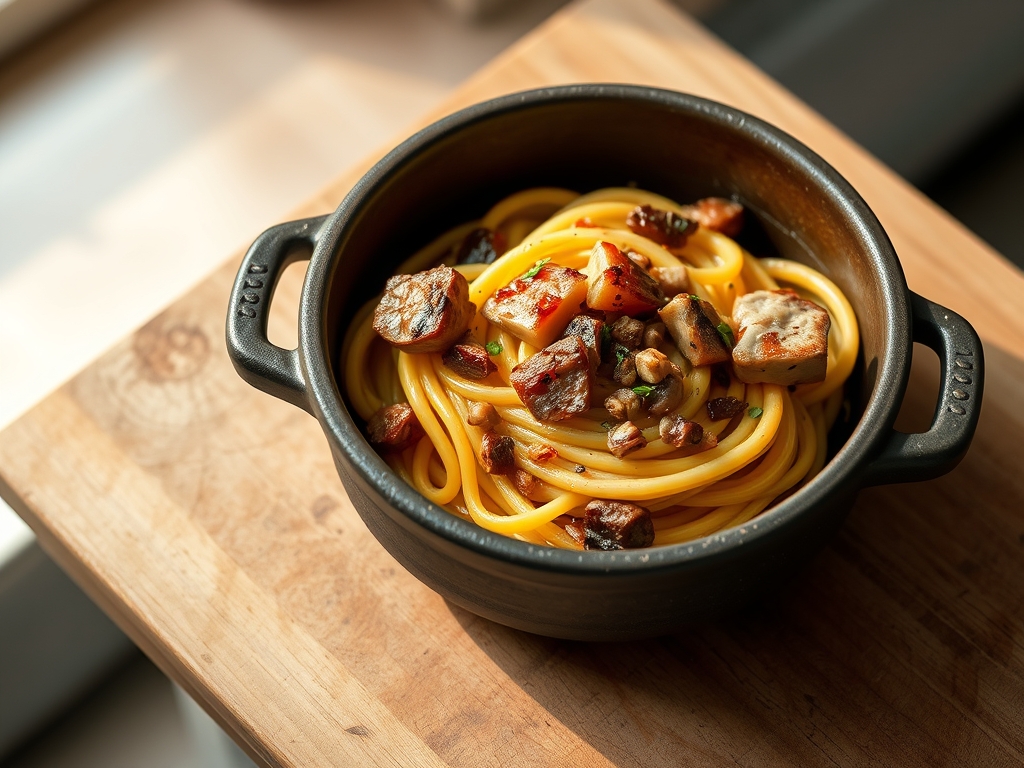
Imagine the sheer terror of a structural collapse. You have spent four hours meticulously searing a center-cut filet, wrapping it in a luxurious layer of salty prosciutto, and encasing it in a golden, buttery lattice. You carve the first slice of your British Beef Wellington, expecting a crisp snap of pastry, only to witness the dreaded "soggy bottom." This is not merely a culinary failure; it is an engineering catastrophe. The culprit is almost always the mushroom duxelles. This humble fungal paste is the primary infrastructure of the dish, acting as both a flavor bomb and a critical moisture barrier. If your duxelles is too viscous or retains excess water, the steam will migrate directly into the dough, turning your puff pastry into a limp, grey sponge. To master the British Beef Wellington, you must treat your mushrooms like a construction project. We are talking about total moisture extraction and the creation of a dense, savory mortar that protects the integrity of the crust while providing a piquant earthiness that defines this iconic centerpiece.
THE DATA MATRIX
| Metric | Specification |
|---|---|
| Prep Time | 45 Minutes |
| Execution Time | 90 Minutes |
| Yield | 6 Servings |
| Complexity | 8 / 10 |
| Estimated Cost per Serving | $18.50 – $24.00 |
THE GATHERS
Ingredient Protocol:
- Center-Cut Beef Tenderloin (Chateaubriand): 1 kg / 2.2 lbs
- Cremini or Button Mushrooms: 500g / 1.1 lbs
- Prosciutto di Parma (Thinly Sliced): 120g / 4.2 oz
- English Mustard: 30ml / 2 tbsp
- All-Butter Puff Pastry: 500g / 17.6 oz
- Egg Yolks (For Wash): 2 Large
- Shallots (Finely Minced): 2 Large
- Fresh Thyme Leaves: 5g / 1 tsp
- Unsalted Butter: 30g / 2 tbsp
- Dry White Wine or Sherry: 60ml / 0.25 cup
Section A: Ingredient Quality Audit:
If your mushrooms look slimy or bruised, they are already carrying too much cellular water. Technical Fix: If you must use older mushrooms, pulse them in a food processor until they are nearly a paste and dry-sauté them without fat first to render out the moisture before adding butter. If your puff pastry feels greasy at room temperature, the butter has already begun to melt, which destroys the lamination. Technical Fix: Immediately return the dough to the freezer for ten minutes to re-solidify the fat. For the beef, if it lacks a deep red hue, it may have been "wet-aged" too long in plastic. Pat it dry with surgical precision using paper towels to ensure a proper Maillard reaction during the sear.
THE MASTERCLASS
1. The Sear and Seal
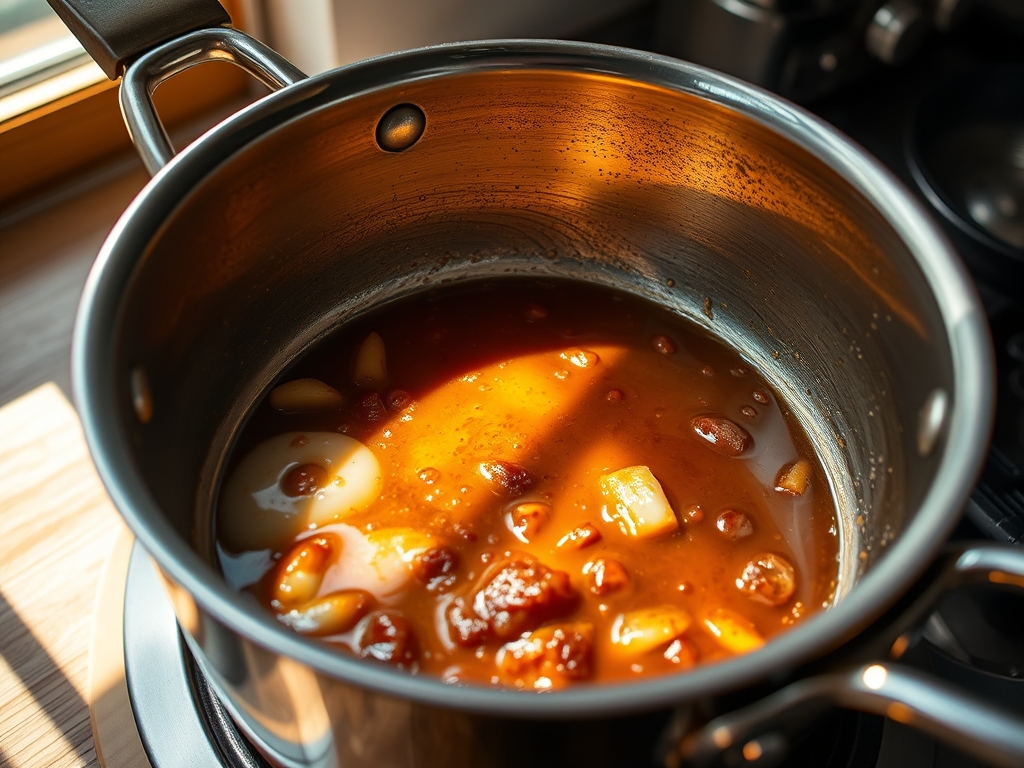
Season the beef aggressively with kosher salt. Heat a heavy-bottomed stainless steel saucier or cast-iron skillet until it smokes. Sear the beef for no more than 60 seconds per side to develop a crust without cooking the interior. Remove and immediately brush with English mustard while hot.
Pro Tip: Brushing the mustard onto the hot meat allows the heat to infuse the spice into the outer fibers of the beef, creating a chemical bridge for the duxelles to adhere to later.
2. The Duxelles Dehydration
Pulse mushrooms in a food processor until finely minced. Place them in a dry pan over medium-high heat. Once they release their liquid, add the minced shallots, thyme, and butter. Continue cooking until the mixture is a thick, dark paste that leaves a clean trail when a bench scraper is pulled through it.
Pro Tip: Use a digital scale to weigh your mushrooms before and after cooking. You should lose approximately 50% of the weight in water to ensure the duxelles is stable enough to support the pastry.
3. The Prosciutto Infrastructure
Lay a sheet of plastic wrap on your work surface. Arrange the prosciutto slices in an overlapping rectangle. Spread the cooled duxelles in an even, thin layer over the ham. Place the beef at one end and roll it tightly into a cylinder using the plastic wrap to provide tension.
Pro Tip: This "crepe" or ham layer acts as a secondary moisture barrier. The salt in the prosciutto helps emulsify any stray juices that escape the beef during the roasting process.
4. The Pastry Encasement
Roll out your chilled puff pastry. Unwrap the beef cylinder and place it in the center. Brush the edges with egg wash. Fold the pastry over, trim the excess with a sharp knife, and seal the seams. Wrap the entire log in plastic again and chill for at least 30 minutes.
Pro Tip: Chilling the Wellington before baking is non-negotiable. It allows the gluten to relax and ensures the fat in the pastry stays cold, which is essential to aerate the dough into flaky layers.
5. The Final Thermal Assault
Score the top of the pastry with a decorative pattern, being careful not to cut through to the meat. Brush with a double-coat of egg yolk. Bake at 200C (400F) until the internal temperature of the beef reaches 48C (118F) for rare or 52C (125F) for medium-rare.
Pro Tip: Use a high-quality probe thermometer. The carry-over cooking will raise the temperature by another 5 degrees while the meat rests. Resting is vital to let the internal juices redistribute so they do not flood the pastry upon slicing.
Section B: Prep & Timing Fault-Lines:
The most common human error is rushing the cooling phases. If you apply warm duxelles to the prosciutto, or wrap warm beef in pastry, you create a thermal bridge that melts the structural fats. Technical Fix: Use an ice bath to rapidly cool your duxelles. Another fault-line is the "leaky seam." If the pastry is not sealed tightly at the base, the beef juices will find the path of least resistance and escape. Use a bench scraper to tuck the pastry under the beef firmly before the final chill.
THE VISUAL SPECTRUM
Section C: Thermal & Visual Troubleshooting:
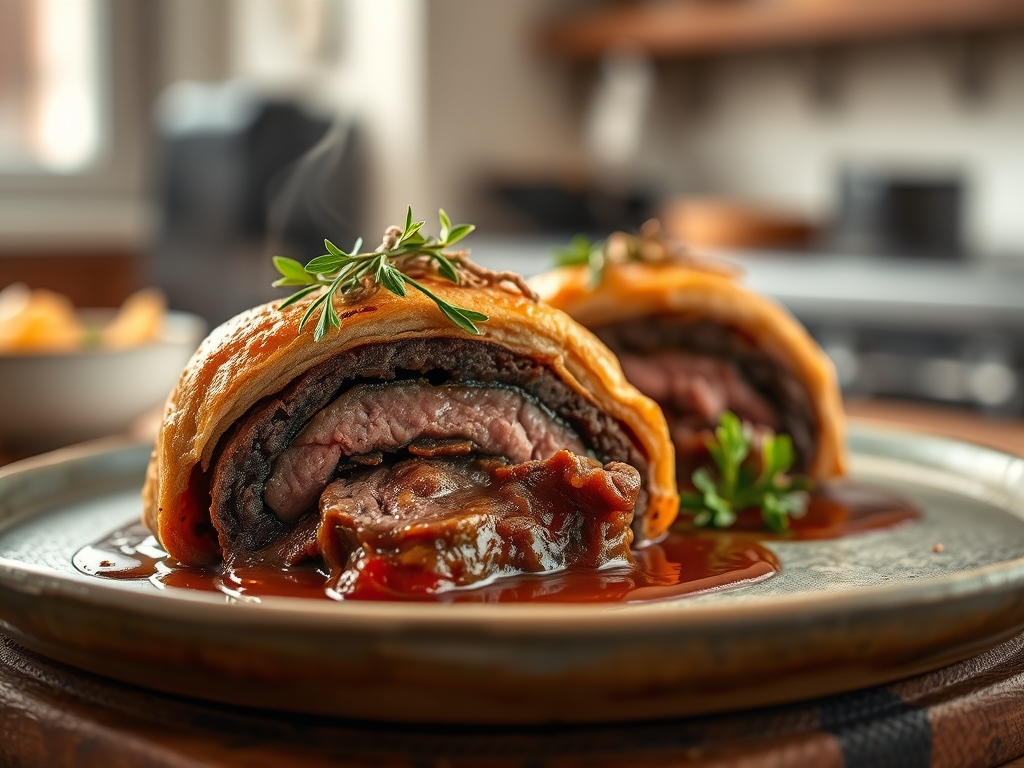
In the Masterclass photo, observe the deep mahogany sheen of the crust. If your Wellington looks pale or "blonde," your oven temperature was likely too low or your egg wash was too thin. Solution: Use only the yolks for the wash, as the proteins and fats provide the richest color. If you see a "grey ring" of overcooked meat around the pink center, your initial sear was too long or your oven was too hot. Solution: Ensure the beef is fridge-cold before the initial sear to protect the core. If the pastry has pulled away from the meat, creating a gap, the duxelles was likely too thick or unevenly applied. Aim for a consistent 3mm layer of mushroom paste for maximum structural integrity.
THE DEEP DIVE
Macro Nutrition Profile:
A standard serving of British Beef Wellington is calorically dense, typically providing 650 to 850 calories. It is high in protein (45g) and fats (40g), with carbohydrates (30g) coming primarily from the pastry.
Dietary Swaps:
- Vegan: Replace the beef with a roasted center-cut butternut squash and use a vegan-certified puff pastry. Use miso paste in the duxelles for depth.
- Keto: This is difficult due to the pastry. However, you can wrap the beef and duxelles in a cabbage leaf and then a fat-head dough (almond flour and mozzarella).
- GF: Use a high-quality gluten-free puff pastry; ensure it is kept extremely cold as GF doughs are notoriously fragile.
Meal Prep & Reheating Science:
You can assemble the Wellington up to 24 hours in advance, but do not score or egg-wash it until the moment it goes into the oven. To reheat leftovers without ruining the molecular structure, avoid the microwave at all costs. Use a wire rack in a 150C (300F) oven to allow hot air to circulate around the pastry, crisping the bottom while gently warming the beef.
THE KITCHEN TABLE
Why is my duxelles always watery?
You likely crowded the pan. Cook the mushrooms in batches or use a wider skillet. The goal is evaporation; if the mushrooms are piled high, they will steam in their own juices rather than brown and dry.
Can I use dried mushrooms?
Yes, but they must be fully rehydrated and then squeezed bone-dry. Incorporating some rehydrated porcini into your fresh cremini mix will infuse the dish with a much more intense, earthy "forest floor" aroma.
How do I prevent the bottom from soaking?
Ensure the duxelles is cold and dry. Some chefs add a thin savory crepe between the duxelles and the pastry. This "sacrificial layer" absorbs any moisture before it can reach the dough.
My pastry didn't puff. What happened?
The oven wasn't hot enough or the dough was handled too much. The "puff" relies on the water in the butter turning to steam and lifting the layers. If the butter melts before the steam forms, you get a flat, greasy crust.