The scent of molten alpine gold is not merely a fragrance; it is a chemical broadcast of high-order lipids and fermented proteins. When you approach a pot of Swiss Cheese Fondue, you are not just looking at dinner. You are observing a high-stakes emulsification event where the delicate balance between protein, fat, and water is maintained by the sheer force of thermal regulation and acidic intervention. The air in the room thickens with the piquant aroma of aged Gruyere and the sharp, floral notes of dry white wine. This is the ultimate test for any culinary infrastructure auditor. One wrong move, one degree of temperature deviation, and your smooth masterpiece collapses into a rubbery clump of protein drowning in a sea of separated yellow oil. We are here to ensure that never happens. We demand a viscous, velvety texture that clings to a cube of crusty bread with the tenacity of a mountain climber. Prepare your sensors; we are about to audit the most iconic dairy suspension in the culinary canon.
THE DATA MATRIX
| Metric | Specification |
|---|---|
| Prep Time | 20 Minutes |
| Execution Time | 15 Minutes |
| Yield | 4 Servings |
| Complexity (1-10) | 7 |
| Estimated Cost per Serving | $12.00 – $15.00 |
THE GATHERS
Ingredient Protocol:
- 450g / 1 lb Gruyere cheese (shredded)
- 225g / 0.5 lb Emmentaler cheese (shredded)
- 350ml / 1.5 cups Dry white wine (Sauvignon Blanc or Fendant)
- 15ml / 1 tbsp Lemon juice
- 25g / 3 tbsp Cornstarch
- 30ml / 2 tbsp Kirsch (cherry brandy)
- 1 clove Fresh garlic (halved)
- 2g / 0.5 tsp Ground nutmeg
- 1g / 0.25 tsp White pepper
Section A: Ingredient Quality Audit:
The primary failure point in Swiss Cheese Fondue is the selection of "pre-shredded" bagged cheese. These products are coated in potato starch or cellulose to prevent clumping in the bag; however, these anti-caking agents interfere with the molecular bonding required for a smooth melt. Audit your cheese: it must be freshly grated from a high-moisture block. If your wine is too low in acidity, the proteins (casein) will not break down effectively, leading to a "stringy" texture. To fix this, increase your lemon juice measurement by 5ml to lower the pH and encourage a more stable emulsion. If the Kirsch is omitted, you lose the subtle chemical bridge that links the fruity esters of the wine with the earthy fats of the cheese.
THE MASTERCLASS
Step-by-Step Execution:
1. Vessel Preparation and Rub
Take your halved garlic clove and aggressively rub the interior of a heavy-bottomed ceramic caquelon or a stainless steel saucier. This ensures the garlic oils infuse the vessel surface without adding bitter, burnt solids to the mix.
Pro Tip: Use a digital scale to measure your cheese by weight rather than volume. Volume is deceptive; density determines the fat-to-acid ratio required for a perfect viscous flow.
2. The Acidic Foundation
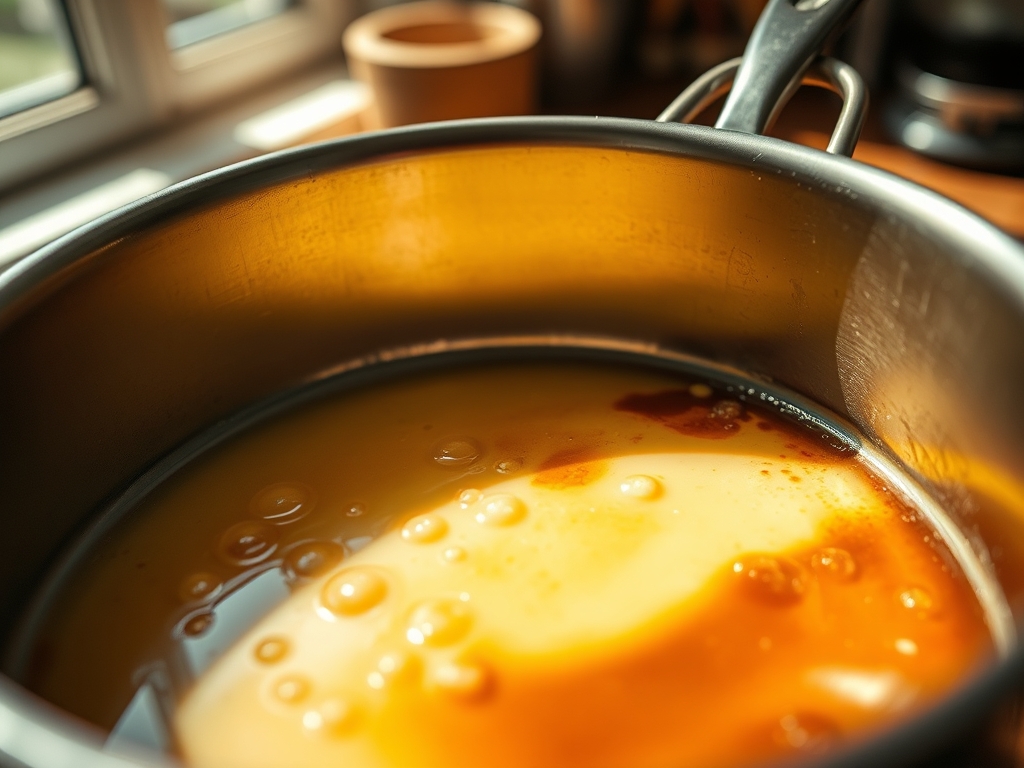
Pour the wine and lemon juice into the pot. Bring the liquid to a gentle simmer over medium heat. Do not let it reach a rolling boil, as excessive evaporation will concentrate the alcohol and potentially break the final suspension.
Pro Tip: The wine acts as the solvent. The tartaric acid in the wine prevents the cheese proteins from cross-linking into a rubbery mass. Professional chefs use a thermocouple thermometer to keep the liquid between 175 and 185 degrees Fahrenheit.
3. The Starch Barrier
In a small bowl, toss your shredded cheese with the cornstarch until every strand is evenly coated. This creates a physical barrier that slows down the melting process, allowing the fats and proteins to integrate gradually.
Pro Tip: Use a bench scraper to move your freshly grated cheese from the cutting board to the bowl. This prevents the warmth of your hands from prematurely softening the fats.
4. Incremental Integration
Add the cheese to the simmering wine one handful at a time. Use a wooden spoon or a silicone whisk to stir in a figure-eight motion. Do not add more cheese until the previous handful has completely melted and rendered into the liquid.
Pro Tip: The figure-eight motion ensures maximum aeration and prevents the cheese from settling at the bottom of the saucier, where it would surely scorch.
5. The Final Stabilization
Once all the cheese is incorporated, stir in the Kirsch, nutmeg, and white pepper. Continue to stir for another 2 to 3 minutes until the mixture is thick, glossy, and bubble-free.
Pro Tip: If the mixture looks "broken" or oily, whisk in a slurry of cold wine and a teaspoon of cornstarch. This provides extra surface area for the fat globules to latch onto, restoring the emulsion.
Section B: Prep & Timing Fault-Lines:
The most common human error is "thermal impatience." If you crank the heat to speed up the melt, the proteins will shrink and squeeze out the fat, resulting in a puddle of oil on top of a lump of "chewing gum." If your timing is off and the guests are not ready, do not keep the fondue on high heat. Transfer it to a tea-light fueled stand immediately. The low, indirect heat is the only way to maintain the molecular structure without degradation.
THE VISUAL SPECTRUM
Section C: Thermal & Visual Troubleshooting:
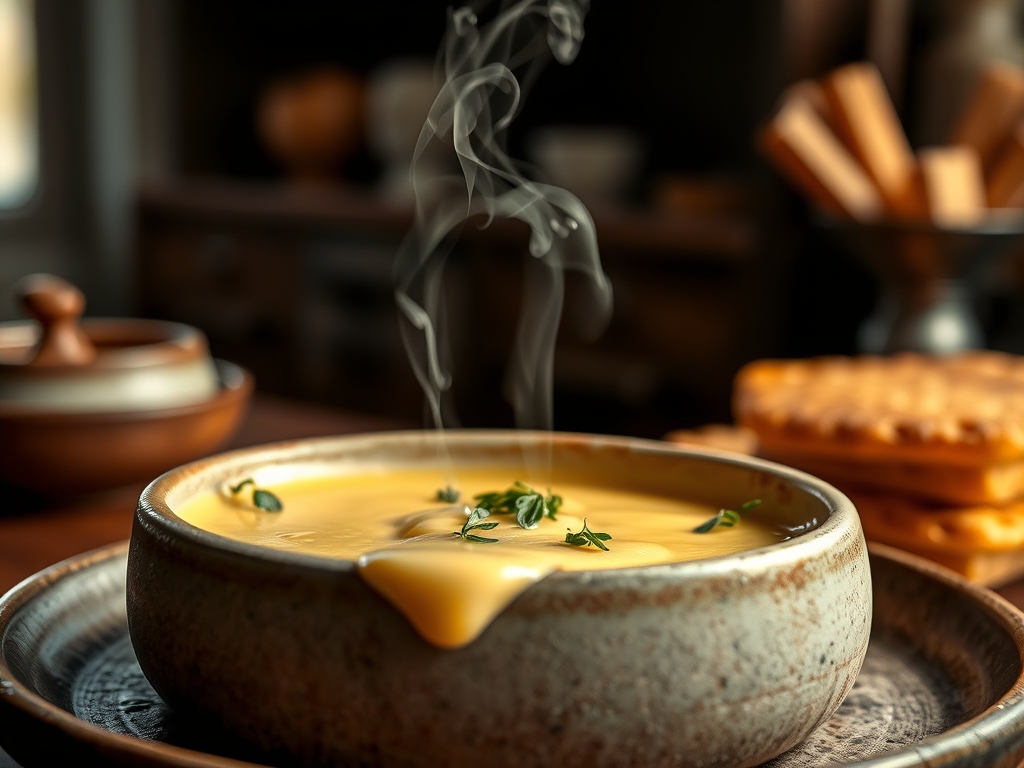
Referencing the Masterclass photo above, a successful fondue should exhibit a "satin sheen." If the surface appears dull or matte, the temperature is likely too low, causing the starch to hydrate unevenly. If you see "beading" (tiny yellow droplets), the emulsion is on the verge of collapse; whisk vigorously to re-incorporate the lipids. The color should be a pale ivory with flecks of spice. If the color turns tan or brown, you have reached the Maillard reaction on the bottom of the pot, indicating the heat was too high. The ideal texture is "nappe," meaning it should coat the back of a spoon and hold its shape for three seconds before dripping.
THE DEEP DIVE
Macro Nutrition Profile
Swiss Cheese Fondue is a calorie-dense fuel source. A single serving provides approximately 450 calories, 32g of fat, 25g of protein, and 8g of carbohydrates. It is exceptionally high in calcium and phosphorus but also carries a significant sodium load.
Dietary Swaps (Vegan/Keto/GF)
- Vegan: Use a base of soaked cashews blended with nutritional yeast, lactic acid, and miso paste to replicate the piquant profile.
- Keto: Replace the cornstarch with 0.5 tsp of xanthan gum. Use cauliflower florets instead of bread for dipping.
- GF: Ensure your Kirsch is certified gluten-free and use GF baguette rounds.
Meal Prep & Reheating Science
Reheating fondue is notoriously difficult because the emulsion is fragile. To reheat, add 20ml of white wine to a small pot and bring to a simmer. Add the leftover cold "cheese cake" in small chunks, whisking constantly. The addition of fresh acid and mechanical agitation is the only way to re-stabilize the broken protein chains.
THE KITCHEN TABLE
Why does my fondue get stringy?
Stringiness occurs when the pH is too high or the heat is too low. The proteins stay coiled together instead of relaxing into the liquid. Add a squeeze of lemon juice and increase the heat slightly to fix the viscosity.
Can I use beer instead of wine?
Yes, beer fondues are popular in alpine regions. However, beer has less natural acidity than wine. You must add a teaspoon of cream of tartar or extra lemon juice to ensure the cheese melts smoothly without separating.
What is the best bread for dipping?
A day-old sourdough or crusty baguette is superior. The "stale" nature of the bread provides a sturdy matrix that can handle the weight of the viscous cheese without falling off the fork into the pot.
What is "La Religieuse"?
This is the "nun" or the toasted crust of cheese that forms at the bottom of the pot. It is a prized delicacy. If your audit was successful, this crust should be golden brown and easily peeled away with a bench scraper.