Listen to the sound of the high-heat audit. That rhythmic hiss as cold muscle meets a searing stainless steel surface is the opening movement of a culinary symphony. We are not merely making dinner; we are conducting a high-stakes investigation into the molecular stability of Russian Beef Stroganoff. This dish is a structural marvel of the 19th-century elite, demanding a precise equilibrium between the piquant acidity of cultured dairy and the deep, savory richness of hydrolyzed beef proteins. If your sauce breaks, your reputation breaks with it. If your beef is gray and flaccid, you have failed the most basic Maillard test. We require a golden-brown crust, a viscous, velvet-coated sauce, and a flavor profile that punches through the palate with the force of a Siberian winter. Prepare your station for a rigorous technical examination. We are moving beyond the realm of the home cook and into the territory of the culinary infrastructure auditor, where every gram of fat and every degree of thermal energy is accounted for.
THE DATA MATRIX
| Metric | Specification |
|---|---|
| Prep Time | 25 minutes |
| Execution Time | 20 minutes |
| Yield | 4 Servings |
| Complexity | 6 / 10 |
| Estimated Cost per Serving | $7.50 – $9.50 |
THE GATHERS
Ingredient Protocol:
- 680g / 1.5 lbs Beef Tenderloin or Ribeye (thinly sliced)
- 450g / 1 lb Cremini Mushrooms (quartered)
- 240ml / 1 cup Sour Cream (full fat, room temperature)
- 250ml / 1 cup Beef Bone Broth (high gelatin content)
- 120g / 1 large Yellow Onion (finely diced)
- 30g / 2 tbsp All-Purpose Flour
- 30ml / 2 tbsp Dijon Mustard
- 15ml / 1 tbsp Worcestershire Sauce
- 45g / 3 tbsp Unsalted Butter (high butterfat)
- 15ml / 1 tbsp Neutral Oil (high smoke point)
- 10g / 2 tsp Smoked Paprika
- 5g / 1 tsp Fine Sea Salt
- 3g / 0.5 tsp Freshly Ground Black Pepper
- 340g / 12 oz Wide Egg Noodles
Section A: Ingredient Quality Audit:
The primary failure point in most Russian Beef Stroganoff iterations is the protein selection. If you utilize a lean, tough cut like round steak, the rapid sear required will result in a rubbery texture. Use a digital scale to ensure your ratios are exact. If your mushrooms look shriveled, they lack the cellular moisture to render properly; fix this by soaking them in ice water for ten minutes and drying thoroughly before the sear. If your sour cream is low-fat, the lack of lipid stability will cause the sauce to split upon contact with heat. Always audit your dairy for at least 18 percent milkfat to ensure a stable emulsion.
THE MASTERCLASS
Step-by-Step Execution:
1. The Protein Sear
Pat the beef dry with surgical precision. Season with salt and pepper. Heat your oil in a heavy-bottomed saucier until it reaches the shimmering point. Sear the beef in small batches to prevent the temperature from dropping, which leads to steaming rather than browning. Remove once a deep crust forms.
Pro Tip: This is the Maillard reaction in action. By keeping the batches small, you maintain high thermal mass, ensuring the surface sugars and amino acids reorganize into complex, savory compounds rather than boiling in their own juices.
2. Fungal Reduction and Aromatics
Add half the butter to the pan. Toss in the mushrooms and do not move them for three minutes. Once they have released their moisture and browned, add the onions. Use a bench scraper to move any stray onion bits into the heat zone. Sauté until translucent.
Pro Tip: Mushrooms are cellular sponges. By allowing them to sear undisturbed, you render out the water and concentrate the umami. Adding the onions later prevents them from burning while the mushrooms reach their peak texture.
3. The Roux and Deglaze
Add the remaining butter and the flour. Stir constantly for two minutes to cook out the raw starch flavor. Gradually pour in the beef broth while whisking vigorously to aerate the mixture and prevent lumps. Add the Dijon and Worcestershire sauce.
Pro Tip: This creates a secondary thickening agent. The flour particles coat the fat droplets, which will later help stabilize the sour cream. Using a whisk ensures that the starch granules are evenly distributed throughout the liquid phase.
4. The Sour Cream Integration
Reduce the heat to the lowest setting. Take a small amount of the hot sauce and whisk it into your room-temperature sour cream in a separate bowl. This is called tempering. Slowly fold the tempered mixture back into the saucier.
Pro Tip: Tempering prevents thermal shock. If you drop cold sour cream into a boiling liquid, the proteins denature instantly and clump together, ruining the viscous mouthfeel. A gradual temperature climb keeps the emulsion intact.
5. Final Infusion and Plating
Return the beef and any accumulated juices to the pan. Stir gently to infuse the meat with the sauce for sixty seconds. Serve immediately over buttered egg noodles, garnished with a dusting of smoked paprika and fresh parsley.
Pro Tip: Do not boil the sauce once the beef returns. You only want to bring the internal temperature of the meat back to serving range. Overheating at this stage will toughen the beef and potentially break the delicate dairy bonds.
Section B: Prep & Timing Fault-Lines:
The most common human error is the "crowded pan" syndrome. When you overload the cooking surface, the temperature drops below the threshold for browning, and you end up with gray, boiled beef. Use a digital thermometer to ensure your pan stays above 200C (400F) between batches. Another fault-line is the "cold dairy" mistake. If you forget to pull your sour cream from the fridge early, you can gently warm the container in a bowl of tepid water to bring it to room temperature before tempering.
THE VISUAL SPECTRUM
Section C: Thermal & Visual Troubleshooting:
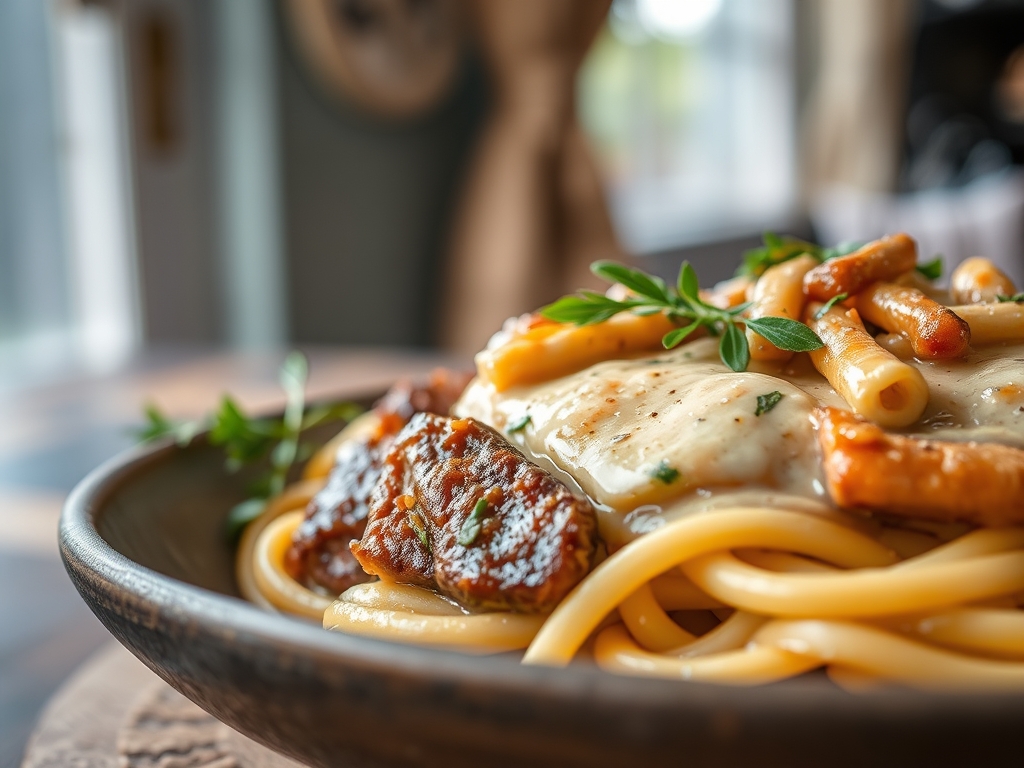
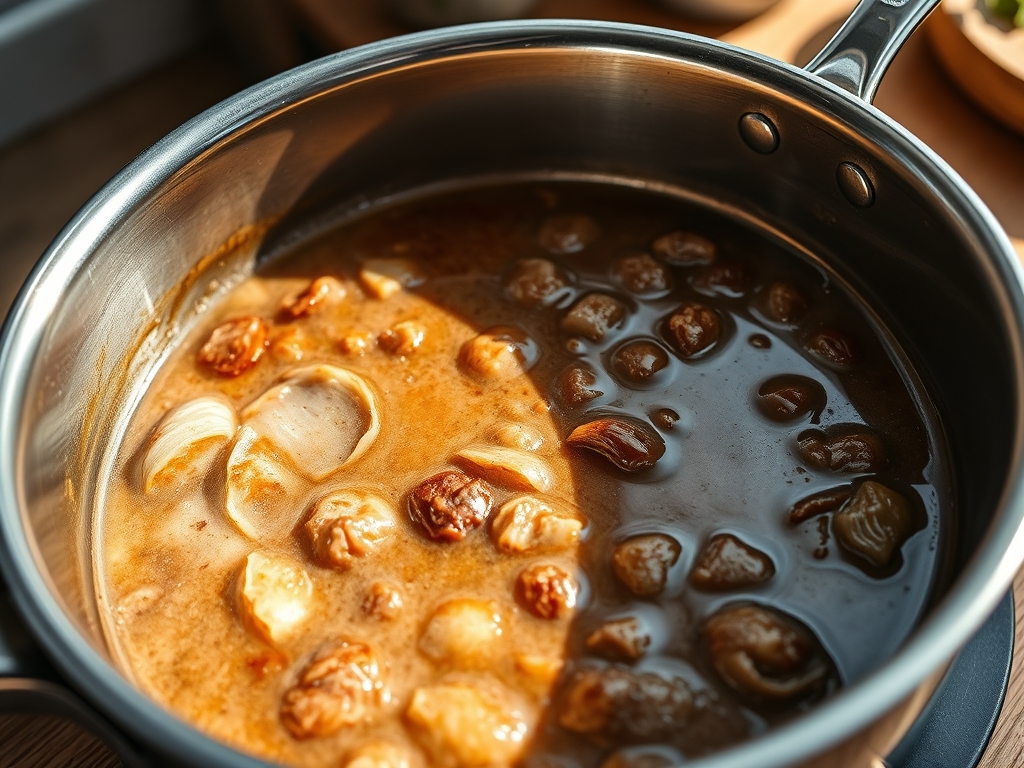
Referencing our Masterclass photo, the sauce should possess a glossy, café-au-lait hue. If your sauce is pale and translucent, you did not allow the roux to cook long enough or your broth was under-concentrated. If the sauce looks "broken" or grainy, the heat was too high during the dairy integration. To fix a broken sauce, whisk in a tablespoon of heavy cream or a splash of hot water to re-emulsify the fats. If the beef looks dull, increase your initial sear time. The visual cue for success is a sauce that coats the back of a spoon without running, shimmering with a light sheen of butterfat.
THE DEEP DIVE
Macro Nutrition Profile:
A standard serving of this Russian Beef Stroganoff contains approximately 550 calories, 35g of protein, 38g of fat, and 18g of carbohydrates (excluding noodles). It is a high-density fuel source designed for recovery and satiety.
Dietary Swaps:
- Vegan: Replace beef with thick-cut portobello strips, use vegetable broth, and substitute sour cream with a cashew-based lactic acid ferment.
- Keto: Eliminate the flour (use xanthan gum as a thickener) and serve over sautéed cabbage or zucchini ribbons instead of noodles.
- GF: Use a gluten-free flour blend or cornstarch slurry for the thickening phase and ensure the Worcestershire sauce is a certified GF brand.
Meal Prep & Reheating Science:
To maintain the molecular structure during reheating, avoid the microwave. The uneven radiation will cause the dairy to separate. Instead, reheat in a small saucepan over low heat, adding a tablespoon of broth or milk to loosen the sauce. Stir constantly to encourage the fats to re-incorporate into the liquid phase.
THE KITCHEN TABLE
Why does my sauce always turn out thin?
This usually indicates an insufficient roux or under-reduced broth. Ensure your flour and butter mixture cooks until it smells nutty, and allow the broth to simmer and reduce by twenty percent before adding the dairy components.
Can I use Greek yogurt instead of sour cream?
Technically yes, but proceed with caution. Greek yogurt has less fat and more protein, making it significantly more prone to curdling. You must temper it even more carefully and never allow the sauce to approach a simmer.
What is the best way to slice the beef?
For maximum tenderness, slice the beef against the grain into 5mm strips. Placing the meat in the freezer for twenty minutes before slicing will firm up the muscle fibers, allowing for much cleaner, more professional cuts.
How do I get that deep brown color in the sauce?
The color comes from two sources: the fond (the brown bits stuck to the pan after searing the beef) and the smoked paprika. Ensure you deglaze the pan thoroughly to incorporate those flavorful, dark compounds into the liquid.