Listen to the sound of the masher meeting the starch. It is the rhythmic thud of Dutch history being forged in a pot. We are not just making dinner; we are engineering Dutch Stamppot. This is the ultimate infrastructure of comfort. It is a structural marvel where the humble potato acts as a load-bearing substrate for leafy greens and smoked proteins. Forget the delicate, silky purees of Parisian salons. We are looking for mass. We are looking for density. We are looking for a dish that can withstand a North Sea gale. The aroma is a complex chemical broadcast of earthy kale, sharp vinegar, and the deep, fatty musk of rendered pork belly. When done correctly, the steam carries a piquant edge that cuts through the winter chill. This is a high-performance carbohydrate matrix designed for maximum caloric efficiency and soul-level satisfaction. If your mash lacks the structural integrity to hold a well of gravy without collapsing, you have failed the audit. Let us recalibrate your technique.
THE DATA MATRIX
| Metric | Specification |
|---|---|
| Prep Time | 20 Minutes |
| Execution Time | 30 Minutes |
| Yield | 4 Robust Servings |
| Complexity (1-10) | 3 (Low Skill, High Precision) |
| Estimated Cost per Serving | $2.50 – $3.75 |
THE GATHERS
Ingredient Protocol:
- 1.2 kg / 2.6 lbs Starchy Potatoes (Russet or Yukon Gold)
- 500g / 1.1 lbs Fresh Curly Kale (stemmed and finely chopped)
- 250ml / 1 cup Whole Milk (warmed)
- 50g / 3.5 tbsp Unsalted Butter (cold, cubed)
- 1 Large Smoked Rookworst or Kielbasa (approx. 350g / 12 oz)
- 15ml / 1 tbsp Apple Cider Vinegar
- 10g / 2 tsp Coarse Sea Salt
- 2g / 0.5 tsp Freshly Grated Nutmeg
- 100g / 3.5 oz Thick-cut Bacon Lardons
Section A: Ingredient Quality Audit:
The primary failure point in Dutch Stamppot is the potato selection. If you choose a waxy red potato, you will end up with a gummy, translucent sludge rather than a fluffy, aerated base. The starch content must be high to ensure the cells rupture and bond with the fats. If your kale is wilted or yellowing, it will lack the necessary structural crunch; soak it in an ice bath for ten minutes to restore turgor pressure. If you cannot find a traditional Dutch Rookworst, do not settle for a bland hot dog. Use a high-quality smoked sausage with a natural casing. The snap of the casing provides a textural counterpoint to the soft mash. Finally, if your butter is "light" or a margarine substitute, abort the mission. We require the full lipid profile of dairy fat to infuse the starch granules properly.
THE MASTERCLASS
1. The Starch Hydration Phase
Peel and cube your potatoes into uniform 3cm pieces using a sharp chef knife and a bench scraper to move them efficiently. Place them in a large pot and cover with cold water. Salt the water until it tastes like the sea. Bring to a boil, then reduce to a simmer.
Pro Tip: Starting with cold water ensures the exterior of the potato does not dissolve before the core is cooked. Use a digital scale to ensure your salt-to-water ratio is consistent; precision here prevents a bland foundation.
2. The Green Integration
Seven minutes before the potatoes are finished, layer the chopped kale directly on top of the boiling potatoes. Place the smoked sausage on top of the kale. Cover the pot tightly. The steam from the boiling water will blanch the kale and heat the sausage simultaneously.
Pro Tip: This is a "one-pot" thermal transfer method. The kale absorbs the viscous potato starch being released into the steam, which helps the greens integrate into the final mash rather than sitting on top of it.
3. The Lipid Emulsification
Drain the pot, reserving 100ml of the starchy cooking water. Remove the sausage and set aside. Return the potatoes and kale to the hot pot for 60 seconds to cook off residual moisture. Use a heavy-duty potato masher to crush the mixture. Slowly incorporate the warmed milk and cold butter cubes.
Pro Tip: Cold butter added to hot potatoes creates a more stable emulsion than melted butter. Use a saucier to warm your milk and nutmeg together; this ensures the spice is evenly distributed throughout the liquid phase before it hits the solids.
4. The Maillard Enhancement
In a separate small skillet, fry your bacon lardons until they are crispy and have rendered their golden fat. Fold the lardons and two tablespoons of the liquid fat into the mash. Add the apple cider vinegar to brighten the flavor profile.
Pro Tip: The vinegar acts as a chemical surfactant, cutting through the heavy fats and highlighting the earthy notes of the kale. Use a silicone spatula to fold the mixture; do not overwork it or you will develop too much gluten-like elasticity.
Section B: Prep & Timing Fault-Lines:
The most common timing error is the "Cold Core" syndrome. If your sausage is not heated through to an internal temperature of 74C (165F), the entire dish loses its thermal momentum. Use an instant-read thermometer to verify. If your mash is ready but your gravy is lagging, cover the mash with a clean kitchen towel and a lid. The towel absorbs excess steam, preventing the mash from becoming soggy while maintaining its heat. If the potatoes are overcooked, they will absorb too much water; if this happens, spread them on a baking sheet and put them in a 150C oven for five minutes to dehydrate before mashing.
THE VISUAL SPECTRUM
Section C: Thermal & Visual Troubleshooting:
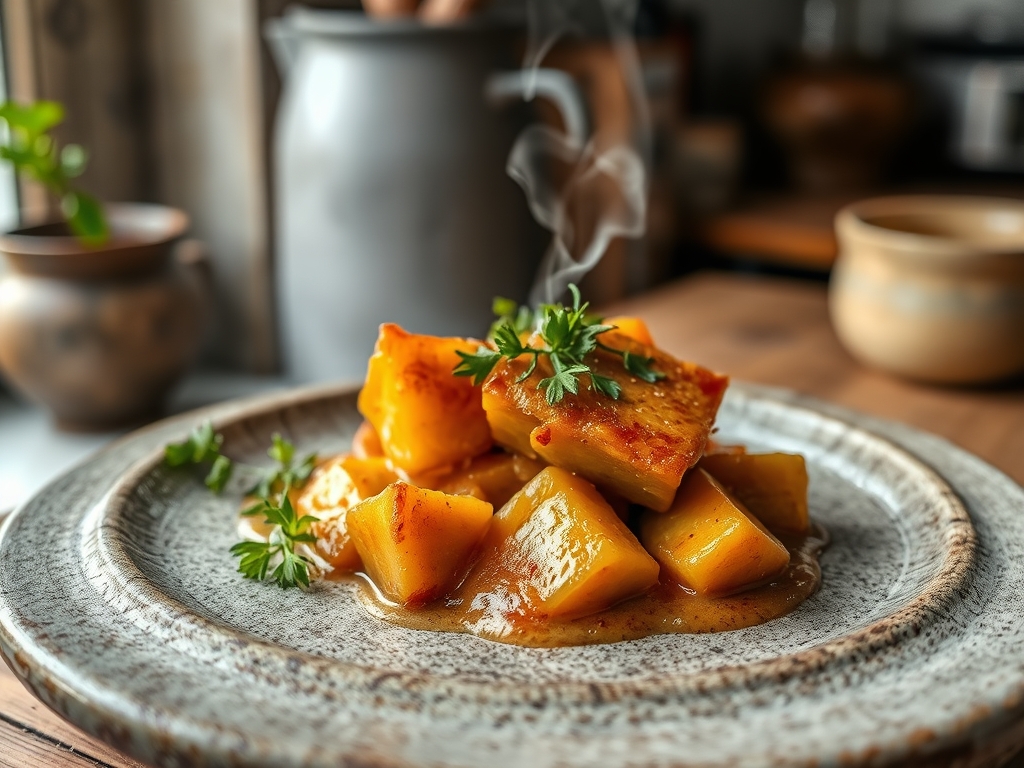
Look at the reference photo. Note the vibrant, forest-green flecks of kale against the creamy, ivory backdrop of the potato. If your kale looks olive-drab or brown, you have over-steamed it. If the mash looks grey, you likely used a metal masher that reacted with the potato acids; switch to stainless steel or nylon. The surface should have a rustic, craggy topography. If it looks perfectly smooth like baby food, you have over-processed it. The sausage should have a taut, glistening skin with a slight "bloom" from the heat. If the skin is shriveled, it was boiled rather than steamed. Finally, ensure the well of gravy in the center is dark and viscous. If it runs like water, your roux was insufficient.
THE DEEP DIVE
Macro Nutrition Profile
A standard serving of Dutch Stamppot is a powerhouse of slow-release carbohydrates and high-quality fats. You are looking at approximately 550 calories, 18g of protein, 45g of carbohydrates, and 32g of fat. The kale provides a massive dose of Vitamin K and Vitamin A, while the potatoes offer potassium levels that rival a banana.
Dietary Swaps
Vegan: Replace the butter with a high-quality olive oil and the milk with unsweetened oat milk. Substitute the sausage with a smoked tempeh or a plant-based chorizo.
Keto: This is a challenge given the starch base. Replace 75% of the potatoes with steamed cauliflower florets. Use heavy cream and extra bacon to maintain the fat macro.
Gluten-Free: The core recipe is naturally gluten-free. Ensure your sausage and gravy thickener (if used) do not contain hidden wheat fillers.
Meal Prep & Reheating Science
To maintain the molecular structure, do not freeze Stamppot; the ice crystals will rupture the starch cells and turn the dish into a watery mess upon thawing. Store in the fridge for up to three days. To reheat, add a splash of milk and heat in a covered pan over low heat. This re-hydrates the starch without scorching the proteins.
THE KITCHEN TABLE
Why is my Stamppot gummy?
You likely over-mixed it or used waxy potatoes. Over-mixing breaks the starch granules, releasing amylopectin which creates a glue-like texture. Use a manual masher and starchy potatoes to maintain a fluffy, robust structure.
Can I use spinach instead of kale?
Yes, but spinach has a much higher water content. You must sauté the spinach separately and squeeze out all excess liquid before folding it into the mash to avoid a swampy consistency.
What is the best gravy for this?
A traditional Dutch "kuiltje jus" (gravy pit) uses the fat from the sausage or bacon mixed with a bit of beef stock and butter. It should be thick enough to coat the back of a spoon.
Is the nutmeg really necessary?
Absolutely. Nutmeg provides a warm, aromatic bridge between the earthy potato and the metallic notes of the kale. It is the secret ingredient that elevates the dish from "bland mash" to "culinary infrastructure."