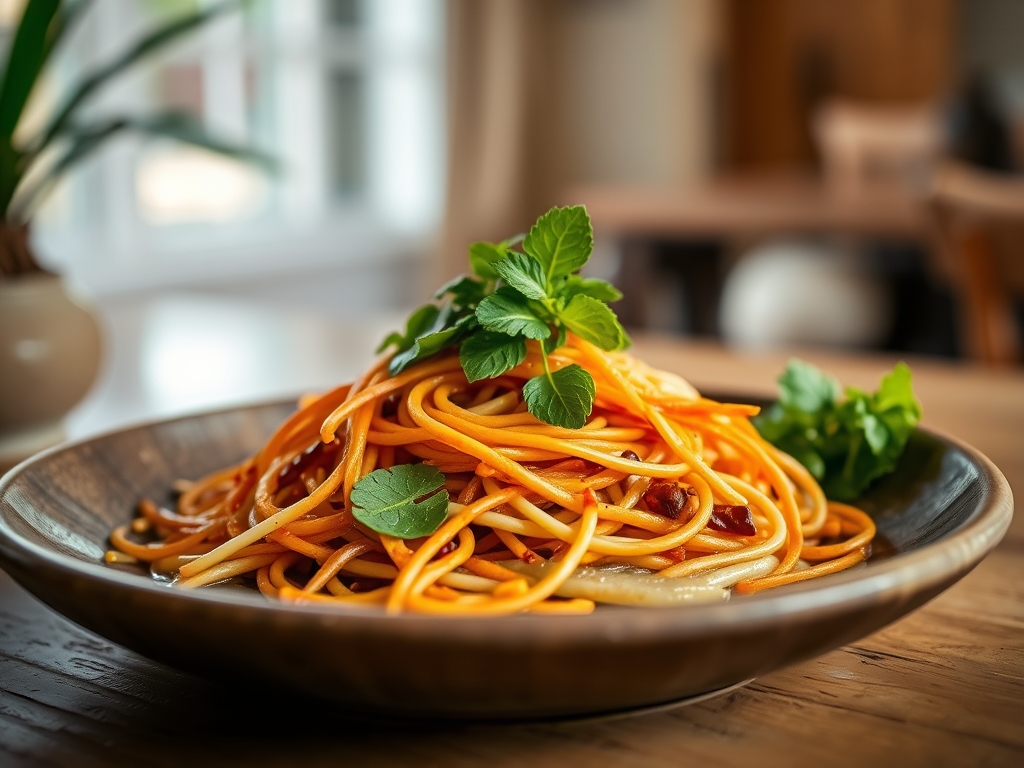
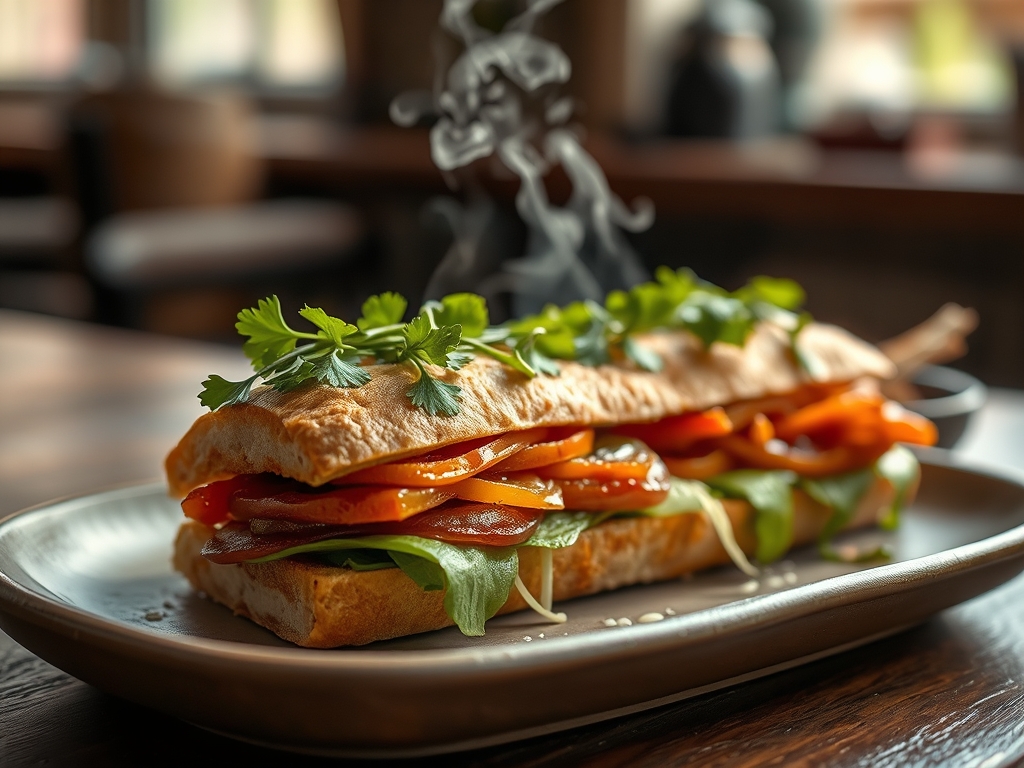
The crunch is not a suggestion; it is a structural requirement. When you bite into a premier Vietnamese Banh Mi, you are engaging in a high-stakes collision between aerated wheat and the piquant resistance of pickled cellulose. This is the ultimate architectural feat of the culinary world. We are talking about a baguette that possesses a crust so thin it shatters like glass, yet contains a crumb so light it practically defies gravity. Inside this hollowed-out vessel, a chaotic symphony of flavors awaits. You have the rich, viscous spread of chicken liver pate, the fatty render of pork belly, and the sharp, acidic snap of daikon and carrots. It is a masterclass in contrast. If your sandwich lacks the structural integrity to hold these moisture-heavy components without turning into a soggy mess, you have failed the audit. We are here to ensure your kitchen infrastructure can handle the load. Prepare to calibrate your ovens and sharpen your mandolines. We are building the definitive Vietnamese Banh Mi from the flour up.
THE DATA MATRIX
| Metric | Specification |
|---|---|
| Prep Time | 45 Minutes (Excluding Pickling) |
| Execution Time | 20 Minutes |
| Yield | 4 Standard Units |
| Complexity (1-10) | 7 (Precision Crumb Control) |
| Estimated Cost per Serving | $4.50 – $6.00 USD |
THE GATHERS
Ingredient Protocol:
- 4 Small Baguettes (Vietnamese Style) / 4 units
- 500g / 1.1 lbs Pork Shoulder (Thinly Sliced)
- 150g / 5.3 oz Chicken Liver Pate
- 100ml / 0.4 cup Kewpie Mayonnaise
- 200g / 7 oz Daikon Radish (Julienned)
- 200g / 7 oz Carrots (Julienned)
- 120ml / 0.5 cup Rice Vinegar
- 50g / 4 tbsp Granulated Sugar
- 30ml / 2 tbsp Maggi Seasoning or Soy Sauce
- 20g / 4 cloves Garlic (Minced)
- 10g / 1 bunch Fresh Cilantro
- 2-3 Thai Bird's Eye Chilies (Sliced)
- 1 Large Cucumber (Speared)
Section A: Ingredient Quality Audit:
The most common failure point in a Vietnamese Banh Mi is the bread density. If you use a standard French baguette, the crust-to-crumb ratio is often too high, leading to jaw fatigue. To fix this, look for baguettes made with a percentage of rice flour; this promotes a lighter, more brittle exterior. If your pork is coming out dry, it is likely a lack of fat. Ensure you use pork shoulder or belly to allow the fat to render during the sear. If your pickled vegetables lack that signature "crunch," your brine temperature was likely too high. Always use a cold brine to maintain the cellular structure of the radish and carrot. Finally, if your pate tastes metallic, soak the raw livers in milk for thirty minutes before cooking to infuse a creamier, milder profile into the final spread.
THE MASTERCLASS
1. The Acidic Foundation: Pickling the Fiber
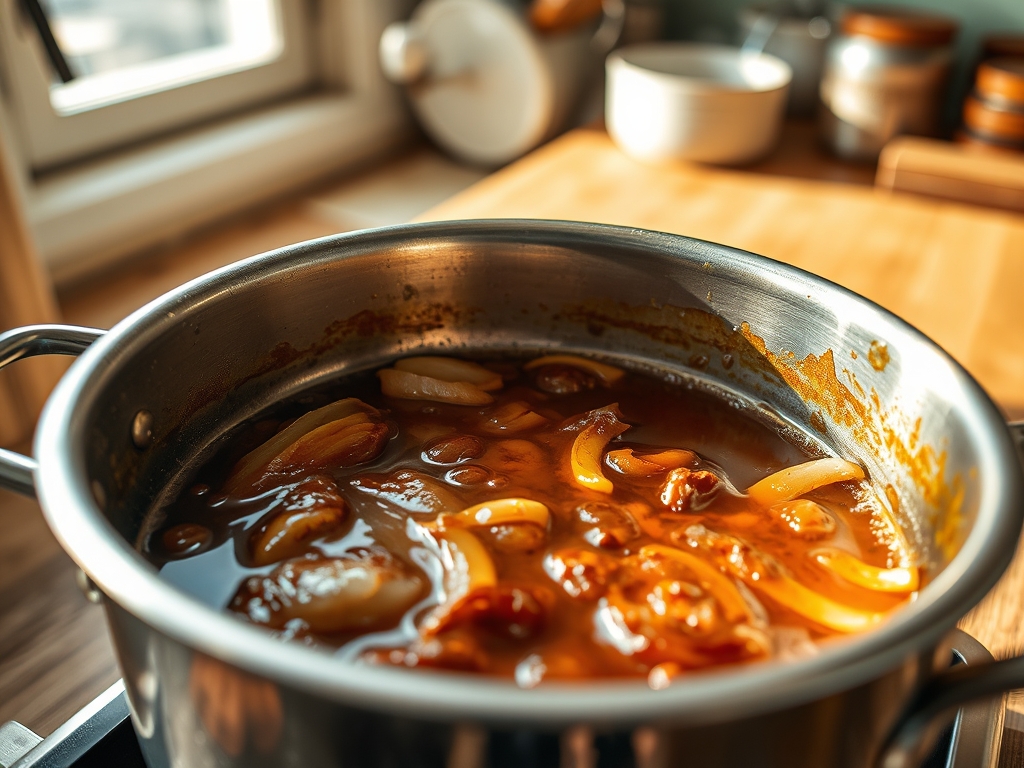
Combine the rice vinegar, sugar, and a pinch of salt in a saucier over low heat until dissolved. Once cooled, pour the liquid over your julienned carrots and daikon. Let this sit for at least an hour to achieve the necessary piquant bite.
Pro Tip: Use a digital scale to measure your sugar and vinegar. The ratio of acidity to sweetness is the chemical engine that cuts through the heavy fats of the pork and pate.
2. Protein Infusion and Thermal Searing
Marinate your pork slices in Maggi seasoning, minced garlic, and a touch of sugar. Use a heavy cast-iron skillet to sear the meat over high heat until you achieve deep caramelization.
Pro Tip: Do not crowd the pan. You want to render the fat quickly and create a Maillard reaction. Crowding causes the meat to steam in its own juices, ruining the texture.
3. Structural Preparation of the Vessel
Slice your baguettes lengthwise, but do not cut all the way through. Remove a small portion of the interior crumb to create a "trench" for the fillings. Toast the bread in a 400F oven for three minutes until the exterior is brittle.
Pro Tip: Use a bench scraper to neatly clear your workspace of crumbs. Toasting the bread creates a thermal barrier that prevents the mayonnaise and pate from soaking into the crust too quickly.
4. The Emulsified Layering
Apply a generous layer of pate to one side of the bread and the Kewpie mayonnaise to the other. The mayonnaise acts as a moisture seal, while the pate provides a viscous, earthy base.
Pro Tip: Apply the fats while the bread is still warm. This allows them to slightly melt into the nooks and crannies, ensuring every bite is lubricated.
5. Final Assembly and Architectural Integrity
Layer the seared pork, followed by the cucumber spears, the pickled vegetables, and the fresh cilantro. Top with sliced chilies for a capsaicin kick. Close the sandwich and apply light pressure to "set" the ingredients.
Pro Tip: Use a sharp serrated knife for the final cut. A dull blade will crush the aerated crumb and cause the fillings to eject from the sides.
Section B: Prep & Timing Fault-Lines:
Timing is the silent killer of the Banh Mi. If you assemble the sandwich too early, the moisture from the pickles will migrate into the bread, destroying the structural integrity. This is known as "crumb collapse." To avoid this, always drain your pickles thoroughly using a fine-mesh strainer before assembly. Furthermore, ensure your pork has rested for at least three minutes after searing. If you place piping hot meat directly onto the mayonnaise, the emulsion will break, resulting in an oily mess rather than a creamy mouthfeel. Control your variables, or the variables will control you.
THE VISUAL SPECTRUM
Section C: Thermal & Visual Troubleshooting:
Referencing the Masterclass photo above, notice the specific color gradients. The pork should exhibit a deep, mahogany char; if it looks grey, your pan temperature was insufficient. The pickled vegetables should remain vibrant and translucent. If they appear dull or opaque, they have been over-processed or sat in the brine for too long (exceeding 48 hours). The bread in the image shows a "shatter-effect" on the crust with a pale, soft interior. If your bread is uniformly brown, you have over-toasted it, and it will be too hard to eat comfortably. Lastly, the cilantro must be bright green and turgid. Wilting indicates that the herbs were exposed to residual heat for too long before serving.
THE DEEP DIVE
Macro Nutrition Profile:
A standard Vietnamese Banh Mi provides a balanced macro split. You are looking at approximately 600-700 calories per unit. This includes 30g of protein from the pork and pate, 70g of carbohydrates from the baguette, and 25g of fats. The fiber content from the daikon and carrots aids in digestion, though the sodium levels can be high due to the Maggi seasoning.
Dietary Swaps:
- Vegan: Replace the pork with lemongrass-marinated firm tofu and use a mushroom-based pate. Swap Kewpie for a vegan avocado-oil mayo.
- Keto: Eliminate the baguette entirely. Serve the components in a "Banh Mi Bowl" over shredded cabbage or cauliflower rice.
- GF: Use a dedicated gluten-free baguette, though be warned that the "shatter" texture is difficult to replicate without wheat proteins.
Meal Prep & Reheating Science:
To maintain molecular structure during meal prep, store all components separately. Never pre-assemble. When reheating, the pork should be flashed in a pan to re-crisp the edges. The bread should be misted lightly with water and placed in a toaster oven to reactivate the starches and crisp the crust. Cold pickles must remain cold to preserve their enzymatic crunch.
THE KITCHEN TABLE
Why is my bread so chewy instead of crispy?
You likely used a high-protein bread flour without enough steam in the oven. Vietnamese baguettes require a lighter dough. Try misting your oven with water during the first five minutes of baking to achieve that glass-like crust.
Can I substitute the chicken liver pate?
Yes, a high-quality pork terrine or even a savory mushroom duxelles can work. However, you will lose that specific mineral depth that defines the traditional flavor profile of a true Vietnamese Banh Mi.
How long do the pickled vegetables last?
While they are safe for two weeks, they lose their structural integrity after three days. For the best audit results, use them within 24 to 48 hours of pickling to ensure maximum cellular snap.
What is the best way to slice the pork?
Freeze the pork shoulder for 30 minutes before slicing. This firms up the muscle fibers, allowing you to achieve paper-thin ribbons that cook instantly and provide a better texture within the sandwich layers.