The scent of scorched palm sugar and fermented shrimp paste is the siren song of a high performance kitchen. We are not just tossing noodles; we are managing a complex thermodynamic event where moisture management meets the Maillard reaction. Thai Pad Thai is the ultimate test of a chef's ability to balance the piquant bite of tamarind against the savory depth of fish sauce while maintaining the structural integrity of a rice noodle. If your wok isn't screaming, you are already behind the curve. We are looking for that elusive "breath of the wok," a smoky infusion that separates street food legends from cafeteria amateurs. This is an infrastructure project. You are the lead engineer. Your mission is to synchronize protein denaturation, starch gelatinization, and sugar caramelization in a window of less than three minutes. Every gram of moisture must be accounted for. Every degree of heat must be harnessed. Welcome to the audit of the world's most famous noodle dish. Let us begin the calibration.
THE DATA MATRIX
| Metric | Specification |
|---|---|
| Prep Time | 35 Minutes |
| Execution Time | 6 Minutes |
| Yield | 2 Standard Servings |
| Complexity (1-10) | 8 (High Heat Sensitivity) |
| Estimated Cost per Serving | $4.50 – $6.00 USD |
THE GATHERS
Ingredient Protocol:
- Rice Sticks (3mm width): 200g / 7oz (Dry weight)
- Shrimp (16/20 count, peeled/deveined): 150g / 5.3oz
- Extra Firm Tofu (pressed and cubed): 100g / 3.5oz
- Tamarind Paste (Concentrate): 60ml / 4 tbsp
- Fish Sauce (Premium Grade): 45ml / 3 tbsp
- Palm Sugar (Shaved): 50g / 1.75oz
- Preserved Radish (Finely minced): 15g / 1 tbsp
- Dried Shrimp (Pulverized): 10g / 2 tsp
- Garlic Chives (Cut into 2-inch batons): 30g / 1 cup
- Bean Sprouts (Fresh): 100g / 2 cups
- Eggs (Large): 2 units
- Neutral Oil (High Smoke Point): 60ml / 4 tbsp
- Roasted Peanuts (Crushed): 20g / 2 tbsp
Section A: Ingredient Quality Audit:
Sub-par raw materials are the primary cause of systemic dish failure. If your tamarind paste is too viscous or lacks the necessary tartness, the sauce will fail to penetrate the noodle core. Technical Fix: Dilute thick concentrates with warm water until the consistency mimics heavy cream. If your rice noodles are brittle, they were likely over-soaked or stored in a low-humidity environment. Technical Fix: Soak noodles in room temperature water for exactly 30 minutes until they are flexible but still "al dente" to the touch. Avoid boiling them; the heat of the wok will finish the hydration process. Finally, ensure your palm sugar is authentic. Beet sugar lacks the complex caramel notes required to balance the piquant tamarind.
THE MASTERCLASS
1. The Sauce Emulsification
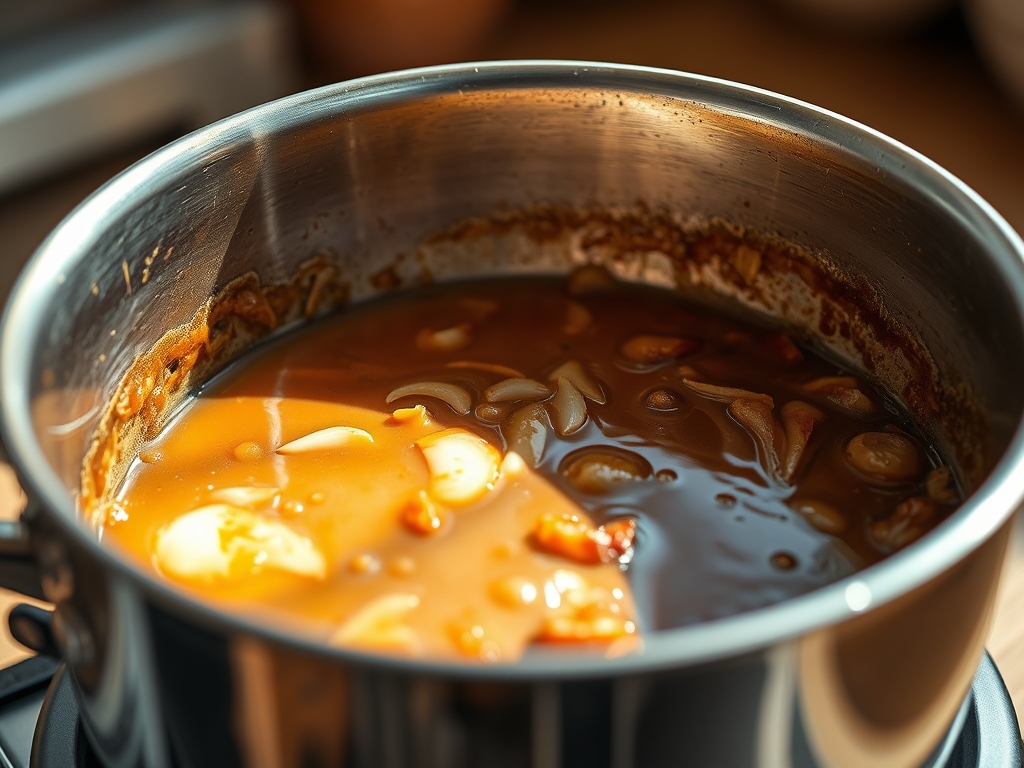
Combine tamarind, fish sauce, and palm sugar in a small saucier over low heat. Stir until the sugar is fully dissolved and the liquid begins to infuse with a deep amber hue.
Pro Tip: Use a digital scale to measure the sugar. The glycemic density of palm sugar varies wildly; weighing ensures the exact brix level needed to trigger the Maillard reaction without burning.
2. Protein Searing and Rendering
Heat your wok until it reaches 200C (400F). Add oil and sear the shrimp and tofu. Render the fat from the shrimp heads if using whole prawns to add a deep orange pigment to the oil.
Pro Tip: Use a high-quality infrared thermometer to verify the surface temperature of the wok. If the oil isn't shimmering, the proteins will stick, causing a structural collapse of the dish's aesthetic.
3. The Noodle Integration
Add the soaked noodles and the prepared sauce. Use a long-handled wok spatula to toss aggressively. The noodles must absorb the liquid through capillary action.
Pro Tip: If the noodles appear too dry, add water 15ml at a time. Do not over-saturate. You are looking for the noodles to become translucent and supple, a sign of perfect starch gelatinization.
4. The Egg Aeration
Push the noodles to one side of the wok. Add a splash of oil and crack the eggs into the void. Let them set for 15 seconds, then scramble lightly before folding the noodles back over them.
Pro Tip: This technique creates "ribbons" of egg rather than a homogenous coating. Use a bench scraper to keep the wok surface clean of burnt egg bits, ensuring a pristine final presentation.
5. The Final Infusion
Add the bean sprouts, garlic chives, and crushed peanuts. Give the mixture one final high-heat toss for no more than 30 seconds to aerate the greens while keeping them crisp.
Pro Tip: The residual heat is sufficient to wilt the sprouts. Overcooking at this stage leads to water release, which will turn your sauce from a glossy glaze into a soggy mess.
Section B: Prep & Timing Fault-Lines:
The most common human error in Thai Pad Thai production is "Wok Crowding." When too many portions are attempted at once, the thermal mass of the ingredients exceeds the wok's heat output. This drops the temperature, causing the noodles to steam rather than fry. Correction: Never cook more than two servings at a time. Additionally, timing the noodle soak is critical. If noodles are soaked too long, they will disintegrate upon contact with the sauce. Use a kitchen timer set to 30 minutes; there is no margin for "eyeballing" this variable.
THE VISUAL SPECTRUM
Section C: Thermal & Visual Troubleshooting:
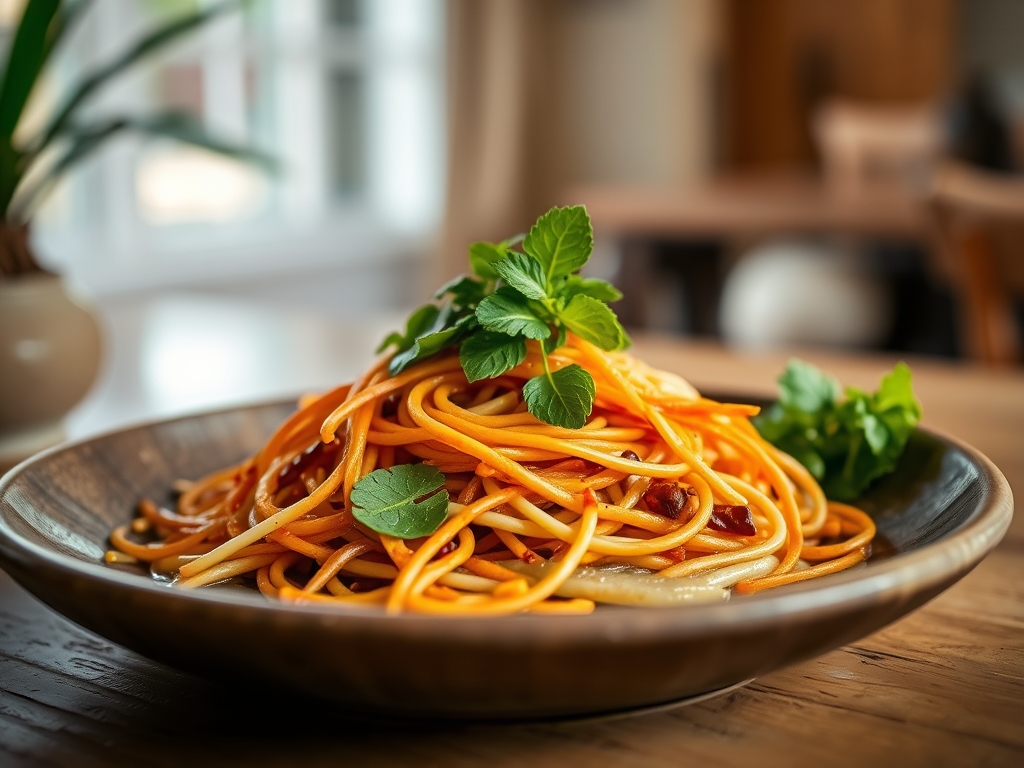
Observe the Masterclass photo above. Note the glossy, amber sheen on the noodles; this indicates a perfect emulsification of sugar and oil. If your noodles appear dull or grey, your heat was too low, or you lacked sufficient palm sugar. The vibrant green of the chives should remain distinct against the orange-tinted noodles. If the chives look olive-drab, they have been over-exposed to heat. The shrimp should have a tight, "C" shaped curl. An "O" shape indicates overcooking and moisture loss. Finally, check for "clumping." If the noodles have fused into a single mass, the starch was not properly managed; ensure you are using enough oil to lubricate the strands during the high-heat phase.
THE DEEP DIVE
Macro Nutrition Profile:
A standard serving of Thai Pad Thai provides approximately 650 calories. It is a carbohydrate-heavy fuel source, balanced by 25g of protein (shrimp/tofu) and 20g of healthy fats (peanuts/oil). Sodium levels are high due to the fish sauce; manage this by using low-sodium variants if necessary.
Dietary Swaps:
- Vegan: Replace fish sauce with a "no-fish" sauce made from fermented soybeans and seaweed. Substitute shrimp with extra tofu or king oyster mushrooms.
- Keto: This is a challenge due to the rice noodles. Use shirataki noodles or julienned cabbage, though the texture will differ significantly. Replace palm sugar with a monk fruit erythritol blend.
- Gluten-Free: Traditional Pad Thai is naturally gluten-free; however, verify that your preserved radish and tamarind paste have no wheat-based thickeners.
Meal Prep & Reheating Science:
Rice noodles are notorious for "retrogradation," where the starch molecules realign into a hard, crystalline structure when cooled. To reheat, add 15ml of water and cover tightly to create a steam chamber. This re-hydrates the starch. Avoid the microwave if possible; a quick toss in a hot pan is the only way to restore the original texture.
THE KITCHEN TABLE
Why are my noodles mushy?
You likely over-soaked them or added too much water during the stir-fry phase. The noodles should be firm when they hit the wok; they finish cooking in the sauce. Aim for a "leathery" texture before frying.
Can I substitute lime juice for tamarind?
Tamarind provides a deep, earthy tartness that lime cannot replicate. Lime juice is volatile and loses its "punch" under high heat. Use lime only as a finishing garnish to provide a fresh top-note.
What is the best oil for Pad Thai?
Use a neutral oil with a high smoke point like grapeseed or peanut oil. Avoid olive oil; its flavor profile clashes with the fish sauce and it will smoke at the required temperatures.
How do I get that "smoky" flavor?
This requires "Wok Hei." You must use a high-BTU burner and allow the sauce to slightly caramelize against the hot steel of the wok before tossing. It is a controlled burn.