The air in a high-performance kitchen is not just oxygen; it is a pressurized suspension of aerosolized lipids and carbonized sugars. When you commit to the art of Japanese Yakitori, you are not merely cooking; you are conducting a high-stakes thermal audit of protein integrity. The scent of binchotan charcoal is the opening movement of a symphony where the Maillard reaction is the lead soloist. We are looking for that specific, iridescent glaze that clings to the poultry like a second skin, achieved only through the precise application of heat and the strategic layering of a viscous tare. This is the intersection of ancient technique and modern molecular physics. If your skewers do not shimmer with a deep, mahogany luster, you have failed the audit. We are here to ensure that every thigh piece and every scallion segment undergoes a total structural transformation, turning humble bird into a masterpiece of charred, savory perfection. Let us calibrate the equipment and synchronize the timers; it is time to render.
THE DATA MATRIX
| Metric | Specification |
|---|---|
| Prep Time | 45 Minutes |
| Execution Time | 15 Minutes |
| Yield | 4 Servings (12-16 Skewers) |
| Complexity (1-10) | 7 |
| Estimated Cost per Serving | $4.50 USD |
THE GATHERS
Ingredient Protocol:
- 600g / 1.3 lbs Boneless Chicken Thighs (Skin-on preferred for lipid rendering)
- 200g / 7 oz Negi (Japanese long onion) or thick scallions
- 250ml / 1 cup High-quality Soy Sauce
- 250ml / 1 cup Mirin (Sweet rice wine)
- 120ml / 0.5 cup Sake
- 100g / 0.5 cup Brown Sugar
- 15g / 1 tbsp Fresh Ginger (Grated)
- 2 cloves Garlic (Crushed)
- Bamboo Skewers (Soaked in water for 30 minutes)
Section A: Ingredient Quality Audit:
If your soy sauce lacks the necessary depth, it will fail to provide the umami baseline required for a professional tare. Sub-par, thin soy sauces result in a watery glaze that slides off the protein. To fix this, reduce the sauce further in a saucier to increase viscosity. If your chicken is too lean, the lack of intramuscular fat will result in a dry, fibrous texture under high heat. The technical fix is a short brine (3% salt solution) for 20 minutes to increase moisture retention before skewering. Finally, ensure your mirin is "Hon-Mirin" and not "Mirin-style" seasoning, which often contains high-fructose corn syrup that burns too quickly, ruining the caramelization profile.
THE MASTERCLASS
1. Tare Reduction and Emulsification
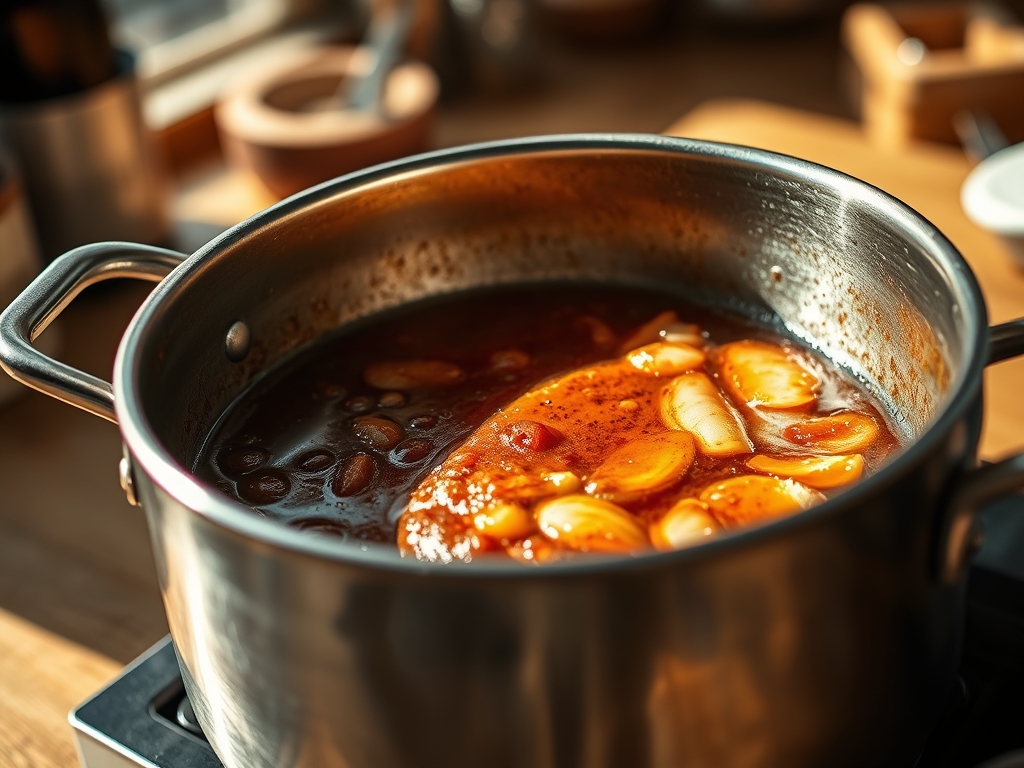
Combine the soy sauce, mirin, sake, sugar, ginger, and garlic in a heavy-bottomed saucier. Bring to a simmer over medium heat and reduce by half until the liquid becomes a viscous syrup that coats the back of a spoon. Use a digital scale to ensure the reduction has reached the target weight for consistency.
Pro Tip: The science here involves the concentration of sugars and amino acids. As the water evaporates, the solutes become more concentrated, allowing the sugars to undergo pyrolysis at a lower temperature once applied to the heat. This creates a thicker, more resilient coating.
2. Protein Architecture and Skewering
Using a sharp knife and a bench scraper to clear your station, cut the chicken into uniform 1-inch cubes. Slice the negi into 1-inch batons. Thread them onto the soaked skewers, alternating chicken and onion. Ensure the pieces are packed tightly to minimize surface area exposure, which prevents the meat from drying out.
Pro Tip: Uniformity is the cornerstone of thermal equilibrium. If pieces vary in size, the smaller sections will overcook and dehydrate before the larger sections reach the safe internal temperature of 165F. Use your digital scale to weigh individual portions if you are aiming for Michelin-level precision.
3. The Initial Sear and Render
Set up your charcoal grill (ideally with binchotan) for high direct heat. Place the skewers on the grate. Do not apply the tare yet. Allow the chicken to sear and the fat to render out, creating a base layer of flavor.
Pro Tip: This "naked" sear allows for the initial Maillard reaction to occur directly on the protein surface. If you apply the sauce too early, the moisture in the tare will steam the meat rather than searing it, resulting in a rubbery texture.
4. The Glazing Cycle
Once the chicken is 70% cooked, dip each skewer into the tare or brush it on liberally. Return to the heat for 30 seconds, then repeat the process 2 to 3 times. This builds a "lacquered" finish.
Pro Tip: This is a layering technique. Each pass over the heat dehydrates a new layer of sauce, creating a complex, multi-layered crust of caramelized sugars and savory proteins. Monitor the internal temperature with a digital instant-read thermometer to ensure you do not exceed the thermal limit.
Section B: Prep & Timing Fault-Lines:
The most common human error is "thermal impatience." If the grill is not hot enough, the chicken will lose its juices before the exterior browns. Conversely, if the skewers are not rotated constantly, the sugars in the tare will carbonize into a bitter ash. Use a stopwatch to maintain a 45-second rotation cycle. If the negi begins to char too quickly, move the skewers to a slightly cooler zone of the grill to allow the interior of the chicken to catch up.
THE VISUAL SPECTRUM
Section C: Thermal & Visual Troubleshooting:
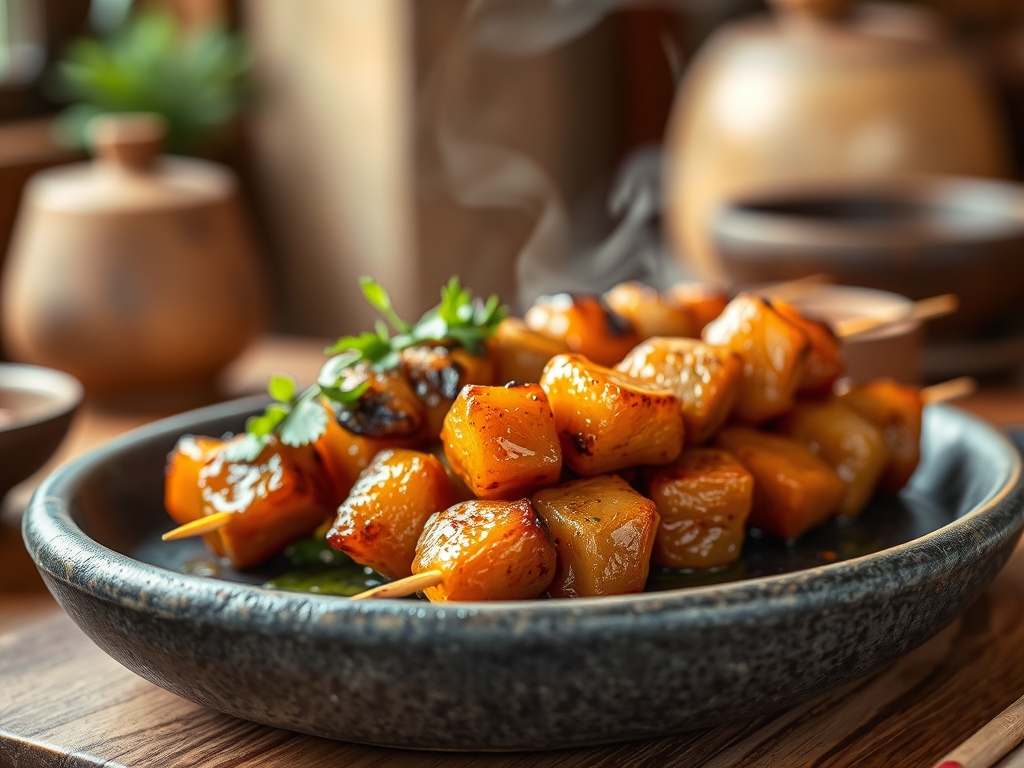
Observe the Masterclass photo above. Notice the "glassy" sheen on the meat; this indicates a perfect viscous tare application. If your yakitori looks matte or dry, you have not applied enough layers of glaze or your reduction was too thin. If you see black, acrid spots rather than deep brown caramelization, your sugar content is too high or your heat is too aggressive. The scallions should show "leopard spotting"—small, concentrated charred circles—while remaining vibrant green in the center. If they are limp and gray, they have been overcooked through indirect steaming rather than direct radiation.
THE DEEP DIVE
Macro Nutrition Profile
A standard serving of four skewers provides approximately 32g of Protein, 12g of Fat, and 18g of Carbohydrates (primarily from the tare). Total caloric load sits around 310 kcal. It is a high-protein, moderate-fat option that excels in nutrient density.
Dietary Swaps
- Vegan: Substitute chicken with King Oyster mushrooms or firm tofu. Use a vegan "fish sauce" or extra mushroom powder in the tare to maintain the umami profile.
- Keto: Replace the brown sugar in the tare with an allulose-based sweetener and reduce the mirin quantity.
- GF: Use Tamari in place of standard soy sauce to ensure the dish is 100% gluten-free without sacrificing the viscous texture.
Meal Prep & Reheating Science
To maintain molecular structure during reheating, avoid the microwave, which agitates water molecules and toughens the protein. Instead, use a toaster oven at 350F for 5 minutes. This dry heat helps re-crystallize the sugars in the glaze, restoring the original "snap" of the skin.
THE KITCHEN TABLE
How do I prevent bamboo skewers from burning?
Soak them in cold water for at least 30 minutes. For an elite fix, wrap the exposed ends in aluminum foil during the grilling process to shield them from direct infrared radiation and prevent structural failure.
Can I make this on a gas grill?
Yes, but you must use a smoker box with oak or hickory chips. The signature Yakitori flavor profile relies heavily on the infusion of smoke into the rendering fats. Without smoke, it is simply grilled chicken.
Why is my tare not sticking to the meat?
The protein surface is likely too oily. Ensure you have achieved a proper initial sear to "set" the surface. If the sauce still slides off, whisk in a small amount of cornstarch slurry to the reduction.
What is the best way to grate ginger for the tare?
Use a microplane to aerate the ginger into a fine paste. This ensures the aromatics are evenly distributed throughout the liquid, preventing large fibers from ruining the smooth, lacquered aesthetic of the final glaze.