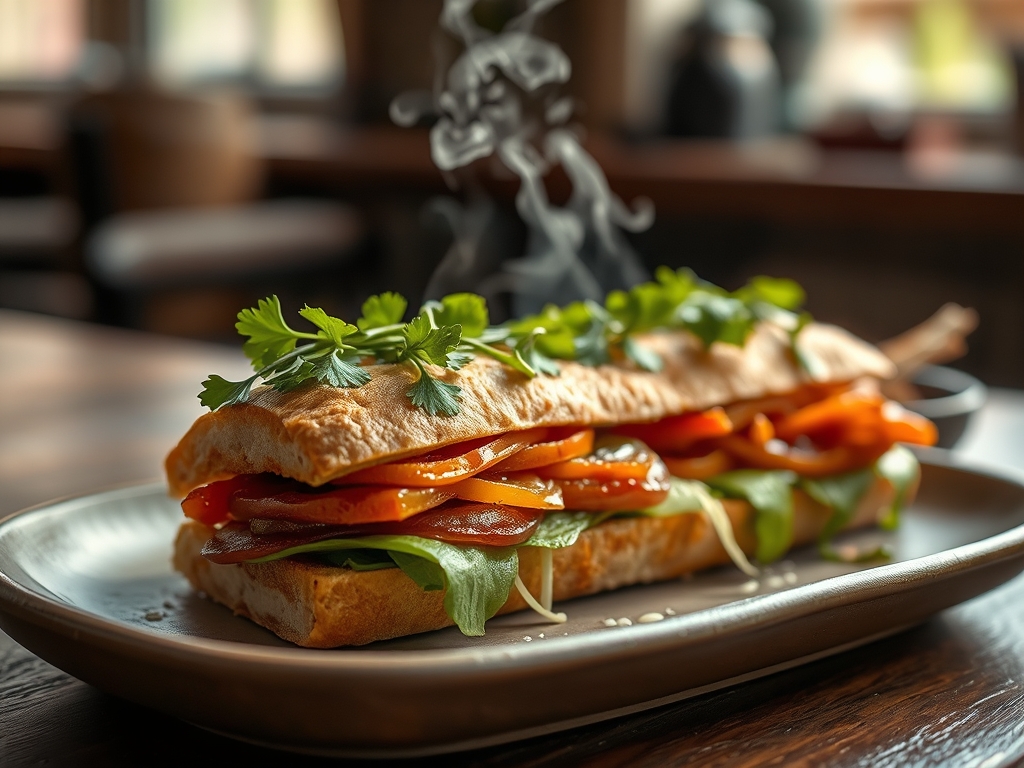
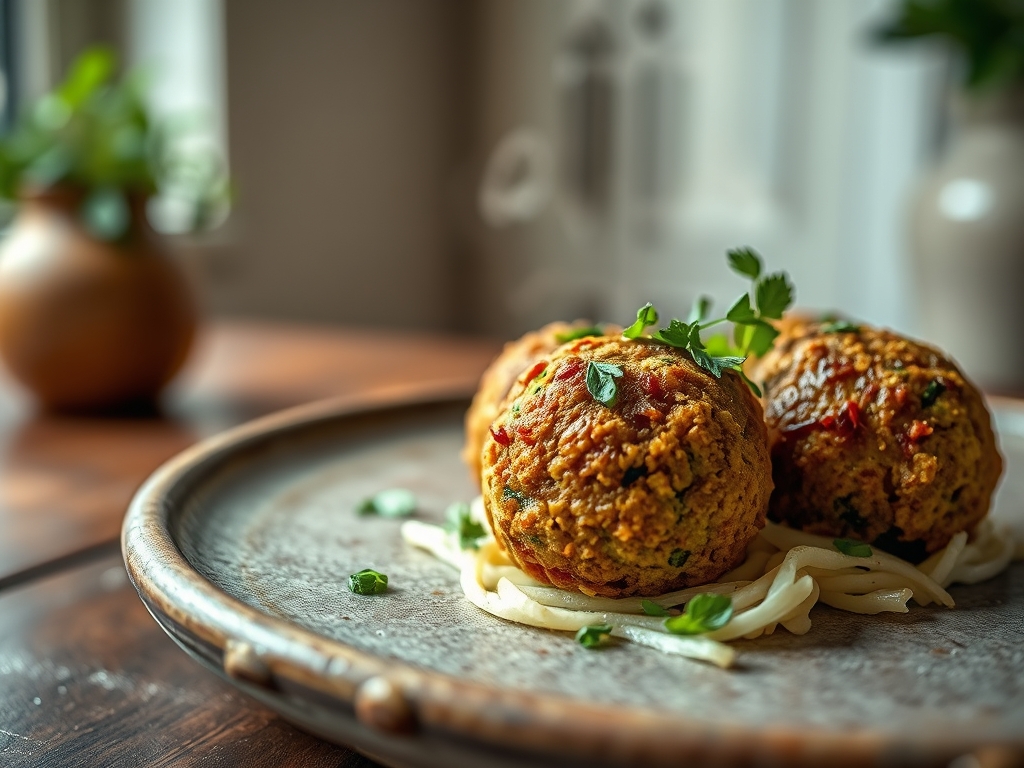
The scent of hot oil meeting cold, herb-laden chickpea paste is the siren song of the Levant. We are not merely talking about street food; we are discussing the structural integrity of the Middle Eastern Falafel. This is a high-velocity legume system where the difference between a dense, leaden puck and a shattered, ethereal orb lies in the micrometer-level calibration of your grind. When the crust hits that precise mahogany hue, it creates a pressurized steam chamber within, flash-cooking the interior to a vibrant, emerald fluff. This is culinary engineering at its most visceral. You can feel the vibration of the heavy-duty food processor as it breaks down the starches, and you can smell the volatile oils of the fresh cilantro and parsley as they are released into the matrix. We are hunting for that perfect ratio of crunch to cloud. If your infrastructure is weak, your falafel will disintegrate into the oil like a failed satellite reentry. But if you master the density of the paste, you command the kitchen.
THE DATA MATRIX
| Metric | Specification |
|---|---|
| Prep Time | 24 Hours (Soaking) + 20 Minutes (Processing) |
| Execution Time | 15 Minutes |
| Yield | 25 to 30 Spheres |
| Complexity (1-10) | 6 |
| Estimated Cost per Serving | $0.45 |
THE GATHERS
Ingredient Protocol:
- 500g / 2 cups Dried Chickpeas (Never canned; the starch profile is compromised)
- 150g / 1.5 cups Fresh Parsley, stems removed
- 100g / 1 cup Fresh Cilantro, stems removed
- 50g / 0.5 cup Scallions or White Onion, roughly chopped
- 4 Large Garlic Cloves, peeled
- 15g / 1 tbsp Kosher Salt
- 10g / 2 tsp Ground Cumin
- 10g / 2 tsp Ground Coriander
- 2g / 0.5 tsp Cayenne Pepper or Red Pepper Flakes
- 5g / 1 tsp Baking Soda (The aeration catalyst)
- 30g / 2 tbsp Toasted Sesame Seeds
- 1L / 4 cups Neutral High-Smoke Point Oil (Grapeseed or Peanut)
Section A: Ingredient Quality Audit:
The primary failure point in the Middle Eastern Falafel pipeline is the chickpea itself. If you attempt to use canned chickpeas, the excess moisture and pre-gelatinized starches will turn your paste into a viscous slurry that refuses to hold its shape. You must use dried beans soaked for a minimum of 18 to 24 hours. If your beans remain stubborn or hard after the soak, your water may be too "hard" or alkaline; add a pinch of baking soda to the soaking water to soften the skins. Furthermore, if your herbs are damp, they will introduce unwanted hydration into the system. Use a salad spinner to ensure every leaf is bone-dry before it hits the blade. If the mixture feels too wet, do not reach for flour; instead, allow the paste to rest in the refrigerator to let the natural starches infuse and stabilize the dough.
THE MASTERCLASS
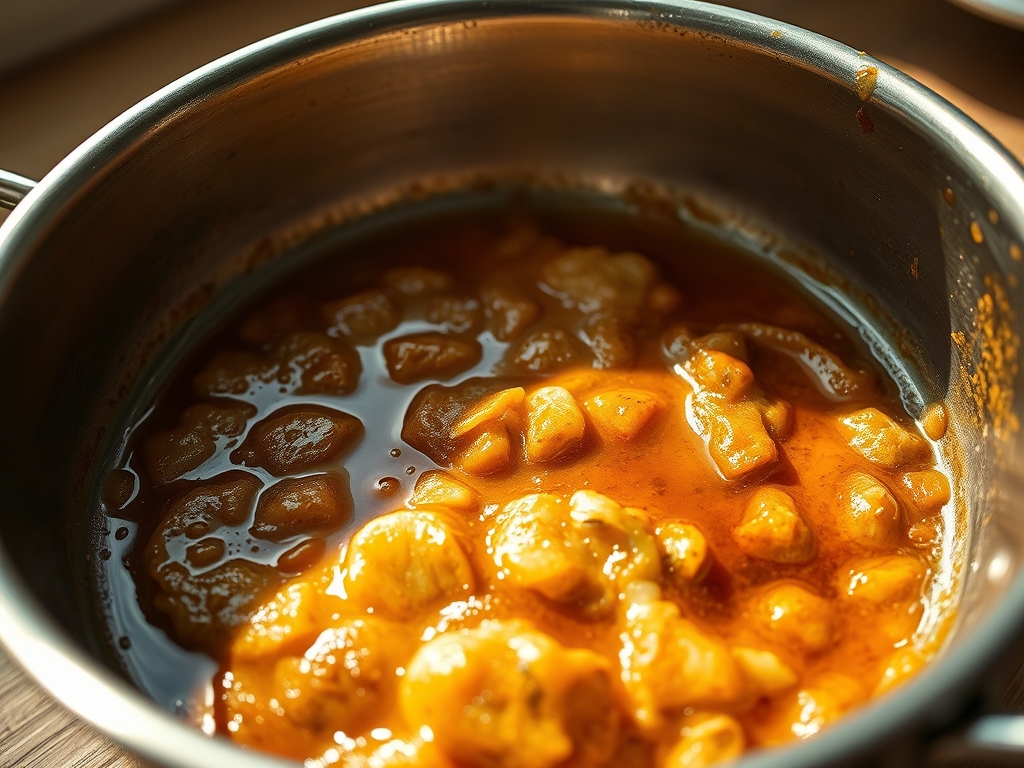
Step 1: The Hydration Cycle
Drain your soaked chickpeas thoroughly and pat them dry with a lint-free kitchen towel. This is the foundation of your density control. Use a digital scale to ensure your ratios of aromatics to legumes remain consistent.
Pro Tip: The science of the soak is about enzymatic activation. As the chickpea hydrates, it becomes easier to aerate during the grinding phase, leading to a lighter internal structure.
Step 2: Precision Fragmentation
Place the chickpeas, garlic, onions, and herbs into a high-capacity food processor. Pulse the mixture in short bursts. You are not looking for a puree; you are looking for a texture resembling coarse sand or fine bulgur.
Pro Tip: Use a bench scraper to move the mixture from the processor to a mixing bowl. Over-processing generates heat, which can begin to render the fats in the garlic and herbs prematurely, dulling the flavor profile.
Step 3: The Chemical Leavening
Fold in the salt, cumin, coriander, cayenne, and baking soda. Add the sesame seeds last for textural contrast. Cover the bowl and refrigerate for at least 30 minutes.
Pro Tip: This resting period allows the starch granules to swell and the flavors to infuse throughout the matrix. The baking soda reacts with the slight acidity of the aromatics to create micro-bubbles, ensuring the interior stays fluffy.
Step 4: The Thermal Deployment
Heat your oil in a deep saucier or heavy-bottomed pot to exactly 175C / 350F. Use a spring-loaded scoop to form the paste into uniform spheres or pucks, pressing just enough to ensure they hold.
Pro Tip: Consistency is key. A digital scale or a standardized scoop ensures that every unit has the same thermal mass, meaning they will all reach the target internal temperature simultaneously.
Step 5: The Maillard Execution
Carefully drop the falafel into the oil. Do not overcrowd the vessel, as this will drop the temperature and lead to oil absorption. Fry for 3 to 4 minutes until the exterior is a deep, dark brown.
Pro Tip: The Maillard reaction is responsible for that piquant, nutty crust. If the oil is too hot, the exterior will burn before the interior starches have a chance to fully set.
Section B: Prep & Timing Fault-Lines:
Human error often manifests in the "rush." If you skip the refrigeration step, the falafel will likely shatter upon contact with the oil because the starch network hasn't had time to cross-link. Another common fault-line is the oil temperature recovery time. After each batch, you must wait for the oil to return to 175C. If you drop the next batch at 160C, the falafel will act like a sponge, soaking up the grease and resulting in a heavy, unpalatable mess. Use a probe thermometer to audit your oil temperature constantly.
THE VISUAL SPECTRUM
Section C: Thermal & Visual Troubleshooting:
Look closely at the Masterclass photo. Notice the "craggy" surface of the falafel; those ridges are essential for maximum surface area, which translates to maximum crunch. If your falafel comes out smooth and bald, your grind was too fine. If the color is a pale yellow rather than a rich brown, your oil temperature is too low or your spices are stale. Dull, grey interiors indicate that your herbs were oxidized or processed too long. The interior should be a vibrant, "electric" green. If you see a dark ring around the inside of the crust, you have over-fried the unit; reduce your cook time by 30 seconds to maintain that moist, tender core.
THE DEEP DIVE
Macro Nutrition Profile:
A standard serving of four falafel orbs provides approximately 320 calories, 15g of plant-based protein, 12g of fiber, and 18g of healthy fats (depending on your oil choice). It is a complex carbohydrate powerhouse with a low glycemic index.
Dietary Swaps:
- Vegan: Naturally compliant.
- Keto: Replace chickpeas with a mixture of ground cauliflower and almond flour (note: the structural integrity will be significantly lower).
- GF: Naturally gluten-free, provided no flour is used as a binder.
Meal Prep & Reheating Science:
To maintain the molecular structure, never microwave a falafel. This turns the interior steam into a soggy weight that collapses the crust. To reheat, use an air fryer or oven at 200C / 400F for 5 minutes. This re-activates the exterior fats and re-crisps the shell while gently warming the center.
THE KITCHEN TABLE
Why did my falafel fall apart in the oil?
Usually, this is due to excess moisture or using canned chickpeas. Ensure your herbs are dry and your beans are only soaked, never cooked. If the problem persists, add a tablespoon of chickpea flour to the mix as a stabilizer.
Can I bake these instead of frying?
You can, but the infrastructure changes. Baked falafel lack the rapid steam expansion of fried versions, resulting in a denser puck. Brush them generously with oil and bake at 200C / 400F, turning halfway through.
How long does the raw paste last?
The paste is stable in the refrigerator for up to 3 days. In fact, the flavor often improves after 24 hours. For long-term storage, scoop the portions and freeze them on a tray before transferring to a bag.
What is the best oil for this system?
Grapeseed oil is the gold standard for its neutral flavor and high smoke point. Avoid extra virgin olive oil for deep frying; its low smoke point will result in a bitter, smoky kitchen and degraded fats.