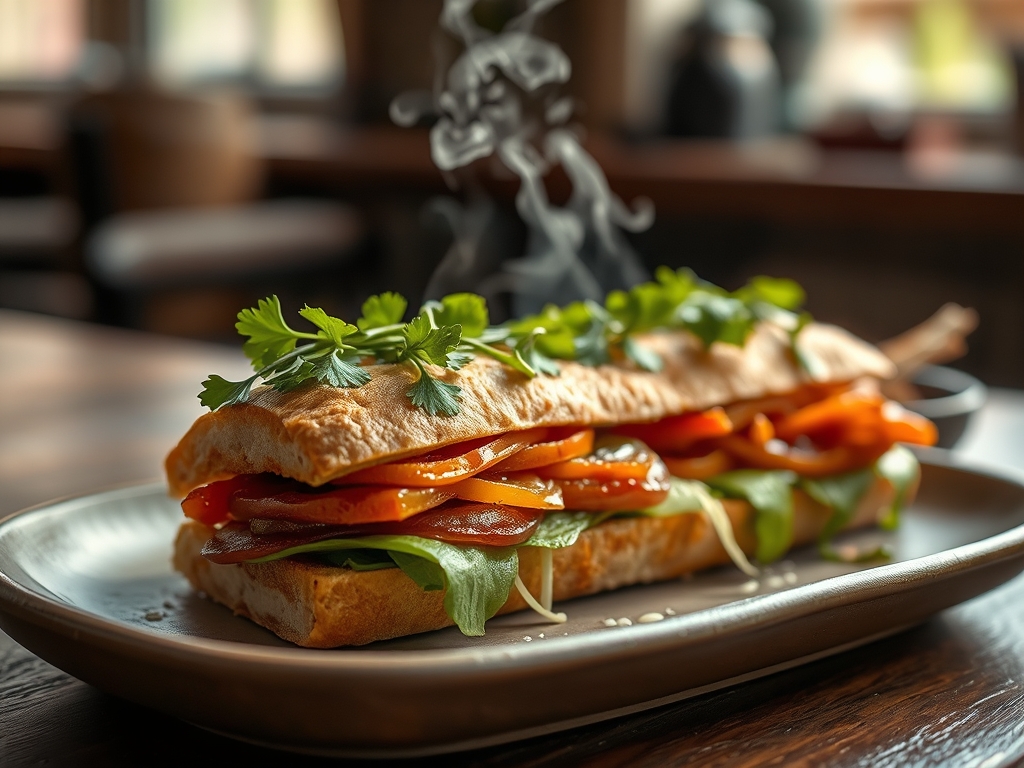
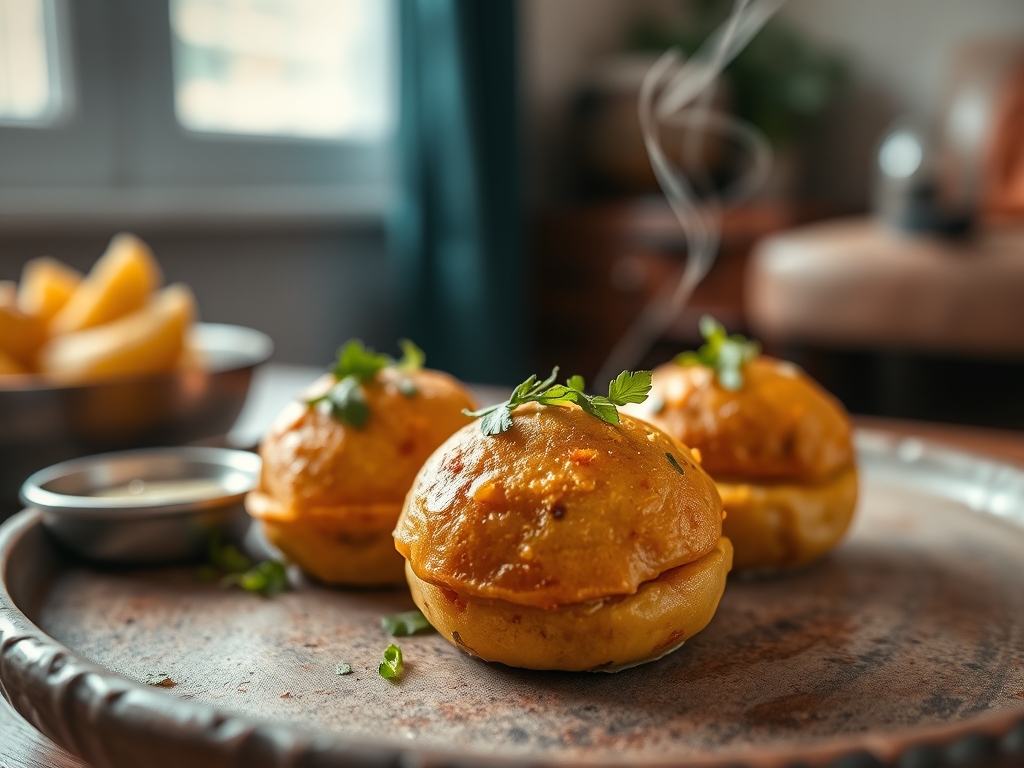
Welcome to the high-stakes theater of Mumbai street food; a landscape where the humble tuber is transformed into a weapon of mass satisfaction. We are not merely discussing a sandwich. We are auditing the Indian Vada Pav. This is the ultimate exercise in starch compression; a golden, spiced potato sphere nestled within a cloud-like leavened bun. The structural integrity of a Vada Pav relies on a delicate balance of moisture management and thermal precision. You have the soft, pillowy texture of the pav acting as a dampener for the crunch of the gram flour batter. Inside, the potato mash must be a viscous yet stable matrix of aromatics and starch. This is the blue-collar king of snacks; a portable, piquant powerhouse that fuels millions. To the uninitiated, it looks like a simple slider. To the culinary architect, it is a masterclass in layering textures and managing the Maillard reaction. Strap in; we are about to deconstruct the mechanics of the perfect fry and the chemistry of the dry garlic chutney.
THE DATA MATRIX
| Metric | Specification |
|---|---|
| Prep Time | 30 Minutes |
| Execution Time | 20 Minutes |
| Yield | 6 Servings |
| Complexity (1-10) | 6 |
| Estimated Cost per Serving | $0.85 |
THE GATHERS
Ingredient Protocol:
- 500g / 1.1 lbs Yukon Gold Potatoes (Boiled and peeled)
- 150g / 1.25 cups Gram Flour (Besan)
- 5g / 1 tsp Turmeric Powder
- 10g / 2 tsp Mustard Seeds
- 15g / 1 tbsp Ginger-Garlic Paste
- 4-6 Green Chilies (Finely minced)
- 10-12 Fresh Curry Leaves
- 250ml / 1 cup Water (For batter consistency)
- 5g / 1 tsp Kashmiri Red Chili Powder
- 6 Soft Slider Buns (Pav)
- 500ml / 2 cups Neutral Oil (For deep frying)
Section A: Ingredient Quality Audit:
The primary failure point in an Indian Vada Pav is the potato selection. Avoid waxy potatoes like Red Bliss; they hold too much moisture and will turn into a gummy, translucent mess rather than a fluffy filling. If your potatoes feel "tacky" after mashing, you have overworked the starch. To fix this, aerate the mash by folding it gently with a silicone spatula rather than whipping it. If your gram flour batter is clumping, it is likely due to high humidity in your storage area. Sift the flour twice through a fine-mesh sieve to ensure a smooth, viscous coating that adheres to the potato globe without sliding off during the fry.
THE MASTERCLASS
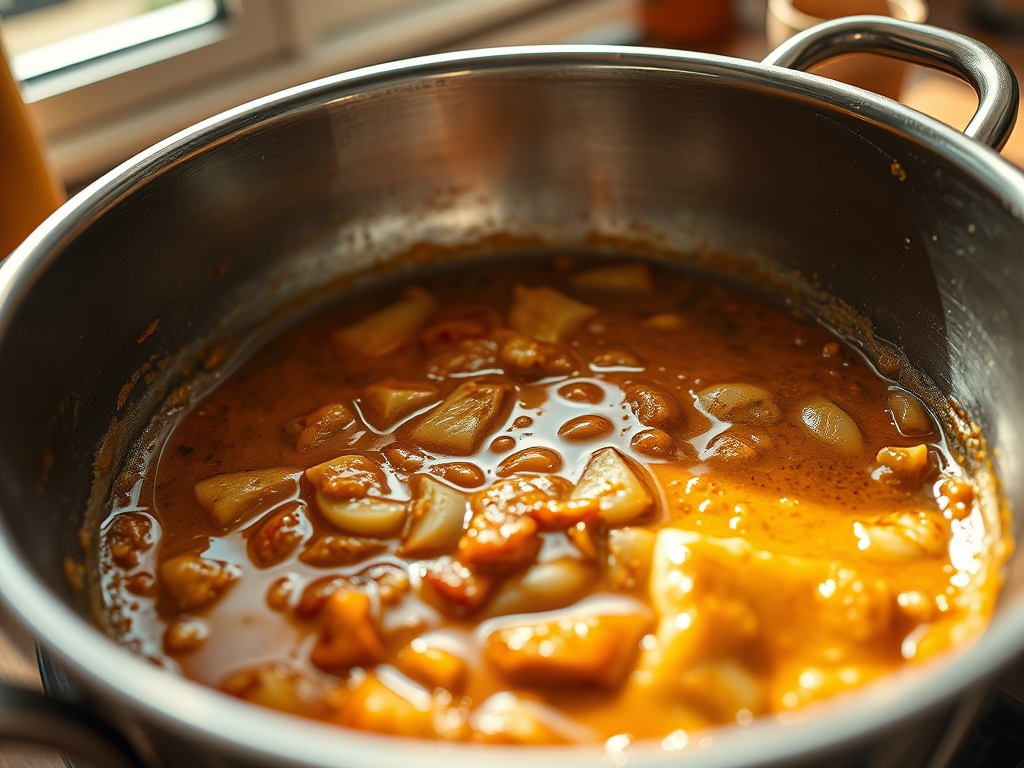
Step 1: The Aromatic Infusion
Heat a small saucier over medium heat and add a tablespoon of oil. Drop in the mustard seeds; wait for the crackle. Add the curry leaves and ginger-garlic paste. This is where you infuse the fat with essential oils. Sauté until the raw aroma dissipates.
Pro Tip: Use a digital thermometer to ensure your oil is at 175C (350F) before adding aromatics. If the oil is too cold, the spices will soak up grease; if too hot, the mustard seeds will turn bitter and acrid.
Step 2: Starch Compression and Shaping
Mash the boiled potatoes using a bench scraper or a dedicated ricer for a uniform crumb. Fold in the aromatic tempered oil, salt, and minced chilies. Form the mixture into six equidistant spheres, approximately 60g each.
Pro Tip: Use a digital scale to ensure every vada is identical. Uniformity is not just for aesthetics; it ensures that every unit has the same thermal trajectory in the fryer, preventing some from burning while others remain cold at the core.
Step 3: The Batter Encapsulation
Whisk the gram flour, turmeric, and a pinch of salt with water until it reaches the consistency of heavy cream. It should coat the back of a spoon without being so thick that it becomes bready.
Pro Tip: Allow the batter to rest for 10 minutes. This allows the proteins in the gram flour to hydrate fully, resulting in a smoother, more resilient coating that won't crack when it hits the hot oil.
Step 4: The Thermal Descent
Heat your frying oil in a heavy-bottomed pot. Dip each potato sphere into the batter and gently drop it into the oil. Fry until the exterior is a vibrant, golden yellow.
Pro Tip: Use a slotted spoon or "spider" to move the vadas. Do not overcrowd the pot. Adding too many vadas at once will cause the oil temperature to plummet, leading to oil absorption and a greasy, heavy mouthfeel.
Section B: Prep & Timing Fault-Lines:
Timing is the silent killer of the Indian Vada Pav. If you fry the vadas too far in advance, the residual steam from the potato core will migrate outward, softening the crisp gram flour shell. This is known as "structural degradation." To avoid this, keep the fried vadas on a wire cooling rack in a low oven (90C / 200F). Never stack them while hot; the lack of airflow creates a micro-climate of steam that ruins the crunch.
THE VISUAL SPECTRUM
Section C: Thermal & Visual Troubleshooting:
Look closely at the Masterclass photo. The exterior should be a matte golden-yellow, not a dark brown. If your vadas are turning dark brown, your oil is too hot or your batter has too much sugar/impurities. The "pav" or bun should be toasted only on the interior faces to provide a textural contrast to the soft exterior. If the bun looks dry or shriveled, it has been toasted too long; it should spring back when touched. If the green chutney appears dull or brown, you have oxidized the herbs. Add a squeeze of lemon juice or a pinch of citric acid during the blending process to lock in that vibrant, piquant green.
THE DEEP DIVE
Macro Nutrition Profile:
A single serving of Indian Vada Pav typically contains 320 calories. The breakdown is roughly 45g Carbohydrates, 12g Fat, and 8g Protein. It is a high-carb energy bomb designed for rapid glycogen replenishment.
Dietary Swaps:
- Vegan: The traditional recipe is naturally vegan if you use oil instead of butter to toast the buns.
- Keto: Replace the potato with mashed cauliflower and almond flour; swap the bun for a lettuce wrap (though the "Starch Compression" soul of the dish will be lost).
- GF: Ensure the gram flour is certified gluten-free and use a high-quality GF slider bun.
Meal Prep & Reheating Science:
To maintain molecular structure during reheating, avoid the microwave at all costs. The microwave agitates water molecules, making the bread chewy and the potato soggy. Use an air fryer at 180C (350F) for 4 minutes to re-crisp the batter while keeping the interior moist.
THE KITCHEN TABLE
Why is my Vada Pav falling apart in the oil?
Your potato mixture likely has too much moisture. Ensure the potatoes are bone-dry after boiling. If they are still wet, sauté the mash in a pan for three minutes to render out excess water before shaping.
What gives the red chutney its kick?
That is the dry garlic chutney. It uses toasted coconut, fried garlic, and Kashmiri chili. The fat in the coconut carries the heat, while the garlic provides a pungent, savory backbone that cuts through the starch.
Can I bake these instead of frying?
You can, but the texture will suffer. Frying creates a rapid steam-release that puffs the batter. Baking results in a denser, harder shell. If you must bake, spritz heavily with oil to simulate the fry.
How do I get the "crumbs" on the side?
Those are called "chura." Drip excess batter into the oil while frying the vadas. These crispy bits provide an extra layer of crunch and are essential for an authentic Mumbai-style presentation.