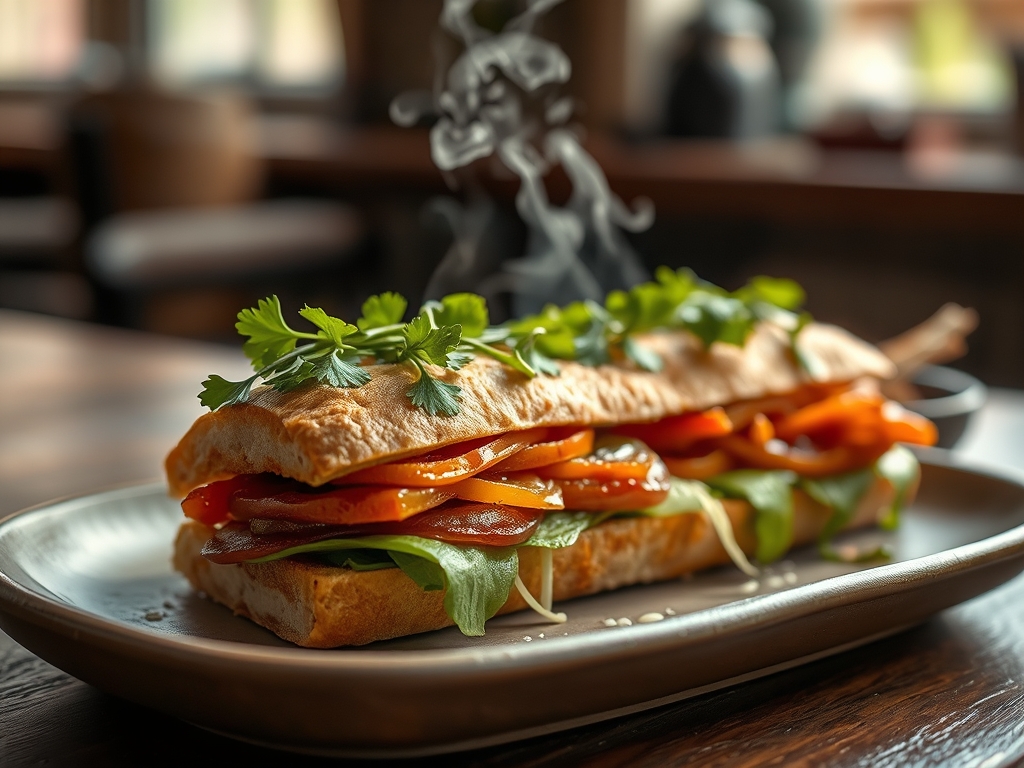
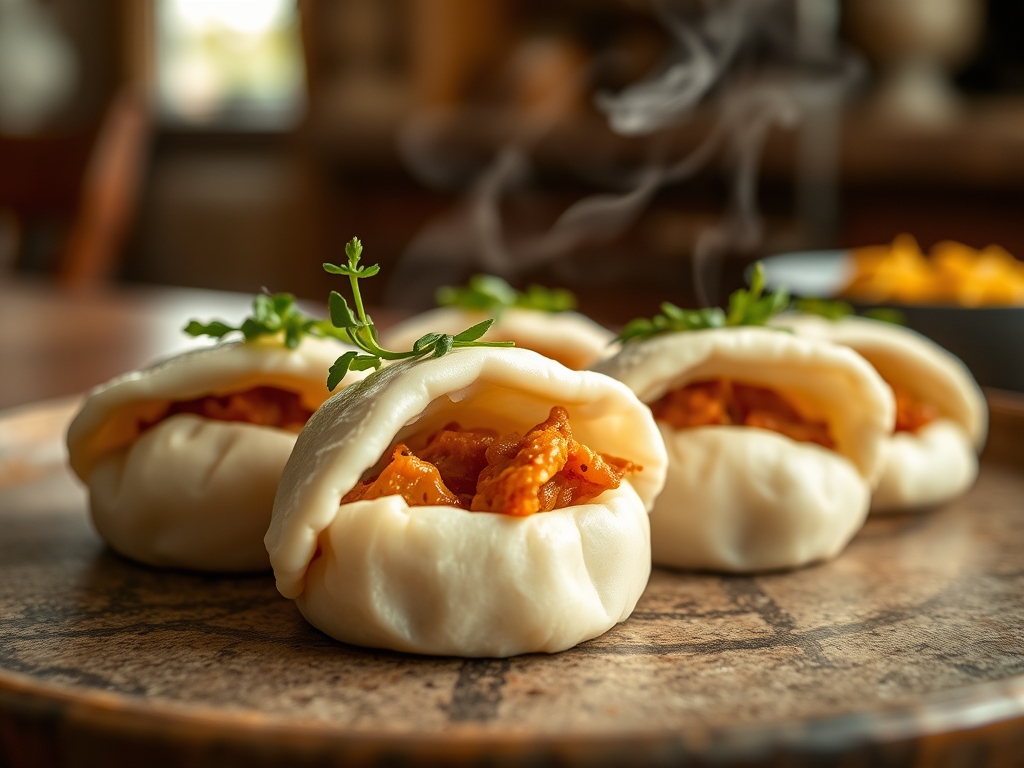
Listen up, flavor architects and dough-obsessed structural engineers. We are not just making snacks; we are building edible clouds. The Chinese Bao Buns experience is a masterclass in the intersection of high-pressure steam and gluten elasticity. Imagine a surface so white and smooth it mimics polished marble, yet yields to the touch like a velvet pillow. When you bite through that aerated perimeter, you hit the payload: a core of savory, umami-rich pork that has been rendered into a viscous nectar of soy, ginger, and fat. This is the ultimate infrastructure project for your palate. We are talking about a delicate balance of biological leavening and thermal expansion. If your dough is too dense, you have created a brick; if your filling is too wet, the structural integrity of the base collapses into a soggy mess. We demand perfection in the crumb and a piquant punch in the filling. Grab your digital scales and clear the workbench. It is time to audit your kitchen capabilities and produce the gold standard of dim sum.
THE DATA MATRIX
| Metric | Specification |
|---|---|
| Prep Time | 90 Minutes |
| Execution Time | 20 Minutes |
| Yield | 12 Large Buns |
| Complexity (1-10) | 7 |
| Estimated Cost per Serving | $1.15 |
THE GATHERS
Ingredient Protocol:
The Structural Mantle (Dough):
- 500g / 4 cups Low-protein "Bao" flour or All-Purpose flour.
- 250ml / 1 cup Lukewarm water (35C / 95F).
- 7g / 2.25 tsp Instant yeast.
- 50g / 0.25 cup Caster sugar.
- 20g / 1.5 tbsp Neutral oil (Vegetable or Grapeseed).
- 5g / 1 tsp Fine sea salt.
The Internal Payload (Filling):
- 400g / 0.9 lbs Ground pork shoulder (minimum 20% fat).
- 30ml / 2 tbsp Light soy sauce.
- 15ml / 1 tbsp Shaoxing wine.
- 10ml / 2 tsp Toasted sesame oil.
- 30g / 2 tbsp Minced scallions.
- 5g / 1 tsp Grated fresh ginger.
- 10g / 2 tsp Cornstarch (to infuse and thicken juices).
Section A: Ingredient Quality Audit:
If your flour has a protein content higher than 11%, your buns will emerge with a yellowish hue and a tough, bread-like chew rather than a tender snap. To fix this, replace 20% of your high-protein flour with cornstarch to weaken the gluten network. If your yeast is dormant, your buns will fail to aerate, resulting in a flat, gummy disc. Always bloom your yeast in warm water with a pinch of sugar first; if it does not foam within five minutes, discard it and restart. Using lean pork is a fatal error. Without enough fat to render during the steaming process, the filling will become a dry, compacted ball. Ensure your pork is a "70/30" or "80/20" blend to maintain internal moisture.
THE MASTERCLASS
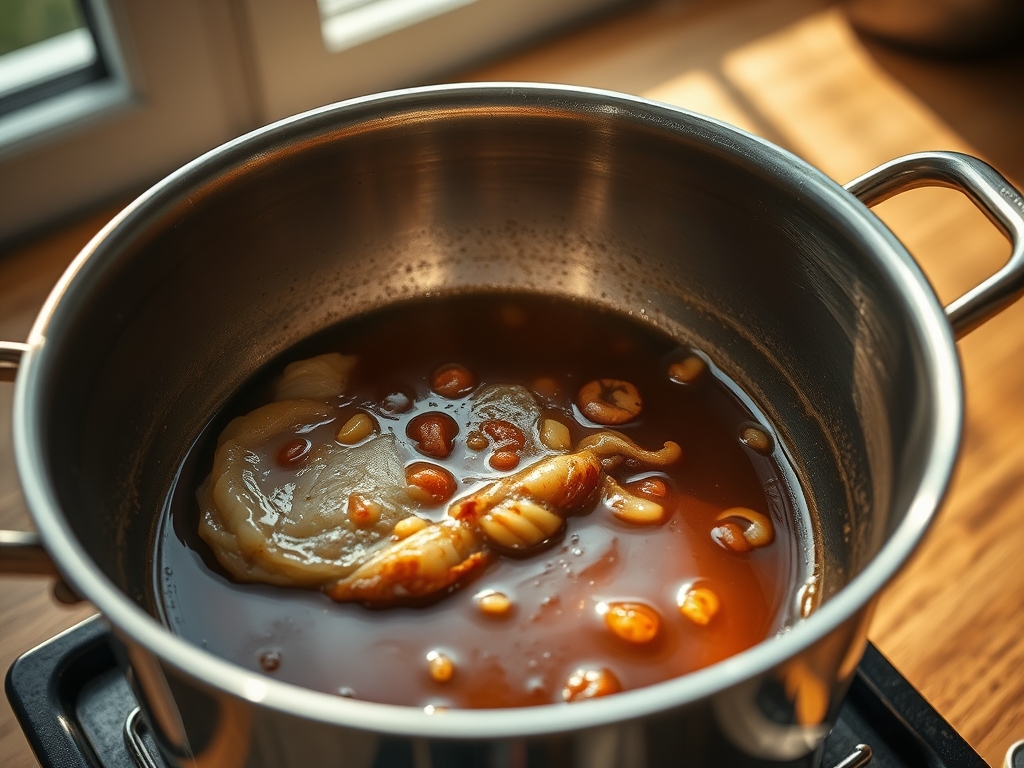
Step-by-Step Execution:
1. Hydration and Molecular Integration
Combine your dry ingredients in the bowl of a stand mixer. Gradually stream in the water and oil while mixing on low speed. Once a shaggy mass forms, switch to the dough hook and knead for 8 to 10 minutes until the surface is as smooth as a baby's cheek.
Pro Tip: Use a digital scale for precision. Even a 5-gram variance in water can alter the dough's hydration levels, leading to a surface that is either too sticky to pleat or too dry to seal.
2. The Primary Fermentation
Place the dough in a lightly oiled bowl and cover with a damp cloth. Allow it to proof in a draft-free environment until it has exactly doubled in volume. This usually takes 60 minutes depending on ambient temperature.
Pro Tip: Do not over-proof. If the dough smells strongly of alcohol or collapses when touched, the yeast has exhausted its fuel. Use a bench scraper to gently deflate the dough without tearing the gluten strands.
3. Emulsifying the Payload
While the dough rises, combine the pork, soy sauce, wine, ginger, and sesame oil. Stir vigorously in one direction for 3 minutes. This mechanical action develops the proteins, creating a cohesive, springy texture rather than a loose crumble.
Pro Tip: Use a saucier or small chilled bowl to mix the filling. Keeping the meat cold ensures the fat stays solid until it hits the steamer, preventing the juices from leaking out prematurely.
4. Precision Division and Shaping
Punch down the dough and divide it into 12 equal portions (approximately 65g each). Roll each into a ball, then flatten into a disc where the edges are thinner than the center. This "belly" in the middle supports the weight of the filling.
Pro Tip: A small wooden rolling pin is superior here. By keeping the center thick, you prevent the bottom of your Chinese Bao Buns from becoming translucent or breaking under the weight of the pork.
5. The Architecture of the Pleat
Place a tablespoon of filling in the center. Use your thumb and index finger to pinch and fold the edge of the dough, rotating the bun as you go. Aim for 12 to 18 pleats for a professional aesthetic. Twist the top to seal the "eye" of the bun.
Pro Tip: If the dough is resisting, let the rounds rest for 5 minutes to relax the gluten. A bench scraper is excellent for cleaning up any stray flour on your station to ensure a tight, tacky seal.
6. The Thermal Transition
Place buns on individual parchment squares in a bamboo steamer. Let them rest for 20 minutes for a second proof. Steam over boiling water for 12 to 15 minutes. Crucially, turn off the heat and wait 5 minutes before opening the lid.
Pro Tip: Sudden temperature drops cause the air cells to contract violently, leading to wrinkled skin. This 5-minute "tempering" period is the secret to that smooth, professional finish seen in high-end dim sum houses.
Section B: Prep & Timing Fault-Lines:
The most common human error is the "Cold Shock" phenomenon. If you pull the lid off the steamer immediately, the atmospheric pressure change will cause your beautiful, puffed buns to shrivel instantly. Another timing disaster is the "Soggy Bottom." If your filling is too warm when you wrap it, the heat will begin to cook the dough from the inside out before it ever hits the steamer. Always chill your filling for at least 30 minutes before assembly to ensure the structural integrity of the base remains intact during the pleating process.
THE VISUAL SPECTRUM
Section C: Thermal & Visual Troubleshooting:
Referencing the Masterclass photo, your Chinese Bao Buns should exhibit a "snow-white" matte finish with distinct, sharp pleat lines radiating from the center. If your buns look yellow, you likely used unbleached flour or over-proofed the dough. If the pleats have vanished into a smooth mound, your dough was too wet or your second proof was too long. Dull, greyish spots indicate condensation dripped from the steamer lid onto the dough. To prevent this, wrap your steamer lid in a clean kitchen towel to absorb excess moisture. The "eye" at the top should be tightly sealed; if it has opened like a blooming flower, your pinch-and-twist technique lacked sufficient pressure.
THE DEEP DIVE
Macro Nutrition Profile:
Each bun provides approximately 280 calories, 12g of protein, 35g of carbohydrates, and 10g of fat. While high in refined carbs, the steaming process avoids the added fats associated with frying.
Dietary Swaps:
- Vegan: Replace pork with a mixture of minced shiitake mushrooms, smoked tofu, and water chestnuts. Use hoisin sauce to provide the necessary viscous bind.
- Gluten-Free: This is a challenge for Bao. Use a blend of rice flour, tapioca starch, and xanthan gum, but be aware the texture will be more "mochi-like" than fluffy.
- Keto: Currently impossible to achieve the "fluffy" bread texture without grain flours. Consider a "Bao-style" cabbage wrap for the filling instead.
Meal Prep & Reheating Science:
Bao buns are the kings of meal prep. To maintain molecular structure, freeze them in a single layer after they have cooled completely. To reheat, do not use a microwave; it turns the gluten into rubber. Re-steam for 5 to 8 minutes to re-hydrate the starch molecules and return the bun to its original pillowy state.
THE KITCHEN TABLE
Why are my buns collapsing after steaming?
This is usually caused by over-proofing or a sudden temperature change. Ensure you let the steamer sit undisturbed for five minutes after turning off the heat to allow the internal pressure to stabilize gradually.
Can I use bread flour instead of bao flour?
Bread flour has too much protein, resulting in a chewy, yellow bun. If you must use it, mix it with 30% cornstarch to lower the overall protein content and achieve a softer, whiter crumb.
My dough is too sticky to handle. Help!
Your kitchen might be humid or your measurements slightly off. Dust your hands and the bench scraper with a tiny bit of flour, but avoid adding too much, or the buns will become dry and heavy.
How do I get that perfectly white color?
Professional kitchens often add a teaspoon of white vinegar to the steaming water. The acidic steam helps whiten the flour. Also, specifically seeking out "Hong Kong Style" bleached flour will yield the brightest results.