The scent of charred fat and piquant lemon is not merely a dinner invitation; it is a siren song of chemical engineering. When we discuss Greek Souvlaki, we are not just talking about street food. We are analyzing the structural integrity of pork shoulder subjected to high-velocity thermal radiation. The goal is simple yet elusive: a Maillard-driven crust that yields to a succulent, moisture-rich interior. This requires more than a grill. It requires a fundamental understanding of how citric acid denatures proteins and how dried oregano encapsulates volatile oils that only release under specific heat thresholds. We are here to audit the marinade, the skewering technique, and the fire management that transforms raw muscle into a culinary masterpiece. If your skewers are dry or your seasoning is lackluster, you have failed the kinetic test. We do not accept mediocrity in this kitchen. We demand a high-performance output where every cube of meat serves as a vessel for Mediterranean aromatics and perfectly rendered lipids. Let us begin the audit.
THE DATA MATRIX
| Metric | Specification |
|---|---|
| Prep Time | 25 Minutes |
| Execution Time | 12 Minutes |
| Yield | 4 Portions (16 Skewers) |
| Complexity (1-10) | 4 |
| Estimated Cost per Serving | $3.50 – $4.50 |
THE GATHERS
Ingredient Protocol:
- 1.2 kg / 2.6 lbs Pork Shoulder (Boston Butt), trimmed and cubed into 2.5 cm / 1 inch pieces.
- 120 ml / 0.5 cup Extra Virgin Olive Oil (Cold-pressed).
- 60 ml / 0.25 cup Fresh Lemon Juice (Approximately 2 large lemons).
- 15 g / 1 tbsp Dried Greek Oregano (High-oil content).
- 10 g / 2 tsp Sea Salt (Fine grain).
- 5 g / 1 tsp Cracked Black Pepper.
- 4 cloves / 20 g Fresh Garlic, microplaned into a paste.
- 15 ml / 1 tbsp Red Wine Vinegar.
Section A: Ingredient Quality Audit:
The primary failure point in Greek Souvlaki is the selection of lean meat. If you use pork loin, the lack of intramuscular fat will result in a chalky, desiccated texture. Fix: Always opt for pork shoulder. The connective tissue and fat deposits will render during the high-heat sear, self-basting the meat from the inside out.
Another common audit failure is the use of bottled lemon juice. This product contains preservatives that impart a metallic aftertaste and lack the bright, viscous enzymes found in fresh fruit. Fix: Use a citrus press to extract juice immediately before mixing. If your dried oregano smells like dust rather than a pungent herb garden, the volatile oils have evaporated. Fix: Rub the dried leaves between your palms to aerate and reactivate the aromatics before adding them to the marinade.
THE MASTERCLASS
1. The Protein Architecture
Before the first drop of oil touches the meat, you must ensure uniformity. Use a sharpened chef knife and a bench scraper to organize your 2.5 cm cubes. Uniformity ensures that every piece reaches the target internal temperature simultaneously.
Pro Tip: Use a digital scale to ensure each skewer weighs exactly the same. This prevents "rogue skewers" that overcook while others remain under-temp. Science dictates that surface area directly impacts heat penetration.
2. The Emulsified Marinade
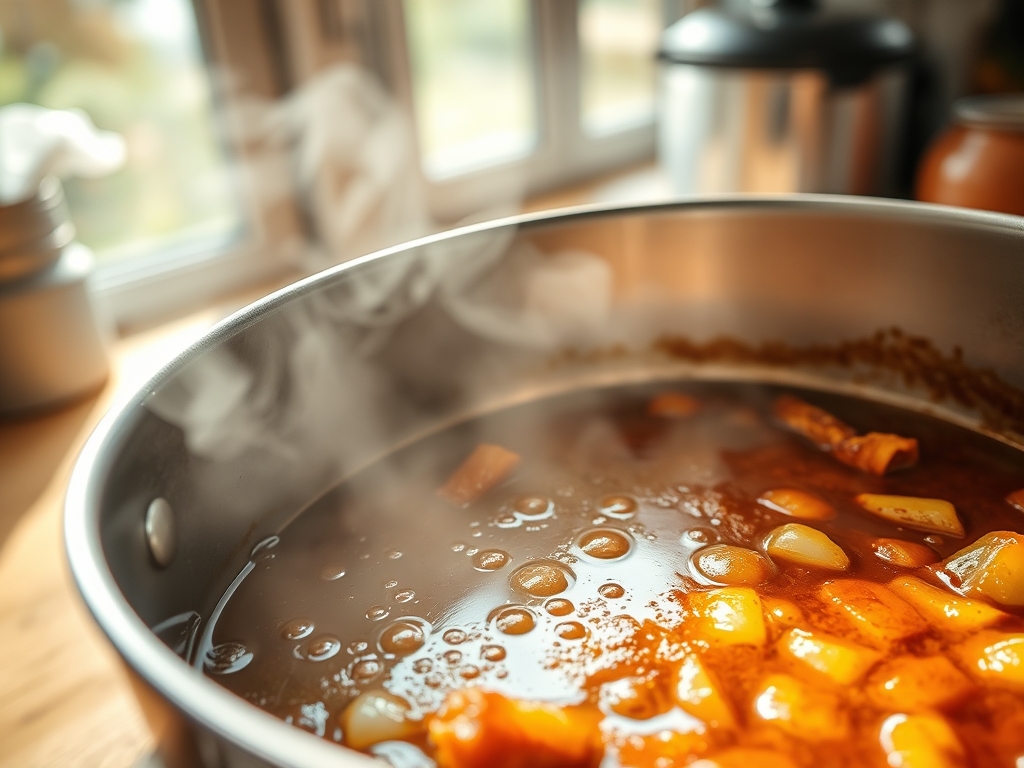
In a stainless steel saucier, whisk the olive oil, lemon juice, vinegar, garlic, and spices. You are looking for a temporary emulsion where the acid and oil are suspended. This ensures that the fat-soluble compounds in the oregano and the water-soluble compounds in the salt penetrate the meat fibers equally.
Pro Tip: The addition of red wine vinegar acts as a secondary catalyst. While lemon juice provides the piquant top notes, the vinegar penetrates deeper into the muscle fibers to tenderize the protein chains without turning them into mush.
3. The Saturation Phase
Combine the pork and marinade in a non-reactive glass bowl. Massage the liquid into the meat to ensure every crevice is coated. Cover and refrigerate for a minimum of two hours, but no more than four.
Pro Tip: Over-marinating in high-acid environments will actually "cook" the meat (denaturation) and result in a mealy texture. Use a kitchen timer to monitor the saturation window. Precision is the difference between succulent and soggy.
4. The Skewering Kinetic
Thread the meat onto soaked wooden or stainless steel skewers. Do not crowd the pieces. Leave a micro-gap between each cube to allow hot air to circulate. If the meat is packed too tightly, the sides will steam rather than sear, ruining the Maillard reaction.
Pro Tip: Use a digital infrared thermometer to check your grill surface. You are looking for a minimum of 230 degrees Celsius (450 degrees Fahrenheit). High heat is mandatory to infuse the exterior with carbonized flavor before the interior dries out.
5. Thermal Execution
Place the skewers on the grate. Do not touch them for the first three minutes. You need to allow the proteins to set and release naturally from the metal. Flip once and continue cooking until the internal temperature reaches 63 degrees Celsius (145 degrees Fahrenheit).
Pro Tip: Use a high-quality instant-read probe thermometer. Pulling the meat at exactly 63 degrees allows for "carry-over cooking" to bring the final temp to a perfect, juicy 65 degrees while the meat rests.
Section B: Prep & Timing Fault-Lines:
The most frequent human error is the "Cold Meat Syndrome." If you take the skewers directly from a 4-degree refrigerator to a 230-degree grill, the exterior will burn before the center loses its chill. Fix: Allow the skewered meat to temper at room temperature for 20 minutes before grilling.
Temperature control is also vital. If the grill is too cool, the meat will leak juices, resulting in a "boiled" appearance rather than a charred one. Fix: If you see gray liquid pooling on the grill, increase the airflow to your coals or turn up the gas immediately.
THE VISUAL SPECTRUM
Section C: Thermal & Visual Troubleshooting:
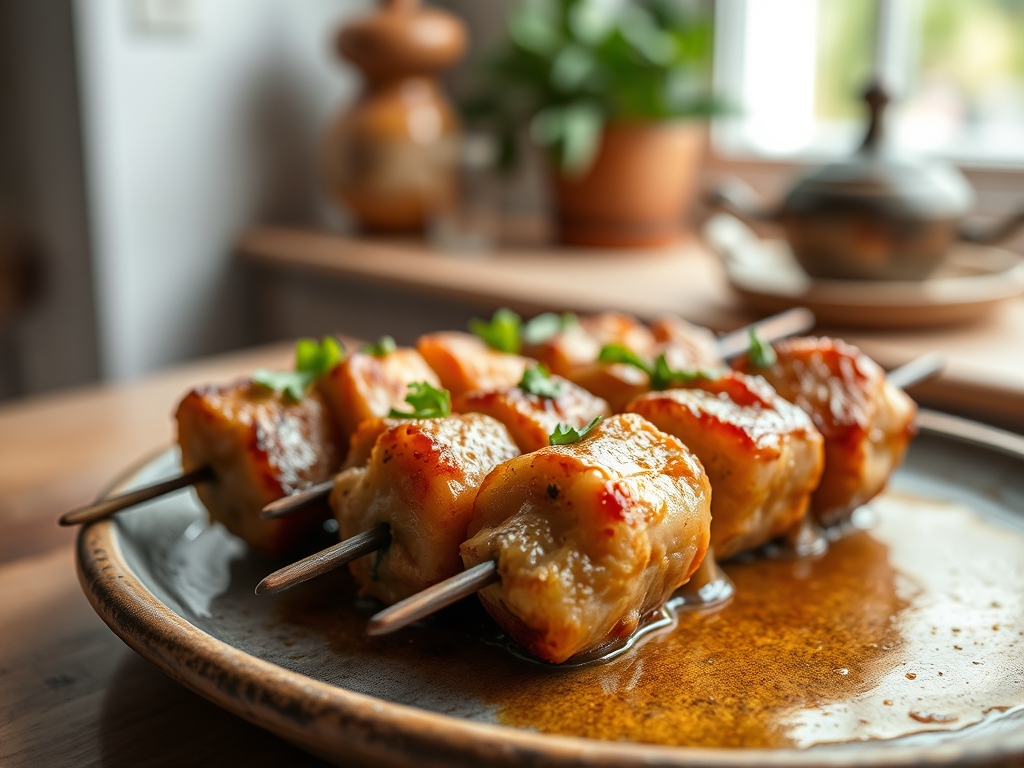
Referencing the Masterclass photo, your Souvlaki should exhibit deep mahogany char marks contrasted against a vibrant, glistening surface. If your meat looks dull and gray, you likely skipped the oil in the marinade or failed to achieve a high enough sear temperature.
Uneven Browning: This indicates inconsistent cube sizing or a "crowded" skewer. Ensure there is visible space between pieces.
Dull Color: This is often a result of oxidized oregano or old lemon juice. Freshness is the key to the "Visual Spectrum."
Dry Appearance: If the meat looks fibrous and stringy, it has been overcooked. The fat did not have time to render properly because the heat was too low for too long.
THE DEEP DIVE
Macro Nutrition Profile
A standard serving of four skewers provides approximately 35g of high-quality protein, 22g of fat (primarily monounsaturated from the olive oil), and less than 2g of carbohydrates. This makes it an ideal profile for metabolic efficiency and muscle recovery.
Dietary Swaps
- Vegan: Substitute pork with extra-firm tofu or king oyster mushrooms. Note: Reduce marination time to 30 minutes as plant tissues absorb acid faster.
- Keto: The standard recipe is already keto-compliant. Serve with a high-fat tzatziki.
- GF: Ensure your dried spices are certified gluten-free, as some manufacturers use flour as an anti-caking agent.
Meal Prep & Reheating Science
To maintain the molecular structure during reheating, avoid the microwave. The agitation of water molecules will turn the pork rubbery. Instead, deglaze a pan with a splash of water or broth, add the meat, and cover. Use low, indirect heat to gently steam the protein back to serving temperature without further denaturing the fibers.
THE KITCHEN TABLE
How do I prevent wooden skewers from burning?
Submerge them in water for at least 30 minutes prior to threading. This saturates the cellulose fibers, creating a thermal buffer that prevents the wood from igniting under the intense heat of the grill.
Can I use chicken instead of pork?
Yes, but use boneless, skinless thighs. Chicken breast lacks the necessary lipid content to survive the high-heat audit. Thighs provide the connective tissue required for a succulent result.
Why is my garlic tasting bitter?
If the garlic burns on the surface of the meat, it turns acrid. Ensure the garlic is microplaned into a fine paste so it integrates into the oil, protecting it from direct flame contact.
Is the red wine vinegar mandatory?
While not strictly traditional in every region, it provides a necessary enzymatic breakdown that lemon juice alone cannot achieve. It adds a layer of complexity to the piquant profile.
What is the best way to serve this?
Serve immediately. The structural integrity of the fats begins to change as they cool. Pair with warm pita, sliced red onions, and a high-viscosity tzatziki for the ultimate kinetic experience.