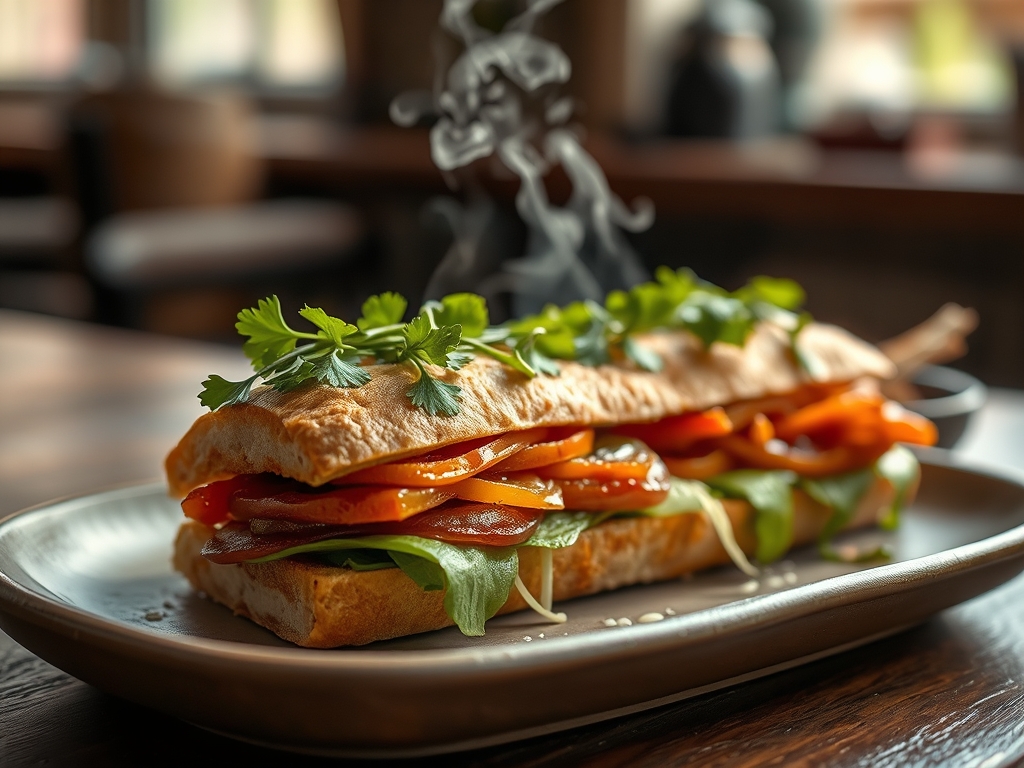
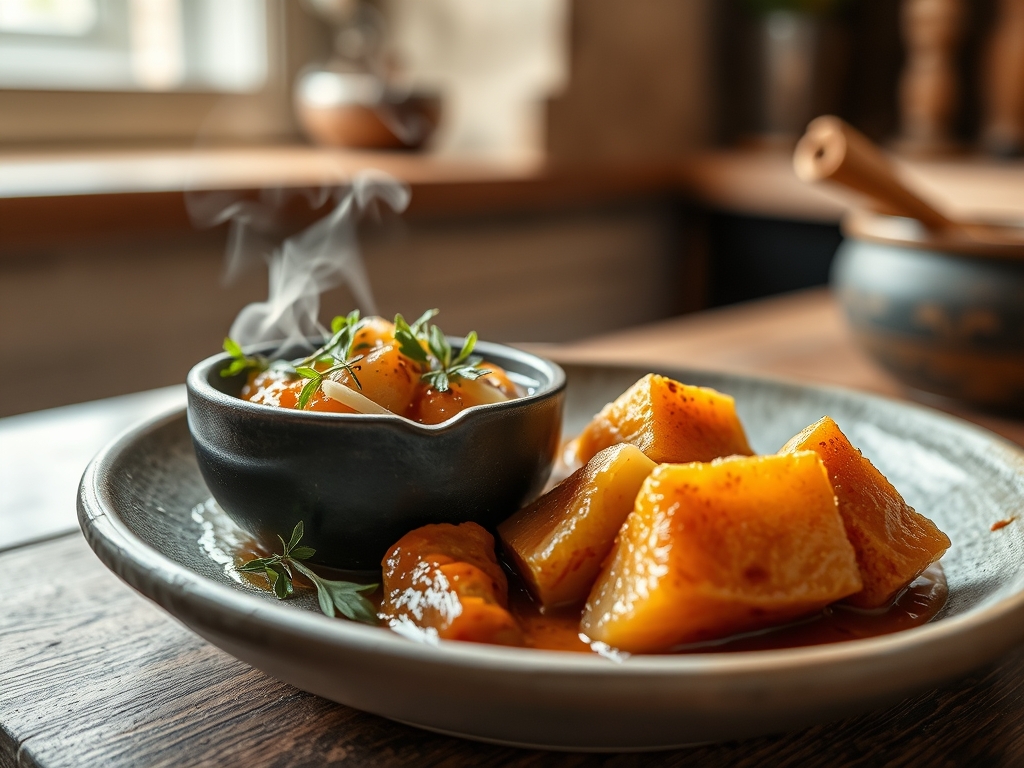
Forget everything you know about modern, watery soups; we are entering the realm of the high-density carbohydrate engine. Medieval Pottage was not merely a meal; it was the primary fuel source for the construction of cathedrals and the maintenance of feudal hierarchies. Imagine a cauldron bubbling with a thick, viscous slurry of oats, barley, and rye. The air is thick with the scent of woodsmoke and the piquant aroma of fermented leeks. This is the ultimate low-latency grain delivery system. It is designed for maximum caloric bioavailability with minimal processing overhead. We are looking for a texture that sits precisely between a thick stew and a savory porridge. When executed correctly, the spoon should stand upright in the center of the bowl, a testament to the structural integrity of the starch matrix. This is culinary infrastructure at its most primal and powerful. We are going to engineer a bowl of sustenance that bridges the gap between ancient survival and modern nutritional optimization. Prepare for a sensory overload of earthy grains and deep, slow-cooked umami.
THE DATA MATRIX
| Metric | Specification |
|---|---|
| Prep Time | 20 Minutes |
| Execution Time | 90 Minutes |
| Yield | 6 Servings |
| Complexity | 4 / 10 |
| Estimated Cost per Serving | $1.15 |
THE GATHERS
Ingredient Protocol:
- 200g / 1 cup Steel-cut oats (the structural foundation)
- 100g / 0.5 cup Pearl barley (for textural contrast)
- 1.5L / 6 cups Beef or vegetable bone broth (the hydration medium)
- 300g / 2 cups Chopped kale or cabbage (the fibrous reinforcement)
- 3 Large leeks, cleaned and sliced (the aromatic baseline)
- 150g / 1 cup Diced smoked bacon or salt pork (to render essential fats)
- 15ml / 1 tbsp Apple cider vinegar (to balance the pH)
- 5g / 1 tsp Coarse sea salt
- 2g / 0.5 tsp Cracked black pepper
Section A: Ingredient Quality Audit:
If your grains are dusty or carry a musty odor, they have oxidized. To fix this, rinse them in a fine-mesh sieve until the water runs clear, then toast them in a dry saucier until a nutty aroma emerges. This triggers a localized Maillard reaction on the husk, masking staleness. If your leeks are woody, remove the outer three layers entirely. If your broth lacks depth, infuse it with a single star anise or a parmesan rind during the simmer phase to artificially boost the glutamic acid levels.
THE MASTERCLASS
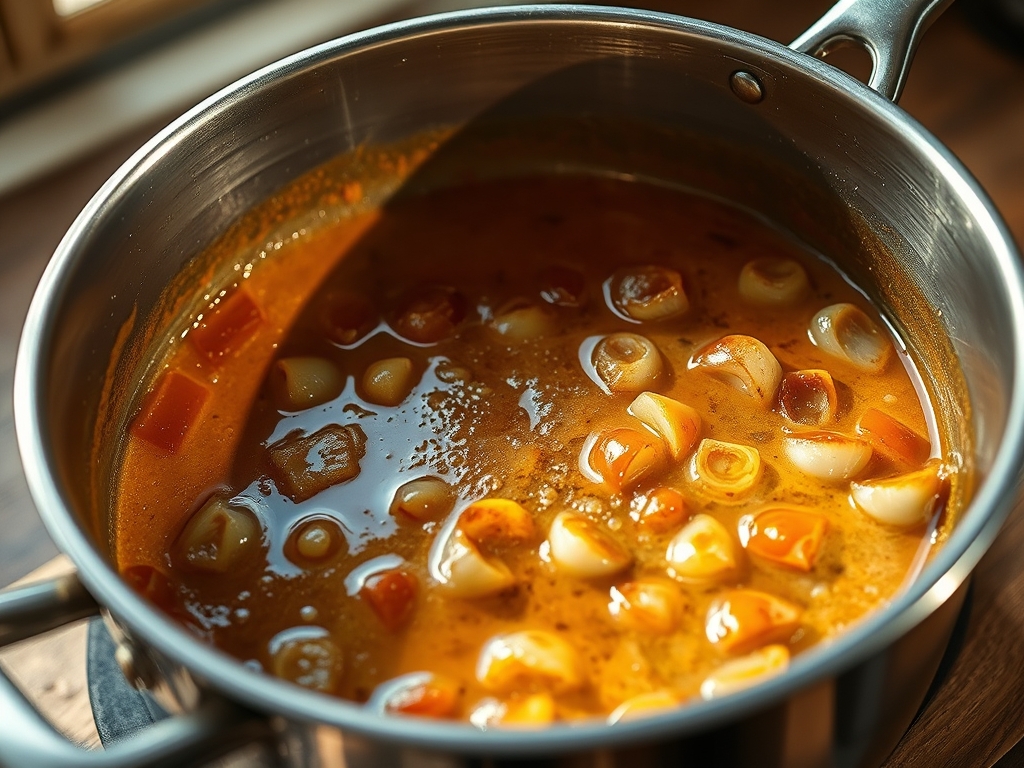
Step 1: Fat Rendering and Aromatic Baseline
Begin by placing your diced bacon into a cold heavy-bottomed pot. Turn the heat to medium-low to slowly render the saturated fats without scorching the proteins. Once the fat is liquid, add the sliced leeks. Use a bench scraper to efficiently move your prepped vegetables from the board to the pot. Sauté until the leeks are translucent and have softened into the fat.
Pro Tip: Starting with a cold pot allows the fat cells to rupture slowly. This ensures a more stable emulsion later in the process. Using a high-quality digital scale for your fat-to-aromatic ratio ensures consistent flavor density every time.
Step 2: Grain Hydration and Toasting
Incorporate the steel-cut oats and pearl barley into the rendered fat. Stir constantly for three minutes. You are looking for the grains to become slightly translucent at the edges. This process coats the starch granules in lipids, which prevents them from becoming a singular, gelatinous mass.
Pro Tip: Toasting the grains before adding liquid creates a barrier that slows down water absorption. This ensures the center of the barley remains "al dente" while the oats provide the creamy, viscous binder.
Step 3: The Hydration Phase
Slowly pour in your broth. Use a wooden spoon to deglaze the bottom of the pot, scraping up any browned bits (fond) that have adhered to the surface. Bring the mixture to a rolling boil, then immediately drop the temperature to a whisper-thin simmer. Cover the pot tightly to prevent excessive evaporation.
Pro Tip: A heavy lid is a professional tool in itself. It creates a pressurized environment that forces hydration into the core of the grain faster than an open-air simmer.
Step 4: Fibrous Integration
After 60 minutes, the grains should be tender but resilient. Fold in the chopped kale or cabbage. The residual heat and the moisture of the pottage will wilt the greens without overcooking them into a gray, sulfurous mess. Add the salt, pepper, and vinegar at this final stage to maintain the brightness of the flavors.
Pro Tip: Adding acids like vinegar at the end of the cook prevents the grains from toughening. It also cuts through the heavy lipids, providing a necessary piquant counterpoint to the dense starch.
Section B: Prep & Timing Fault-Lines:
The most common failure in Medieval Pottage is "starch-lock," where the mixture becomes a solid brick. This happens when the temperature exceeds 212 degrees Fahrenheit for too long, causing the starch molecules to burst and cross-link. If this occurs, whisk in small increments of boiling broth to aerate and loosen the matrix. If your timing is off and the pottage is ready too early, keep it in a warm water bath (sous-vide style) to prevent the bottom from scorching.
THE VISUAL SPECTRUM
Section C: Thermal & Visual Troubleshooting:
Referencing the Masterclass photo, your pottage should exhibit a variegated color palette. The grains should be a warm ivory, punctuated by the deep forest green of the kale. If your dish looks dull or monochromatic, you likely overcooked the greens; next time, add them only five minutes before service. If you see uneven browning or dark flecks, your heat was too high during the render phase. To fix a "broken" look where fat sits on top, use an immersion blender for exactly three seconds to create a partial emulsification that binds the loose fats back into the grain starch.
THE DEEP DIVE
Macro Nutrition Profile:
A single serving provides approximately 450 calories. This is distributed across 65g of complex carbohydrates, 15g of protein, and 12g of healthy fats. The high fiber content ensures a low glycemic index, providing sustained energy release over a six-hour window.
Dietary Swaps:
- Vegan: Replace bacon with smoked paprika and coconut oil; use a high-quality mushroom stock.
- Keto: This dish is fundamentally grain-based and cannot be made Keto without replacing the grains with cauliflower rice, which fundamentally changes the infrastructure.
- GF: Replace oats and barley with buckwheat groats and sorghum.
Meal Prep & Reheating Science:
When pottage cools, it undergoes retrogradation; the starch molecules realign into a crystalline structure. To reheat, you must add 50ml of liquid per serving and heat slowly. This re-hydrates the crystals and restores the viscous texture without turning the grains to mush.
THE KITCHEN TABLE
How do I prevent the oats from getting slimy?
The secret is the initial toast in fat. By coating the oats in lipids before adding broth, you create a hydrophobic barrier that regulates how the starches release into the liquid, preventing that unwanted "slimy" mouthfeel.
Can I use quick oats for this?
Absolutely not. Quick oats lack the structural integrity required for a 90-minute simmer. They will dissolve into a featureless paste, destroying the architectural intent of the Medieval Pottage. Stick to steel-cut or whole groats for the best results.
My pottage is too salty, what now?
Do not add more water; it will ruin the texture. Instead, add a peeled, halved potato to the pot and simmer for ten minutes. The potato acts as a chemical sponge, absorbing excess sodium through osmosis before you remove it.
Why add vinegar at the very end?
Vinegar is a volatile aromatic. If you add it early, the acetic acid evaporates, leaving only a dull sourness. Adding it at the finish provides a sharp, bright "lift" that defines the flavor profile and balances the heavy grains.