Forget the romanticized image of a dusty desert campfire; we are entering a realm of high-precision culinary engineering that predates the modern kitchen by four millennia. You are not just cooking a meal; you are executing a piece of edible software written in the Yale Babylonian Tablets. This is the Babylonian Stew, a masterpiece of fatty lamb, pungent aromatics, and a complex emulsion of leeks and garlic that would make a Michelin-starred saucier weep with envy. We are talking about a dish that demands respect for the Maillard reaction and a deep understanding of lipid-based flavor extraction. The scent alone is a sensory assault of earthy cumin and the sharp, sulfurous bite of fresh shallots, all rounded out by the deep, gamy richness of pasture-raised mutton. This is where history meets the heat. We are going to render fat into liquid gold and infuse water with the very essence of the Fertile Crescent. Strap in, because your kitchen is about to become a laboratory for ancient Mesopotamian excellence.
THE DATA MATRIX
| Metric | Specification |
|---|---|
| Prep Time | 45 Minutes |
| Execution Time | 150 Minutes |
| Yield | 6 Servings |
| Complexity | 8 / 10 |
| Estimated Cost per Serving | $6.50 USD |
THE GATHERS
Ingredient Protocol:
- 900g / 2 lbs Lamb Shoulder, cubed into 2cm pieces
- 100g / 3.5 oz Rendered Sheep Fat or Ghee
- 500ml / 2 cups Water (Filtered)
- 250ml / 1 cup Beer (Brown Ale or similar malty profile)
- 150g / 5.2 oz Leeks, finely julienned
- 100g / 3.5 oz Shallots, minced
- 50g / 1.7 oz Garlic, crushed into a paste
- 10g / 2 tsp Sea Salt
- 5g / 1 tsp Cumin Seeds, toasted and ground
- 5g / 1 tsp Coriander Seeds, toasted and ground
- Fresh Cilantro and Scallions for garnish
Section A: Ingredient Quality Audit:
If your lamb shoulder is excessively lean, the stew will lack the necessary viscous mouthfeel. To fix this, incorporate 50g of supplemental tallow during the initial sear. If your garlic lacks the piquant punch required for this profile, do not simply add more; instead, crush the cloves with a pinch of salt to create an enzymatic reaction that releases more allicin. If the beer is too hoppy, it will introduce a bitter note that clashes with the lamb. Stick to malty, low-IBU profiles to ensure the sugars contribute to the final glaze rather than overwhelming the palate with resinous notes.
THE MASTERCLASS
1. The Lipid Foundation and Sear
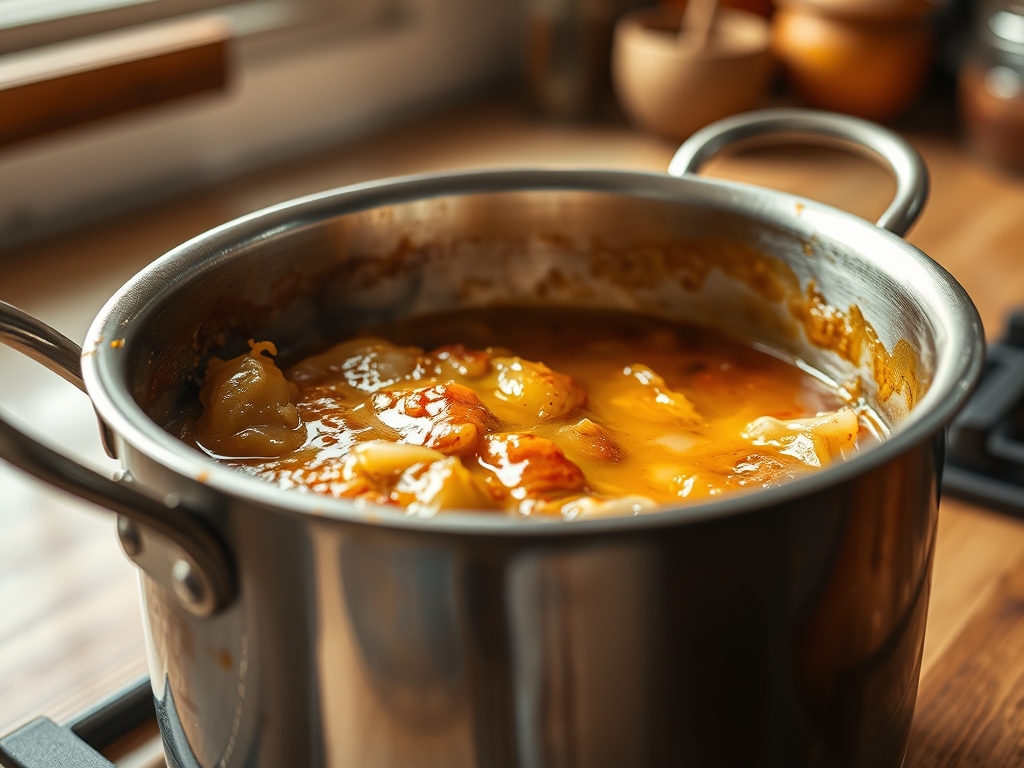
Heat your heavy-bottomed saucier or Dutch oven over medium-high heat. Add the rendered fat and wait until it reaches the shimmering point. Pat the lamb cubes dry with a lint-free towel to ensure maximum surface contact. Sear the meat in batches, ensuring you do not crowd the pan. You are looking for a deep, mahogany crust.
Pro Tip: Moisture is the enemy of the Maillard reaction. Use a digital scale to ensure even portioning and a bench scraper to keep your station clean. The crust on the meat provides the structural integrity for the flavor profile.
2. Deglazing the Infrastructure
Once the meat is removed, the bottom of your pot will be coated in "fond," which is concentrated culinary intelligence. Pour in the beer and use a wooden spatula to deglaze the surface, scraping up every brown bit. This process captures the caramelized proteins and integrates them into the liquid base.
Pro Tip: The alcohol in the beer acts as a solvent, extracting flavor compounds that are not water-soluble. This creates a more complex aromatic profile than water alone could ever achieve.
3. The Aromatic Emulsion
Add the crushed garlic, minced shallots, and half of the julienned leeks. Reduce the heat to medium-low and sweat the aromatics until they are translucent and have begun to melt into the liquid. This forms the "thickness" of the Babylonian Stew without the need for modern starches or flours.
Pro Tip: Use your saucier to keep the ingredients moving. The curved sides of the pan prevent the aromatics from scorching in the corners, ensuring a uniform breakdown of cell walls.
4. The Long Simulation
Return the lamb to the pot and add the filtered water and salt. Bring the mixture to a bare simmer; never a rolling boil. Cover the pot tightly and let it braise for approximately two hours. The goal is to break down the collagen in the lamb shoulder into gelatin, creating a rich, silky texture.
Pro Tip: Check the internal temperature of the liquid with a digital thermometer. You want to maintain a steady 90 degrees Celsius to ensure the meat becomes tender without becoming stringy or dry.
5. Final Infusion and Aeration
In the final fifteen minutes, stir in the toasted cumin, coriander, and the remaining fresh leeks. This "layering" of aromatics ensures that you have both the deep, cooked-in flavors and the bright, sharp notes of the fresh greens. Stir vigorously to aerate the sauce and finish the emulsion.
Pro Tip: This is the time for a final seasoning check. If the stew feels heavy, a tiny splash of vinegar can brighten the entire profile without compromising the historical accuracy of the dish.
Section B: Prep & Timing Fault-Lines:
The most common failure in this protocol is rushing the sear. If the meat is grey instead of brown, you have failed to develop the necessary flavor precursors. Another fault-line is the temperature of the braise. If the liquid boils, the muscle fibers in the lamb will contract and toughen, resulting in a rubbery texture. Use a heat diffuser if your stove cannot maintain a low enough flame. Timing is also critical; adding the spices too early can result in a muted, dusty flavor rather than a vibrant, layered experience.
THE VISUAL SPECTRUM
Section C: Thermal & Visual Troubleshooting:
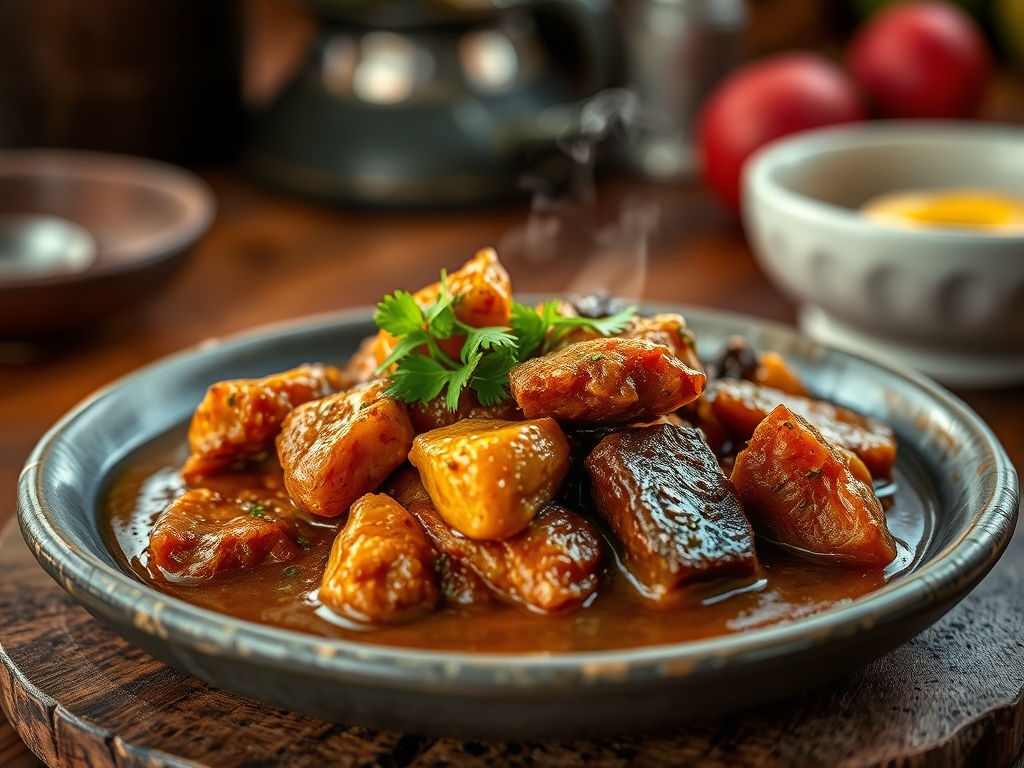
Observe the reference photo carefully. The Babylonian Stew should exhibit a deep, amber-hued liquid that is thick enough to coat the back of a spoon. If your stew looks watery, increase the heat for the final ten minutes to reduce the liquid. If the color is dull, it likely means your initial sear was insufficient; you can partially rectify this by blooming a small amount of paprika in fat and stirring it in. The leeks should be visible as soft, bright green ribbons against the dark meat. If they have turned brown and mushy, you added them too early in the simmer phase. The surface should have a slight sheen from the rendered fats, indicating a successful emulsion.
THE DEEP DIVE
Macro Nutrition Profile:
A single serving of this stew is a powerhouse of protein and healthy fats. Expect approximately 45g of protein, 35g of fat (primarily monounsaturated if using high-quality lamb), and 12g of carbohydrates. It is a high-density fuel source designed for the laborers and kings of antiquity alike.
Dietary Swaps:
- Vegan: Replace lamb with thick-cut king oyster mushrooms and use olive oil instead of sheep fat. Use a vegetable-based dashi for the liquid base to maintain umami.
- Keto: This dish is naturally keto-friendly. Simply ensure your beer choice is a low-carb version or replace it with a splash of red wine vinegar and extra broth.
- GF: Ensure the beer used is a certified gluten-free sorghum or millet ale to maintain the historical grain profile without the gluten.
Meal Prep & Reheating Science:
This stew actually improves after 24 hours in the refrigerator. As it cools, the flavors continue to infuse and the gelatin sets. When reheating, do so slowly over low heat to prevent the emulsion from breaking. Adding a tablespoon of water can help restore the original viscous consistency without thinning the flavor.
THE KITCHEN TABLE
Why is my lamb tough after two hours?
You likely allowed the stew to reach a hard boil. High heat causes proteins to tighten. Keep the temperature low and slow to allow the collagen to transform into silky gelatin for that melt-in-the-mouth texture.
Can I use beef instead of lamb?
You can, but the flavor profile will shift. Beef lacks the specific fatty acids found in lamb that define the Babylonian Stew. If using beef, choose a highly marbled cut like chuck roast for similar results.
What is the purpose of the beer?
The beer provides acidity and complex sugars that mimic the ancient fermented grain beverages of Mesopotamia. It helps tenderize the meat while adding a deep, bready undertone to the finished sauce.
Do I really need that much garlic?
Yes. The garlic and leeks are not just seasonings; they are the structural thickening agents of the dish. When slow-cooked, the garlic loses its harshness and becomes sweet and savory.
Can I make this in a slow cooker?
Yes, but you must perform the searing and deglazing steps in a separate pan first. Skipping the Maillard reaction will result in a flat, one-dimensional flavor that fails the culinary audit.