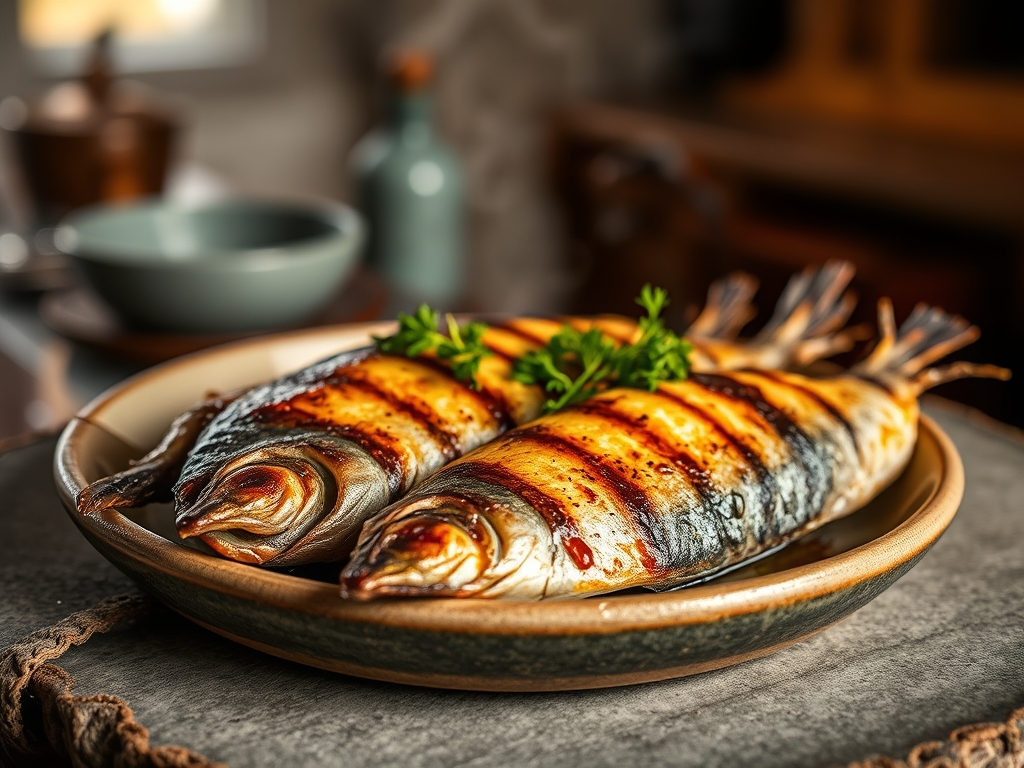
Listen to the roar of the charcoal. We are not merely cooking; we are engaging in a high-stakes thermal negotiation with the silver-skinned titans of the Atlantic. Portuguese Grilled Sardines represent the absolute pinnacle of oily fish infrastructure. This is where high-intensity radiant heat meets the volatile omega-3 fatty acids of the Sardina pilchardus. Forget the delicate poaching of white fish or the gentle sear of a scallop. To master the Portuguese sardine, you must embrace the smoke, the salt, and the inevitable flare-up. The goal is a skin that has been rendered to a potato-chip crispness while the interior remains a succulent, saline-rich masterpiece. We are looking for a specific chemical transformation: the Maillard reaction must occur rapidly enough to carbonize the scales without dehydrating the delicate connective tissues within. This is street food elevated to a structural engineering marvel. If you aren't smelling the brine and the singed sea salt within thirty seconds of the fish hitting the grate, your thermal output is insufficient. Let's recalibrate your kitchen for maximum impact.
THE DATA MATRIX
| Metric | Specification |
|---|---|
| Prep Time | 15 Minutes |
| Execution Time | 8 Minutes |
| Yield | 4 Servings |
| Complexity | 7 / 10 |
| Estimated Cost per Serving | $4.50 – $6.50 |
THE GATHERS
Ingredient Protocol:
- 800g / 1.75 lbs Fresh whole sardines (scaled and gutted, or traditional whole)
- 60g / 4 tbsp Coarse Atlantic sea salt (Flor de Sal preferred)
- 120ml / 0.5 cup Extra virgin olive oil (high polyphenol count)
- 30ml / 2 tbsp Fresh lemon juice
- 5g / 1 tsp Smoked paprika (Pimenton)
- 4 cloves Garlic (microplaned into a paste)
- 1 bunch Fresh parsley (finely chiffonaded)
- 4 thick slices Sourdough or "Pao de Milho" (cornbread)
Section A: Ingredient Quality Audit:
The primary failure point in this protocol is the "fishy" odor associated with oxidation. If your sardines possess a dull eye or a viscous slime layer that smells of ammonia, the structural integrity is compromised. Technical Fix: If the fish are slightly less than pristine, perform a quick "saline reset" by submerging them in a 5% salt brine with ice for 10 minutes to infuse firmness back into the flesh. If your olive oil lacks a piquant throat-burn, it is likely oxidized; swap it for a fresh bottle to ensure the lipid barrier protects the fish during the sear.
THE MASTERCLASS
1. Thermal Priming and Desiccation
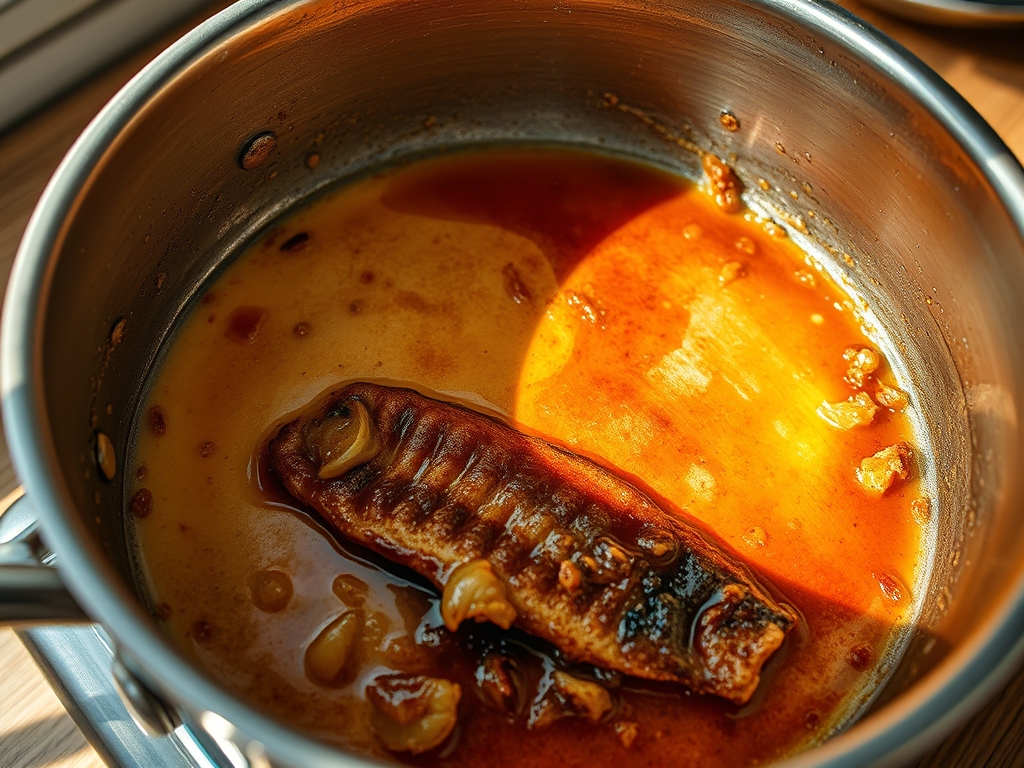
Before the fish ever touch the grate, they must be bone-dry. Use heavy-duty paper towels to remove every molecule of surface moisture. Moisture is the enemy of the Maillard reaction; it creates steam, which leads to rubbery skin. Once dry, coat the fish liberally with coarse sea salt.
Pro Tip: Use a digital scale to ensure your salt-to-fish ratio is approximately 2% by weight. The salt acts as a desiccant, drawing out surface proteins that will harden into a savory crust when exposed to the 500-degree infrared heat of the coals.
2. The Lipid Barrier Application
Whisk your olive oil, garlic, and paprika in a small saucier or stainless steel bowl. Do not marinate the fish in this for long; the acid in the lemon juice (if added too early) will "cook" the proteins via acid-denaturation. Brush the oil onto the fish immediately before they hit the heat.
Pro Tip: Use a silicone basting brush to ensure total coverage. This lipid layer prevents the skin from bonding to the metal grates. If the skin tears, you lose the internal juices, ruining the textural contrast.
3. High-Intensity Searing
Place the sardines on a preheated, oiled grill grate. You are looking for immediate vocalization from the fat. The sardines should be grilled for approximately 3 to 4 minutes per side. Do not move them. Resistance is a sign that the proteins have not yet released from the metal.
Pro Tip: Use a long offset spatula or a dedicated fish spatula to gently test the release. A bench scraper can also be used to keep the grill surface clean between batches, ensuring no carbonized debris ruins the aesthetic of the next set.
4. The Resting Phase on Crustacean Substrate
In Portugal, these sardines are traditionally served atop a thick slice of bread. This is not just for show; the bread acts as a structural sponge to capture the rendered fats and juices that leak out during the resting phase.
Pro Tip: Allow the fish to rest for 120 seconds before consumption. This allows the internal temperature to equalize, ensuring the meat pulls away from the bone with surgical precision. Use your digital scale to measure out portions if you are operating in a high-volume professional environment.
Section B: Prep & Timing Fault-Lines:
The most common human error is "The Flip Panic." If you flip the fish too early, the skin will adhere to the grate, leaving the meat exposed and prone to drying out. Technical Fix: If sticking occurs, do not force it. Increase the airflow to the coals to spike the temperature; the intense heat will eventually carbonize the bond and allow for a clean release. Another fault-line is temperature "drift" where the grill cools down mid-service. Always maintain a "hot zone" and a "safety zone" on your rig to manage the thermal load.
THE VISUAL SPECTRUM
Section C: Thermal & Visual Troubleshooting:
Referencing our Masterclass photo, you should observe a "leopard spotting" pattern on the skin. If your fish appear uniform and pale, your heat was too low, resulting in a steamed texture. If the tails are completely incinerated while the bodies are raw, your "stacking" geometry was incorrect. Technical Fix: Position the thicker head-end of the sardine over the hottest part of the coal bed. If the colors look dull, you likely skipped the final infuse of fresh parsley and lemon juice. A quick aerate of the dressing before drizzling will provide that high-gloss, vibrant finish seen in professional food photography.
THE DEEP DIVE
Macro Nutrition Profile:
Sardines are a nutritional powerhouse. A standard serving provides approximately 25g of high-bioavailability protein and 1.5g of Omega-3 fatty acids. They are exceptionally high in Vitamin B12 and Selenium, which are essential for metabolic infrastructure.
Dietary Swaps:
- Vegan: This is a challenge, but "Sardine-style" King Oyster mushrooms can be sliced thin, scored, and grilled with seaweed-infused oil to mimic the saline profile.
- Keto: Naturally compliant. Replace the bread base with a grilled radicchio leaf.
- GF: Ensure the sourdough base is swapped for a high-density gluten-free hearth bread that can withstand the weight and oil of the fish.
Meal Prep & Reheating Science:
Oily fish does not reheat well in a microwave; the radiation causes the fats to go rancid almost instantly. To maintain molecular structure, reheat in a 400-degree oven for 4 minutes or deglaze a pan with a splash of white wine and flash-sear them to regain skin crispness.
THE KITCHEN TABLE
How do I stop the sardines from smelling up my house?
Grill outdoors. If forced indoors, use a high-CFM vent hood and place a bowl of white vinegar nearby to neutralize airborne lipids. Ensure you deglaze your pans immediately after use to trap odors.
Can I use frozen sardines for this protocol?
Yes, but they must be thawed in the refrigerator for 12 hours. Pat them excessively dry. Frozen fish have compromised cellular walls, meaning they release more moisture; you must compensate with higher initial heat.
Why is my sardine skin sticking even with oil?
Your grill grate wasn't clean. Carbon buildup acts like glue. Use a wire brush and a bench scraper to achieve a mirror finish on your grates before you begin the searing process.
Do I really need to leave the guts in?
Traditionalists say yes, as the internal fats infuse the meat with deeper flavor. However, for a cleaner "infrastructure," gutting them allows for a faster cook and easier consumption for those uninitiated in Portuguese coastal dining.