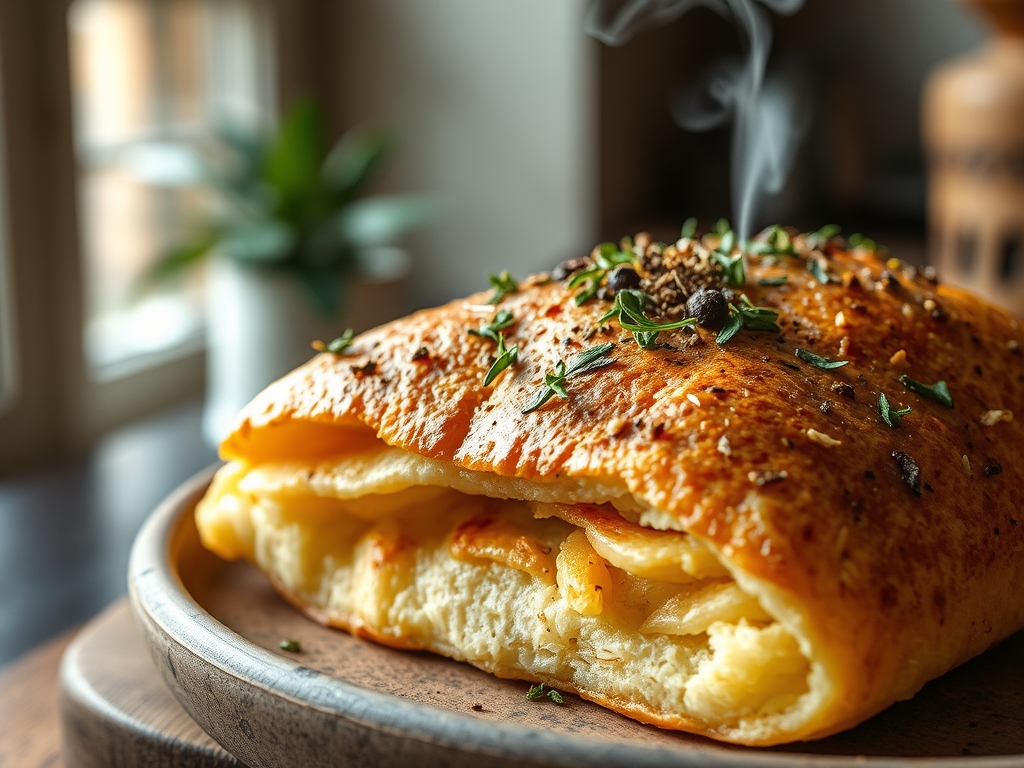
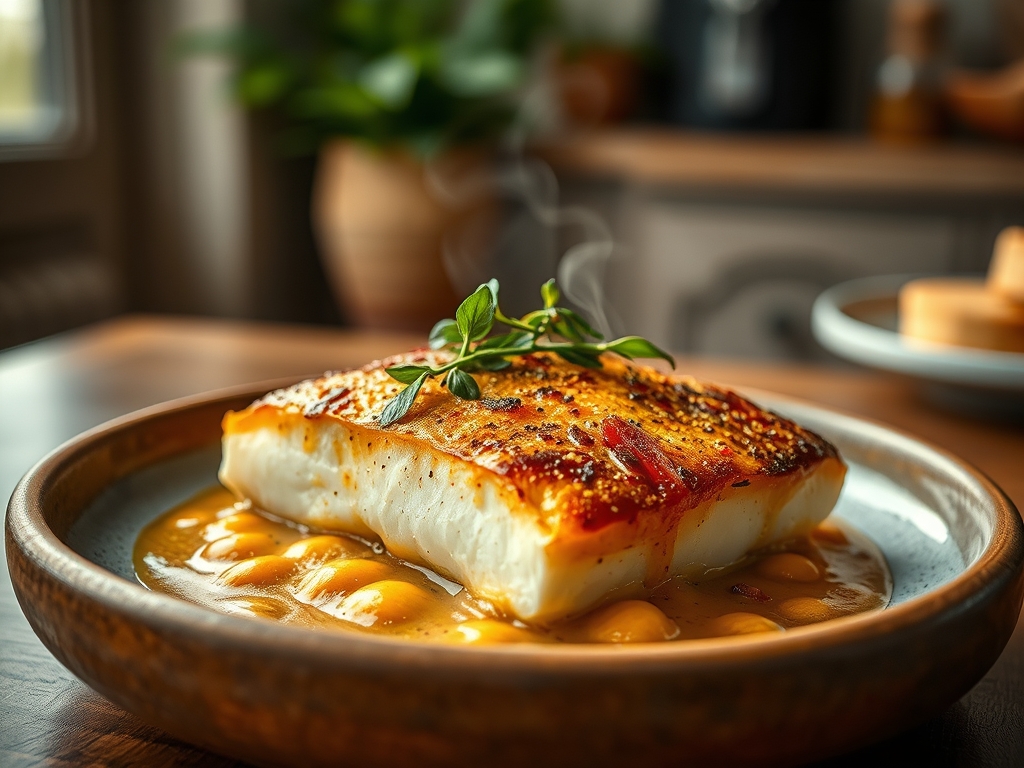
Forget the limp, uninspired fillets of your local bistro. We are entering the realm of the Patagonian Toothfish, a deep-sea marvel that is more lipid than muscle. When you approach a Chilean Sea Bass Bake, you are not just cooking; you are managing a complex biological asset. This fish is a buttery, ivory-fleshed titan that requires a specific thermal strategy to prevent its precious oils from weeping into the pan. We are looking for a result that is translucent at the core yet structurally sound on the exterior. The goal is a high-velocity sear followed by a gentle, convective finish that allows the collagen to gelatinize without the proteins tightening into rubber. This is the gold standard of seafood engineering. If you treat this like a standard piece of cod, you have already failed the audit. We want a piquant crust and a center that melts at body temperature. Prepare your workstation. We are about to execute a masterclass in moisture retention and Maillard-driven excellence.
THE DATA MATRIX
| Metric | Value |
|---|---|
| Prep Time | 20 Minutes |
| Execution Time | 25 Minutes |
| Yield | 4 Servings |
| Complexity | 7/10 |
| Estimated Cost per Serving | $22.00 – $28.00 |
THE GATHERS
Ingredient Protocol:
- 4 Fillets Patagonian Toothfish (170g / 6oz each)
- Kosher Salt (10g / 2 tsp)
- High-Smoke Point Oil (30ml / 2 tbsp)
- Unsalted Butter (60g / 4 tbsp)
- Fresh Lemon Juice (15ml / 1 tbsp)
- Capers, drained (30g / 2 tbsp)
- Fresh Flat-Leaf Parsley (15g / 0.5 oz)
- Dry White Wine (60ml / 0.25 cup)
Section A: Ingredient Quality Audit:
Sub-par raw materials will compromise the integrity of the Chilean Sea Bass Bake. If your fish feels slimy or emits a sulfurous odor, the lipid oxidation has already begun. There is no technical fix for rot; discard it. However, if the fillets are unevenly cut, use a sharp boning knife to square the edges for uniform heat distribution. If the butter separates during the sauce phase, it is likely too hot. Whisk in a teaspoon of cold water to re-emulsify the fat. For muted citrus, zest the lemon before juicing to infuse the sauce with volatile oils that the juice alone lacks.
THE MASTERCLASS
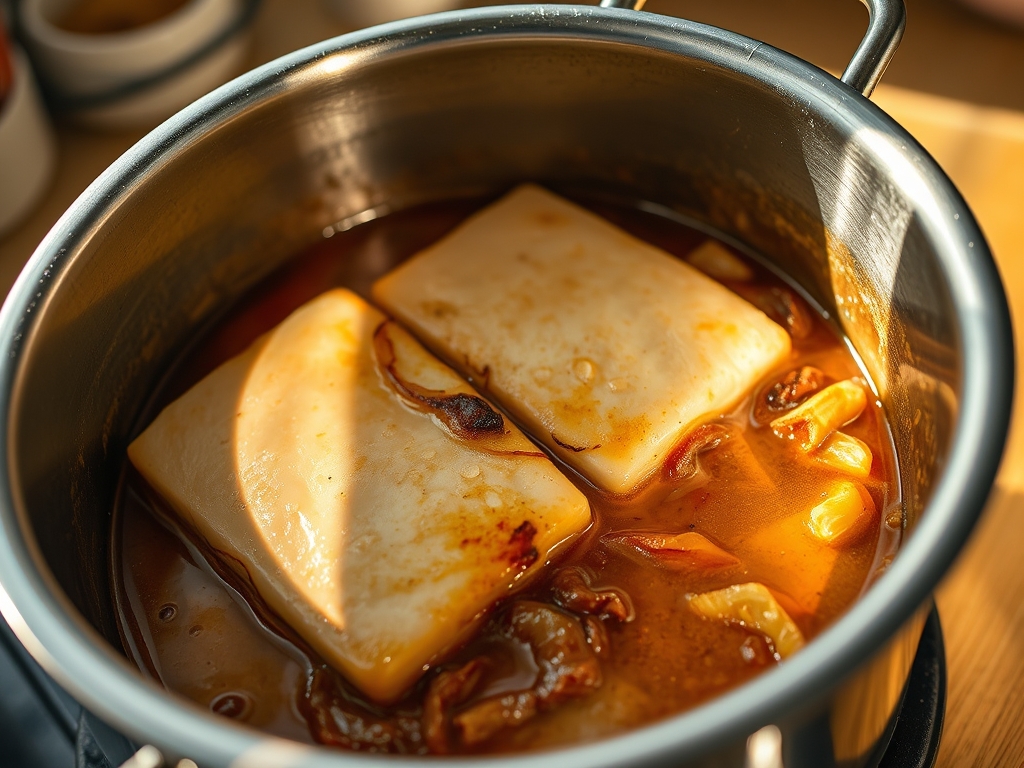
1. Surface Desiccation and Tempering
Pat the fillets bone-dry using lint-free towels. Allow the fish to sit at room temperature for 15 minutes. Use a digital scale to ensure each portion is within a 5-gram variance. Season aggressively with salt only on the skin side initially.
Pro Tip: Moisture is the enemy of the Maillard reaction. By drying the surface, you ensure that thermal energy goes toward browning rather than evaporating surface water. Professional chefs often use a bench scraper to move fillets without tearing the delicate protein fibers.
2. The High-Velocity Sear
Heat a heavy-bottomed stainless steel saucier or cast-iron pan until the oil reaches the shimmering point. Place the fish skin-side down. Apply light pressure for 30 seconds to prevent the skin from curling as the collagen contracts.
Pro Tip: This initial sear sets the structural foundation. The high heat creates a viscous barrier that traps internal juices. Use a thin fish spatula to check for release; if it sticks, the crust has not yet fully formed.
3. The Deglaze and Butter Bath
Flip the fish gently. Reduce heat to medium-low. Add the butter, capers, and white wine. Use a large spoon to continuously baste the top of the fish with the foaming butter.
Pro Tip: This technique, known as arroser, uses the butter to render out any remaining raw textures while adding a nutty, toasted flavor profile. The wine serves to deglaze the pan, lifting the caramelized proteins back into the sauce.
4. The Convective Finish
Transfer the pan to a preheated oven at 200C (400F) for 5 to 7 minutes. The internal temperature should reach exactly 52C (125F) for a medium-rare, buttery texture.
Pro Tip: Use a high-accuracy digital probe thermometer. Because Chilean Sea Bass has such high fat content, it carries significant carry-over heat. Pulling it at 52C allows it to rest up to a perfect 55C (131F).
Section B: Prep & Timing Fault-Lines:
The most common failure in a Chilean Sea Bass Bake is thermal overshoot. If the fish flakes apart into dry chunks, you have exceeded the protein's elastic limit. To fix a dry fillet, immediately submerge it in the pan sauce to attempt a late-stage rehydration. If the timing of your side dishes is lagging, tent the fish loosely with foil. Do not wrap it tightly, or the steam will destroy the crisp skin you worked so hard to achieve.
THE VISUAL SPECTRUM
Section C: Thermal & Visual Troubleshooting:
Examine the Masterclass photo above. Notice the golden-amber hue on the surface; this is the visual indicator of a successful Maillard reaction. If your fish looks grey or "boiled," your pan temperature was too low. If the butter in the pan is black rather than brown, it has scorched; you must discard the sauce and start the emulsion over. A perfect bake shows a distinct separation of the "flakes" when pressed lightly, with a glistening, viscous sheen between the layers. Dull, matte flesh indicates overcooking. To brighten a dull presentation, finish with a high-acid garnish like micro-greens or additional lemon zest to aerate the heavy fat profile.
THE DEEP DIVE
Macro Nutrition Profile:
A standard 170g serving provides approximately 32g of protein and 24g of fat. It is exceptionally high in Omega-3 fatty acids, which contribute to its signature mouthfeel. It is a calorie-dense protein, making it ideal for high-performance diets that prioritize healthy fats over carbohydrates.
Dietary Swaps:
- Vegan: This is a challenge, but king oyster mushroom "scallops" can mimic the texture. Use a vegan butter substitute with a high lecithin content for the emulsion.
- Keto: This dish is naturally keto-compliant. Increase the butter volume for higher fat macros.
- Gluten-Free: Ensure your white wine is dry and that no flour-based thickeners are used in the sauce.
Meal Prep & Reheating Science:
Reheating Chilean Sea Bass is a delicate operation. Microwaves will cause the lipids to explode, ruining the molecular structure. Instead, reheat in a 150C (300F) oven with a splash of water or broth covered in foil. This creates a steam-jacket effect that prevents the fish from drying out while gently vibrating the molecules back to serving temperature.
THE KITCHEN TABLE
Why is my fish rubbery?
You likely skipped the tempering phase. Cold fish hitting a hot pan causes the muscle fibers to go into "thermal shock," contracting violently. Always let your fillets sit out for 15 to 20 minutes before cooking.
Can I use frozen fish?
Yes, but the thawing process must be slow. Thaw in the refrigerator for 24 hours. Fast-thawing under water damages the cell walls, leading to a mushy texture once the Chilean Sea Bass Bake is complete.
What wine pairs best with this?
Look for a high-acid, oaked Chardonnay. The acidity cuts through the intense lipid density, while the oak notes complement the toasted butter and the Maillard crust of the fish.
My sauce broke. How do I fix it?
Remove from heat immediately. Add a splash of heavy cream or a teaspoon of cold butter and whisk vigorously. This introduces new emulsifiers to help the fat and water molecules reconnect.