Forget everything you know about the aggressive, high-heat violence of the professional kitchen. Today, we are not searing; we are not charring; we are certainly not burying our mistakes under a mountain of heavy cream. We are entering the realm of molecular gentleness. Chinese Steamed Sea Bass is the ultimate test of a chef's ability to respect the integrity of a protein. It is a dish that relies entirely on the precise management of latent heat and the rapid denaturation of proteins through vapor. When done correctly, the flesh of the fish should flake away with the mere suggestion of a chopstick, revealing a texture that is silky, moist, and almost translucent. The aromatics are not meant to overwhelm but to elevate. We are building a flavor profile that is simultaneously clean and complex, utilizing the sharp bite of ginger and the deep, savory umami of fermented soy. This is culinary architecture at its most refined. If you miss the timing by sixty seconds, you have a rubbery disaster. If you nail it, you have a masterpiece.
THE DATA MATRIX
| Metric | Specification |
|---|---|
| Prep Time | 20 Minutes |
| Execution Time | 10 Minutes |
| Yield | 2 Servings |
| Complexity (1-10) | 4 |
| Estimated Cost per Serving | $12.50 |
THE GATHERS
Ingredient Protocol:
- 1 Whole Sea Bass (approx. 600g to 700g / 1.3 to 1.5 lbs), scaled and gutted.
- 50g / 2 oz Fresh Ginger, peeled and julienned into matchsticks.
- 4 Large Scallions (approx. 40g / 1.4 oz), whites and greens separated.
- 60ml / 4 tbsp Light Soy Sauce.
- 15ml / 1 tbsp Shaoxing Rice Wine.
- 5g / 1 tsp Granulated Sugar.
- 45ml / 3 tbsp Neutral Oil (Grapeseed or Peanut).
- 10g / 0.35 oz Fresh Cilantro, for garnish.
- 2g / 0.5 tsp White Pepper.
Section A: Ingredient Quality Audit:
The primary failure point in this dish is the baseline quality of the sea bass. If the fish possesses a "fishy" odor, the volatile amines have already begun to degrade the flesh. To fix this, rinse the cavity with cold filtered water and pat it bone-dry with lint-free towels. If your ginger is woody or fibrous, it will fail to infuse the steaming liquid properly; always select young ginger with thin, taut skin. If your soy sauce is too viscous or overly salted (dark soy), it will muddy the delicate profile of the fish. Balance a heavy soy sauce by diluting it with 15ml of dashi or filtered water to maintain the intended clarity of flavor.
THE MASTERCLASS
1. Structural Preparation and Scoring
Place the sea bass on a clean poly-board. Use a sharp filleting knife to make three diagonal incisions on each side of the fish, cutting down to the bone but not through it. This increases the surface area for heat distribution. Rub the interior and exterior with Shaoxing wine and white pepper.
Pro Tip: Use a digital scale to ensure your fish is within the weight parameters. Consistency in mass is the only way to guarantee the timing logic holds true. Scoring the fish allows the vapor to penetrate the thickest part of the dorsal muscle simultaneously with the thinner belly.
2. The Aromatic Foundation
Stuff half of the julienned ginger and the white parts of the scallions into the cavity of the fish. Lay the remaining ginger across the top of the fish. Arrange the fish on a heat-proof ceramic platter that fits inside your steamer basket.
Pro Tip: Elevate the fish slightly off the plate using two extra scallion stalks placed horizontally underneath. This allows the steam to aerate the underside of the protein, preventing the bottom skin from becoming soggy or sticking to the porcelain.
3. Precision Vapor Denaturation
Bring water to a rolling boil in a wok or large pot. Place the steamer basket over the water, ensuring the seal is tight. Steam the fish on high heat for exactly 8 to 9 minutes, depending on the thickness of the specimen.
Pro Tip: Use a digital probe thermometer if you are unsure of the internal temperature. You are looking for 63 degrees Celsius (145 degrees Fahrenheit). The steam creates a high-pressure environment that cooks the fish via convection; do not lift the lid during the process or you will lose the thermal momentum.
4. The Soy Infusion
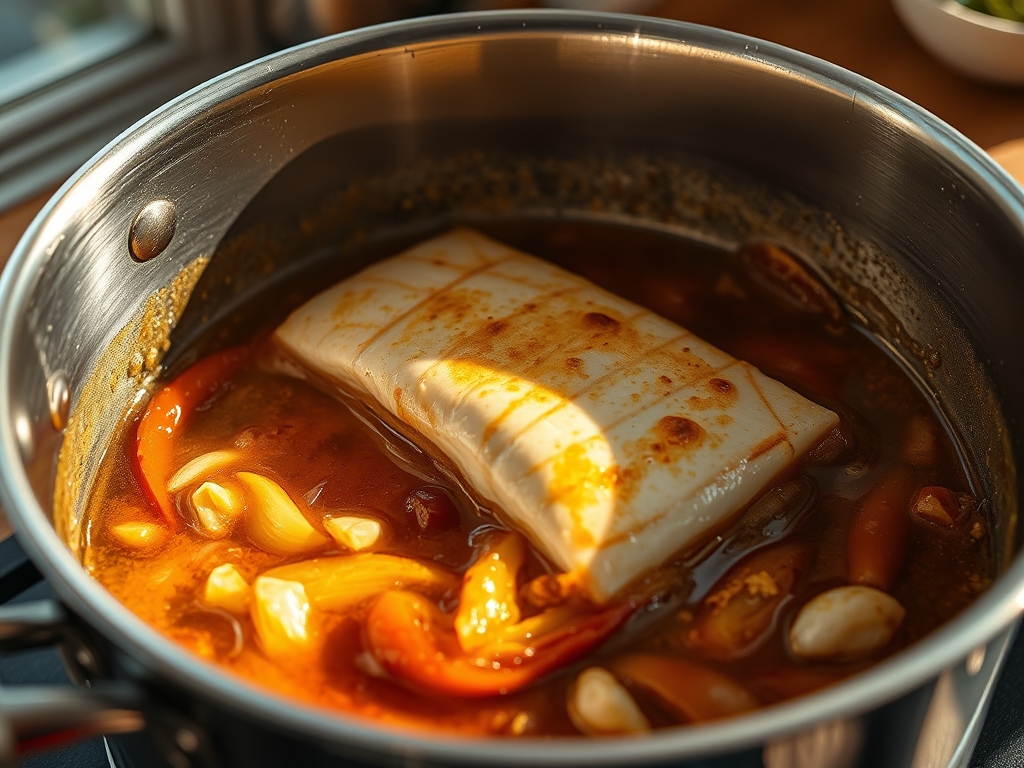
While the fish steams, combine the soy sauce, sugar, and a splash of water in a small saucier. Heat gently until the sugar dissolves. Do not boil the soy sauce, as this can alter the chemical structure of the fermented beans and create a bitter aftertaste.
Pro Tip: A saucier with rounded edges is superior here to prevent the sugar from crystallizing in the corners. This liquid is your seasoning base; it should be warm but not scorching when it hits the fish.
5. The Thermal Shock Finish
Remove the fish from the steamer and carefully discard the accumulated liquid on the plate (this liquid often contains "fishy" proteins). Pour the warm soy mixture over the fish. Top with fresh green scallion slivers. Heat the neutral oil in a small pan until it reaches its smoke point. Pour the shimmering oil directly over the scallions and ginger.
Pro Tip: This technique is designed to render the aromatics instantly. The high-heat oil flash-frys the ginger and scallions on contact, releasing essential oils that bond with the soy sauce to create a complex emulsion.
Section B: Prep & Timing Fault-Lines:
The most common human error is the "carry-over" effect. If you leave the fish in the steamer after turning off the heat, the residual vapor will continue to cook the protein, leading to a chalky texture. Always have your serving station ready before the timer goes off. If your oil is not hot enough, it will simply soak into the fish rather than searing the aromatics; wait for the first visible wisp of smoke before pouring.
THE VISUAL SPECTRUM
Section C: Thermal & Visual Troubleshooting:
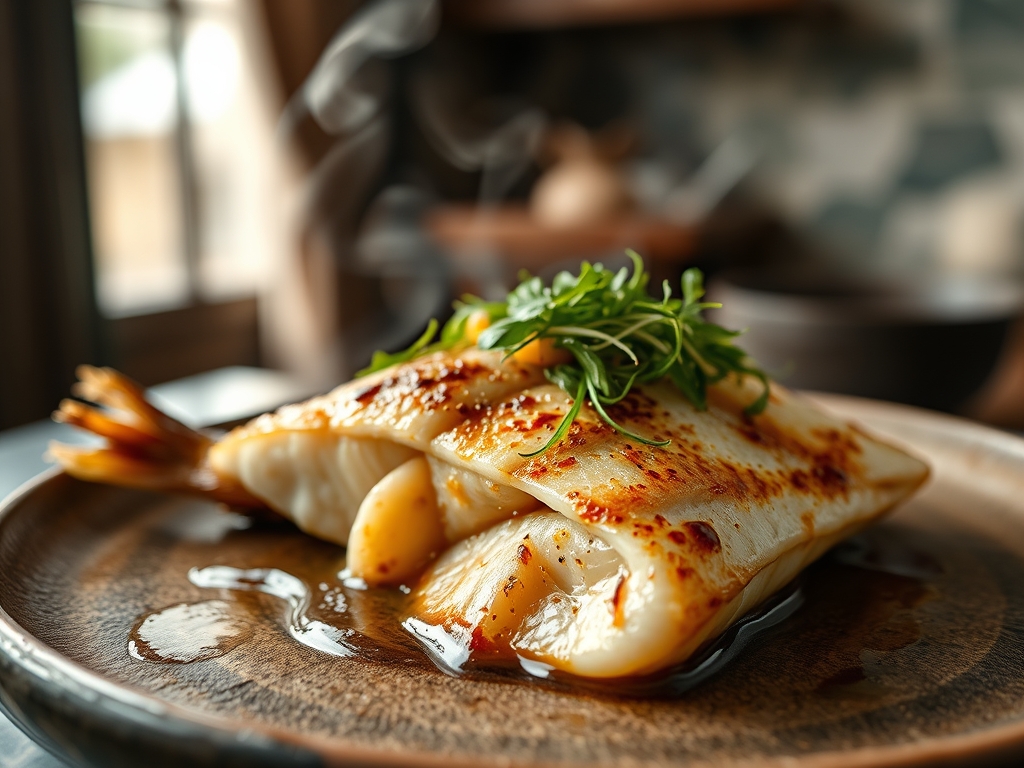
Referencing the Masterclass photo, the skin should remain intact and possess a slight sheen. If the skin is peeling or "shredded," your steam was too violent; lower the heat slightly next time. If the aromatics look dull or brown, you likely overheated the oil or waited too long to serve. The scallions should be a vibrant, neon green. If the soy sauce looks cloudy, it has mixed with too much fish albumen. Ensure you drain the steaming liquid thoroughly before adding the sauce. The final presentation should show a clear separation between the dark soy base and the shimmering droplets of aromatic oil.
THE DEEP DIVE
Macro Nutrition Profile:
A standard serving provides approximately 35g of high-quality protein, 12g of healthy fats (primarily from the finishing oil and fish oils), and less than 5g of carbohydrates. It is a lean, nutrient-dense powerhouse.
Dietary Swaps:
- Vegan: Substitute the sea bass with extra-firm silken tofu blocks. Reduce steaming time to 5 minutes.
- Keto: Ensure the soy sauce is a zero-sugar variety or use liquid aminos.
- GF: Replace light soy sauce with Tamari.
Meal Prep & Reheating Science:
Steamed fish is notoriously difficult to reheat because the delicate protein fibers toughen upon second exposure to heat. To maintain the molecular structure, do not use a microwave. Instead, wrap the leftovers in foil with a tablespoon of water and heat in a 150 degree Celsius oven for 6 minutes. This creates a mini-steam environment that rehydrates the flesh.
THE KITCHEN TABLE
Why is my fish sticking to the plate?
You likely skipped the "scallion bridge" technique. Elevating the fish allows steam to circulate underneath, preventing the skin from bonding to the ceramic through protein coagulation. Always use aromatics as a buffer between the fish and the dish.
Can I use frozen sea bass?
Yes, but the cellular structure changes during freezing. You must thaw it completely in the refrigerator for 24 hours. Pat it extremely dry to remove excess moisture that can lead to a mushy, waterlogged texture after steaming.
What is the best oil for the finish?
Use an oil with a high smoke point like grapeseed or peanut oil. Avoid extra virgin olive oil; its low smoke point and strong flavor profile will clash with the delicate ginger and soy notes.
How do I know the fish is perfectly cooked?
Insert a butter knife into the thickest part of the back. If it slides in with zero resistance and the flesh is opaque rather than translucent, the denaturation is complete. The meat should pull away from the bone easily.