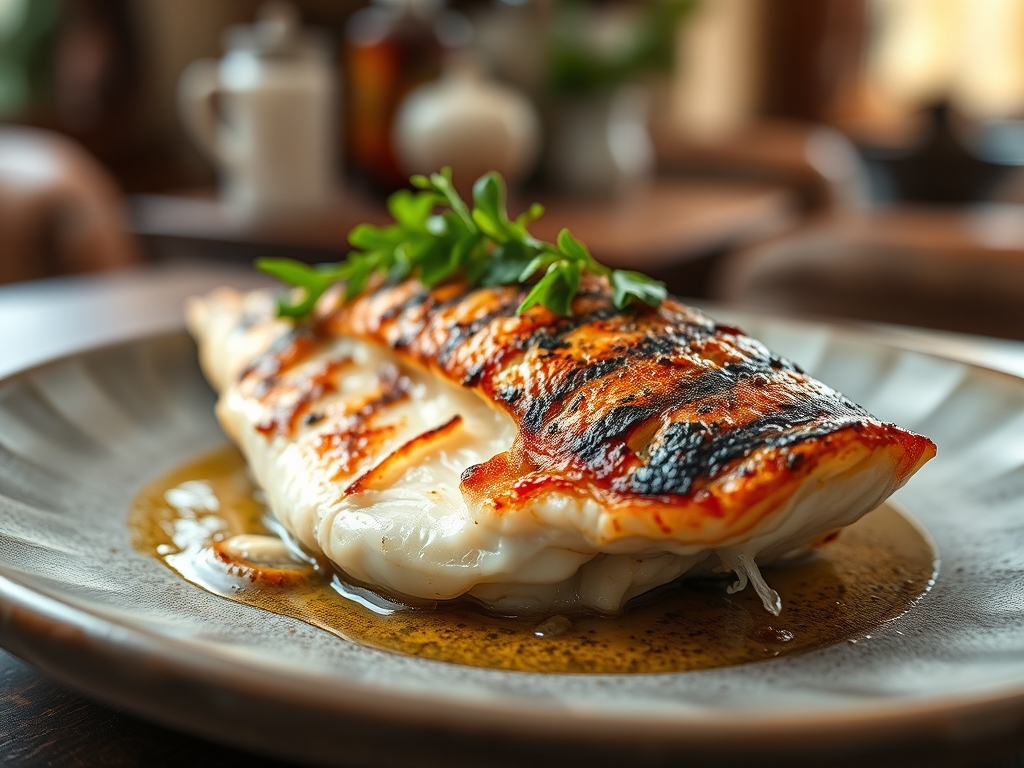
The scent of scotch bonnet peppers hitting a white-hot grate is not just an aroma; it is a chemical declaration of war. We are not merely cooking dinner tonight. We are conducting a high-stakes thermal audit on the Caribbean Grilled Snapper. The objective is simple: a pristine, translucent interior protected by a skin so crisp it shatters like glass under the fork. Most home cooks treat whole fish with a timid uncertainty that results in a tragic, soggy mess stuck to the grill bars. We do not do "soggy." We operate on the principles of moisture management and the Maillard reaction. By utilizing a high-heat sear and a complex marinade of citrus and allspice, we transform a simple red snapper into a masterpiece of structural integrity and piquant flavor. This is about mastering the interface between protein and flame. If you want a soft, steamed fish, go find a microwave. If you want a Caribbean masterpiece that commands respect, follow the data.
THE DATA MATRIX
| Metric | Specification |
|---|---|
| Prep Time | 45 Minutes |
| Execution Time | 15 Minutes |
| Yield | 2 Adult Servings |
| Complexity (1-10) | 7 (Thermal Control Focus) |
| Estimated Cost per Serving | $18.50 USD |
THE GATHERS
Ingredient Protocol:
- 2 Whole Red Snappers (approx. 680g / 1.5 lbs each), scaled and gutted
- 60ml / 4 tbsp Extra Virgin Olive Oil
- 45ml / 3 tbsp Fresh Lime Juice
- 4 Garlic Cloves, microplaned
- 1 Scotch Bonnet Pepper, finely minced
- 5g / 1 tsp Ground Allspice
- 10g / 2 tsp Kosher Salt
- 15g / 1 bunch Fresh Thyme
- 2 Large Scallions, charred and chopped
Section A: Ingredient Quality Audit:
If your snapper smells "fishy" rather than like a neutral ocean breeze, the trimethylamine levels have already spiked. To fix a marginal fish, soak it in a viscous brine of ice water and lemon for ten minutes to neutralize odors. If your scotch bonnet lacks heat, it likely suffered from over-irrigation; supplement the heat profile with a pinch of cayenne to maintain the intended piquant punch. Dull, woody thyme should be discarded. If you must use it, infuse it into your oil over low heat first to extract any remaining volatile compounds.
THE MASTERCLASS
1. Surface Dehydration Protocol
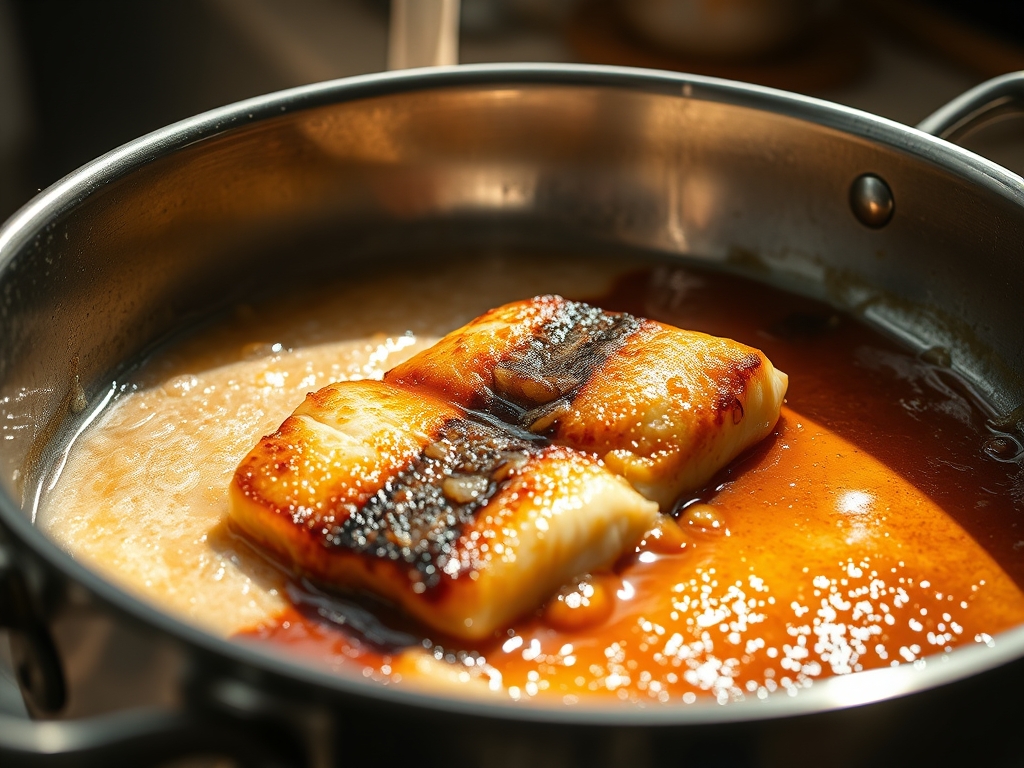
The greatest enemy of a crisp skin is surface moisture. Use a lint-free paper towel to pat the fish dry inside and out. Use a bench scraper to gently squeegee any remaining slime from the skin. Once dry, use a sharp fillet knife to make three diagonal incisions on each side, cutting down to the bone.
Pro Tip: This increases the surface area for the marinade to infuse the flesh and allows steam to escape during the cook. Without these vents, the skin will puff and tear as internal moisture expands.
2. The Emulsion Application
In a small saucier, whisk your lime juice, oil, garlic, and spices until they form a temporary emulsion. Use a digital scale to ensure your salt ratio is exactly 1.5 percent of the total fish weight. Rub this mixture into the scores and the cavity of the fish.
Pro Tip: The acid in the lime juice begins to denature the proteins immediately. Do not let the fish marinate for more than 30 minutes, or the texture will turn mushy before it even hits the heat.
3. Thermal Interface Management
Ensure your grill grates are scrubbed clean and seasoned with a high-smoke-point oil. Aim for a surface temperature of 232 degrees Celsius (450 degrees Fahrenheit). Place the fish down and do not touch it for at least six minutes.
Pro Tip: This is the "release phase." As the proteins render and the skin dehydrates, the fish will naturally detach from the metal. Use a long offset spatula to check for movement; if it sticks, the Maillard reaction is not yet complete.
4. The Final Internal Audit
Flip the fish once. Use a digital instant-read thermometer to track the internal temperature at the thickest part of the shoulder. Aim for 57 degrees Celsius (135 degrees Fahrenheit). The carryover heat will bring it to a perfect 60 degrees Celsius (140 degrees Fahrenheit) during the rest.
Pro Tip: Resting the fish for five minutes allows the internal juices to redistribute. If you cut it immediately, the moisture will flood the plate, ruining the crispy skin you worked so hard to achieve.
Section B: Prep & Timing Fault-Lines:
The most common failure is the "Cold Center Syndrome." If you take the fish directly from a 4-degree Celsius refrigerator to the grill, the exterior will char before the interior reaches safety. Allow the fish to sit at room temperature for 20 minutes post-marination. Another timing error involves the grill recovery time; if you crowd the grate with too many fish, the temperature will plummet, leading to a "stewing" effect rather than a sear. Cook in batches if necessary.
THE VISUAL SPECTRUM
Section C: Thermal & Visual Troubleshooting:
Referencing the Masterclass photo, your snapper should exhibit a vibrant, charred orange hue with localized blackening on the fin tips. If your fish looks pale and grey, your grill temperature was too low; the sugars in the marinade failed to caramelize. If the skin is shredded, you likely flipped it too early or failed to clean the grates. To fix a dull appearance, brush the finished fish with a "glaze" of reserved marinade and a drop of honey to aerate the colors and add a reflective sheen. The eyes should be white and opaque; if they are still clear, the fish is undercooked.
THE DEEP DIVE
Macro Nutrition Profile:
A single serving of Caribbean Grilled Snapper provides approximately 340 calories. It is a protein powerhouse with 45g of protein, 12g of healthy fats (primarily Omega-3s), and less than 4g of carbohydrates. It is a high-density, low-impact fuel source for those monitoring glycemic loads.
Dietary Swaps:
- Vegan: Substitute the snapper with thick "steaks" of King Oyster mushrooms or cauliflower. Use a vegan fish sauce (fermented pineapple) to replicate the umami.
- Keto: This recipe is naturally Keto-compliant. Increase the fat content by serving with a side of avocado-lime mash.
- GF: This protocol is inherently gluten-free. Ensure your spices are not processed in a facility with wheat.
Meal Prep & Reheating Science:
Reheating whole fish is a delicate operation. To maintain the molecular structure, avoid the microwave at all costs; it vibrates water molecules too violently, toughening the protein. Instead, wrap the fish loosely in foil with a tablespoon of water and heat in a 150-degree Celsius oven for 10 minutes. This creates a gentle steam environment that rehydrates the flesh without sacrificing the integrity of the skin.
THE KITCHEN TABLE
How do I prevent the tail from burning?
Wrap the tail in a small piece of aluminum foil for the first ten minutes of grilling. Remove the foil for the final two minutes to allow it to crisp without turning to carbon.
Can I use frozen snapper for this?
Yes, but you must thaw it completely in the refrigerator. Frozen fish contains more interstitial ice, which can lead to a "steamed" texture. Double down on the drying protocol with the bench scraper.
What if I do not have a grill?
Use a heavy cast-iron skillet on the stovetop. Get it screaming hot with a high-smoke-point oil. You will achieve a similar sear, though you will miss the smoky aromatics of the charcoal.
Why is my fish sticking despite the oil?
Your grates might be "dirty" at a microscopic level. Carbon buildup creates a porous surface that grabs onto protein. Use a wire brush or a halved onion to scrub the grates while they are hot.