Listen closely because we are not just cooking; we are performing a high-stakes structural audit on the ocean's most formidable armored vehicle. The Alaskan King Crab is a marvel of biological engineering. Its legs are reinforced calcium conduits packed with sweet, oceanic muscle that demands a precise thermal intervention to release. If you treat this like a standard backyard boil, you are committing a felony against flavor. We are looking for that perfect moment where the internal proteins undergo a controlled denaturation, transforming from translucent jelly into firm, succulent ribbons of gold. The air in your kitchen should be thick with the briny, buttery perfume of success. We are targeting a specific textural threshold where the meat pulls away from the chitinous shell with zero resistance. Forget the tiny plastic crackers of your youth; we are deploying professional-grade shears and surgical precision. This is about the intersection of thermodynamics and crustacean anatomy. If you are ready to stop playing with your food and start mastering the infrastructure of the Alaskan King Crab, then pick up your tongs. It is time to work.
THE DATA MATRIX
| Metric | Specification |
|---|---|
| Prep Time | 15 Minutes |
| Execution Time | 10 to 12 Minutes |
| Yield | 4 Servings |
| Complexity (1-10) | 4 (Technical Precision Required) |
| Estimated Cost per Serving | $45.00 to $65.00 USD |
THE GATHERS
Ingredient Protocol:
- Alaskan King Crab Legs (Pre-scored): 1.8 kg / 4 lbs
- Unsalted High-Fat European Butter: 227g / 1 cup
- Fresh Lemon Juice: 30ml / 2 tbsp
- Dehydrated Garlic Granules: 5g / 1 tsp
- Smoked Paprika (Pimenton): 2g / 0.5 tsp
- Fresh Italian Parsley (Chiffonade): 10g / 0.25 cup
- Sea Salt (Flaky): 3g / 0.5 tsp
- Filtered Water (for steaming): 1.5L / 6 cups
Section A: Ingredient Quality Audit:
Sub-par raw materials are the primary cause of culinary structural failure. If your Alaskan King Crab smells aggressively "fishy" rather than like a fresh sea breeze, the lipids have begun to oxidize. You cannot fix rot, but you can mitigate freezer burn. If the leg tips appear shriveled or white, they have suffered dehydration. To fix this, infuse the steaming liquid with a high-acid component like dry white wine to help rehydrate the exterior fibers. If your butter breaks into a greasy puddle instead of a viscous emulsion, your heat was too high. Whisk in a teaspoon of cold water to re-stabilize the fat globules.
THE MASTERCLASS
1. Hydrological Setup and Thermal Staging
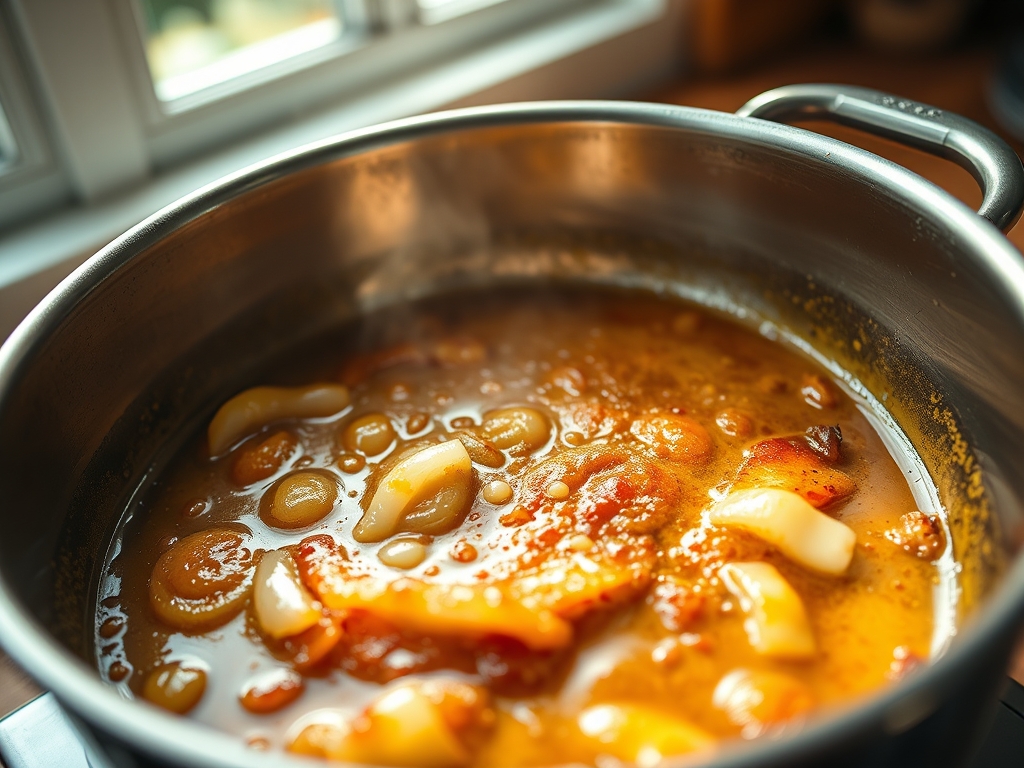
Fill a large stockpot with 1.5 liters of filtered water. Place a stainless steel steamer basket inside, ensuring the water level sits exactly 2 centimeters below the basket floor. Bring the liquid to a rolling boil over high heat. Use a digital scale to ensure your butter and spices are measured to the gram for consistent results.
Pro Tip: The science of steaming relies on the latent heat of vaporization. By keeping the water below the basket, you prevent the crab from leaching its flavorful salts into the water, ensuring the viscous juices stay trapped within the shell.
2. The Structural Integrity Check
While the water reaches its boiling point, inspect the crab legs. Most Alaskan King Crab is flash-frozen at sea. Use professional kitchen shears to snip the joints if the legs are too long for your pot. Do not force them; you want even steam circulation around every square centimeter of the shell.
Pro Tip: Use a bench scraper to quickly clear your workstation of any shell fragments. Keeping a clean surface prevents cross-contamination of textures and ensures your focus remains on the thermal timing.
3. The Controlled Thermal Exposure
Place the legs into the steamer basket and seal the lid tightly. Reduce heat slightly to maintain a steady but aggressive steam. Set your timer for 10 minutes if thawed, or 14 minutes if steaming from frozen. Do not lift the lid. Every time you peek, you lose the pressure required to infuse the heat into the thickest part of the merus section.
Pro Tip: This is a reheating process, not a raw cook. Most king crab is pre-cooked on the boat. Your goal is to reach an internal temperature of 63 degrees Celsius (145 degrees Fahrenheit) to ensure the proteins are supple but not rubbery.
4. The Emulsion Architecture
While the crab steams, place a small saucier over low heat. Add the high-fat butter. As it begins to render into a liquid state, whisk in the garlic, paprika, and lemon juice. Use a constant circular motion to aerate the mixture, creating a light, stable emulsion that will cling to the crab meat.
Pro Tip: A saucier is superior to a standard saucepan here because its rounded bottom prevents garlic solids from scorching in the corners. This ensures a clean, piquant finish without bitter notes.
5. The Final Extraction and Garnish
Remove the crab using heavy-duty tongs. Let them rest for 120 seconds; this allows the internal pressure to stabilize, making the meat easier to extract. Dust with flaky sea salt and parsley. Serve immediately with the warm butter emulsion.
Pro Tip: Resting is a mechanical necessity. It allows the moisture to redistribute through the muscle fibers, ensuring that the first bite is as juicy as the last.
Section B: Prep & Timing Fault-Lines:
The most common human error is the "Over-Steam Catastrophe." If the meat sticks to the shell, you have overheated it, causing the connective tissue to fuse to the chitin. If the center is cold, your steam density was too low. Always use a tight-fitting lid. If your butter separates, it is likely due to the acid in the lemon juice being added too quickly. Add it drop-by-drop while whisking to maintain the molecular bond between the fat and the liquid.
THE VISUAL SPECTRUM
Section C: Thermal & Visual Troubleshooting:
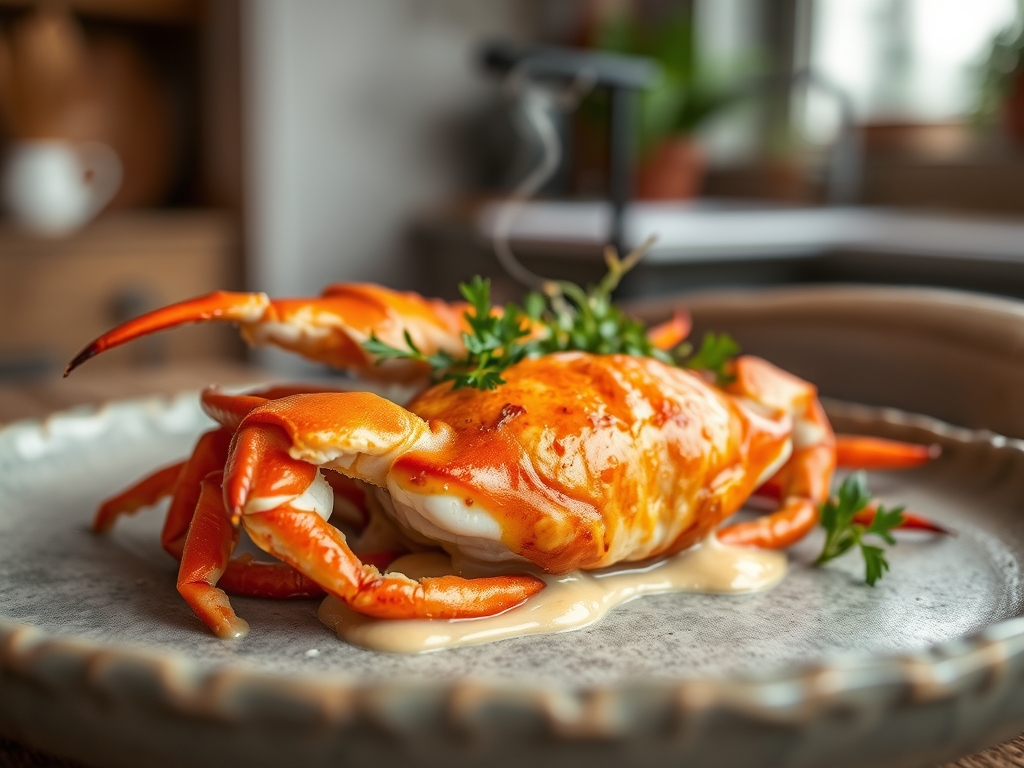
Referencing our Masterclass photo, the shell should exhibit a vibrant, saturated orange-red hue. If the shell looks dull or greyish, it was likely stored improperly or under-steamed. The meat inside should be snow-white with streaks of brilliant red. If the meat appears yellowed, it has oxidized. Uneven browning on the butter indicates you did not move the solids enough; use a whisk to ensure the milk solids do not burn. The goal is a clean, golden liquid that looks like molten sunlight.
THE DEEP DIVE
Macro Nutrition Profile:
Alaskan King Crab is a high-protein, low-lipid powerhouse. A standard 100g serving provides approximately 19g of protein and less than 2g of fat. It is exceptionally high in Vitamin B12 and Zinc, making it a functional food for neurological health and immune support.
Dietary Swaps:
- Vegan: Replace the butter emulsion with a dip made of emulsified extra virgin olive oil, nutritional yeast, and a splash of liquid smoke to mimic the richness.
- Keto/GF: This recipe is naturally Keto and Gluten-Free. To increase fat macros, add a dollop of heavy cream to the butter sauce.
Meal Prep & Reheating Science:
Reheating crab is risky. To maintain molecular structure, avoid the microwave at all costs; it turns the protein into vulcanized rubber. Instead, wrap leftovers in damp paper towels and steam gently for 3 minutes. This reintroduces moisture to the fibers without over-denaturing the proteins.
THE KITCHEN TABLE
How do I know if the crab is done?
The shell will emit a strong, sweet aroma and the meat will be opaque throughout. If you have a probe thermometer, aim for an internal temperature of 63 degrees Celsius for the best textural results.
Can I boil the crab instead of steaming?
You can, but you should not. Boiling allows the water to infiltrate the shell, diluting the natural salts and minerals. Steaming preserves the structural integrity and concentrated flavor profile of the Alaskan King Crab.
Why is my butter sauce watery?
This happens when the butter hasn't been properly emulsified with the lemon juice. Ensure you are whisking vigorously over low heat. If it breaks, add a small piece of cold butter and whisk until it recombines.
What is the best tool for opening the shells?
Ditch the crackers. Use heavy-duty kitchen shears to cut down the length of the leg. This allows you to remove the meat in one solid piece, preserving the visual and textural experience of the dish.