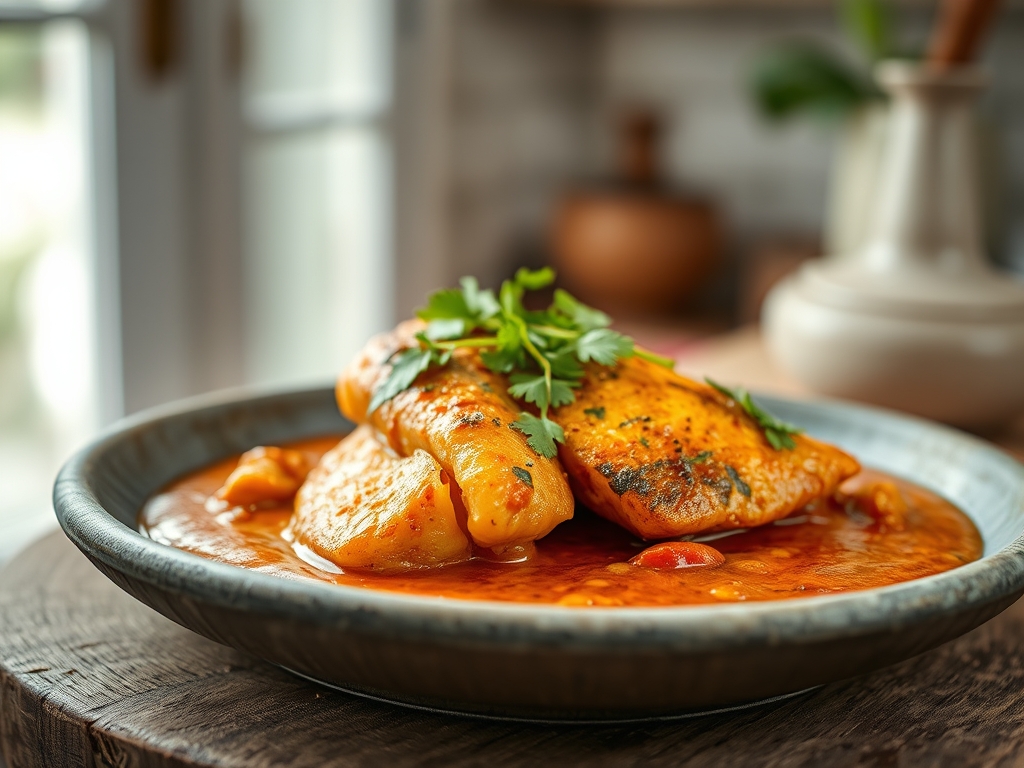
The kitchen is a laboratory of high stakes and higher temperatures where the difference between a masterpiece and a mess lies in the precision of your acid balance. We are not just making dinner; we are conducting a structural audit of the Indian Fish Curry. Imagine the sharp, piquant scent of tamarind hitting a hot pan, instantly vaporizing into a cloud of acetic complexity that demands your full attention. This is coastal engineering at its finest. We are looking for a specific molecular harmony where the fat from the coconut milk cradles the heat of the Kashmiri chilies, while the firm proteins of the fish hold their structural integrity against a simmering tide of aromatics. If your broth is thin, your spices are raw, or your fish is over-extracted, you have failed the audit. We require a viscous, vibrant, and deeply infused emulsion that coats the back of a spoon with authority. Strap in, calibrate your sensors, and prepare to execute a dish that defines the intersection of maritime tradition and rigorous culinary physics.
THE DATA MATRIX
| Metric | Specification |
|---|---|
| Prep Time | 25 minutes |
| Execution Time | 30 minutes |
| Yield | 4 Servings |
| Complexity (1-10) | 6 |
| Estimated Cost per Serving | $4.50 – $6.00 |
THE GATHERS
Ingredient Protocol:
- 500g / 1.1 lbs Firm White Fish (Kingfish, Snapper, or Sea Bass), cut into 2-inch cubes.
- 30ml / 2 tbsp Neutral Oil (Grapeseed or Coconut oil for high smoke point).
- 150g / 1 large Red Onion, finely minced.
- 15g / 1 tbsp Ginger-Garlic Paste (freshly pulverized).
- 200ml / 0.85 cup Tomato Puree (high lycopene content).
- 400ml / 13.5 oz Full-fat Coconut Milk (do not use "lite" variants).
- 30g / 2 tbsp Tamarind Paste (concentrated).
- 5g / 1 tsp Mustard Seeds.
- 2g / 10-12 Fresh Curry Leaves.
- 10g / 2 tsp Kashmiri Chili Powder (for color and mild heat).
- 5g / 1 tsp Turmeric Powder.
- 10g / 2 tsp Ground Coriander.
- Salt to taste.
Section A: Ingredient Quality Audit:
The primary failure point in an Indian Fish Curry is often the tamarind. If your tamarind paste is excessively bitter or contains debris, it will compromise the entire broth. Technical Fix: Always hydrate block tamarind in warm water and pass it through a fine-mesh sieve to ensure a smooth, grit-free concentrate. If your spices lack aromatic potency, they have likely oxidized. Technical Fix: Bloom your dry spices in a small amount of oil at 150 degrees Celsius before adding them to the main vessel to reactivate the essential oils. Finally, if the fish feels "mushy" before cooking, it has lost cellular tension. Technical Fix: Salt the fish lightly 15 minutes before cooking to draw out excess moisture and firm up the muscle fibers.
THE MASTERCLASS
Step-by-Step Execution:
1. The Tempering Phase (Tadka)
Set your heavy-bottomed saucier over medium-high heat. Add the oil and wait for it to reach the shimmering point. Drop in the mustard seeds and curry leaves. They should crackle and pop immediately as the volatile oils are released.
Pro Tip: This is a kinetic reaction called tempering. Use a digital infrared thermometer to ensure the oil is between 175 and 190 degrees Celsius; any lower and the seeds will boil rather than fry, failing to release their nutty profile.
2. The Aromatics Foundation
Incorporate the minced onions. Sauté until they reach a deep golden brown, a process known as the Maillard reaction. Add the ginger-garlic paste and cook until the raw sulfurous aroma dissipates.
Pro Tip: Use a stainless steel bench scraper to keep the onion bits moving and prevent localized burning. The goal is even caramelization, which provides the foundational sweetness to offset the tamarind.
3. Spice Infusion and Deglaze
Lower the heat and add the chili powder, turmeric, and coriander. Stir rapidly for 30 seconds to infuse the oil, then immediately add the tomato puree to deglaze the pan.
Pro Tip: Spices are fat-soluble but burn quickly. The moisture in the tomato puree acts as a thermal brake, stopping the spices from carbonizing while allowing the flavors to meld into a thick paste.
4. The Liquid Matrix
Pour in the coconut milk and tamarind paste. Use a whisk to aerate the mixture slightly and ensure a homogenous emulsion. Bring the liquid to a gentle simmer, never a rolling boil.
Pro Tip: Boiling coconut milk can cause the proteins to denature and separate from the fats, resulting in a curdled appearance. Maintain a steady 85 to 90 degrees Celsius for a silky, viscous texture.
5. Protein Integration
Gently slide the fish cubes into the simmering broth. Ensure they are fully submerged. Cover the pan and cook for 6 to 8 minutes depending on the thickness of the cut.
Pro Tip: Use a digital probe thermometer to check the internal temperature of the fish. Remove from heat when the core reaches 60 degrees Celsius (140 F). Residual heat will finish the cooking without toughening the fibers.
Section B: Prep & Timing Fault-Lines:
The most common human error is the "rushed onion." If you do not allow the onions to fully break down, they will float in the finished curry as gritty fragments rather than dissolving into the sauce. Another fault-line is the "cold coconut milk" error. Adding refrigerated milk to a hot spice base can cause an immediate thermal shock, breaking the emulsion. Always bring your coconut milk to room temperature before integration. Lastly, over-stirring the fish once it is in the pan will lead to mechanical breakdown. Once the fish is in, use a gentle folding motion or simply swirl the pan.
THE VISUAL SPECTRUM
Section C: Thermal & Visual Troubleshooting:
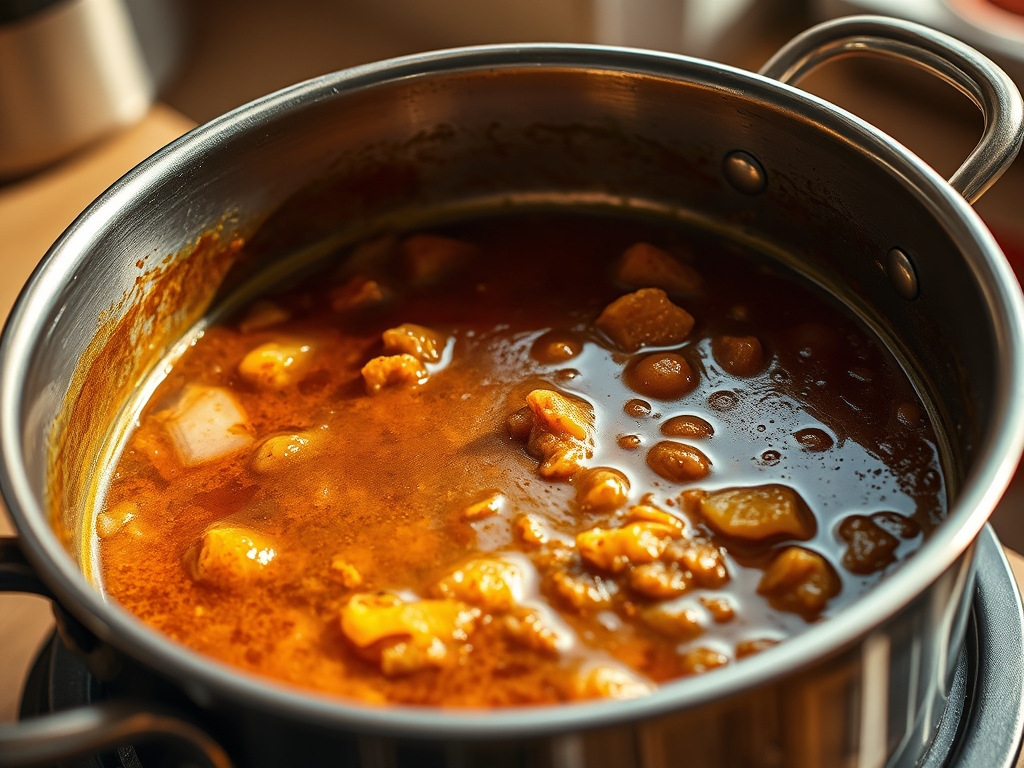
Referencing the Masterclass photo, your curry should exhibit a deep, burnt-orange hue with a visible sheen of oil on the surface; this is the "oil separation" phase, indicating the spices are perfectly cooked. If your curry looks dull or brownish, you likely scorched the spices or used old turmeric. If the sauce looks "broken" or grainy, the coconut milk was boiled too vigorously. To fix a broken sauce, remove the fish and whisk in a small slurry of coconut milk and cornstarch to re-emulsify. The fish should appear opaque and moist; if it looks chalky or is flaking apart in the pot, you have exceeded the thermal limit.
THE DEEP DIVE
Macro Nutrition Profile
A standard serving of this Indian Fish Curry provides approximately 350-400 calories. It is high in healthy medium-chain triglycerides (MCTs) from the coconut milk and provides roughly 30g of high-quality protein. The glycemic load is exceptionally low, making it an ideal choice for metabolic health.
Dietary Swaps
- Vegan: Substitute the fish with firm tofu or thick slices of roasted cauliflower. The cauliflower provides a similar porous structure that absorbs the broth.
- Keto: This recipe is naturally keto-compliant. Ensure your tamarind paste has no added sugars.
- GF: Naturally gluten-free. Ensure your compounded asafoetida (if used) is not cut with wheat flour.
Meal Prep & Reheating Science
To maintain molecular structure during reheating, avoid the microwave. The uneven electromagnetic waves will rubberize the fish. Instead, reheat in a small saucepan over low heat. Add a tablespoon of water or coconut milk to restore the viscous consistency that may have tightened in the fridge.
THE KITCHEN TABLE
How do I make the curry spicier without ruining the flavor?
Incorporate slit green chilies during the simmering stage. This introduces "fresh" capsaicin heat without the earthy weight of extra dried powder, maintaining the piquant balance of the tamarind.
Why is my fish curry bitter?
Bitterness usually stems from burnt garlic or over-toasted mustard seeds. If this occurs, a pinch of jaggery or brown sugar can chemically neutralize the perception of bitterness on the palate.
Can I use frozen fish for this recipe?
Yes; however, you must thaw it completely and pat it dry with paper towels. Excess ice crystals will dilute the broth and prevent the sauce from adhering to the protein.
What is the best side dish for this?
Steamed basmati rice or Neer Dosa. The high starch content of the rice acts as a structural sponge for the thin, flavorful broth, ensuring no sauce is wasted.