Listen closely because we are about to dissect the most sophisticated biological engine in the culinary world. This is not just a side dish; it is a living, breathing ecosystem of lactic acid bacteria working in a high stakes environment of salinity and spice. When you engage in a Korean Kimchi Audit, you are acting as the chief engineer of a microscopic factory. The air should be thick with the piquant aroma of fermented garlic and the sharp, metallic tang of ginger. We are looking for a specific crunch that resonates through the jawbone; a structural integrity that survives the aggressive breakdown of cell walls. This is a sensory overload where the vibrant crimson of the gochugaru must be deep enough to stain your soul and the brine must be viscous enough to coat a spoon with authority. If your cabbage looks limp or your seasoning feels flat, your infrastructure has failed. We are here to ensure that every leaf is a masterclass in osmotic pressure and microbial dominance.
THE DATA MATRIX
| Metric | Specification |
|---|---|
| Prep Time | 120 Minutes |
| Execution Time | 48 to 72 Hours (Fermentation) |
| Yield | 2.5 kg / 5.5 lbs |
| Complexity (1-10) | 8 |
| Estimated Cost per Serving | $0.45 USD |
THE GATHERS
Ingredient Protocol:
- 2.2 kg / 5 lbs Napa Cabbage (approx. 2 large heads)
- 150g / 0.6 cup Coarse Sea Salt (non-iodized)
- 500ml / 2 cups Water (filtered for dechlorinated purity)
- 30g / 4 tbsp Glutinous Rice Flour
- 60ml / 0.25 cup Fish Sauce (anchovy or sand lance base)
- 200g / 1.5 cups Gochugaru (Korean red chili flakes)
- 100g / 1 cup Daikon Radish (matchstick cut)
- 50g / 0.5 cup Scallions (sliced on a bias)
- 40g / 3 tbsp Minced Garlic
- 15g / 1 tbsp Grated Ginger
- 10g / 2 tsp Salted Shrimp (Saeujeot), finely minced
Section A: Ingredient Quality Audit:
The most common failure point in a Korean Kimchi Audit is the use of iodized table salt. Iodine acts as an antimicrobial agent that can stall the very fermentation we aim to cultivate. If your cabbage feels rubbery rather than crisp after salting, your salt concentration was likely too low or the mineral content was off. To fix this, always use a digital scale to hit a 2 percent salinity target relative to the weight of the vegetables. Furthermore, if your Gochugaru is dull or brown, it has oxidized. High quality flakes should be a vibrant, fire engine red to ensure the final product has the correct visual spectrum. If the chili is old, infuse it with a teaspoon of sugar to wake up the remaining oils, though replacement is preferred.
THE MASTERCLASS
1. The Osmotic Breakdown
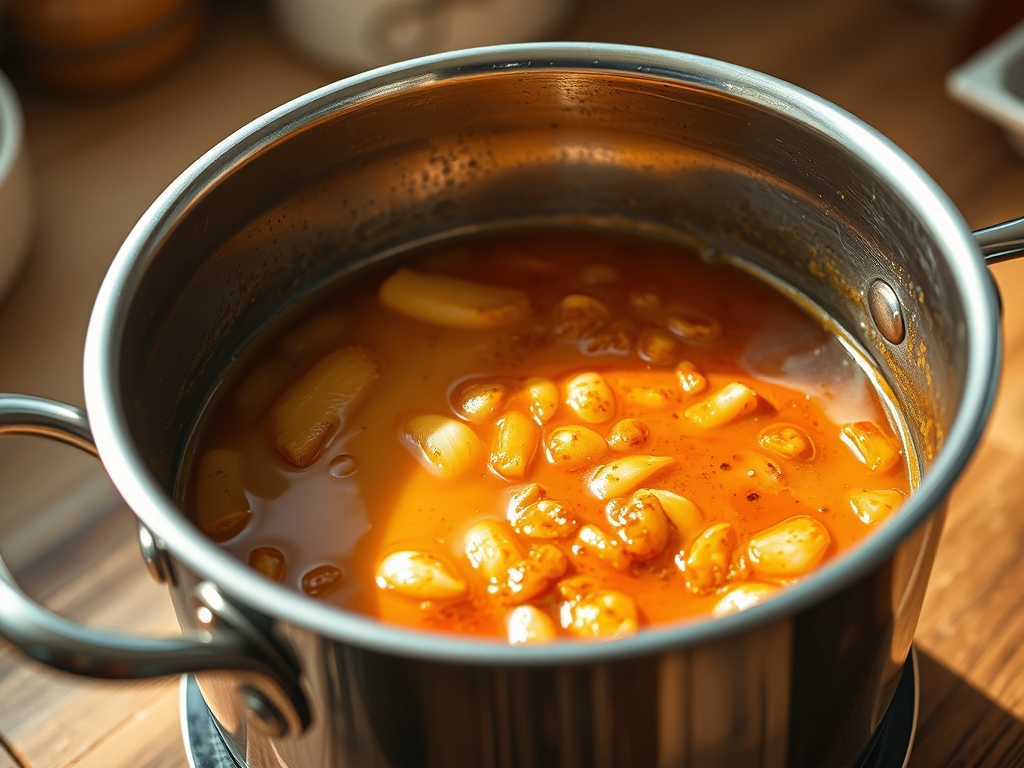
Quarter the cabbage lengthwise and submerge each section in a brine solution or rub salt directly between every single leaf. This process draws out excess moisture to create a hospitable environment for Lactobacillus. Use a large stainless steel mixing bowl to ensure no reactive off flavors occur during the four hour wilt.
Pro Tip: This is a lesson in cellular biology. By removing water, you concentrate the natural sugars in the cabbage, which the bacteria will later consume. Use a bench scraper to clean your station frequently; the high salt content can be corrosive to stone countertops.
2. Constructing the Porridge
Whisk the glutinous rice flour into water in a small saucier over medium heat. Stir constantly until the mixture becomes translucent and viscous. This "porridge" acts as the glue that suspends the aromatics and chili flakes against the slick surface of the cabbage.
Pro Tip: The starch in the porridge provides an immediate "fast food" source for the bacteria before they start breaking down the complex sugars in the cabbage. This ensures a vigorous start to the fermentation cycle.
3. The Aromatic Integration
Once the porridge has cooled to room temperature, fold in the garlic, ginger, fish sauce, and gochugaru. The paste should be thick enough to hold its shape. Use a digital scale to ensure the ratio of ginger to garlic is precise; too much ginger will make the kimchi bitter and soapy.
Pro Tip: This is where you render the flavors into a cohesive unit. The fish sauce provides the nitrogen source for the microbes, while the capsaicin in the chili flakes acts as a selective barrier against spoilage organisms.
4. The Structural Assembly
Rinse the cabbage three times in cold water to remove excess salt, then squeeze dry. Wearing gloves, paint every leaf with the spice paste. Pack the cabbage tightly into glass jars, pressing down firmly to eliminate air pockets.
Pro Tip: Oxygen is the enemy of anaerobic fermentation. By using a heavy weight or pressing firmly, you ensure the cabbage stays submerged in its own juices. This prevents the growth of Kahm yeast or mold on the surface.
Section B: Prep & Timing Fault-Lines:
Temperature control is the thermostat of your flavor profile. If the room is over 75 degrees Fahrenheit, the fermentation will happen too fast, leading to a "fizzy" texture and a sourness that lacks depth. If it is too cold, the process stalls. The sweet spot is 65 to 68 degrees for the first 24 hours. If you miss this window, you risk a "soft" kimchi where the enzymes have turned the vegetable structure into mush before the acid could preserve it.
THE VISUAL SPECTRUM
Section C: Thermal & Visual Troubleshooting:
Observe the photo above. Notice the deep, saturated red and the way the paste clings to the white ribs of the cabbage without pooling at the bottom. If your kimchi looks pale or pink, you have likely under-dosed the gochugaru or used a variety with low oil content. If the brine appears cloudy or gray, stop immediately; this indicates a "wild" fermentation that has gone off the rails, likely due to contaminated equipment. The texture should be "snappy." If you bend a piece of the white rib and it snaps cleanly, your osmotic balance was perfect. If it bends like a wet noodle, your salting time was insufficient.
THE DEEP DIVE
Macro Nutrition Profile:
Kimchi is a low calorie, high fiber powerhouse. A standard 100g serving contains approximately 15 calories, 2g of fiber, and 1g of protein. It is exceptionally high in Vitamin K and Vitamin C.
Dietary Swaps:
For a Vegan audit, replace the fish sauce and salted shrimp with a combination of soy sauce and kelp powder to maintain the "umami" depth. For Keto adherents, the rice porridge can be omitted, though the paste will be less viscous and may require more frequent turning of the jars.
Meal Prep & Reheating Science:
Kimchi is a rare food that improves with age. After the initial room temperature ferment, move it to the back of the refrigerator (34 to 38 degrees). This slows the bacteria down but does not stop them. To maintain molecular structure, never boil kimchi for long periods if you want to keep the probiotic benefits alive; instead, fold it into warm dishes at the very end of the cooking process.
THE KITCHEN TABLE
Why is my kimchi bubbling?
Carbon dioxide is a natural byproduct of lactic acid fermentation. Bubbles are a sign of a healthy, active microbial community. Just ensure you "burp" the jar daily to prevent a pressure build up that could crack the glass.
Can I use regular cabbage?
Green cabbage has a much tougher cell structure and lower water content. While edible, it will not achieve the delicate, layered texture of Napa cabbage. It requires a much longer salting period to become pliable enough for packing.
How long does it last?
Under proper refrigeration, kimchi is technically safe for months. However, the flavor will eventually become extremely sour and the texture will soften. At this stage, it is best utilized in stews or fried rice rather than eaten raw.
Is the white film on top mold?
Usually, a thin white film is Kahm yeast, which is harmless but can affect flavor. Scrape it off and ensure the cabbage is fully submerged. If the growth is fuzzy, green, or black, discard the entire batch immediately.