Listen to the sound of a thousand clay jars exhaling. That is the sound of time being converted into flavor. We are not merely discussing a condiment; we are auditing the tectonic plates of Sichuanese cuisine. Chinese Doubanjiang is the fermented soul of the wok. It is a thick, dark, and dangerously aromatic paste of broad beans and chilis that has undergone a slow-motion chemical metamorphosis. When it hits hot oil, the kitchen transforms. The air becomes heavy with a scent that is simultaneously fruity, salty, and aggressively savory. This is the ultimate umami infrastructure. If your Mapo Tofu lacks depth or your Twice-Cooked Pork feels hollow, your fermented baseline is likely compromised. We are here to rectify that. We are moving beyond the surface level heat of raw peppers into the deep, fermented trenches of complex amino acids. Prepare your palate for a high-velocity tour of the most essential paste in the professional larder. It is time to engineer some heat.
THE DATA MATRIX
| Metric | Specification |
|---|---|
| Prep Time | 45 Minutes (Active) |
| Execution Time | 3 to 12 Months (Fermentation) |
| Yield | 1.5 Liters / 6 Cups |
| Complexity (1-10) | 8 (Requires environmental monitoring) |
| Estimated Cost per Serving | $0.12 USD |
THE GATHERS
Ingredient Protocol:
- 500g / 1.1 lbs Dried Broad Beans (Fava Beans), peeled.
- 1kg / 2.2 lbs Fresh Erjingtao Chilis (or high-quality red fresno chilis).
- 150g / 5.3 oz Sea Salt (Non-iodized).
- 50g / 1.7 oz Wheat Flour (All-purpose).
- 100ml / 3.4 fl oz High-proof Grain Spirit (Baijiu or Vodka).
- 10g / 0.35 oz Aspergillus Oryzae (Koji starter).
- 500ml / 2 cups Filtered Water.
Section A: Ingredient Quality Audit:
The primary failure point in Chinese Doubanjiang is the moisture content of the beans. If your broad beans are old and desiccated, they will not hydrate evenly; this leads to a chalky texture that ruins the viscous mouthfeel of the final paste. Technical Fix: Soak beans for a full 24 hours and perform a "pinch test." If the center is still hard, boil them for an additional 5 minutes before the inoculation phase. Furthermore, avoid table salt with anti-caking agents. These additives can inhibit the growth of beneficial microbes. Always utilize pure sea salt or kosher salt to ensure the fermentation environment remains hospitable for the Aspergillus mold. If your chilis lack vibrancy, they are likely past their peak sugar content. Technical Fix: Add 5g of organic sugar to jumpstart the lacto-fermentation process.
THE MASTERCLASS
Step 1: Bean Inoculation and Mold Growth
Soak the peeled broad beans until fully hydrated. Steam them until tender but not mushy. Drain and toss with wheat flour and the Koji starter. Spread the beans in a thin layer on a bamboo tray or a clean baking sheet. Cover with a damp cloth and store in a dark, humid place at 25 to 30 degrees Celsius.
Pro Tip: This is the "Qu" making stage. The flour provides immediate carbohydrates for the mold to consume. Use a digital thermometer to monitor the internal temperature of the bean bed. If it exceeds 40 degrees Celsius, the mold will die; you must aerate the beans by tossing them to release heat.
Step 2: The Brine Phase
Once the beans are covered in a fine, yellow-green mold (usually after 48 to 72 hours), transfer them to a glass or ceramic crock. Add the salt and filtered water. Stir thoroughly with a silicone spatula to ensure no dry pockets remain.
Pro Tip: This stage initiates the enzymatic breakdown of proteins into savory glutamates. The high salt concentration prevents spoilage while allowing the proteases to render the bean starches into sugars.
Step 3: Chili Integration
Wash and dry your chilis thoroughly. Remove the stems and mince them finely using a food processor or a heavy cleaver. Mix the minced chilis and the grain spirit into the fermented bean base. The spirit acts as a secondary preservative and adds a floral top note to the piquant aroma.
Pro Tip: Use a digital scale to ensure your salt-to-chili ratio is exactly 15 percent by weight. This is the "Goldilocks Zone" for long-term shelf stability without refrigeration.
Step 4: Solar Fermentation and Aging
Cover the crock with a breathable cloth and place it in a sunny spot. During the day, remove the lid to let the sun hit the paste. Every morning, use a long-handled saucier spoon or wooden paddle to stir the mixture from the bottom up.
Pro Tip: Sunlight promotes the Maillard reaction at room temperature over several months. This is why authentic Doubanjiang is dark reddish-brown rather than bright red. The stirring introduces oxygen, which prevents anaerobic spoilage and ensures even aging.
Section B: Prep & Timing Fault-Lines:
The most common human error is impatience during the "Qu" stage. If you move to the brine phase before the mold has fully colonized the beans, you will lack the enzymatic power to break down the proteins. This results in a thin, watery sauce rather than a thick paste. Technical Fix: If mold growth is sluggish, increase the humidity by placing a bowl of hot water near the fermentation tray. Another fault-line is temperature fluctuation. If the paste gets too cold, fermentation stalls. If it gets too hot, it can develop a "funk" that leans toward rot rather than umami. Maintain a consistent environment between 20 and 30 degrees Celsius for the first three months.
THE VISUAL SPECTRUM
Section C: Thermal & Visual Troubleshooting:
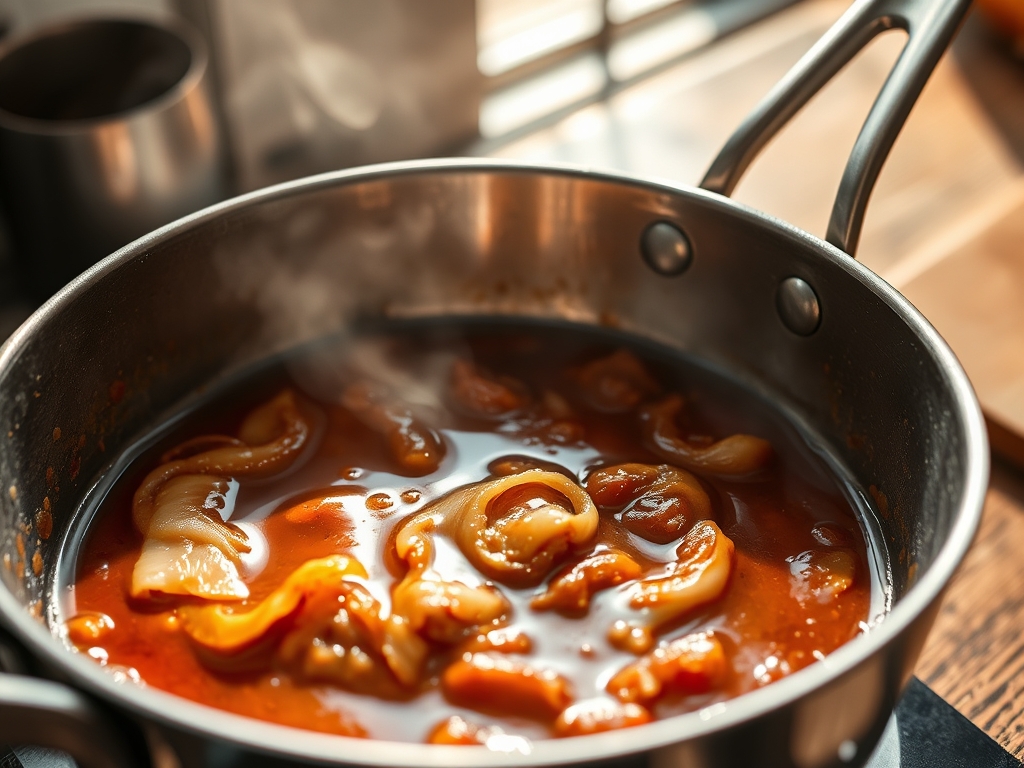
Referencing the Masterclass photo, your Doubanjiang should exhibit a deep, mahogany hue with visible fragments of chili skin and softened beans. If your paste looks bright orange or pale red, it hasn't aged long enough; the pigments haven't oxidized. Technical Fix: Increase sun exposure or extend the aging time by two months. If you see white spots on the surface, don't panic. This is often yeast or salt crystallization. However, if the spots are fuzzy or colorful (black/green), discard the batch. To achieve the glossy, viscous texture seen in professional kitchens, ensure you are stirring daily. This incorporates the oils released from the chili seeds, which helps to infuse the entire mixture with a consistent sheen.
THE DEEP DIVE
Macro Nutrition Profile:
Per 15g serving: Calories: 15; Protein: 1g; Carbohydrates: 2g; Fat: 0.5g; Sodium: 650mg. It is a high-sodium functional seasoning rather than a primary calorie source.
Dietary Swaps:
- Vegan: Naturally vegan.
- Keto: Low carb, but monitor portions due to wheat flour used in fermentation.
- Gluten-Free: Substitute wheat flour with rice flour or soy flour during the inoculation phase.
Meal Prep & Reheating Science:
Doubanjiang is incredibly stable. When reheating dishes containing the paste, avoid high-intensity microwave bursts which can "break" the emulsion of oil and solids. Instead, reheat on a stovetop over medium heat. This allows the heat to deglaze any caramelized sugars on the bottom of the pan, reintegrating the complex flavors into the sauce without scorching the delicate fermented solids.
THE KITCHEN TABLE
How long does Doubanjiang last?
Properly fermented and salted Doubanjiang can last for years. In a cool, dark pantry, it remains stable for 12 to 24 months. For maximum freshness after opening, store it in the refrigerator to slow further oxidation.
Why is my Doubanjiang so salty?
The salt is a structural necessity for fermentation. To manage this in cooking, never add extra salt to a dish until after the Doubanjiang has been incorporated. Use it as the primary seasoning agent rather than a garnish.
Can I use dried chilis instead of fresh?
You can, but you must rehydrate them first. Fresh chilis provide the necessary moisture and natural sugars for the initial fermentation kick. Dried chilis will result in a much stiffer, more concentrated paste that requires additional water.
What is the best way to cook with it?
Always "fry" the paste in hot oil at the beginning of your recipe. This process, known as "expressing the oil," releases the fat-soluble flavors and deepens the color of the entire dish, creating a professional-grade aromatic base.