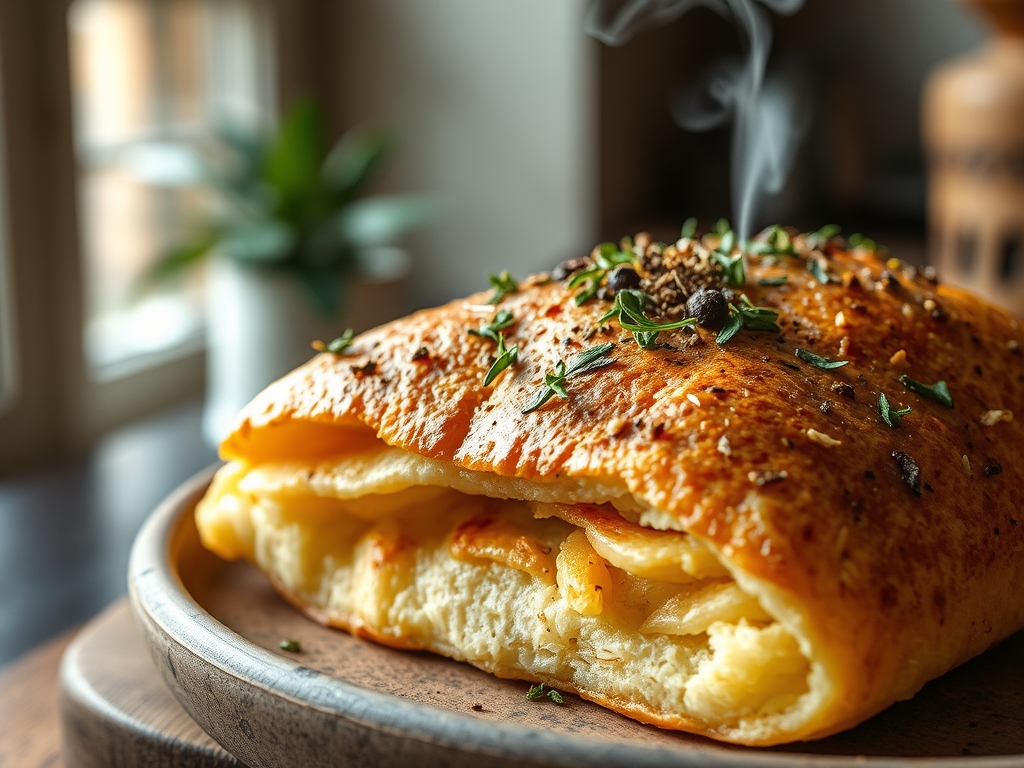
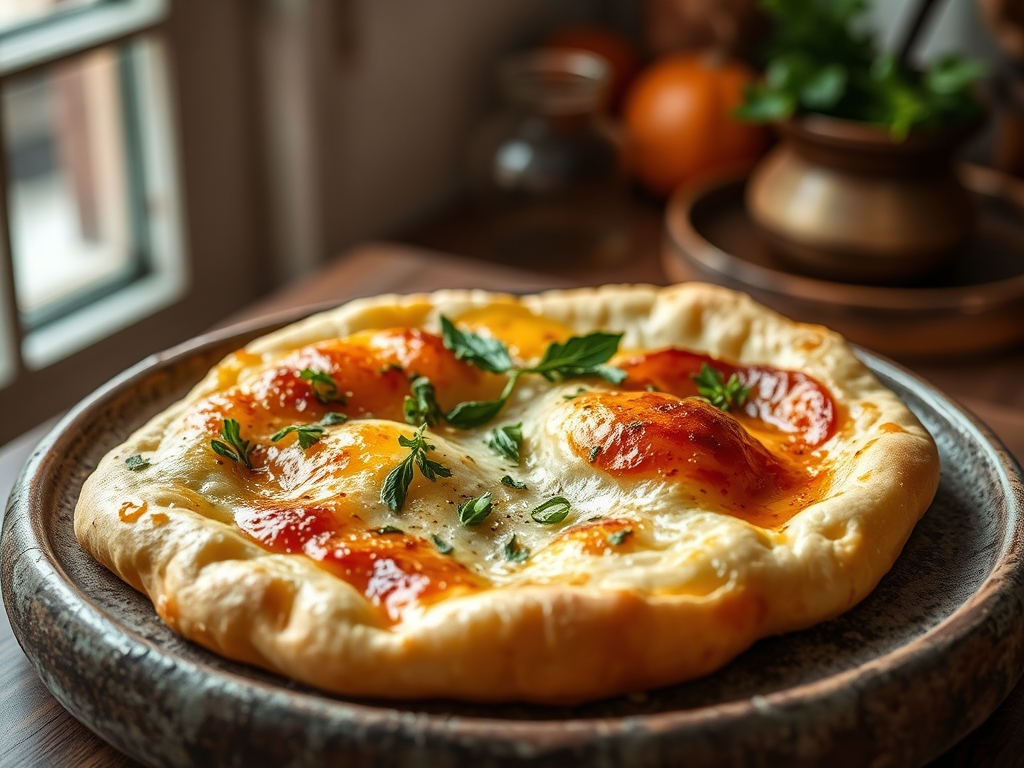
Listen up, because we are about to audit the most structurally significant carbohydrate vessel in the culinary world. Forget your flimsy flatbreads and your uninspired dinner rolls. We are diving into the Georgian Khachapuri; a molten, boat shaped masterpiece of leavened dough and emulsified dairy that demands respect and precision. This is not just a meal; it is a high stakes engineering project where the sourdough is the foundation and the cheese is the structural load. When you tear into that golden, blistered crust and watch the liquid gold of the egg yolk integrate with the piquant, bubbling cheese, you are witnessing a perfect thermal reaction. We are looking for that specific Maillard reaction on the exterior and a soft, airy crumb within. If your dough is dense or your cheese is oily, your infrastructure has failed. We are here to ensure that your kitchen output meets the highest standards of Georgian tradition and modern culinary science. Prepare your bench scrapers and calibrate your scales. It is time to build a legend.
THE DATA MATRIX
| Metric | Specification |
|---|---|
| Prep Time | 45 Minutes (Active) |
| Execution Time | 15 Minutes (Bake) |
| Yield | 4 Large Boats |
| Complexity | 7/10 |
| Estimated Cost per Serving | $4.50 |
THE GATHERS
Ingredient Protocol:
- 500g / 4 cups All-Purpose Flour (High protein preferred)
- 300ml / 1.25 cups Lukewarm Water
- 10g / 2 tsp Active Dry Yeast
- 10g / 2 tsp Sea Salt
- 15ml / 1 tbsp Extra Virgin Olive Oil
- 300g / 3 cups Sulguni Cheese (or a 50/50 mix of Mozzarella and Feta)
- 300g / 3 cups Imeretian Cheese (or Ricotta mixed with Havarti)
- 4 Large Egg Yolks (plus 1 whole egg for wash)
- 50g / 3.5 tbsp Unsalted Butter (Cold cubes)
Section A: Ingredient Quality Audit:
The primary failure point in a Georgian Khachapuri is the moisture content of the cheese. If you use a pre-shredded mozzarella, the anti-caking agents will prevent a smooth melt, resulting in a grainy, plastic texture. Fix: Always grate high-moisture cheeses fresh from the block. If your Feta is too salty, soak it in cold water for 20 minutes to leach out excess brine before crumbling. For the flour, if you notice the dough snapping back during shaping, your protein content is likely too high or the gluten is under-hydrated. Fix: Allow an extra 15 minutes of rest (autolyse) to let the fibers relax. Finally, if your yeast does not foam within five minutes of hitting the water, it is biologically inactive. Toss it. We do not build on dead foundations.
THE MASTERCLASS
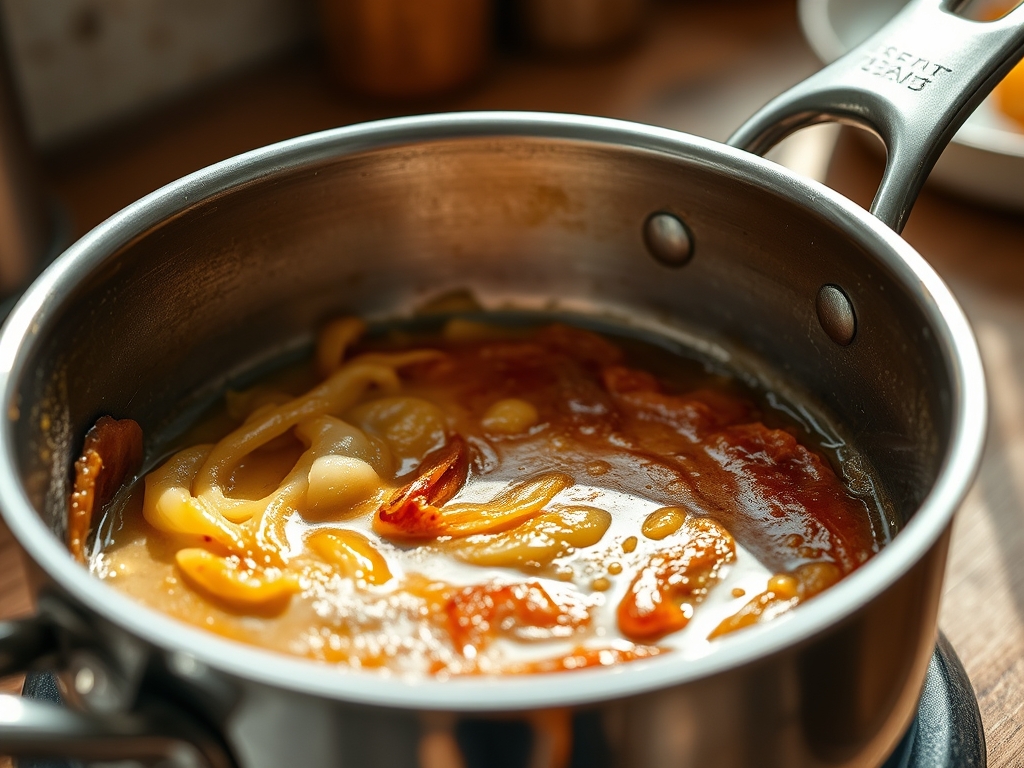
1. Hydration and Incorporation
Combine your flour and salt in a large stainless steel mixing bowl. In a separate vessel, whisk the yeast into the lukewarm water until dissolved. Slowly pour the liquid into the dry center while using a bench scraper to fold the flour over the water. Once a shaggy mass forms, add the olive oil.
Pro Tip: Using a digital scale for your water ensures the hydration ratio is exactly 60 percent. This creates a dough that is tacky enough to develop gluten but dry enough to hold the iconic boat shape without collapsing in the oven.
2. The Gluten Development Phase
Turn the dough onto a clean surface. Knead for 10 minutes until the surface is smooth and elastic. Perform the windowpane test: stretch a small piece of dough; if it translucent without tearing, the protein network is ready. Place in a lightly oiled bowl and cover with a damp cloth.
Pro Tip: If the dough feels too viscous or sticky, resist the urge to dump more flour. Use your bench scraper to perform "slap and folds" which builds strength without altering the hydration profile.
3. The Cheese Emulsification
While the dough undergoes its primary fermentation (about 1 hour), prepare the filling. Grate your cheeses into a saucier or mixing bowl. Combine them thoroughly until they form a thick, uniform paste. You want a balance of the piquant tang from the Feta/Imeretian and the stretch of the Mozzarella/Sulguni.
Pro Tip: Cold cheese prevents the fats from separating too early. Keep your cheese mixture chilled until the moment of assembly to ensure it melts into a uniform emulsion rather than a pool of oil.
4. Structural Engineering (Shaping)
Punch down the risen dough and divide into four equal portions. Roll each into an oval. Roll the long edges toward the center to create thick "walls," then pinch the ends tightly to form the bow and stern of your boat. Transfer to a parchment-lined baking sheet.
Pro Tip: Use a digital scale to weigh each dough ball. Symmetry is not just for aesthetics; it ensures that every boat in the oven reaches the target internal temperature at the exact same moment.
5. The Thermal Launch
Fill the center of each boat with the cheese mixture. Brush the dough edges with a beaten egg wash. Slide the tray into a preheated oven at 450 degrees Fahrenheit (230 degrees Celsius). Bake for 12 to 15 minutes until the crust is a deep mahogany.
Pro Tip: A baking stone or heavy steel preheated in the oven provides a massive thermal hit to the bottom of the dough, ensuring the base is crisp enough to support the heavy, molten filling.
6. The Golden Integration
Remove the boats from the oven. Immediately use a spoon to create a small well in the center of the bubbling cheese. Drop a raw egg yolk and a cube of cold butter into the center. Serve immediately while the residual heat is high enough to slightly cook the yolk as the diner stirs it in.
Pro Tip: This final step is where you infuse the fat into the cheese. The cold butter acts as a mounting agent, creating a glossy, velvet finish that prevents the cheese from tightening as it cools.
Section B: Prep & Timing Fault-Lines:
The most common human error is rushing the second proof. If you fill and bake the boats immediately after shaping, the dough will be "tight" and prone to cracking. Give them 15 minutes to rest after shaping but before filling. Another timing trap is the egg yolk. If you add it too early in the oven, the yolk will solidify. We want a liquid center to act as a dipping sauce. If your oven has hot spots, rotate the tray 180 degrees at the 7 minute mark to ensure even browning.
THE VISUAL SPECTRUM
Section C: Thermal & Visual Troubleshooting:
Referencing our Masterclass photo, the ideal Khachapuri should display a variegated crust with "leopard spotting" (small dark charred circles) and a vibrant, yellow-gold cheese center. If your crust is pale and ghostly, your oven temperature is too low or you skipped the egg wash. If the cheese has a "skin" on top, it was overbaked; the cheese should look like a molten crater. If the "boat" has flattened out into a pancake, your dough was over-proofed or the hydration was too high for your flour's protein strength. To fix a dull crust, increase the sugar content in your dough by 5g to accelerate the Maillard reaction.
THE DEEP DIVE
Macro Nutrition Profile:
This is a high-calorie, high-protein powerhouse. Per serving, expect approximately 850 calories, 42g of Fat, 85g of Carbohydrates, and 35g of Protein. It is a recovery meal for the soul.
Dietary Swaps:
- Vegan: Use a sourdough base with vegan butter and a blend of almond-based mozzarella and crumbled firm tofu seasoned with nutritional yeast and lemon juice.
- Gluten-Free: Use a high-quality GF bread flour blend with added xanthan gum. Note that the "stretch" will be significantly reduced.
- Keto: Replace the dough with a "Fathead" dough (mozzarella, cream cheese, egg, and almond flour).
Meal Prep & Reheating Science:
To maintain molecular structure, do not microwave. Reheat in a 350 degree oven for 8 minutes. This restores the crispness of the crust's cellular structure. If the cheese has separated, a tiny splash of water in the center before heating can help re-emulsify the fats.
THE KITCHEN TABLE
What if I cannot find Sulguni cheese?
A mixture of low-moisture Mozzarella and sharp Feta is the standard professional proxy. It mimics the salinity and the "pull" of the traditional Georgian curd perfectly.
My dough is too sticky to handle!
Dust your hands with flour, but not the dough. Use a metal bench scraper to move the dough. Excess flour during shaping will result in a dry, dusty crust that ruins the mouthfeel.
Can I make the dough in advance?
Absolutely. A cold ferment in the refrigerator for 24 hours actually improves the flavor profile by allowing the yeast to produce more complex esters and acids.
Why did my egg yolk break?
You likely dropped it from too high or the cheese was "domed." Create a deep crater in the cheese first. Use the eggshell halves to gently slide the yolk into position.