Close your eyes and imagine the scent of a coastal Philippine morning where the air is thick with the brine of the Sulu Sea. We are not talking about a subtle perfume; we are discussing a pungent, soul-shaking, and deeply savory olfactory assault that signals the birth of Filipino Bagoong. This is the bedrock of Southeast Asian flavor profiles. It is a fermented shrimp paste that functions as a high-octane umami engine for everything from Kare-Kare to green mangoes. When the tiny Acetes shrimp meet the aggressive preservation of solar salt, a slow-motion chemical war begins. Enzymes break down proteins into a viscous, piquant slurry that vibrates with complexity. To the uninitiated, it is a challenge; to the expert, it is the purest expression of amino acid degradation. We are moving beyond the jarred, shelf-stable grocery versions. Today, we audit the technical infrastructure of the ferment itself, ensuring your kitchen becomes a laboratory of deep-sea funk and culinary precision.
THE DATA MATRIX
| Metric | Specification |
|---|---|
| Prep Time | 45 Minutes |
| Execution Time | 30 to 90 Days (Fermentation) |
| Yield | 1.5 Liters / 6 Cups |
| Complexity (1-10) | 8 (Requires strict sanitation) |
| Estimated Cost per Serving | $0.15 USD |
THE GATHERS
Ingredient Protocol:
- 1 kg / 2.2 lbs Fresh Alamang (Tiny Krill or Shrimp)
- 300g / 1.25 cups Coarse Sea Salt (Non-iodized)
- 100g / 0.5 cups Muscovado Sugar (For sautéing phase)
- 50ml / 3.5 tbsp Neutral Oil (Grapeseed or Canola)
- 60g / 4 tbsp Minced Garlic
- 120g / 0.75 cups Minced Shallots
- 15ml / 1 tbsp Cane Vinegar (For acidity balance)
Section A: Ingredient Quality Audit:
The primary failure point in Bagoong production is the moisture content of the raw shrimp. If your Alamang arrives sitting in a pool of gray liquid, the proteolysis will veer toward putrefaction rather than fermentation. The fix: Spread the shrimp on a perforated hotel pan and allow them to air-dry in a refrigerated environment for two hours before salting. Secondly, never use iodized table salt. Iodine acts as an antimicrobial agent that can stall the specific halophilic bacteria required for that signature funk. If your salt is too fine, it dissolves too rapidly, creating an osmotic shock that toughens the shrimp. Use high-quality solar-evaporated sea salt to ensure a steady, controlled release of minerals.
THE MASTERCLASS
1. The Osmotic Integration
In a large non-reactive glass bowl, combine the cleaned shrimp and sea salt. Use a digital scale to ensure a precise 3:1 ratio by weight. This is not a suggestion; it is a safety requirement to inhibit pathogenic growth. Mix thoroughly until every shrimp is coated in a glistening salt jacket.
Pro Tip: The science here is osmosis. The salt draws moisture out of the shrimp cells, creating a concentrated brine that prevents spoilage while allowing enzymes to begin the "pre-digestion" of proteins into glutamates.
2. The Anaerobic Incubation
Transfer the mixture into a sterilized stoneware crock or glass mason jar. Use a bench scraper to ensure no stray shrimp are left on the sides of the vessel, which could mold. Press the mixture down firmly to eliminate air pockets.
Pro Tip: Oxygen is the enemy of traditional Bagoong. By packing the shrimp tightly, you create an anaerobic environment where beneficial microbes thrive. Use a weight to keep the solids submerged under the emerging brine.
3. The Temporal Transformation
Store the vessel in a cool, dark place for a minimum of 30 days. Every week, check the seal. You are looking for a shift from bright pink to a deep, muddy purple or burgundy hue. This is the visual indicator of enzymatic hydrolysis.
Pro Tip: Temperature stability is key. Fluctuations can cause the brine to expand and contract, potentially breaking the seal of your jar. Aim for a consistent 20-25 degrees Celsius.
4. The Maillard Execution (Sautéing)
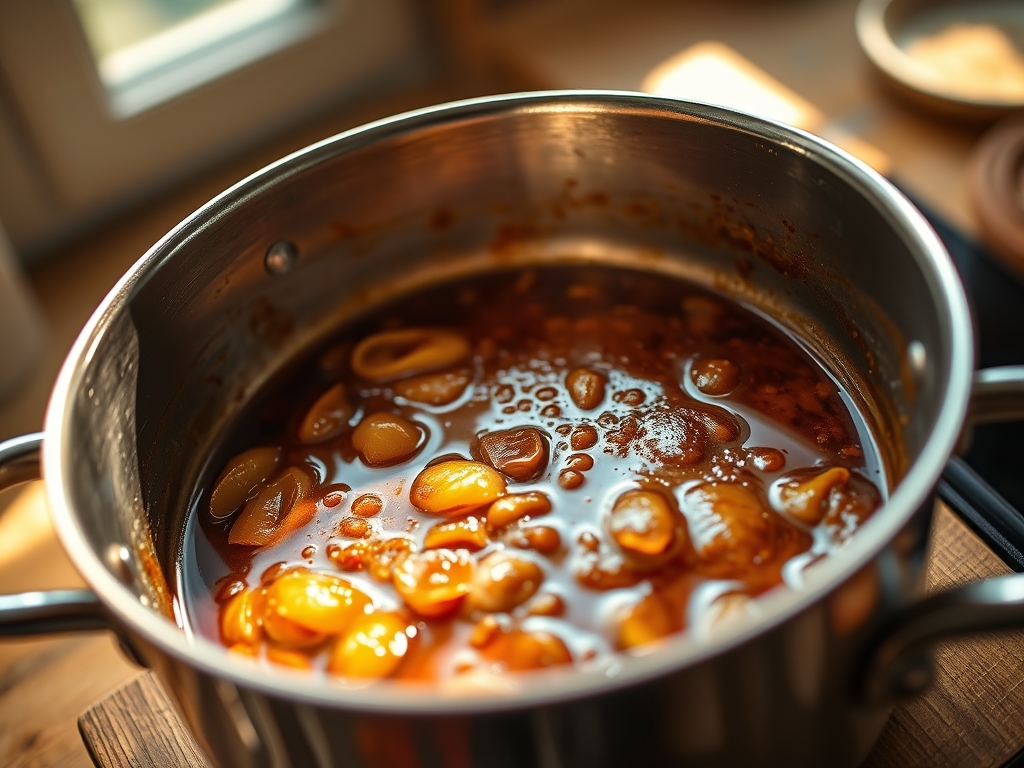
Once fermented, the "raw" Bagoong must be rendered. Heat oil in a heavy-bottomed saucier. Add garlic and shallots, sweating them until translucent. Add the fermented shrimp and cook over medium-low heat.
Pro Tip: This stage involves the Maillard reaction. As you cook the paste with sugar and aromatics, the amino acids and sugars react to create hundreds of new flavor compounds, deepening the color and mellowing the sharp fishy notes into a savory caramel.
5. The Viscosity Calibration
Add the Muscovado sugar and vinegar. Continue to simmer, stirring constantly, until the oil begins to separate from the solids. This "oil slick" on top acts as a natural preservative and flavor carrier.
Pro Tip: Use a silicone spatula to scrape the bottom of the pan frequently. The high protein and sugar content make this mixture prone to scorching, which would introduce a bitter carbon note that ruins the entire batch.
Section B: Prep & Timing Fault-Lines:
The most common human error is rushing the fermentation. If you pull the shrimp after only ten days, the proteins haven't fully broken down; the result is a "bony" texture that feels like sand in the mouth. If the mixture smells like ammonia rather than salty cheese, the pH has drifted too high. You can sometimes rescue a slightly "off" batch by increasing the acidity with extra cane vinegar during the sautéing phase, but if mold is visible, the protocol dictates a total discard. Always use a calibrated pH meter if you are aiming for commercial-grade consistency; you want a final reading below 4.5.
THE VISUAL SPECTRUM
Section C: Thermal & Visual Troubleshooting:
Referencing the Masterclass photo, your final Bagoong should exhibit a dark, chocolate-maroon hue with a glossy sheen. If your paste looks pale or dusty, you have not rendered the fats sufficiently or the sugar has not caramelized. Dull colors often indicate a lack of oil; the oil should infuse with the pigments of the shrimp to create a vibrant lacquer. If you see uneven browning or black flecks, your heat was too high during the sautéing phase. To fix a grainy texture, you can pulse the finished product in a high-speed blender to aerate and emulsify the solids into the oil, creating a smoother, more modern spread.
THE DEEP DIVE
Macro Nutrition Profile:
Bagoong is an umami concentrate. While high in sodium (approximately 1,200mg per tablespoon), it is remarkably high in protein and calcium due to the consumption of the entire shrimp shell. It contains significant levels of Vitamin B12 and essential fatty acids that survive the fermentation process.
Dietary Swaps:
- Vegan: Replace shrimp with minced fermented black beans (Douchi) and shiitake mushroom stems. Use seaweed powder to replicate the marine salinity.
- Keto: Eliminate the Muscovado sugar. Use a monk fruit sweetener or simply rely on the natural sweetness of the caramelized shallots.
- GF: Traditional Bagoong is naturally gluten-free, but ensure your cane vinegar is not grain-derived if you have extreme sensitivities.
Meal Prep & Reheating Science:
Bagoong is functionally immortal if kept under a layer of oil in the refrigerator. When reheating, do so gently. High heat can cause the proteins to tighten and "pop," creating a messy splatter. To maintain the molecular structure, stir a teaspoon of water into the paste before microwaving or stovetop heating to prevent the sugars from turning into hard candy.
THE KITCHEN TABLE
Why does my Bagoong smell like old socks?
That is the smell of success. Isovaleric acid is a byproduct of the fermentation. Once you sauté the paste with garlic and sugar, those pungent volatiles dissipate, leaving behind a rich, savory base that tastes nothing like the raw scent.
Can I use frozen shrimp for this?
Yes, but they must be fully thawed and patted extremely dry. Excess water from the freezing process dilutes the brine, which can lower the salinity to dangerous levels, allowing "bad" bacteria to outcompete the "good" fermenting microbes.
How long does the finished version last?
Sautéed Bagoong stored in a sterilized jar with a layer of oil on top will last 6 months in the fridge. The salt and sugar act as a dual-lock system against spoilage. Always use a clean spoon.
Is the pink color artificial?
In commercial versions, yes. They use "Angkak" (red yeast rice). In your artisanal version, the color will be a natural brownish-purple. If you want that vibrant red, you can add a teaspoon of paprika during the sautéing phase.