Imagine a high-altitude wind tunnel screaming across the Tibetan Plateau at four thousand meters above sea level. Your body is a biological furnace burning through calories just to maintain homeostasis. In this brutal, oxygen-thin environment, water is not enough; you need a high-octane fuel delivery system. Enter Tibetan Butter Tea, also known as Po Cha. This is not your grandmother's delicate afternoon infusion. This is a heavy-duty lipid emulsion designed for survival. It is thick, savory, and aggressively salty. The first sip hits the palate with a viscous weight that coats the tongue, delivering a concentrated payload of fats and electrolytes. It is functionally more similar to a soup or a broth than a beverage. When properly executed, the tea is a masterpiece of molecular stability where the tea's polyphenols act as a bridge between water and yak fat. If you are looking for a dainty floral note, turn back now. We are here to aerate lipids and infuse fermented tea leaves into a liquid gold that can sustain a nomad for a twelve-hour trek.
THE DATA MATRIX
| Metric | Specification |
|---|---|
| Prep Time | 10 Minutes |
| Execution Time | 45 Minutes |
| Yield | 4 Servings |
| Complexity (1-10) | 6 |
| Estimated Cost per Serving | $1.25 |
THE GATHERS
Ingredient Protocol:
- 750ml / 3 cups Water (Filtered)
- 15g / 2 tbsp Pu-erh or Tibetan Black Tea (Compressed brick preferred)
- 60g / 4 tbsp Yak Butter (Substitute with high-fat grass-fed cultured butter)
- 2.5g / 0.5 tsp Himalayan Pink Salt
- 120ml / 0.5 cup Whole Milk or Yak Milk
Section A: Ingredient Quality Audit:
The primary failure point in Tibetan Butter Tea is the selection of the tea base. If you use a standard bagged black tea, the tannins will be too sharp and the body will be too thin. You require a post-fermented tea like Pu-erh to provide the necessary earthy backbone. If your butter is standard supermarket fare with high water content, the emulsion will break, leaving an oil slick on top. Technical fix: render the butter slightly in a saucier before adding it to the mixture to ensure you are working with pure fats. If the salt profile feels one-dimensional, use a mineral-heavy salt to mimic the natural alkaline springs of the Himalayas.
THE MASTERCLASS
1. The Decoction Phase
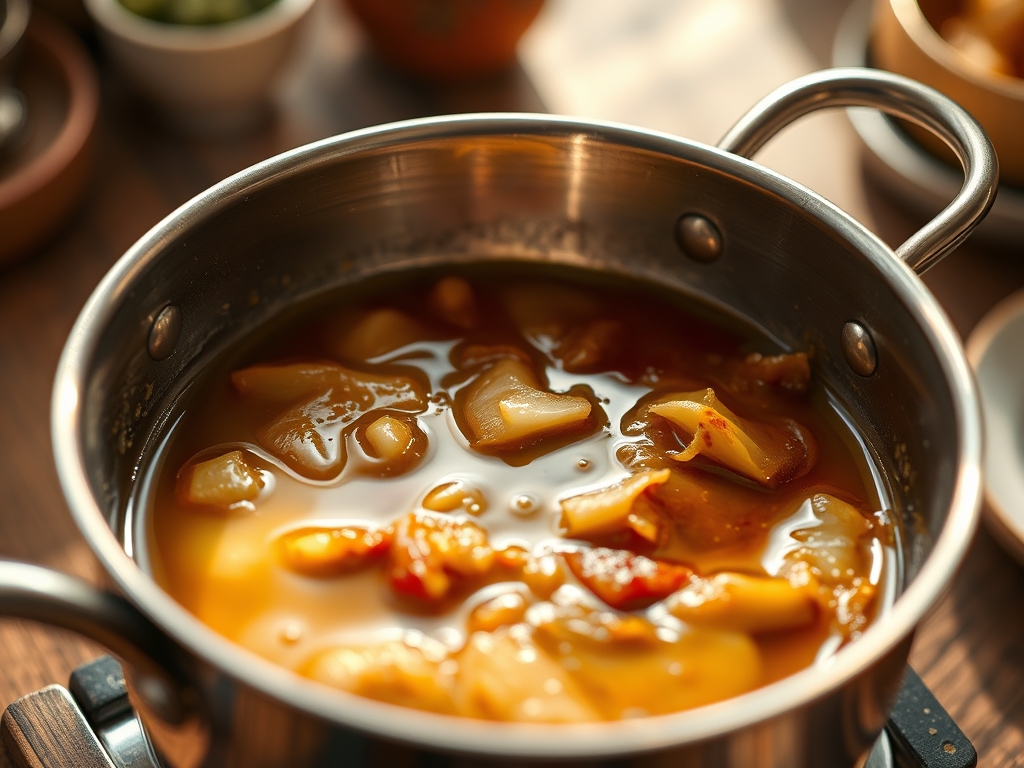
Place your tea leaves into a heavy-bottomed saucier with the filtered water. Bring the mixture to a rolling boil and then immediately drop to a simmer. You are looking for a deep, ink-like extraction. Let this reduce by roughly twenty percent to concentrate the flavors.
Pro Tip: Use a digital scale to measure your tea leaves rather than a spoon. The density of compressed tea varies wildly; precise mass ensures the correct polyphenol-to-lipid ratio for a stable emulsion.
2. The Filtration Protocol
Strain the concentrated tea liquid through a fine-mesh sieve into a secondary vessel. Discard the spent leaves. At this stage, the liquid should be dark and piquant, smelling of damp earth and woodsmoke.
Pro Tip: Press the leaves with a bench scraper or the back of a spoon against the sieve to extract the "heart" of the tea, which contains the heaviest concentration of natural emulsifiers.
3. The Lipid Integration
Pour the hot tea into a traditional wooden churn or a high-speed blender. Add the butter, salt, and milk. If using a blender, ensure the lid is vented to prevent steam pressure from creating a kitchen-wide "butter-bomb."
Pro Tip: High-speed mechanical shear is the modern equivalent of the traditional churn. The goal is to aerate the mixture until the fat globules are broken down into sub-micron sizes, creating a creamy, uniform texture.
4. The Final Emulsification
Pulse or churn for at least two minutes. You are watching for a color shift from dark brown to a pale, creamy tan. The surface should be topped with a dense, microscopic foam rather than large soap-like bubbles.
Pro Tip: If the mixture looks "broken" or oily, add a splash of hot milk and increase the RPMs. The proteins in the milk act as a secondary stabilizer for the yak fat.
Section B: Prep & Timing Fault-Lines:
The most common human error is temperature mismanagement. If the tea base cools too much before the butter is added, the fat will not reach its melting point rapidly enough to integrate. Use an infrared thermometer to ensure your tea is at least 85 degrees Celsius before hitting the blender. Furthermore, over-boiling the tea can lead to excessive bitterness. If you exceed the forty-five-minute mark on the decoction, the tea becomes astringent. Set a timer; precision is the difference between a tonic and a punishment.
THE VISUAL SPECTRUM
Section C: Thermal & Visual Troubleshooting:
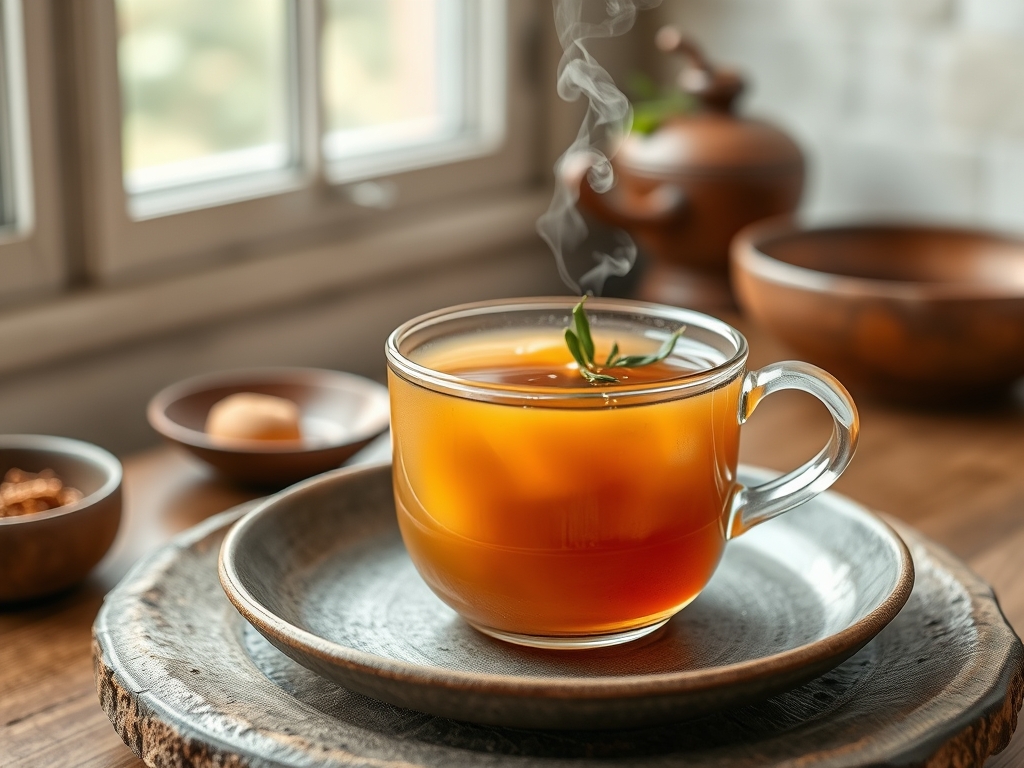
Referencing the Masterclass photo above, the ideal Tibetan Butter Tea should possess a "latte-like" appearance with a consistent, matte finish. If you see a shimmering, translucent layer on top, your emulsion has failed. This is usually caused by insufficient shearing force. Solution: Return to the blender and increase the duration of the cycle. If the color is too dark, your tea-to-water ratio was too high. If it appears grey or dull, your butter may be oxidized or of low quality. A vibrant, warm-toned tan indicates a successful marriage of fermented leaves and fresh lipids.
THE DEEP DIVE
Macro Nutrition Profile
This is a ketogenic powerhouse. A single serving typically contains 150 to 200 calories, primarily derived from saturated fats. It offers negligible carbohydrates and approximately 2 grams of protein. The high salt content is intentional, designed to replenish sodium lost through physical exertion in dry, high-altitude climates.
Dietary Swaps
- Vegan: Replace yak butter with a 50/50 blend of refined coconut oil and cashew cream to mimic the mouthfeel and saturated fat content.
- Keto: This drink is naturally keto-compliant; avoid adding any traditional barley flour (Tsampa) often served alongside it.
- GF: The tea itself is gluten-free, but ensure your tea bricks do not use grain-based starches as a binder.
Meal Prep & Reheating Science
Maintaining the molecular structure of a lipid emulsion during reheating is difficult. Never microwave this tea; the uneven heating will cause the fat to separate. Instead, place the tea in a small pot over low heat and use a handheld milk frother to re-emulsify the mixture as it warms. This restores the viscous texture and ensures the salt is evenly distributed.
THE KITCHEN TABLE
Why does my tea taste like soap?
This usually occurs if you use low-quality butter or if the tea was steeped too long in a vessel with residual detergent. Ensure all equipment is rinsed with a vinegar solution to neutralize alkaline residues before starting.
Can I use regular green tea?
Negative. Green tea lacks the fermented depth and tannins required to balance the heavy fats. The result would be a thin, greasy liquid that lacks the characteristic savory "funk" of a true Tibetan Butter Tea.
Is the salt really necessary?
Absolutely. Salt is the flavor bridge. Without it, the butter and tea remain two separate entities on the palate. The salt sharpens the earthy notes of the tea and cuts through the richness of the fat.
What is the best way to froth it without a blender?
Use a French press. Pour the mixture in and rapidly pump the plunger up and down. The mesh screen provides excellent mechanical shear, creating a respectable emulsion without the need for high-tech electronics.