Stop thinking of your spice rack as a collection of flavorings and start viewing it as a high-performance chemical laboratory. We are not just cooking; we are conducting a thermal audit of volatile organic compounds. The centerpiece of this operation is Indian Garam Masala. This is not a static powder; it is a pressurized canister of aromatic potential waiting for the precise application of heat to trigger a molecular cascade. When you hit that pan with a blend of cinnamon, cardamom, and cloves, you are initiating the thermal degradation of lignin and the liberation of essential oils. The air should turn thick, piquant, and heavy with the scent of toasted wood and citrus. If your kitchen doesn't smell like a high-stakes trade route within thirty seconds, you have failed the audit. We are here to ensure that every milligram of spice earns its place on the palate through aggressive heat management and surgical precision. Let's recalibrate your sensory baseline and build a blend that vibrates with kinetic energy.
THE DATA MATRIX
| Metric | Specification |
|---|---|
| Prep Time | 15 Minutes |
| Execution Time | 10 Minutes |
| Yield | 150g / 1.25 Cups |
| Complexity (1-10) | 4 |
| Estimated Cost per Serving | $0.12 |
THE GATHERS
Ingredient Protocol:
- 40g / 0.5 cup Whole Coriander Seeds
- 25g / 3 tbsp Cumin Seeds
- 15g / 2 tbsp Black Peppercorns
- 10g / 1.5 tbsp Cardamom Pods (Green)
- 5g / 1 tbsp Whole Cloves
- 2 large Cinnamon Sticks (broken into shards)
- 3 pieces Star Anise
- 2g / 1 tsp Nutmeg (freshly grated)
- 1g / 0.5 tsp Mace blades
Section A: Ingredient Quality Audit:
The primary failure point in spice construction is oxidation. If your coriander seeds are dull gray rather than golden-tan, the volatile oils have already evaporated. Test your spices by crushing a single seed between your thumbnails; it should release an immediate, sharp aroma. If the scent is faint, increase your toast time by 15% to force the remaining oils to the surface. For cinnamon that lacks "bite," ensure you are using Cassia for heat rather than Ceylon for sweetness. If your green cardamom pods look bleached, they were likely sun-dried too long, losing their floral terpenes. To fix this, double the quantity of mace to compensate for the lost high-pitched notes. Always use a digital scale for these measurements; volumetric "tablespoons" are for amateurs who enjoy inconsistent results.
THE MASTERCLASS
Step-by-Step Execution:
1. The Dry Searing Phase
Place a heavy-bottomed saucier or cast-iron skillet over medium-low heat. Do not add oil. Introduce the "hard" spices first: cinnamon, star anise, and peppercorns. These require more thermal energy to penetrate their dense cellular structures. Use a silicone spatula to keep the spices in constant motion to prevent localized scorching.
Pro Tip: This process is known as dry roasting, which triggers the Maillard reaction in the small amounts of sugars and proteins within the seeds. It transforms raw, vegetal notes into complex, nutty aromas.
2. The Aromatic Peak
Add the coriander and cumin seeds. Watch for the first wisps of blue-tinted smoke. This is the "Goldilocks Zone" where the essential oils are transitioning from liquid to gas. The seeds should darken by exactly two shades. As soon as the cumin begins to "pop" or crackle, the moisture inside the seed is turning to steam.
Pro Tip: Use an infrared thermometer to monitor the pan surface; you are looking for a stable 320 degrees Fahrenheit (160 Celsius) to ensure even desiccation without carbonizing the delicate hulls.
3. The Cooling Protocol
Immediately transfer the hot spices from the pan onto a cold rimmed baking sheet. Spread them into a single layer. If you leave them in the pan or in a bowl, residual heat will continue to cook the interior of the seeds, leading to a bitter, acrid profile.
Pro Tip: Use a bench scraper to spread the spices quickly. Rapid cooling "locks" the oils back into the fiber of the spice, preventing the loss of aromatic potency to the surrounding air.
4. Precision Pulverization
Once the spices are room temperature, transfer them to a high-speed burr grinder or a dedicated spice mill. Process in short, three-second bursts. If you run the motor continuously, the friction creates heat, which will re-cook the powder and dull the flavor.
Pro Tip: Sift the final powder through a fine-mesh chinois or sieve. Any remaining large fragments will create "hot spots" of flavor in your final dish rather than a homogenous, viscous integration.
Section B: Prep & Timing Fault-Lines:
The most common human error is "The Walking Away" syndrome. Spices have low thermal mass; they transition from aromatic to incinerated in under ten seconds. If you miss the window, do not attempt to salvage the batch. Carbonized spices introduce a permanent bitter alkaline taste that no amount of sugar or acid can mask. Another fault-line is grinding spices while they are still warm. This creates a paste-like consistency rather than a free-flowing powder, as the oils emulsify with the ambient humidity. If your powder clumps, you have failed the cooling protocol.
THE VISUAL SPECTRUM
Section C: Thermal & Visual Troubleshooting:
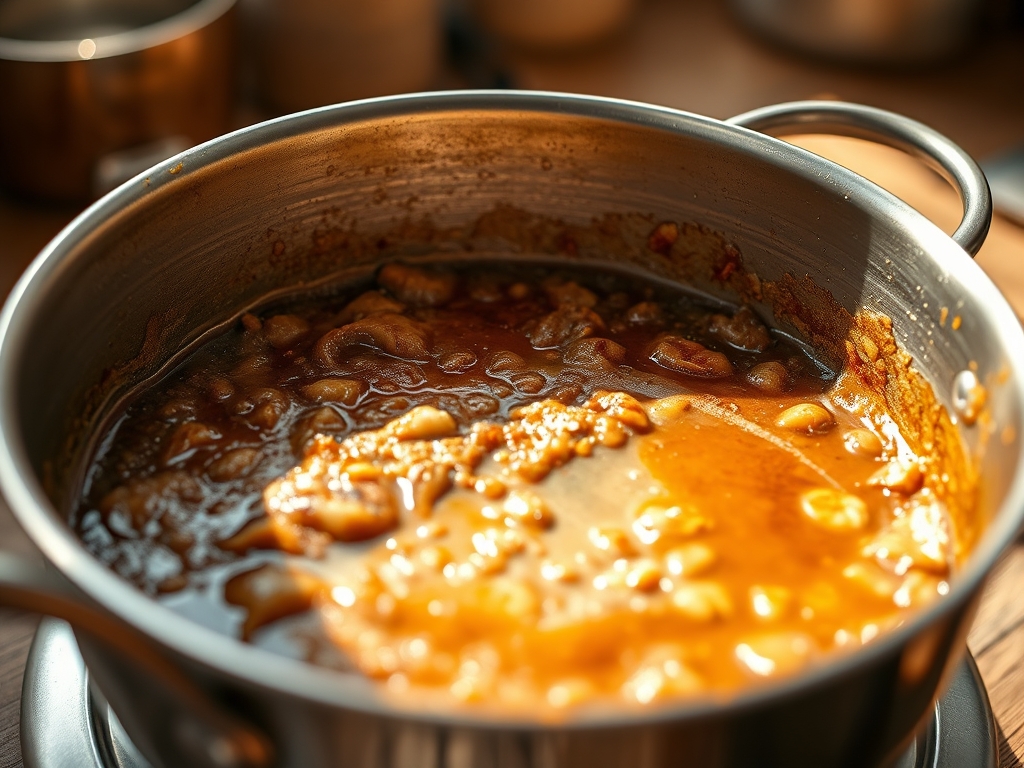
Referencing the Masterclass photo, your final Indian Garam Masala should exhibit a deep, ochre-bronze hue. If your blend looks bright yellow, you have likely over-indexed on coriander or used low-quality, "dusty" cumin. If the texture looks gritty rather than velvety, your sifting process was insufficient. Uneven browning in the pan results in a "salt and pepper" look in the seeds; this indicates poor agitation during the roasting phase. A successful audit results in a powder that looks "alive"—it should have a slight sheen from the rendered oils and a uniform particle size that disappears instantly when whisked into a liquid.
THE DEEP DIVE
Macro Nutrition Profile:
Per 5g serving: 15 Calories, 0.6g Protein, 0.8g Fat, 2.2g Carbohydrates, 1.4g Fiber. While the caloric impact is negligible, the thermogenic properties of piperine (pepper) and cinnamaldehyde (cinnamon) can slightly increase metabolic rate during digestion.
Dietary Swaps:
- Vegan/Keto/GF: This blend is naturally compliant with all three. For an "Umami-Keto" boost, add 1/2 tsp of dried mushroom powder to the grind.
- Low-FODMAP: Omit the garlic or onion powders often found in commercial blends; this pure whole-spice audit is inherently safer for sensitive systems.
Meal Prep & Reheating Science:
Store this blend in an opaque, airtight glass jar in a cool, dark cabinet. Sunlight is the enemy of molecular stability; UV rays break down the chemical bonds in the aromatics. When reheating a dish containing this masala, avoid the microwave if possible. Microwaves vibrate water molecules, which can cause the delicate spice oils to volatilize too quickly. Reheat on a stovetop to gently "re-awaken" the fats and maintain the dish's structural integrity.
THE KITCHEN TABLE
Why does my masala taste bitter?
You likely over-roasted the cumin or cloves. These spices contain high levels of phenolic compounds that turn acrid when exposed to excessive heat. Ensure you pull the pan off the heat the moment the first seed pops.
Can I use pre-ground spices for this?
Negative. Pre-ground spices have a massive surface-area-to-volume ratio, meaning they oxidize almost instantly. To achieve the "Thermal Activation" required for a professional audit, you must start with whole, intact seeds to protect the internal oils.
How long does the potency last?
In an airtight container, the molecular integrity remains high for 4 to 6 weeks. After that, the "high notes" of the cardamom and mace begin to flatten. Audit your supply monthly and grind in small, high-frequency batches.
Should I wash the spices first?
Absolutely not. Introducing moisture will prevent the Maillard reaction and lead to steaming rather than roasting. If you are concerned about debris, buy "Grade A" export-quality whole spices from a reputable purveyor and inspect them visually before roasting.