Forget the limp, translucent rings found in a sad plastic tub at the back of a deli counter. We are here to discuss the structural integrity of the British Pickled Onions, a culinary artifact that represents the peak of acetic acid saturation and cellular preservation. Imagine the sound of a high-velocity crunch echoing through a pub; that is the sound of success. It is a piquant explosion that cuts through the fat of a cheddar block or the grease of a fish supper with surgical precision. To achieve this, we are not merely "soaking" vegetables; we are performing a chemical exchange where water is forcefully evicted from the onion's cellular walls and replaced by a dark, spicy, malt-forward brine. The aroma alone is enough to clear the sinuses and reset the palate. We are looking for a deep, amber hue and a texture that fights back against the tooth. This is infrastructure for your taste buds, a foundational condiment that demands respect through its sheer acidity and crunch.
THE DATA MATRIX
| Metric | Specification |
|---|---|
| Prep Time | 45 Minutes (Plus 24-hour dry brine) |
| Execution Time | 15 Minutes |
| Yield | 2 Liters / 8 Cups |
| Complexity (1-10) | 4 |
| Estimated Cost per Serving | $0.22 |
THE GATHERS
Ingredient Protocol:
- 1.5kg / 3.3lbs Small Pickling Onions or Shallots
- 150g / 5.3oz Sea Salt (for dry brining)
- 1L / 4.2 Cups Quality Malt Vinegar
- 200g / 7oz Dark Brown Sugar
- 15g / 1 tbsp Black Peppercorns
- 4 Dried Bird's Eye Chilies
- 10g / 2 tsp Mustard Seeds
- 4 Whole Cloves
- 2 Bay Leaves
Section A: Ingredient Quality Audit:
If your onions feel "spongy" before you even begin, abort the mission. Softness in the raw state indicates a breakdown in cellular hemicellulose, which no amount of vinegar can fix. Use only firm, small bulbs. If your malt vinegar lacks that characteristic "bread-like" depth, it is likely a cheap imitation colored with caramel. Seek out traditionally brewed malt vinegar to ensure the complex flavor profile necessary for a true British Pickled Onion. If the spices are over a year old, they will fail to infuse the brine with the necessary volatile oils; toast them lightly in a dry pan to resuscitate their aromatic potential before use.
THE MASTERCLASS
Step-by-Step Execution:
1. The Osmotic Extraction
Peel the onions by topping and tailing them, then soaking in warm water for ten minutes to loosen the skins. Place the peeled bulbs in a large bowl and toss thoroughly with the sea salt. Cover and leave for 24 hours at room temperature. Use a digital scale to ensure the salt-to-onion ratio is precise.
Pro Tip: This stage is crucial for osmosis. The salt draws out excess moisture, which prevents the vinegar from becoming diluted and ensures the final product remains crisp rather than soggy.
2. The Brine Synthesis
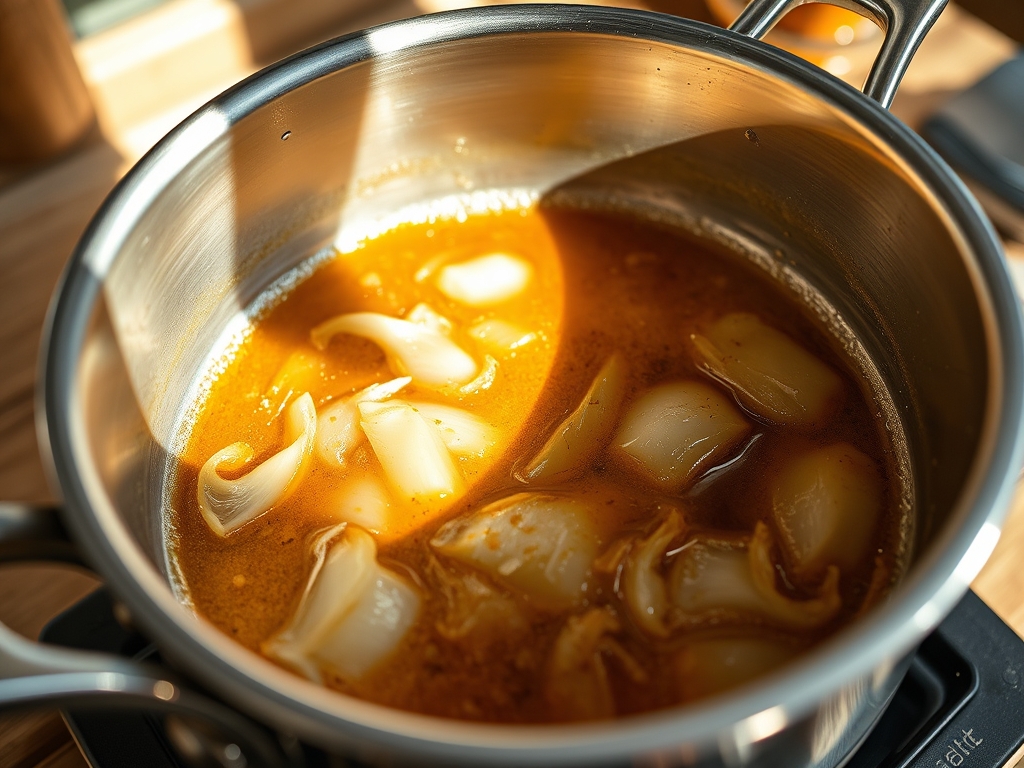
In a stainless steel saucier, combine the malt vinegar, brown sugar, and all spices. Bring the mixture to a simmer over medium heat, stirring until the sugar is fully dissolved. Do not let it reach a rolling boil, as this can cause the acetic acid to evaporate too quickly, weakening the preservative power.
Pro Tip: Using a saucier with rounded edges allows for better heat distribution and prevents spices from getting trapped in "dead zones" during the infusion process.
3. Sterilization and Loading
Sterilize your glass jars in a 110C (230F) oven for 15 minutes. Rinse the salted onions thoroughly under cold water to remove all surface salt and pat them bone-dry with a clean lint-free cloth or a bench scraper to move them efficiently. Pack the onions tightly into the warm jars.
Pro Tip: Any residual water on the onions will create a "micro-environment" of low acidity, which can lead to spoilage. Dryness is the key to long-term stability.
4. The Acetic Flood
Pour the hot (but not boiling) brine over the onions, ensuring they are completely submerged. Use a sterilized skewer to poke around the jars and release any trapped air bubbles. Seal the jars immediately with vinegar-proof lids.
Pro Tip: Trapped air bubbles can harbor aerobic bacteria. Removing them ensures a fully anaerobic environment, which is essential for the infusion of the spices into the onion layers.
5. The Maturation Phase
Store the jars in a cool, dark place for at least four weeks. This allows the vinegar to penetrate the core of the onion and the harshness of the raw bulb to mellow into a complex, savory profile.
Pro Tip: Patience is a technical requirement. Opening the jar too early results in a "hot" onion that tastes of raw ethanol and sulfur rather than the balanced, viscous delight of a matured pickle.
Section B: Prep & Timing Fault-Lines:
The most common failure is rushing the dry-brining phase. If you skip the 24-hour salt soak, your onions will release their internal water into the jar, lowering the pH to unsafe levels and ruining the texture. Another timing error is pouring boiling brine over the onions; this "cooks" the outer layers, resulting in a mushy exterior. The brine should be around 80C (176F) to effectively aerate the spices without damaging the onion's structural integrity.
THE VISUAL SPECTRUM
Section C: Thermal & Visual Troubleshooting:
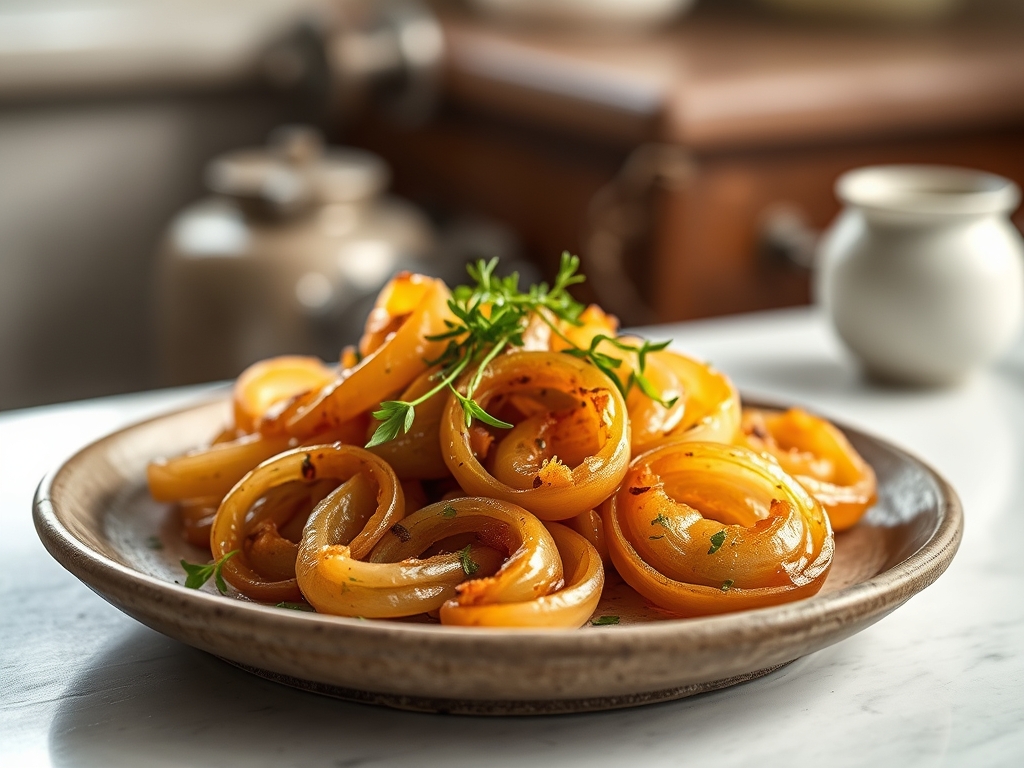
Observe the photo above; the onions should have a consistent, deep mahogany glaze with no pale patches. If your onions appear "blotchy," they were likely packed too tightly, preventing the brine from reaching all surfaces. If the brine is cloudy, it indicates either the use of table salt with anti-caking agents or, more seriously, bacterial growth. The liquid should remain clear, albeit dark. Dull colors usually stem from using white sugar instead of dark brown sugar, which fails to provide the necessary molasses for that rich, traditional aesthetic.
THE DEEP DIVE
Macro Nutrition Profile:
British Pickled Onions are virtually fat-free and low in calories, typically containing about 30 calories per 100g. They are high in sodium due to the brining process, making them an electrolyte-heavy condiment. The acetic acid can also assist in stabilizing blood sugar levels when consumed alongside high-carb meals.
Dietary Swaps:
- Vegan: Naturally vegan. Ensure your sugar is not processed with bone char.
- Keto: Replace the brown sugar with a keto-friendly monk fruit or erythritol blend. The onions themselves contain some natural sugars, so consume in moderation.
- GF: Ensure the malt vinegar is certified gluten-free or swap for apple cider vinegar if you are highly sensitive, though the flavor profile will shift significantly.
Meal Prep & Reheating Science:
These onions are a "prep once, eat for months" asset. They do not require reheating; in fact, heat will destroy the crunch. To maintain molecular structure, always use a clean, dry fork to remove onions from the jar. Introducing saliva or breadcrumbs into the brine will trigger enzymatic breakdown and spoilage.
THE KITCHEN TABLE
Why are my onions soft?
You likely skipped the 24-hour dry-brining step or used "old" onions. The salt soak is non-negotiable for removing the water that causes cellular collapse during the pickling process. Always start with the firmest bulbs available.
Can I use white vinegar?
Technically yes, but you will lose the soul of the dish. Malt vinegar provides a nutty, toasted depth that white vinegar lacks. If you must swap, use apple cider vinegar for a fruitier, less traditional profile.
How long do they last?
Unopened, these onions will remain shelf-stable for up to a year in a cool, dark place. Once opened, keep them refrigerated and consume within eight weeks for optimal texture and flavor intensity.
Do I have to peel them all by hand?
Yes, but the "boiling water trick" helps. Submerge the raw onions in boiling water for 30 seconds, then shock in ice water. The skins will slip off much easier, saving your cuticles from the acetic burn.