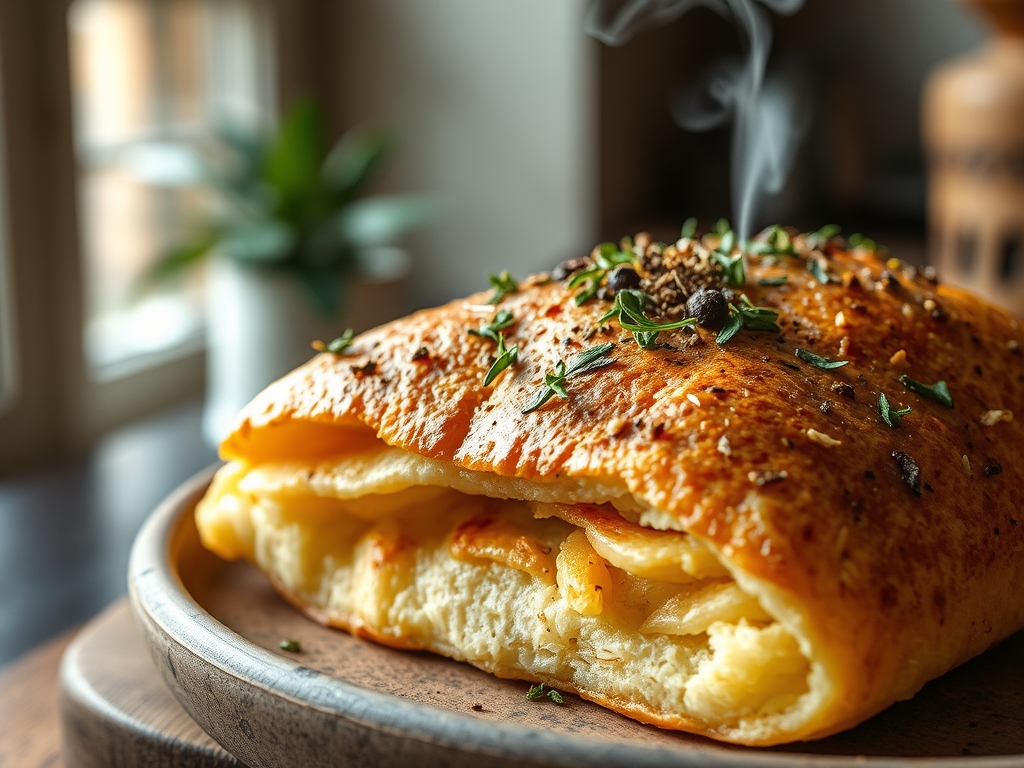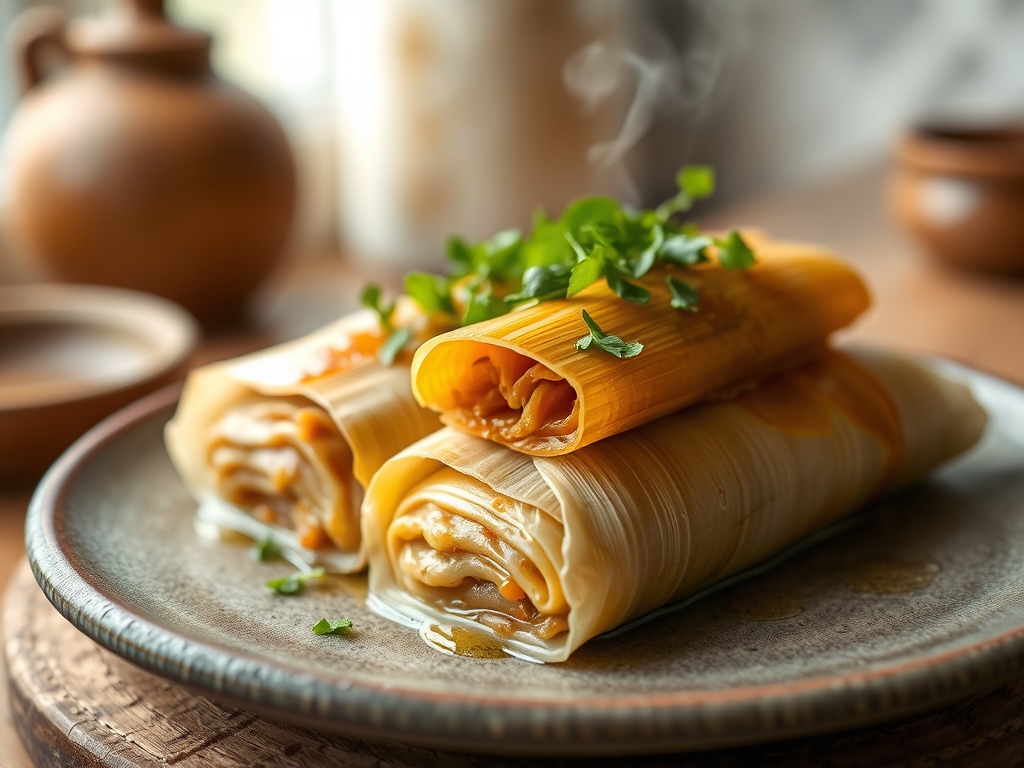
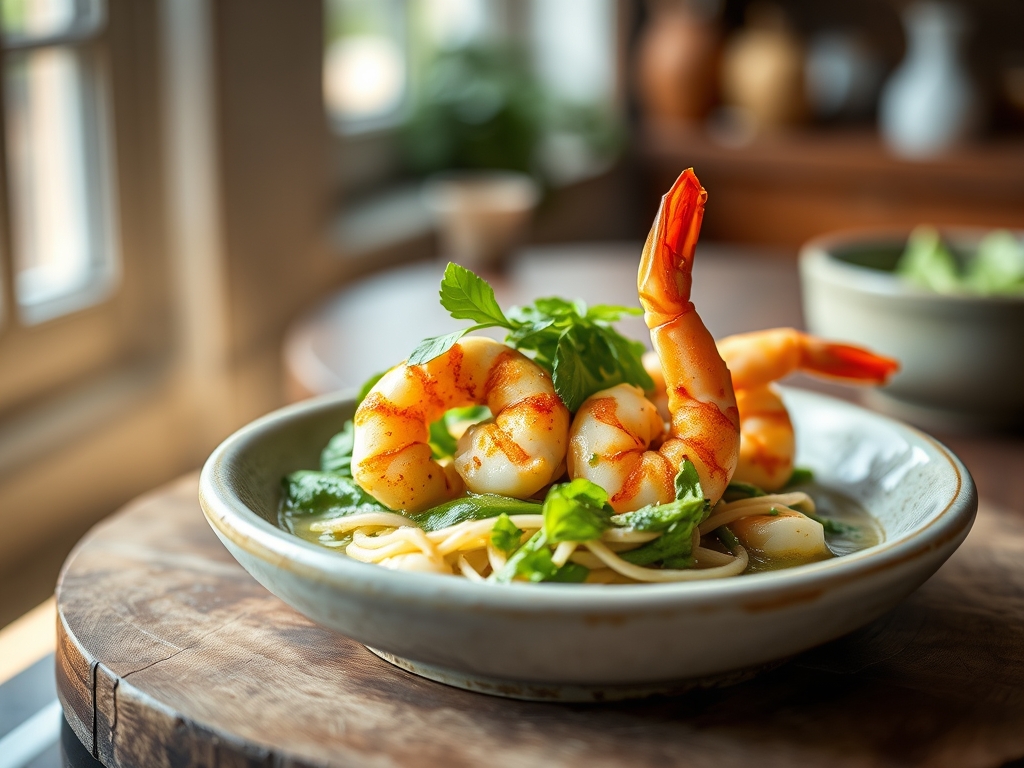
Listen to the high-pitched hiss as the coconut cream hits the stainless steel. If you are not hearing that violent evaporation, you are already behind the curve. We are not just making dinner; we are conducting a high-stakes molecular audit of Thai Green Curry Shrimp. This is the gold standard of piquant seafood stews, where the difference between a world-class emulsion and a greasy, broken mess lies in your ability to manage lipids and aromatics with surgical precision. The goal is a viscous, silk-like broth that clings to the curves of succulent crustaceans while punching through with a vibrant, herbaceous heat. You want that signature green oil to separate just enough to shimmer on the surface, signaling that the curry paste has been properly fried and the flavors fully unlocked. We are looking for a balance of heat, salt, and acidity that vibrates on the palate. If your kitchen does not currently smell like a collision between a tropical rainforest and a high-end spice market, it is time to recalibrate your sensors.
THE DATA MATRIX
| Metric | Specification |
|---|---|
| Prep Time | 25 mins |
| Execution Time | 15 mins |
| Yield | 4 Servings |
| Complexity | 7/10 |
| Estimated Cost per Serving | $6.50 – $8.00 |
THE GATHERS
Ingredient Protocol:
- 450g / 1 lb Large Shrimp (Peeled and deveined, tail-on)
- 400ml / 13.5 oz Full-fat Coconut Milk (Do not use "lite")
- 60g / 4 tbsp Green Curry Paste (High-quality fermented brand)
- 300g / 2 cups Eggplant (Thai pea variety or cubed Japanese)
- 150g / 1 cup Bamboo Shoots (Sliced and blanched)
- 30ml / 2 tbsp Fish Sauce (High protein content preferred)
- 15g / 1 tbsp Palm Sugar (Finely shaved)
- 5-6 Kaffir Lime Leaves (Bruised to release essential oils)
- 20g / 1/2 cup Thai Basil Leaves (Fresh, never dried)
- 15ml / 1 tbsp Neutral Oil (Grape seed or Avocado)
Section A: Ingredient Quality Audit:
Sub-par raw materials are the primary cause of system failure in Thai Green Curry Shrimp. If your coconut milk is grainy or lacks a thick "cream" layer at the top, the emulsion will never stabilize. Technical fix: Use a high-speed blender to aerate the milk for 30 seconds before use to reintegrate solids. If your shrimp are "rubbery," they likely contain sodium tripolyphosphate. Technical fix: Look for "dry" shrimp or soak them in a light brine of salt and baking soda for 15 minutes to improve moisture retention and snap. Finally, if your curry paste is dull in color, it has oxidized. Technical fix: Flash-fry the paste in hot oil for 60 seconds to re-awaken the volatile compounds and deepen the pigment.
THE MASTERCLASS
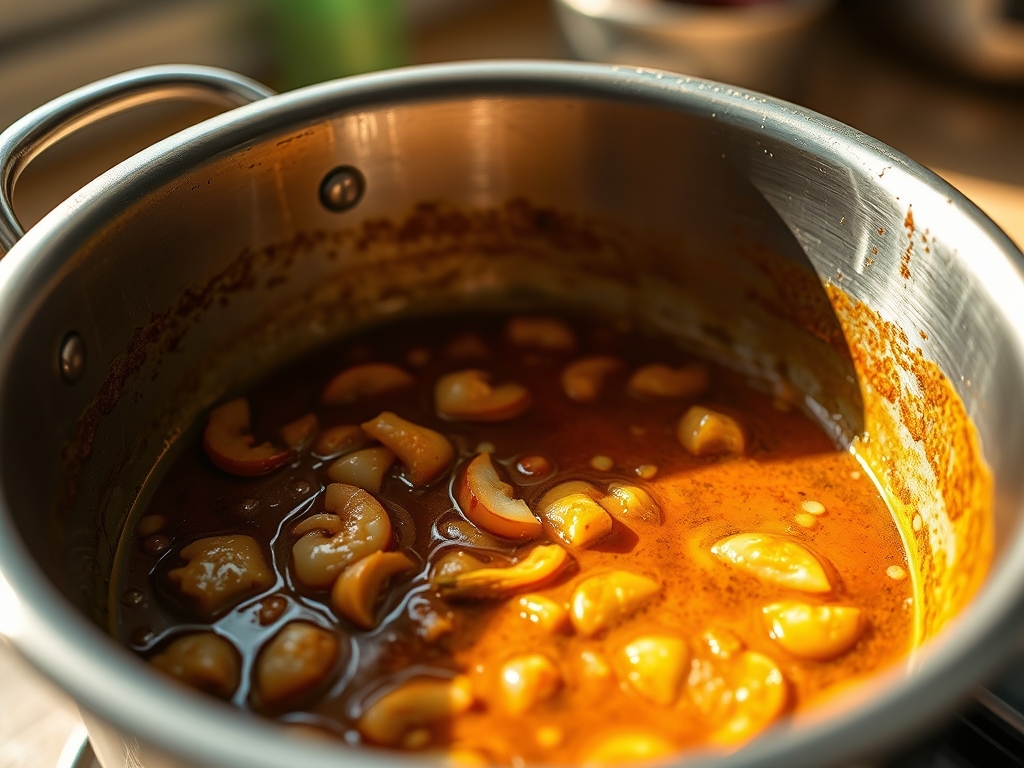
1. The Lipid Separation Phase
Place your heavy-bottomed saucier over medium-high heat. Add only the thick cream from the top of the coconut milk can. Whisk constantly until the water evaporates and the oil begins to separate from the solids. This is the "cracking" phase.
Pro Tip: This technique, known as "frying the cream," ensures that the fat-soluble flavors in the curry paste are properly dissolved. Use a digital thermometer to monitor the temperature; you are looking for the point where the mixture hits approximately 212 degrees Fahrenheit (100 Celsius) and the water phase transitions to steam.
2. Aromatic Infusion
Add the green curry paste to the separated coconut oil. Use a silicone spatula to smear and fry the paste for 2 to 3 minutes. The color should transition from a pale mint to a deep, vibrant forest green.
Pro Tip: This is where the Maillard reaction meets aromatic extraction. Frying the paste reduces the raw, acrid bite of the garlic and shallots, replacing it with a complex, savory depth. If the paste sticks, add a teaspoon of neutral oil to lubricate the pan.
3. The Emulsion Build
Slowly pour in the remaining coconut milk while whisking. Add the kaffir lime leaves and palm sugar. Bring the mixture to a gentle simmer, ensuring the sugar is fully dissolved and the liquid is viscous and uniform.
Pro Tip: Do not allow the liquid to reach a rolling boil. Excessive agitation can cause the coconut proteins to denature and clump, resulting in a "curdled" appearance. A gentle simmer maintains the delicate protein-fat bond.
4. Vegetable Integration
Add the eggplant and bamboo shoots to the simmering liquid. Cover the saucier and cook for 4 to 5 minutes until the eggplant is tender but still retains its structural integrity.
Pro Tip: Use a bench scraper to transfer prep ingredients quickly to the pan to maintain thermal consistency. Eggplants act as sponges; they will soak up the piquant broth, effectively seasoning themselves from the inside out.
5. The Protein Finish
Increase the heat slightly and add the shrimp. Cook for exactly 2 to 3 minutes until the shrimp turn opaque and form a "C" shape. Immediately remove from heat and stir in the fish sauce and Thai basil.
Pro Tip: Overcooked shrimp are a culinary crime. Use a digital scale to ensure all shrimp are of uniform size for even cooking. The residual heat of the stew will finish the cooking process even after the burner is off, preventing the protein fibers from tightening into rubber.
Section B: Prep & Timing Fault-Lines:
The most common human error is the "crowded pan" syndrome. Adding too many cold ingredients at once will crash the temperature of the saucier, leading to steamed rather than seared flavors. Another fault-line is the late addition of aromatics. If you add kaffir lime leaves at the end, they will not have time to infuse the lipid phase with their citrus notes. Always bruise the leaves first to rupture the oil glands.
THE VISUAL SPECTRUM
Section C: Thermal & Visual Troubleshooting:
Referencing the Masterclass photo, your Thai Green Curry Shrimp should display a distinct "oil slick" of emerald green on the surface. If your curry looks like a uniform, pale latte, you failed to crack the coconut cream. If the colors are dull, you likely overcooked the basil or the paste was old. To fix a "broken" sauce where the oil is pooling excessively, whisk in a small amount of cold coconut milk to re-emulsify the mixture. The shrimp should have a matte, pearlescent finish; a shiny, translucent look indicates they are undercooked and unsafe for consumption.
THE DEEP DIVE
Macro Nutrition Profile:
A standard serving contains approximately 350 calories, 25g of protein, 12g of carbohydrates, and 24g of healthy fats (primarily medium-chain triglycerides from coconut). The sodium content is high due to the fish sauce and curry paste; adjust accordingly for restricted diets.
Dietary Swaps:
- Vegan: Replace shrimp with extra-firm pressed tofu or king oyster mushrooms. Swap fish sauce for a fermented soy-based "no-fish" sauce or light soy sauce with a pinch of salt.
- Keto: This dish is naturally keto-friendly. Ensure the palm sugar is replaced with a monk fruit or erythritol sweetener.
- GF: Most green curry pastes are gluten-free, but always audit the label for hidden wheat thickeners.
Meal Prep & Reheating Science:
To maintain the molecular structure when reheating, avoid the microwave. The localized high heat will break the emulsion and turn the shrimp into rubber. Instead, reheat gently in a small saucepan over low heat, adding a tablespoon of water or coconut water to re-hydrate the starches and restore the original viscosity.
THE KITCHEN TABLE
Why did my curry sauce turn grey?
This usually happens if you use a reactive pan like cast iron or if your curry paste contains low-quality shrimp paste. Stick to stainless steel or non-reactive ceramic to maintain that vibrant, piquant green hue.
Can I use coconut milk from a carton?
Negative. Carton coconut milk is designed for drinking and contains stabilizers and a high water-to-fat ratio. It will not "crack" or emulsify properly. Always use canned, full-fat coconut milk for authentic results.
My curry is too spicy; how do I fix it?
Do not add water. Increase the fat or sugar content. A splash more coconut cream or an extra teaspoon of palm sugar will coat the tongue and dampen the capsaicin receptors without diluting the flavor profile.
How do I get the shrimp to stay juicy?
The secret is the "carry-over" cook. Remove the pan from the heat when the shrimp are 90% done. The internal temperature will continue to rise, reaching the perfect safety threshold without dehydrating the muscle fibers.