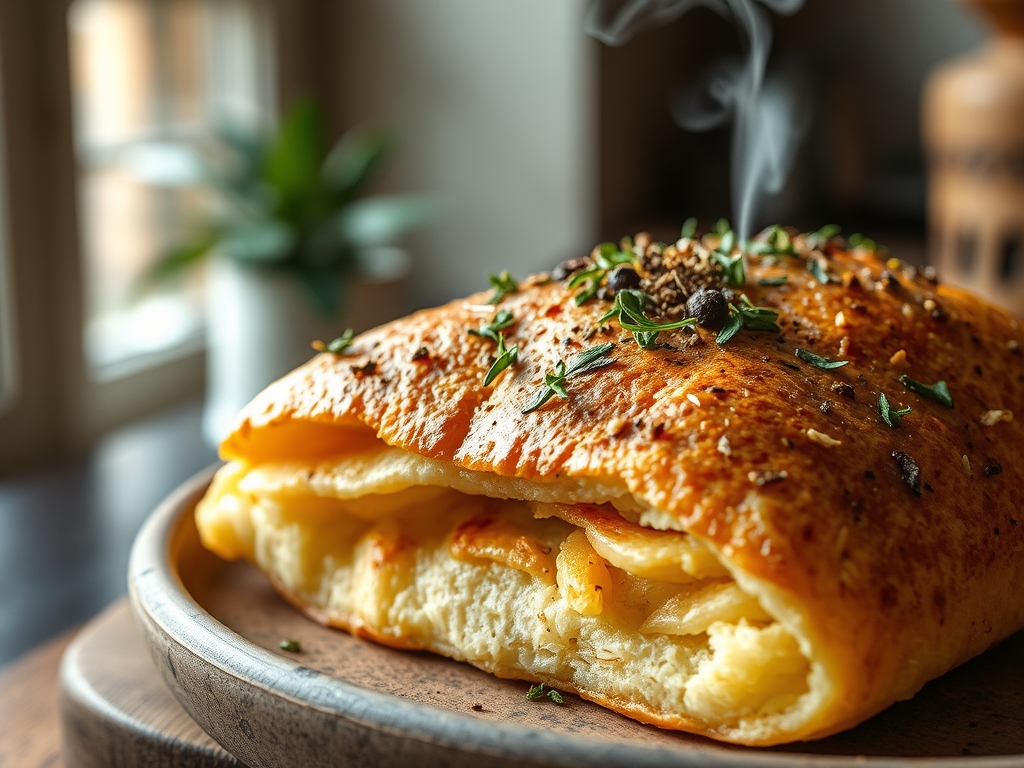
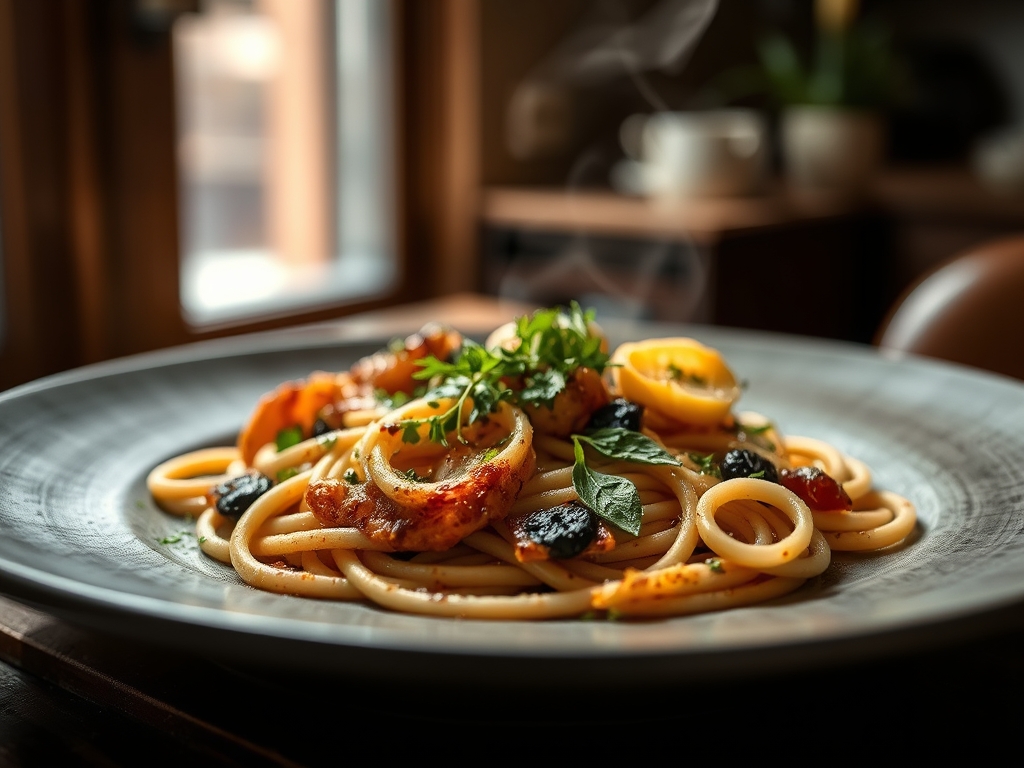
Listen up, kitchen operatives. We are not here to boil noodles and toss them with frozen seafood. We are here to conduct a high-stakes engineering project involving the structural integrity of durum wheat and the volatile aromatic compounds of the Mediterranean. Italian Linguine allo Scoglio is the gold standard of maritime logistics. It is a dish that demands a synchronized deployment of heat, fat, and brine. When executed correctly, the Linguine acts as a high-surface-area delivery vehicle for a viscous, piquant emulsion that tastes like a deep-sea dive. The clams should snap open like pressure valves. The mussels must glisten with the sheen of a perfectly executed emulsification. The shrimp need to be snappy, not rubbery projectiles. This is a technical audit of your ability to manage moisture and timing under fire. If you fail to respect the starch-water ratio or the delicate thermal threshold of a scallop, you are not a chef; you are a logistics failure. Prepare for a total systems overhaul.
THE DATA MATRIX
| Metric | Specification |
|---|---|
| Prep Time | 25 mins |
| Execution Time | 15 mins |
| Yield | 4 Servings |
| Complexity | 7.5 / 10 |
| Estimated Cost per Serving | $12.00 – $18.00 |
THE GATHERS
Ingredient Protocol:
- 500g / 1.1 lbs Linguine (Bronze-die extruded)
- 500g / 1.1 lbs Littleneck Clams (Purged)
- 500g / 1.1 lbs Mussels (De-bearded)
- 250g / 8.8 oz Large Shrimp (Deveined, shell-on for flavor)
- 200g / 7 oz Calamari rings and tentacles
- 400g / 14 oz Cherry tomatoes (Halved)
- 120ml / 0.5 cup Dry White Wine (Vermentino or Pinot Grigio)
- 60ml / 4 tbsp Extra Virgin Olive Oil (High polyphenol count)
- 4 cloves Garlic (Smashed)
- 1 tsp Red Chili Flakes
- 1 bunch Fresh Flat-leaf Parsley (Fine chiffonade)
- 15g / 1 tbsp Sea Salt (For pasta water)
Section A: Ingredient Quality Audit:
Sub-par raw materials will cause a total system collapse. If your clams feel heavy or refuse to close when tapped, they are likely filled with silt or are expired; discard immediately to avoid contaminating the batch. If using frozen seafood, you must account for "purge," which is the excess moisture released during thawing. To fix this, pat all proteins bone-dry with lint-free towels before they hit the pan. If your tomatoes are out of season and lack acidity, infuse the sauce with a teaspoon of high-quality tomato paste during the garlic sauté to provide the necessary depth and umami.
THE MASTERCLASS
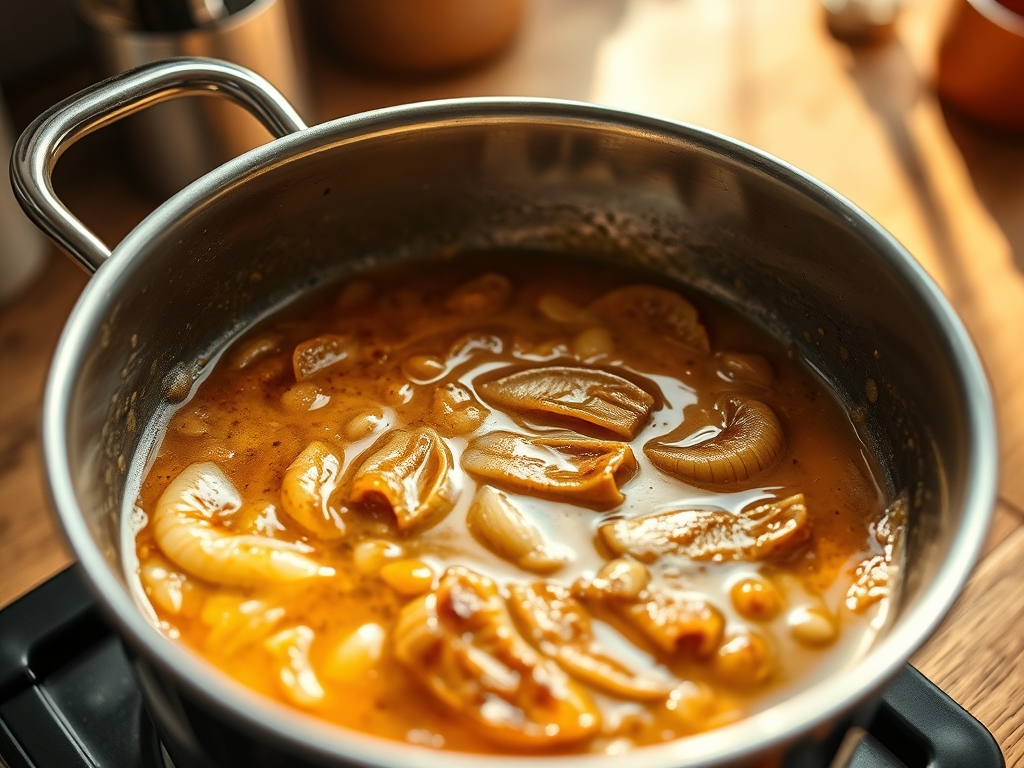
Step 1: The Starch Baseline
Bring 5 liters of water to a rolling boil. Use a digital scale to ensure exactly 15g of salt per liter. Drop the linguine and set your timer for 2 minutes less than the package instructions. We are looking for a rigorous al dente.
Pro Tip: The "Bronze-die" texture on the pasta creates a microscopic landscape of ridges that allow the sauce to cling via capillary action rather than sliding off.
Step 2: The Aromatic Foundation
In a heavy-bottomed saucier, heat the olive oil over medium-low heat. Add the smashed garlic and chili flakes. We want to render the garlic until it is golden but not charred.
Pro Tip: This is a cold-start infusion. By starting the garlic in cold oil, you extract the maximum essential oils without scorching the exterior, creating a more complex flavor profile.
Step 3: Shellfish Deployment
Increase heat to high. Introduce the clams and mussels. Immediately add the white wine and cover with a tight-fitting lid to create a high-pressure steam environment.
Pro Tip: The steam causes the adductor muscles of the bivalves to denature and release. Use a bench scraper to quickly clear your workspace while the steam does the heavy lifting.
Step 4: The Seafood Integration
Once the shells begin to hinge open, add the shrimp and calamari. These require minimal thermal exposure. Toss the cherry tomatoes in now so they just begin to burst and release their pectin.
Pro Tip: Overcooking calamari turns it into rubber. It only needs 90 to 120 seconds of contact time to reach the ideal opaque, tender state.
Step 5: The Emulsion Protocol
Transfer the undercooked linguine directly from the water into the saucier using pasta tongs. Do not drain the pasta water. Add two ladles of the starchy water to the pan. Increase heat and toss vigorously to aerate the fats and starches.
Pro Tip: This mechanical agitation creates a "manteca," a creamy, stable emulsion between the olive oil, the wine, and the pasta starch.
Section B: Prep & Timing Fault-Lines:
The most common failure in Italian Linguine allo Scoglio is the "Watery Grave" syndrome. This happens when the pasta is fully cooked before the sauce is ready, or the seafood releases too much liquid that isn't properly emulsified. To troubleshoot, always prioritize the pasta water. If the sauce is lagging, pull the pasta out of the water early and shock it with a splash of cold water to halt the starch gelatinization. If the sauce is too thin, use the "high-heat toss" method to reduce the liquid while the pasta finishes its final 2% of cooking in the pan.
THE VISUAL SPECTRUM
Section C: Thermal & Visual Troubleshooting:
Look at the reference photo. Note the vibrant, glossy sheen on the linguine; this indicates a successful emulsion. If your dish looks dull or "dry," you have insufficient fat or starch water. Add a final drizzle of raw olive oil and a splash of pasta water to restore the luster. If your shrimp look white and curled into tight "O" shapes, they are overcooked. They should be "C" shaped and pink. If the cherry tomatoes have vanished into a mush, you added them too early. They should remain distinct, "jewel-like" entities that provide a pop of acidity against the oceanic saltiness of the clams.
THE DEEP DIVE
Macro Nutrition Profile:
A standard serving provides approximately 580 calories, 42g of protein, 65g of carbohydrates, and 18g of healthy fats. It is an excellent source of Vitamin B12 and Zinc due to the high shellfish volume.
Dietary Swaps:
- Vegan: Replace seafood with king oyster mushroom "scallops" and capers for salinity. Use a seaweed-infused broth to mimic the ocean flavor.
- Keto: Swap linguine for shirataki noodles or zucchini ribbons. Note that the lack of starch will make the emulsion more difficult; use a pinch of xanthan gum to stabilize the sauce.
- GF: Use high-quality brown rice or corn-based linguine. Be aware that GF pasta releases less starch, so you may need to reduce the sauce further to achieve the desired viscosity.
Meal Prep & Reheating Science:
Seafood pasta is notoriously difficult to reheat because the microwave destroys the delicate protein structures. If you must, use a "low and slow" approach in a skillet with a splash of water and a lid to re-steam the components. This prevents the shrimp from turning into erasers and keeps the emulsion from breaking into a greasy mess.
THE KITCHEN TABLE
Why is my pasta sticking together in the pan?
You likely lacked enough pasta water during the final toss. The starch needs liquid to stay fluid. Add a half-ladle of the boiling water and toss vigorously to lubricate the strands and restore the emulsion.
Can I use bottled clam juice?
Yes, if your fresh shellfish are not producing enough liquor. However, bottled versions are often high in sodium; adjust your salt protocol accordingly. It provides a massive umami boost but can easily overwhelm the delicate wine notes.
What if the clams don't open?
Do not force them. An unopened clam is a sign of a dead organism before the cooking process began. Discard them immediately. Forcing them open can release "mud" or bacteria into your pristine sauce.
Is the white wine mandatory?
Technically, no, but the acidity is required to cut through the fat of the olive oil and the richness of the seafood. If avoiding alcohol, use a splash of verjus or a squeeze of lemon juice mixed with water.
Why shell-on shrimp?
The shells contain high concentrations of glucosamine and chitin which, when heated in oil, provide a deeper "bisque-like" flavor to the sauce. You can peel them before eating, but cook them in their armor for maximum impact.