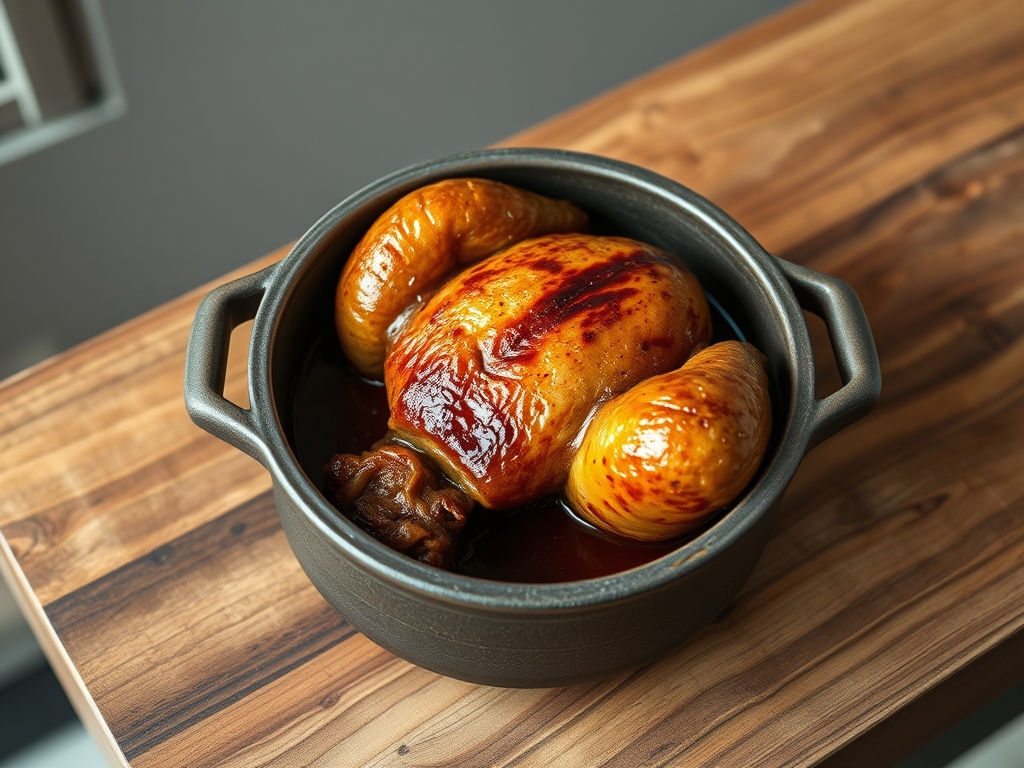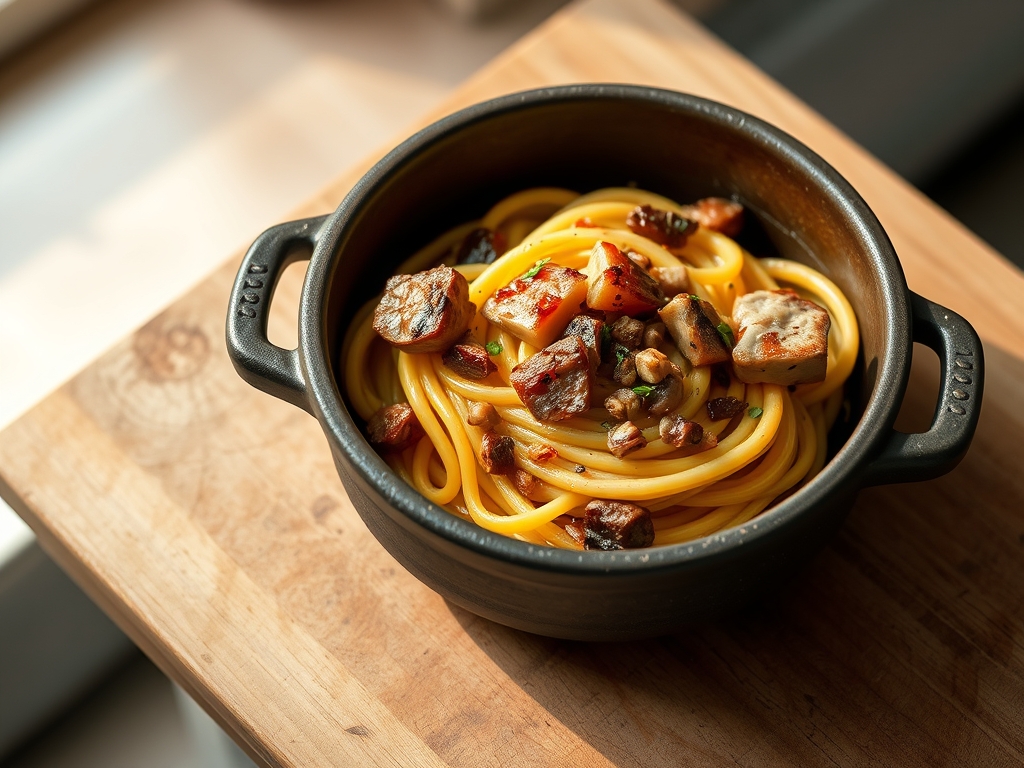
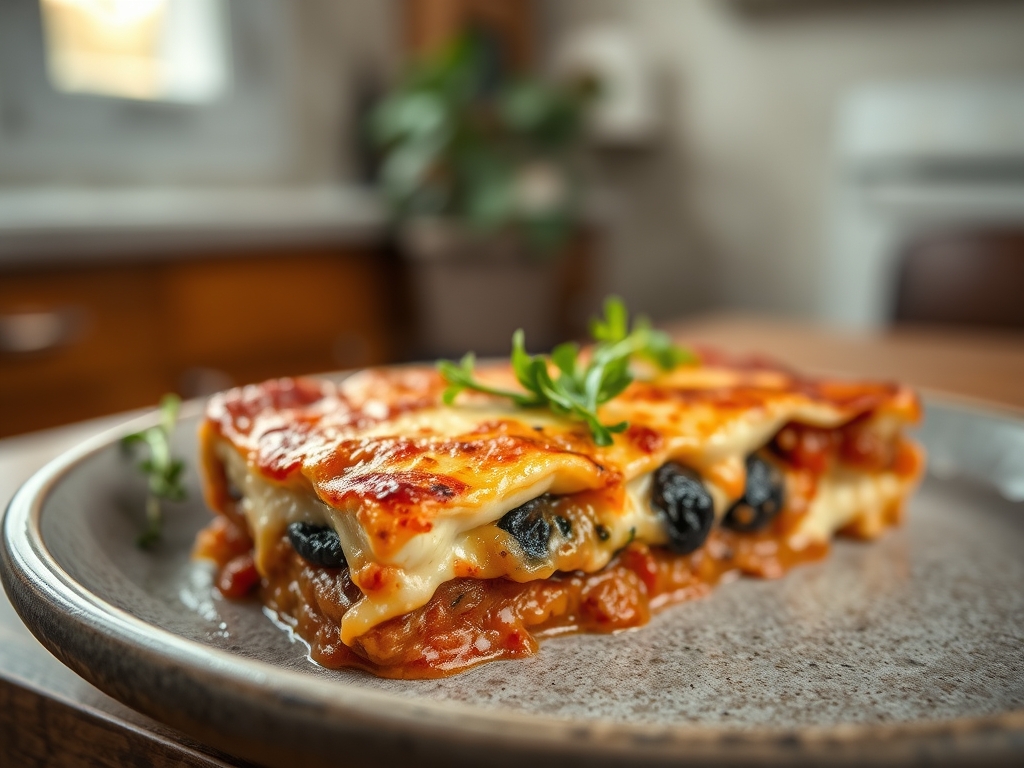
Stop thinking like a home cook and start thinking like a structural engineer with a penchant for high-octane Mediterranean flavor. We are not just making dinner; we are constructing a multi-layered masterpiece of culinary architecture known as Greek Mousaka. Imagine the sizzle of thinly sliced eggplant hitting shimmering olive oil, the aroma of cinnamon and cloves infusing into a rich lamb ragu, and the velvety weight of a nutmeg-scented bechamel that sits atop the assembly like a heavy silk blanket. This dish is a study in density and contrast. It requires a delicate balance between the earthy, moisture-heavy vegetables and the piquant, robust meat sauce. When executed with precision, a slice of Greek Mousaka stands defiant on the plate, showing off its stratified glory without collapsing into a sodden heap. We are targeting the perfect Maillard reaction on the surface and a creamy, viscous interior that melts upon impact. Put on your apron and calibrate your senses. We are about to audit the very foundation of Greek comfort food.
THE DATA MATRIX
| Metric | Specification |
|---|---|
| Prep Time | 60 Minutes |
| Execution Time | 90 Minutes |
| Yield | 8 to 10 Servings |
| Complexity (1-10) | 8 |
| Estimated Cost per Serving | $4.50 – $6.00 |
THE GATHERS
Ingredient Protocol:
- The Foundation: 1.5kg / 3.3 lbs Large Eggplants; 1kg / 2.2 lbs Yukon Gold Potatoes.
- The Ragu: 1kg / 2.2 lbs Ground Lamb or Beef; 500ml / 2 cups Crushed Tomatoes; 200ml / 0.85 cups Dry Red Wine; 2 Large Onions (finely diced); 4 Cloves Garlic (minced); 1 Stick Cinnamon; 2g / 0.5 tsp Ground Allspice.
- The Bechamel: 150g / 5.3 oz Unsalted Butter; 150g / 5.3 oz All-Purpose Flour; 1.2L / 5 cups Whole Milk; 4 Large Egg Yolks; 150g / 5.3 oz Kefalotyri or Parmesan Cheese (grated); 2g / 0.5 tsp Nutmeg.
- The Binding: 100ml / 0.4 cups Extra Virgin Olive Oil; Sea Salt and Black Pepper to taste.
Section A: Ingredient Quality Audit:
If your eggplants feel spongy or light, they are likely filled with excess air and bitter seeds. To fix this, slice them and perform a salting purge for 30 minutes to draw out moisture and bitterness via osmosis. If your potatoes are too waxy, they will slide out of the stack; choose starchy varieties like Yukon Gold or Russet to ensure they absorb the ragu juices. Sub-par ground meat with high water content will steam rather than sear. If you see grey liquid pooling in your pan, drain it immediately, deglaze with a splash of wine, and restart the browning process to ensure you render the fats properly.
THE MASTERCLASS
1. Structural Base Preparation
Slice potatoes and eggplants into 1cm rounds using a mandoline for geometric consistency. Brush with olive oil and roast at 200C / 400F until golden.
Pro Tip: Roasting instead of traditional deep-frying prevents the dish from becoming an oil-slicked disaster. Use a digital scale to ensure even thickness, which guarantees a uniform cook time and a level foundation for the meat layer.
2. The Ragu Synthesis
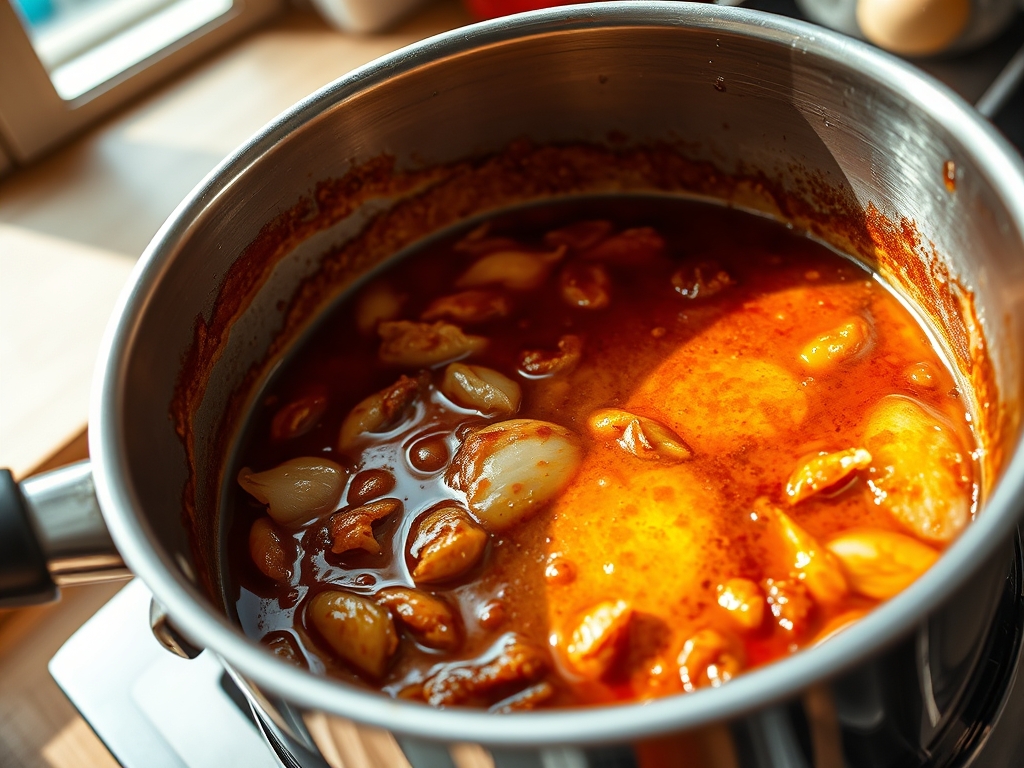
In a heavy-bottomed saucier, brown the meat until deeply caramelized. Add onions and garlic, sweating them until translucent. Deglaze the pan with red wine, scraping up the fond, then add tomatoes and spices. Simmer until the liquid has reduced by half and the sauce is thick and viscous.
Pro Tip: The ragu must be "dry" compared to a pasta sauce. If it is too runny, the moisture will migrate during baking and compromise the structural integrity of the lower vegetable tiers.
3. The Bechamel Engineering
Melt butter and whisk in flour to create a blonde roux. Gradually incorporate milk, whisking constantly to aerate and prevent clumps. Once thickened, remove from heat and temper in the egg yolks and cheese.
Pro Tip: Tempering the yolks is critical. Add a small ladle of hot white sauce to the yolks in a separate bowl before mixing them into the main pot. This prevents the eggs from scrambling, ensuring a smooth, custard-like finish.
4. Stratified Assembly
In a deep baking dish, layer potatoes first, followed by half the eggplants. Spread the meat ragu evenly using a bench scraper to level the surface. Add the remaining eggplants, then pour the bechamel over the top, smoothing it to the edges.
Pro Tip: The potato base acts as a thermal shield and moisture absorbent. It protects the bottom of the dish from burning while soaking up the piquant juices from the meat above.
5. The Thermal Transformation
Bake at 180C / 350F for 45 to 50 minutes. The top should be a mottled golden brown with occasional dark spots of caramelized cheese.
Pro Tip: Allow the Mousaka to rest for at least 30 minutes before slicing. This allows the proteins and starches to set, ensuring clean, architectural slices rather than a structural collapse.
Section B: Prep & Timing Fault-Lines:
The most common failure in Greek Mousaka is "The Flood," where liquid pools at the bottom of the pan. This is caused by under-cooked vegetables or a sauce that wasn't reduced sufficiently. If you find yourself behind schedule, do not rush the cooling phase. Cutting into a hot Mousaka is a recipe for a landslide. Use an instant-read thermometer to ensure the center has reached 75C / 165F, then exercise discipline during the rest period.
THE VISUAL SPECTRUM
Section C: Thermal & Visual Troubleshooting:
Referencing the Masterclass photo, your goal is a distinct "tri-color" stratification. If your bechamel looks pale and pasty, your oven temperature was likely too low or you skipped the egg yolks; a quick blast under the broiler can fix the color, but not the texture. If the meat layer is bleeding into the white sauce, your ragu was too thin. For uneven browning, rotate the dish halfway through the bake. If the edges are charred but the center is liquid, tent the dish with foil to allow the internal temperature to rise without further browning the surface.
THE DEEP DIVE
Macro Nutrition Profile:
Greek Mousaka is a calorie-dense powerhouse. A standard serving contains approximately 550-700 calories, with a high concentration of fats from the bechamel and olive oil, moderate protein from the lamb, and complex carbohydrates from the potatoes. It is rich in Vitamin A and Potassium.
Dietary Swaps:
- Vegan: Replace lamb with a lentil and walnut crumble. Use a cauliflower and cashew-based cream for the top layer, thickened with nutritional yeast.
- Keto: Eliminate the potato base entirely. Increase the eggplant volume and use a heavy cream and egg-based topping thickened with xanthan gum instead of a flour roux.
- GF: Simply swap the all-purpose flour in the roux for a high-quality 1-to-1 gluten-free flour blend.
Meal Prep & Reheating Science:
Mousaka actually improves after 24 hours as the flavors infuse and the structure stabilizes. To reheat, avoid the microwave, which turns the eggplant rubbery. Instead, use an oven at 150C / 300F covered with foil to maintain the molecular moisture without drying out the bechamel.
THE KITCHEN TABLE
Why is my Mousaka soggy?
Usually, this is due to un-purged eggplants or excess water in the meat sauce. Ensure you salt your eggplants to draw out moisture and reduce your ragu until it is thick and holds its shape on a spoon.
Can I use cinnamon in the meat?
Absolutely. Cinnamon is the signature aromatic of a traditional Greek Mousaka. It provides a warm, earthy depth that cuts through the richness of the lamb and the creamy bechamel. Do not skip it.
What is the best cheese for the topping?
Kefalotyri is the gold standard for its salty, tangy profile and high melting point. If unavailable, a mix of Pecorino Romano and aged Parmesan provides a similar flavor profile and excellent browning capabilities.
How long does it stay fresh?
When stored in an airtight container, Mousaka will maintain its integrity for 3 to 4 days in the refrigerator. It also freezes exceptionally well for up to three months if wrapped tightly to prevent freezer burn.