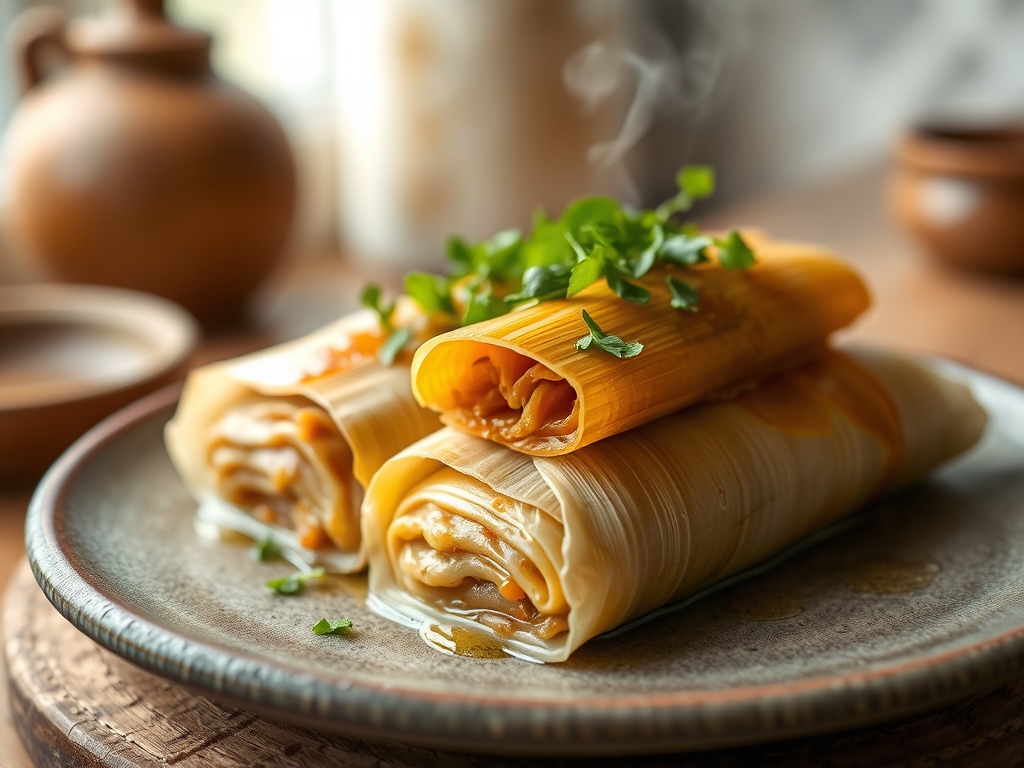

Listen to the sound of a living colony. It is not a silent process; it is a microscopic riot. When you decant a true batch of Russian Kefir, you are not just pouring a beverage. You are witnessing the culmination of a multi-species evolutionary pact. The liquid is viscous, clinging to the glass with a defiant tension that speaks to its high polysaccharide content. It hits the palate with a sharp, piquant electricity that makes commercial yogurt taste like static water. This is the champagne of dairy. It is effervescent, slightly alcoholic, and deeply funky. We are dealing with a complex SCOBY (Symbiotic Culture of Bacteria and Yeast) that thrives on lactose and spits out a probiotic masterpiece. If your kitchen does not currently smell like a sourdough starter had a wild weekend in the Caucasus Mountains, you are doing it wrong. We are here to audit your fermentation infrastructure and ensure your grains are performing at peak metabolic efficiency. Prepare for a total sensory overhaul of your dairy intake.
THE DATA MATRIX
| Metric | Specification |
|---|---|
| Prep Time | 10 Minutes |
| Execution Time | 24 to 48 Hours |
| Yield | 1 Liter / 4.2 Cups |
| Complexity (1-10) | 4 |
| Estimated Cost per Serving | $0.45 |
THE GATHERS
Ingredient Protocol:
- 1000ml / 4.2 cups Whole Bovine Milk (Non-homogenized preferred)
- 30g / 2 tbsp Active Russian Kefir Grains
- 5ml / 1 tsp Heavy Cream (Optional for mouthfeel enhancement)
- 1 pinch Sea Salt (To stabilize mineral balance)
Section A: Ingredient Quality Audit:
The primary failure point in Russian Kefir production is the milk source. If you are using ultra-pasteurized (UHT) milk, you are essentially feeding your grains a sterile graveyard. The high-heat treatment denatures the proteins to a point where the grains cannot properly structure the curd. Switch to "low and slow" pasteurized milk or raw milk if your local regulations allow it. If your grains appear "slimy" but the milk remains thin, your grain-to-milk ratio is skewed. You are overfeeding the colony. Reduce the milk volume or increase the grain mass to ensure the bacteria can outpace opportunistic wild yeast. If the final product tastes metallic, check your hardware. Never use reactive metals like aluminum; the lactic acid will leach ions into your ferment. Stick to surgical-grade stainless steel or borosilicate glass.
THE MASTERCLASS
1. Sterilization and Inoculation
Begin by calibrating your environment. Wash your glass fermentation vessel with hot water and a residue-free detergent. Use a digital scale to weigh your grains precisely. Place the grains in the vessel and pour the milk over them at room temperature. Do not use milk straight from the refrigerator; the thermal shock can stall the yeast metabolism.
Pro Tip: The science here relies on thermophilic and mesophilic synergy. By starting at room temperature, you allow the yeast to aerate the mixture early, creating the signature carbonation that defines the Russian style.
2. The Primary Ferment
Cover the vessel with a breathable cloth or a coffee filter secured with a rubber band. This allows CO2 to escape while preventing fruit flies from infiltrating the culture. Place the jar in a dark spot away from direct sunlight. The ambient temperature should remain between 20C and 25C.
Pro Tip: Use a saucier or a small pot to gently warm the milk if your kitchen is below 18C. However, never exceed 30C, or you will render the grains inactive by denaturing their delicate enzyme systems.
3. Agitation and Monitoring
Every six to eight hours, give the jar a gentle swirl. This redistributes the grains and ensures they have access to fresh lactose. You will notice the liquid beginning to thicken and develop small bubbles along the sides of the glass.
Pro Tip: Agitation prevents the formation of a "cheese cap" on the surface. This ensures a consistent viscous texture throughout the batch rather than a separated mess of whey and curd.
4. The Harvest
Once the kefir has reached the consistency of heavy cream, it is time to strain. Place a non-reactive plastic or stainless steel mesh strainer over a clean bowl. Pour the mixture through, using a silicone bench scraper or spatula to gently move the grains around until only the grains remain in the sieve.
Pro Tip: Do not press the grains. The goal is to separate the liquid while keeping the "kefiran" coating on the grains intact. This coating is the protective biofilm that keeps the colony healthy for the next cycle.
5. Secondary Fermentation (Optional)
Transfer the strained liquid to a swing-top bottle and let it sit on the counter for another 4 to 12 hours. This is where you can infuse flavors like lemon peel or cinnamon. This step increases the folate content and the level of effervescence.
Pro Tip: This secondary stage allows the bacteria to finish consuming any residual sugars, resulting in a lower-glycemic final product that is nearly lactose-free.
Section B: Prep & Timing Fault-Lines:
The most common human error is the "set it and forget it" trap. Fermentation is a logarithmic growth curve. If you leave the grains in for 36 hours when the room is 28C, you will end up with a separated bottle of clear whey and chunky curds. This is not a failure of the grains; it is a failure of the auditor. Use a fermentation clock or a smart-home thermometer to track ambient swings. If separation occurs, do not toss it. Use a high-speed blender to emulsify the layers back together, though the flavor will be significantly more acidic.
THE VISUAL SPECTRUM
Section C: Thermal & Visual Troubleshooting:
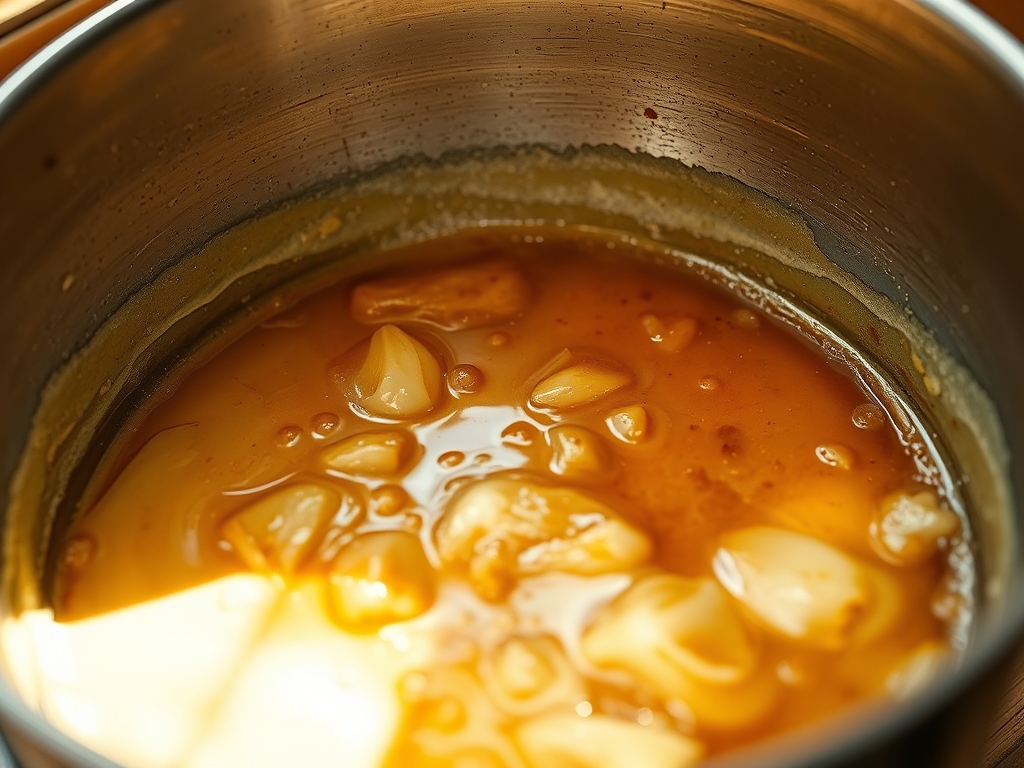
Look at the Masterclass photo. Notice the "legs" on the side of the glass; that indicates a high protein density and proper microbial development. If your kefir looks watery or translucent, your milk lacks the fat content to support the structure. If you see a yellow crust on top, your humidity is too low, causing the surface to dehydrate. Cover the jar more tightly. If the color is anything other than brilliant white or soft cream (e.g., pink or orange tints), you have a mold contamination. Dispose of the batch, sanitize your equipment with a 10% bleach solution, and start over with fresh grains. The texture should be smooth; if it looks "grainy" or curdled like cottage cheese, you have over-fermented. Reduce your fermentation time by 4 hours in the next cycle.
THE DEEP DIVE
Macro Nutrition Profile:
A standard 250ml serving contains approximately 150 calories, 8g of protein, 8g of fat, and 11g of carbohydrates (though much of the sugar is predigested by the grains). It is a powerhouse of Vitamin K2, B12, and magnesium.
Dietary Swaps:
- Vegan: Use coconut milk with a high fat content. Note that grains will need a "dairy bath" every third batch to survive, as they cannot metabolize plant sugars indefinitely.
- Keto: Use a mix of 75% whole milk and 25% heavy cream to increase the fat-to-carb ratio.
- GF: Kefir is naturally gluten-free, but ensure your grains were not grown in a facility that processes malt.
Meal Prep & Reheating Science:
Never boil kefir. High heat will kill the probiotic colony and cause the proteins to clump. If using in a sauce, add it at the very end of the cooking process to deglaze a pan or provide a creamy finish. To store, keep it in the coldest part of the refrigerator for up to two weeks. The flavor will continue to sharpen over time as the slow-acting yeasts continue to work.
THE KITCHEN TABLE
Why is my kefir so thin?
Your kitchen is likely too cold, or your grain-to-milk ratio is too low. Increase the grain mass or move the jar to a warmer location. Ensure you are using whole milk for maximum viscosity.
Can I use metal spoons?
Stainless steel is fine for brief contact. Avoid long-term storage in metal or using reactive metals like copper or aluminum, which can harm the living cultures through ion exchange.
How do I pause production?
Place your grains in a fresh jar of milk and store them in the back of the refrigerator. This slows their metabolism, allowing them to hibernate for up to three weeks without requiring a feed.
Why does it smell like yeast?
A strong bready aroma indicates yeast dominance. This happens when the temperature is too high or there is too much airflow. Tighten your lid slightly and move the jar to a cooler spot to favor the bacteria.