Imagine a substance so structurally sound it anchored a seafaring civilization across the vast Pacific expanse. We are not discussing basalt or timber; we are dissecting the molecular architecture of Polynesian Poi. This is the ultimate starch infrastructure. When you strike a cooked taro corm with a stone pounder, you are not just mashing vegetables. You are engaging in a high-stakes mechanical breakdown of complex polysaccharides. The result is a viscous, lilac-hued paste that evolves from a sweet, earthy baseline into a piquant, fermented masterpiece. It is the original slow-burn fuel. The texture is everything. It must be smooth enough to glide, yet dense enough to cling to the finger. In the culinary auditor's handbook, Polynesian Poi represents the gold standard of minimalist engineering. It requires only two ingredients: taro and water. However, the margin for error is razor-thin. One wrong move with your moisture ratios and you have a watery mess instead of a structural marvel. Prepare to audit your technique and master the root.
THE DATA MATRIX
| Metric | Specification |
|---|---|
| Prep Time | 20 Minutes |
| Execution Time | 90 Minutes (Plus 1-3 days fermentation) |
| Yield | 1.2 kg / 5 Cups |
| Complexity (1-10) | 4 (Technical precision over complexity) |
| Estimated Cost per Serving | $0.85 USD |
THE GATHERS
Ingredient Protocol:
- 2.25 kg / 5 lbs Fresh Taro Root (Hao or Lehua varieties preferred).
- 475 ml / 2 cups Filtered Water (Reserved for consistency adjustment).
- 15 ml / 1 tbsp Neutral Oil (Optional; for coating hands during peeling).
Section A: Ingredient Quality Audit:
The primary failure point in Polynesian Poi is the selection of the corm. If your taro feels light or hollow, it has lost its internal moisture and the starch will be chalky rather than creamy. If you encounter "kalo" with soft spots or a fermented odor before cooking, discard it immediately. Technical fix: If your taro is slightly older and drier, increase your steaming time by 15% and utilize a digital scale to ensure you are adding water at exactly 10% of the total weight of the mash to compensate for the lack of natural hydration.
THE MASTERCLASS
1. Thermal Breakdown of the Corm
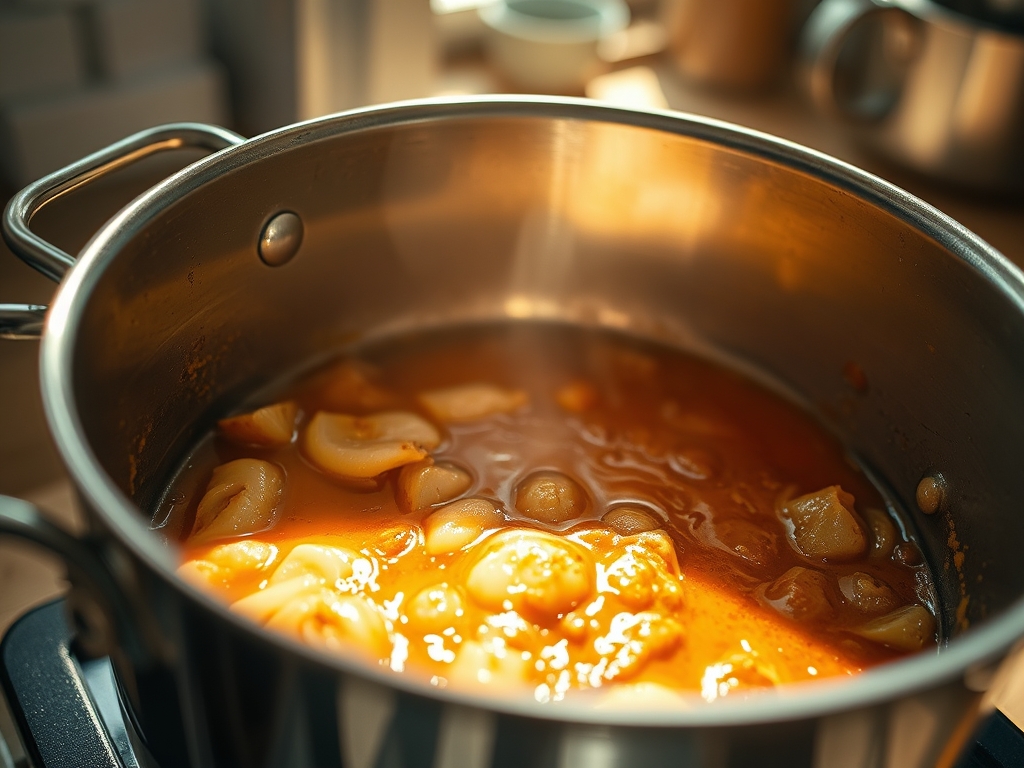
Scrub the taro roots vigorously to remove volcanic soil and debris. Place the whole, unpeeled roots into a large steamer basket over boiling water. Steam for 60 to 90 minutes until a skewer slides through the center with zero resistance.
Pro Tip: The goal here is the total gelatinization of starch granules. Using a digital probe thermometer, ensure the internal temperature hits 94 degrees Celsius (201 degrees Fahrenheit). This ensures the calcium oxalate crystals, which cause an itchy sensation in the throat, are completely neutralized.
2. The Surgical Peel
While the taro is still warm, use a bench scraper or a paring knife to remove the skin. The skin should slip off easily if the thermal breakdown was successful. Remove any "eyes" or fibrous strands that could compromise the silkiness of the final paste.
Pro Tip: Speed is your ally. As the taro cools, the starches begin to retrograde, making the root toughen. Keep the peeled roots in a warm saucier or covered bowl to maintain their elasticity for the pounding phase.
3. Mechanical Mashing and Hydration
Place the warm taro on a heavy wooden board. If you do not have a traditional stone "pohaku," use a heavy-duty potato masher or a meat tenderizer. Begin pounding the taro into a thick, cohesive mass. Gradually add filtered water in 50ml increments.
Pro Tip: This is an exercise in shear force. You are trying to infuse the paste with just enough water to create a viscous flow without breaking the starch bonds. Use a silicone spatula to scrape the board constantly, ensuring every milligram of starch is incorporated into the smooth matrix.
4. Controlled Fermentation
Transfer the smooth poi into a glass bowl. Cover with a damp cloth or plastic wrap pressed directly onto the surface to prevent a skin from forming. Leave it at room temperature (21-24 degrees Celsius) for 24 to 72 hours.
Pro Tip: This is where the flavor profile shifts from sweet to piquant. Natural lactobacillus will begin to consume the sugars. Use a ph meter if you want to be precise; a target of 4.5 ph provides that signature tang that cuts through fatty proteins like kalua pig.
Section B: Prep & Timing Fault-Lines:
Timing is the silent killer. If you wait too long to pound the taro after steaming, the starch molecules crystallize. This results in "lumpy poi," a cardinal sin in Polynesian cuisine. If your timing is off, you can attempt a "hot-fix" by passing the mash through a fine-mesh tamis or chinois. This mechanical intervention forces the lumps through a grid, mimicking the smoothness of a well-timed pound.
THE VISUAL SPECTRUM
Section C: Thermal & Visual Troubleshooting:
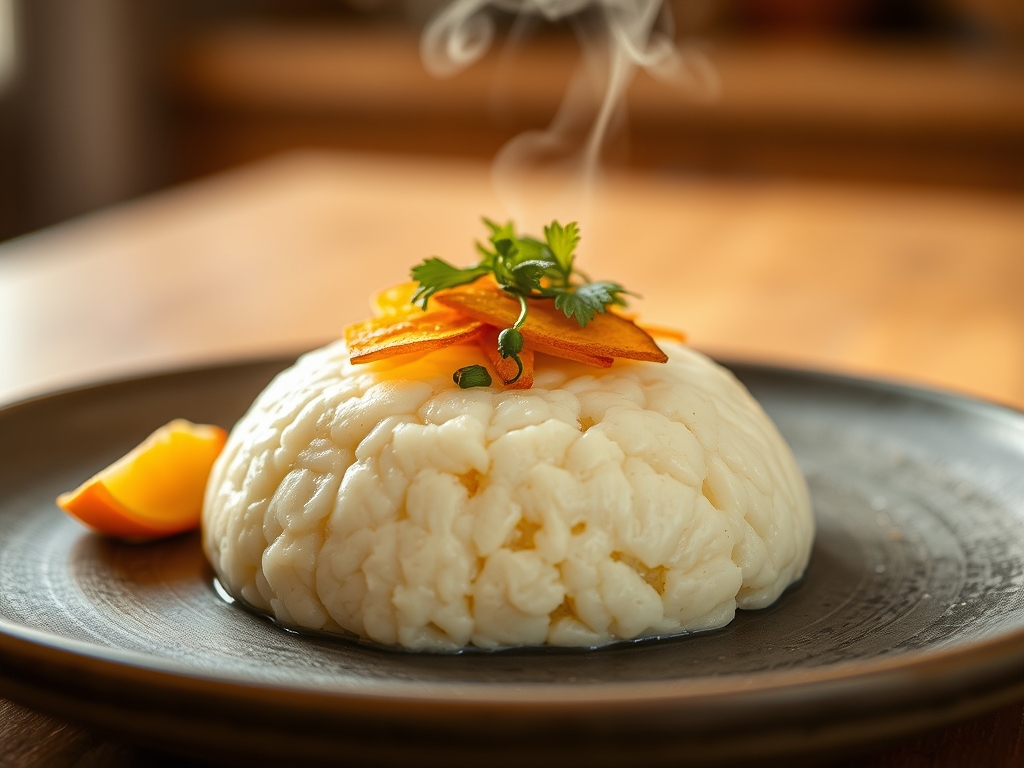
Referencing the Masterclass photo, observe the high-gloss finish and the subtle lilac hue. If your poi appears dull or grey, it likely suffered from oxidation or over-steaming in a reactive metal pot. Use stainless steel or bamboo to maintain color integrity. If the texture looks "broken" or grainy rather than smooth, your water-to-starch ratio is imbalanced. A perfectly executed poi should hold its shape on a spoon for three seconds before slowly succumbing to gravity. If it runs off instantly, you have over-hydrated; if it sticks like glue, you need to aerate the mixture with a splash of warm water and a vigorous stir.
THE DEEP DIVE
Macro Nutrition Profile:
Polynesian Poi is a high-energy, low-fat carbohydrate powerhouse. A 150g serving provides approximately 170 calories, 40g of complex carbohydrates, and 2g of fiber. It is exceptionally low in sodium and contains zero cholesterol. Its high potassium content makes it an elite recovery food for athletes.
Dietary Swaps:
- Vegan: Naturally compliant.
- Keto: Technically impossible due to high starch content; however, one could blend a small amount of poi into cauliflower mash to provide the "mouthfeel" of starch with fewer carbs.
- GF: Naturally gluten-free and one of the most hypoallergenic starches on the planet.
Meal Prep & Reheating Science:
Poi is incredibly stable. To store, cover the surface with a thin layer of water to prevent oxidation. When reheating, do not use a microwave; it will cause the starch to seize and turn rubbery. Instead, place it in a saucier over low heat and whisk in a few drops of water to render it back to its original creamy state.
THE KITCHEN TABLE
Why is my poi itchy in my throat?
This indicates undercooked taro. The calcium oxalate crystals did not fully break down. Return the mash to a steamer or pot and cook until the internal temperature exceeds 90 degrees Celsius to neutralize the irritant.
Can I use a food processor instead of pounding?
You can, but proceed with caution. High-speed blades can over-process the starch, turning the poi into a gummy, glue-like substance. Use the pulse setting and stop the moment the texture is uniform to maintain structural integrity.
How long does fermented poi stay good?
In the refrigerator, fermented poi can last up to two weeks. The flavor will continue to sharpen as the acidity increases. If you see mold or a fuzzy surface, the structural infrastructure has been compromised; discard it.
What is "one-finger" or "two-finger" poi?
This refers to the viscosity of the paste. "One-finger" poi is thick enough to be scooped with a single digit. "Two-finger" poi is thinner, requiring two fingers to create enough surface area to transport the paste to the mouth.