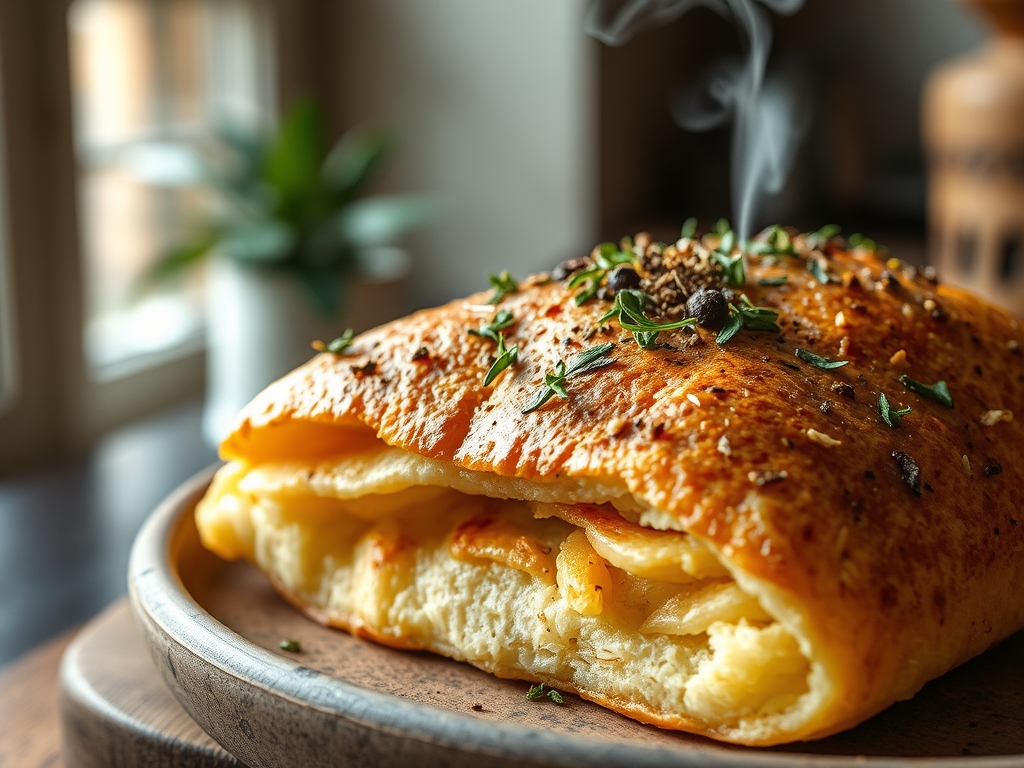
Listen up, kitchen operatives. We are here to dismantle the mediocrity of the soggy, oil-slicked tragedy masquerading as a British staple. If your batter is sliding off the fillet like a loose silk robe, you have failed the fundamental laws of fluid dynamics. We are initiating a high-stakes Fish and Chips Audit to ensure your dinner achieves total vapor lock. This is the holy grail of frying; a rigid, glass-like exterior that encapsulates a steaming, translucent core of cod. We are not just cooking; we are engineering a pressurized steam chamber using nothing but carbonation and starch. To pass this audit, you must respect the thermal threshold. We want a golden, shatter-prone crust that resonates with an audible crunch when breached. Every gram of flour and every milliliter of chilled liquid must be accounted for. If you are looking for a casual recipe, go buy a microwave meal. If you want to master the molecular architecture of the deep fryer, stand to attention.
THE DATA MATRIX
| Metric | Specification |
|---|---|
| Prep Time | 30 Minutes |
| Execution Time | 15 Minutes |
| Yield | 4 Operatives |
| Complexity | 7/10 |
| Estimated Cost per Serving | $6.50 – $8.50 |
THE GATHERS
Ingredient Protocol:
- 680g / 1.5 lbs Fresh Atlantic Cod (Center-cut)
- 250g / 2 cups All-purpose Flour
- 50g / 0.4 cups Cornstarch (for the dredge)
- 330ml / 11.2 oz Chilled Lager or Sparkling Water
- 5g / 1 tsp Baking Powder
- 10g / 2 tsp Fine Sea Salt
- 5g / 1 tsp Turmeric (for golden hue)
- 2L / 2.1 qt High-smoke point oil (Beef tallow or Peanut oil)
Section A: Ingredient Quality Audit:
If your fish feels slimy or smells "fishy," the volatile amines have already begun their assault. Fix: Pat the fillets dry and salt them 20 minutes early to render excess moisture out. If your flour is clumping, it has absorbed ambient humidity. Fix: Sieve the dry goods twice to aerate the mixture. If your beer is room temperature, your batter will be heavy and oily. Fix: Place the liquid in a stainless steel saucier over an ice bath until it hits 4 degrees Celsius.
THE MASTERCLASS
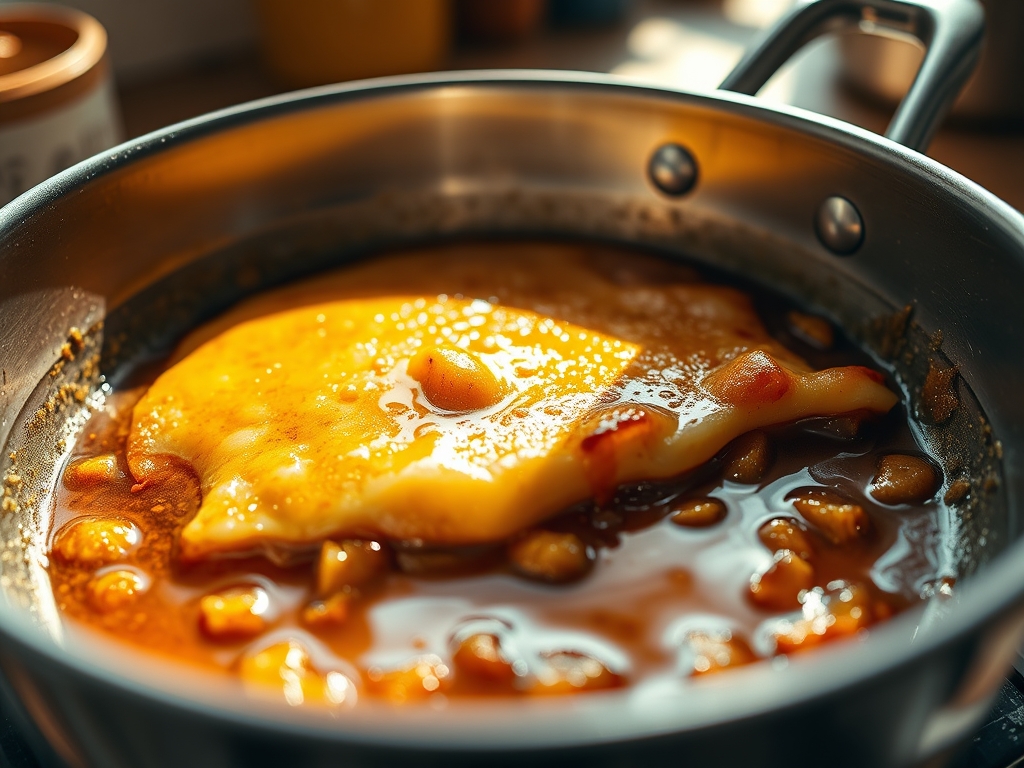
1. The Desiccation Protocol
The greatest enemy of the Fish and Chips Audit is surface moisture. Use a heavy-duty paper towel to press every drop of water from the cod fillets. Dust them lightly with a 50/50 mix of flour and cornstarch.
Pro Tip: Use a bench scraper to move the fillets without tearing the delicate flesh. Proper desiccation ensures the batter bonds to the protein rather than steaming off during the fry.
2. The Cryogenic Batter Synthesis
Whisk your sieved flour, baking powder, and turmeric in a chilled bowl. Slowly pour in the ice-cold lager while whisking gently. Do not overwork the gluten. A few small lumps are acceptable; a viscous, over-mixed batter will result in a chewy, bread-like texture instead of a crisp shell.
Pro Tip: Use a digital scale for the liquids. Volume is a lie; mass is the only truth in a high-performance kitchen. Cold liquid limits gluten development, keeping the crust light.
3. Thermal Calibration
Heat your oil to exactly 185 degrees Celsius (365 degrees Fahrenheit). Use a high-quality probe thermometer to monitor this. If the temp drops below 175, the oil will infiltrate the batter, ruining the integrity of the crust.
Pro Tip: A saucier or deep Dutch oven provides the thermal mass needed to prevent drastic temperature drops when the cold fish enters the hot oil.
4. The Swimming Technique
Dip the dredged fish into the batter, let the excess drip for exactly three seconds, and then gently lower the fillet into the oil, holding one end for a moment to let it "swim" before releasing. This prevents the fish from sinking and sticking to the bottom.
Pro Tip: Use a digital scale to weigh your portions before frying to ensure uniform cooking times across all fillets.
Section B: Prep & Timing Fault-Lines:
The most common human error is the "crowded pot" syndrome. Adding too many fillets at once crashes the oil temperature, leading to a grease-soaked disaster. Fry in batches. Another failure point is the "late salt" error. You must salt the chips and fish the microsecond they exit the oil while the surface is still viscous with heat to ensure the crystals adhere.
THE VISUAL SPECTRUM
Section C: Thermal & Visual Troubleshooting:
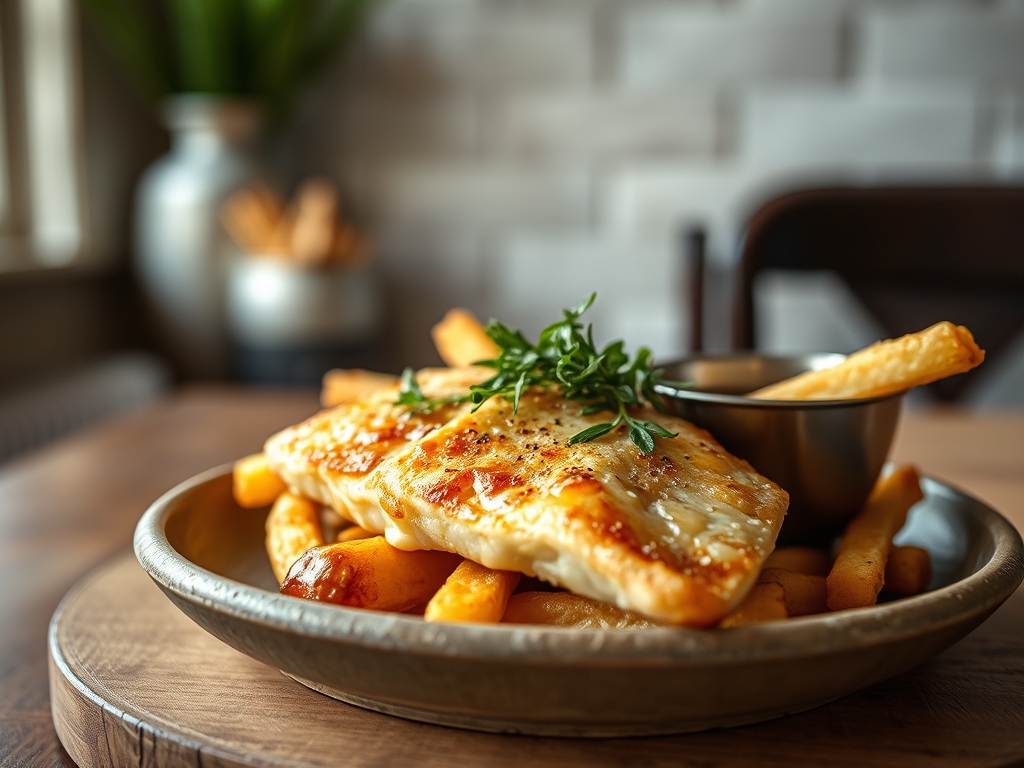
Look at the Masterclass photo above. Notice the "lace" on the edges of the batter; this is known as "scraps" or "bits." If your batter is smooth like a corn dog, it is too thick. If the color is pale, your oil is too cold or you forgot the turmeric to infuse that golden glow. If the batter is dark brown but the fish is raw, your oil is too hot, causing the sugars to render and burn before the heat can penetrate the core. The ideal visual cue is a "honeycomb" texture where the carbonation bubbles have frozen in time.
THE DEEP DIVE
Macro Nutrition Profile:
A standard serving contains approximately 850 calories. You are looking at 45g of Protein, 80g of Carbohydrates, and 42g of Fats. It is a high-energy fuel source designed for North Sea fishermen, not for sedentary spreadsheet warriors.
Dietary Swaps:
- Vegan: Swap cod for thick slices of "Tofish" (firm tofu wrapped in nori).
- Keto: Replace flour with almond flour and crushed pork rinds; use sparkling water instead of beer.
- GF: Use a blend of rice flour and cornstarch. This actually creates an even crispier result than wheat flour.
Meal Prep & Reheating Science:
Deep fried structures are notoriously difficult to revive. To maintain molecular structure, never use a microwave; it vibrates water molecules, turning your crisp crust into a soggy sponge. Reheat in an air fryer or oven at 200 degrees Celsius for 4 minutes to re-crisp the fats without overcooking the protein.
THE KITCHEN TABLE
Why is my batter soggy under the crust?
This is "the gap." It happens when the fish is too wet. The steam creates a pocket between the meat and the batter. Ensure the fish is bone-dry and properly dredged in starch before dipping to pass the Fish and Chips Audit.
What is the best oil for frying?
Beef tallow is the gold standard for flavor and stability. If you require a neutral profile, peanut oil has a high smoke point and won't break down into acrid compounds during the high-heat execution phase of the recipe.
Can I use water instead of beer?
Yes, but use highly carbonated sparkling water. The CO2 bubbles expand rapidly in the heat, creating the aerated structure we crave. Beer adds sugars and proteins that aid in the Maillard reaction for better browning and flavor.
How do I keep the chips crispy?
Double fry them. Blanch the potatoes at 150 degrees Celsius until soft, let them cool completely, then finish them at 190 degrees Celsius until GBD (Golden Brown and Delicious). This creates a dehydrated, reinforced starch wall that resists wilting.