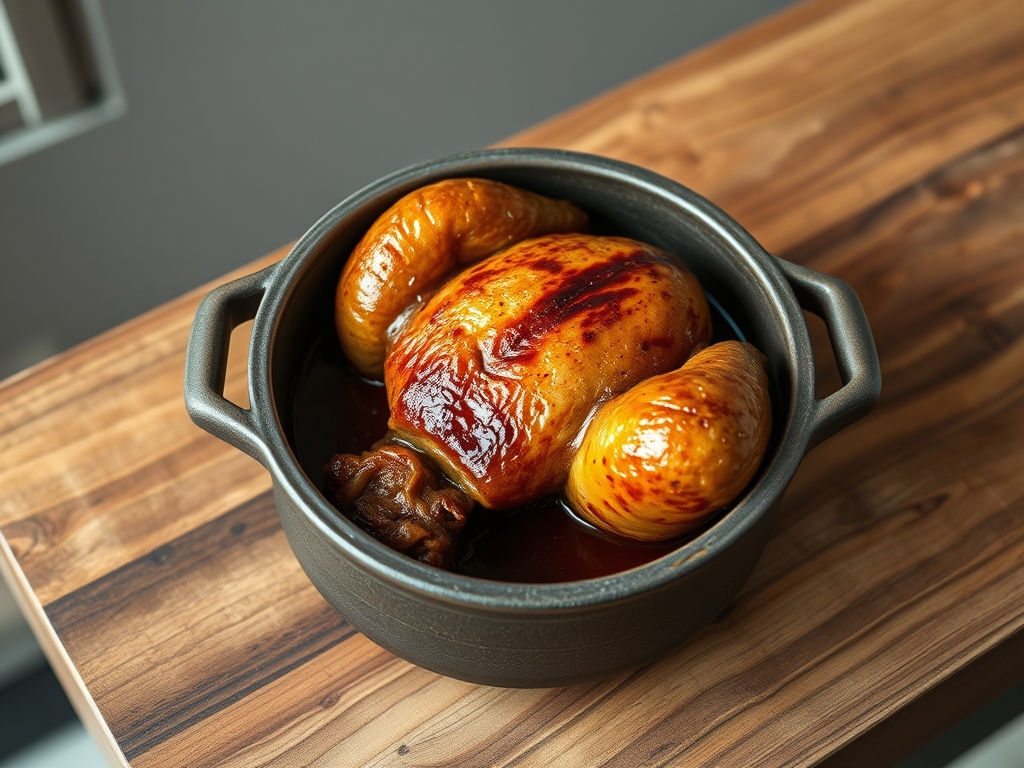
Listen up, kitchen architects. We are not just cooking dinner; we are engineering a masterpiece of carotenoid suspension and lipid-based flavor extraction. Hungarian Paprikash is the ultimate stress test for your culinary infrastructure. It is a dish where the structural integrity of a sauce depends entirely on the solubility of ground capsicum in rendered animal fats. If you treat your paprika like a mere garnish, you have already failed the audit. We are looking for a result that is viscous, piquant, and glowing with a deep, volcanic crimson hue. This is the gold standard of comfort food, but the physics behind it are anything but soft. We are talking about the precise moment where collagen transforms into gelatin and where sour cream meets high heat without shattering into a grainy mess. If you want to master the Hungarian soul, you must first master the science of the emulsion. Put down the pre-ground black pepper and step away from the low-fat dairy. We are building a legacy, one tablespoon of noble sweet gold at a time.
THE DATA MATRIX
| Metric | Specification |
|---|---|
| Prep Time | 25 mins |
| Execution Time | 55 mins |
| Yield | 4-6 Servings |
| Complexity (1-10) | 6.5 |
| Estimated Cost per Serving | $3.75 – $4.50 |
THE GATHERS
Ingredient Protocol:
- 1.4 kg / 3 lbs Bone-in, skin-on chicken thighs (trimmed)
- 45 ml / 3 tbsp High-quality lard or neutral oil
- 3 large Yellow onions (approx. 600g), finely diced
- 40 g / 4 tbsp Authentic Hungarian Sweet Paprika
- 3 cloves Garlic, minced
- 2 medium Roma tomatoes, peeled and seeded
- 1 large Bell pepper, diced into 5mm cubes
- 500 ml / 2 cups Low-sodium chicken stock
- 250 ml / 1 cup Full-fat sour cream (room temperature)
- 30 g / 2 tbsp All-purpose flour
- 10 g / 2 tsp Kosher salt (plus more for seasoning)
Section A: Ingredient Quality Audit:
Sub-par raw materials are the primary cause of structural failure in Hungarian Paprikash. If your paprika is brown or smells like dust, it has oxidized; discard it immediately. Fresh paprika should be vibrant red and smell slightly fruity. If you cannot find authentic lard, do not substitute with butter, as the milk solids will burn during the high-heat sear. Use a high-smoke point oil instead. If your sour cream is low-fat, the sauce will break during the final emulsification. Always use 20 percent fat content or higher to ensure a stable, velvety finish. If the chicken skin is flabby, you failed to render the fat properly during the initial sear.
THE MASTERCLASS
Step-by-Step Execution:
1. The Maillard Foundation
Pat the chicken dry with paper towels to ensure maximum surface contact. Season aggressively with salt. Heat your saucier or heavy-bottomed Dutch oven over medium-high heat with the lard. Sear the chicken skin-side down until the fat begins to render and the skin is golden and crisp. Remove the chicken and set it aside on a wire rack.
Pro Tip: Moisture is the enemy of the Maillard reaction. Use a digital scale to ensure your salt ratios are consistent; precise salinity improves protein binding and flavor extraction.
2. The Onion Reduction
Add the finely diced onions to the remaining fat. Lower the heat to medium. You are not just sweating them; you are breaking down their cellular structure until they are translucent and starting to caramelize. This provides the natural sugars necessary to balance the piquant notes of the spice.
Pro Tip: Use a stainless steel bench scraper to move onions from the cutting board to the pot efficiently, preventing the loss of essential juices that contribute to the sauce's body.
3. The Solubilization Phase
Remove the pot from the heat. This is the critical safety check. Stir in the paprika and garlic. The residual heat is enough to infuse the oil with the paprika's fat-soluble compounds without burning the delicate spice. Return to low heat and stir for 60 seconds until fragrant.
Pro Tip: Paprika contains high levels of sugar and will turn bitter if exposed to direct, high heat. Off-heat integration is the professional standard for maintaining color and flavor integrity.
4. The Liquid Integration
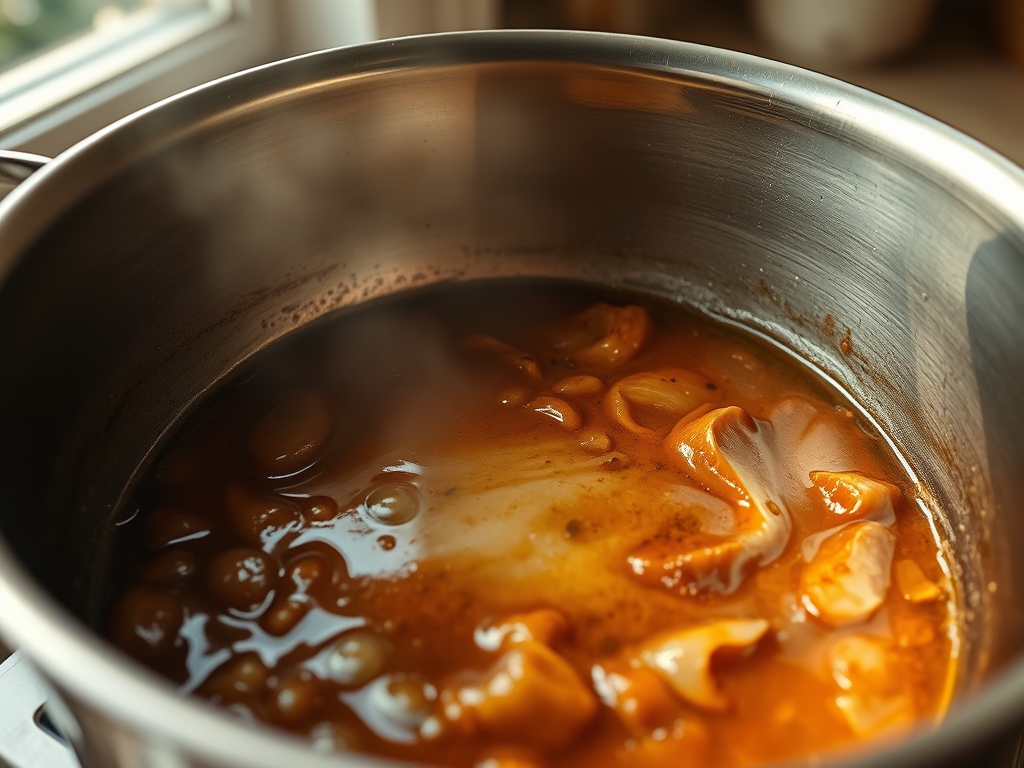
Add the diced tomatoes and bell peppers. Return the chicken to the pot. Pour in the chicken stock until the meat is halfway submerged. Bring to a gentle simmer, cover, and cook for 35 to 40 minutes. The goal is to reach an internal temperature of 74C / 165F.
Pro Tip: Use a digital probe thermometer to monitor the chicken. Overcooking leads to stringy fibers; precision timing ensures the meat remains succulent and tender.
5. The Final Emulsion
In a small bowl, whisk the sour cream and flour together until smooth. Temper the mixture by adding two ladles of the hot cooking liquid into the cream while whisking constantly. Pour the tempered mixture back into the pot. Simmer for 5 minutes to aerate and thicken the sauce.
Pro Tip: Tempering prevents thermal shock. If you add cold cream directly to the boiling liquid, the proteins will coagulate instantly, ruining the viscous texture of your masterpiece.
Section B: Prep & Timing Fault-Lines:
Timing errors usually occur during the onion reduction. If you rush this step, the onions will remain crunchy, ruining the textural harmony of the sauce. If your heat is too high when adding the paprika, the spice will scorch in seconds. Always have your stock measured and ready to deglaze the pan immediately after the paprika is toasted. This halts the cooking process and locks in the vibrant red hue.
THE VISUAL SPECTRUM
Section C: Thermal & Visual Troubleshooting:
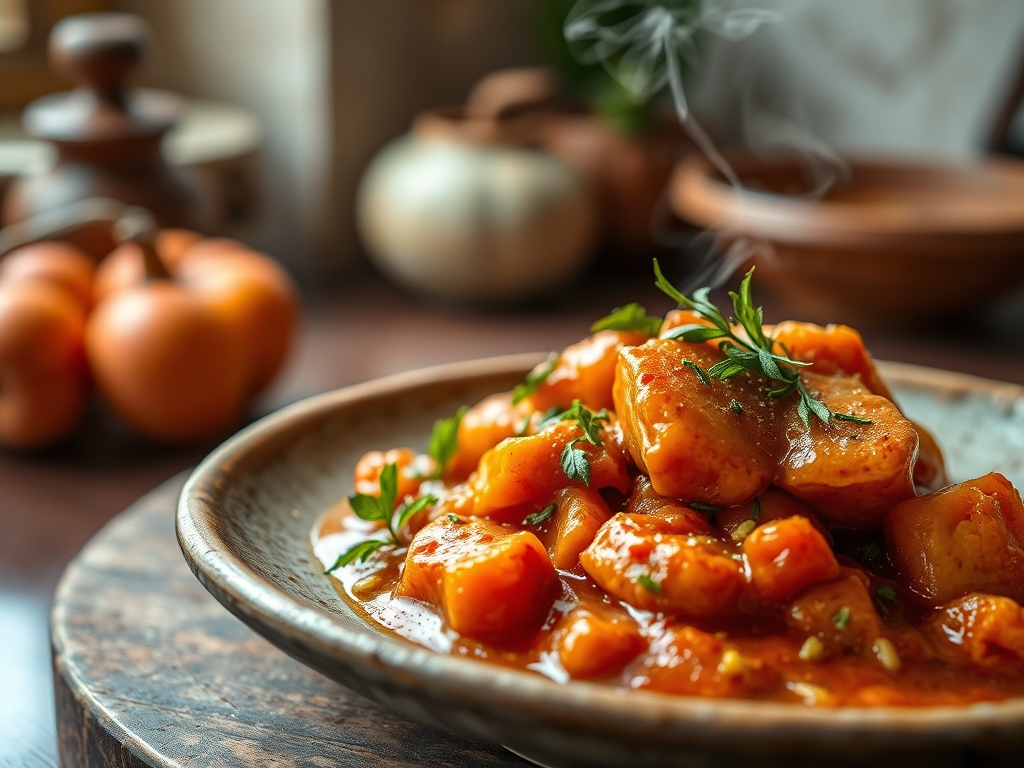
Look at the Masterclass photo. Notice the deep, uniform orange-red color and the way the sauce coats the back of a spoon. If your sauce is pale or pink, you used too much sour cream or insufficient paprika. If you see oil slicks on the surface, the emulsion has broken; whisk in a tablespoon of warm water to help re-bind the fats. If the chicken looks grey, you skipped the searing phase. The visual cue for a perfect Paprikash is a glossy sheen that reflects light, indicating a stable suspension of fats and solids.
THE DEEP DIVE
Macro Nutrition Profile:
A standard serving contains approximately 450 calories, 32g of protein, 28g of fat, and 12g of carbohydrates. The high fat content is essential for the delivery of the fat-soluble vitamins found in the paprika.
Dietary Swaps:
- Vegan: Replace chicken with roasted cauliflower florets and use cashew cream mixed with lemon juice instead of sour cream.
- Keto: Omit the flour and thicken the sauce by reducing the cooking liquid further or using a pinch of xanthan gum.
- GF: Use a 1:1 gluten-free flour blend or cornstarch slurry for the final thickening phase.
Meal Prep & Reheating Science:
To maintain molecular structure during reheating, avoid the microwave. The uneven waves will break the emulsion. Instead, reheat slowly in a saucepan over low heat, adding a splash of stock to restore the viscous consistency. This dish actually improves after 24 hours as the flavors continue to infuse the protein.
THE KITCHEN TABLE
Why is my sauce grainy?
This is usually caused by using low-fat sour cream or failing to temper the dairy. The proteins clump together when hit with sudden heat. Always use full-fat dairy and temper slowly to ensure a smooth, professional finish.
Can I use smoked paprika?
While delicious, smoked paprika is not traditional for this dish. It will overwhelm the delicate sweetness of the onions and chicken. Stick to Hungarian "Noble Sweet" paprika for the authentic, piquant flavor profile required for this audit.
What is the best side dish?
Nokedli (Hungarian dumplings) are the structural requirement here. Their porous surface is designed to soak up the sauce. If unavailable, use wide egg noodles or boiled potatoes to provide a neutral base for the intense flavors.
How do I fix a bitter sauce?
Bitterness usually means the paprika scorched. You can attempt to neutralize this by adding a pinch of sugar or more sautéed onions, but prevention is the only true cure. Always add paprika off the heat.